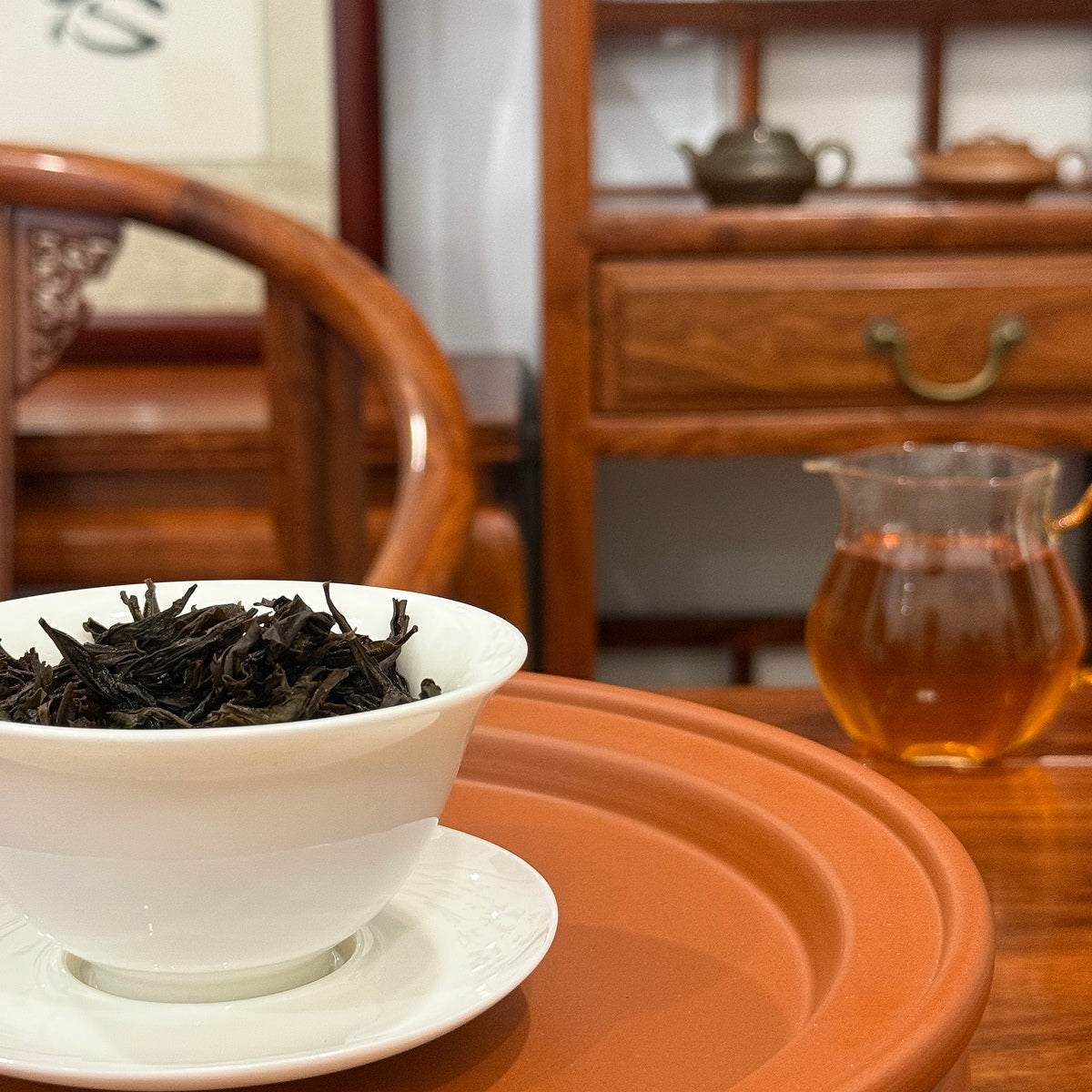
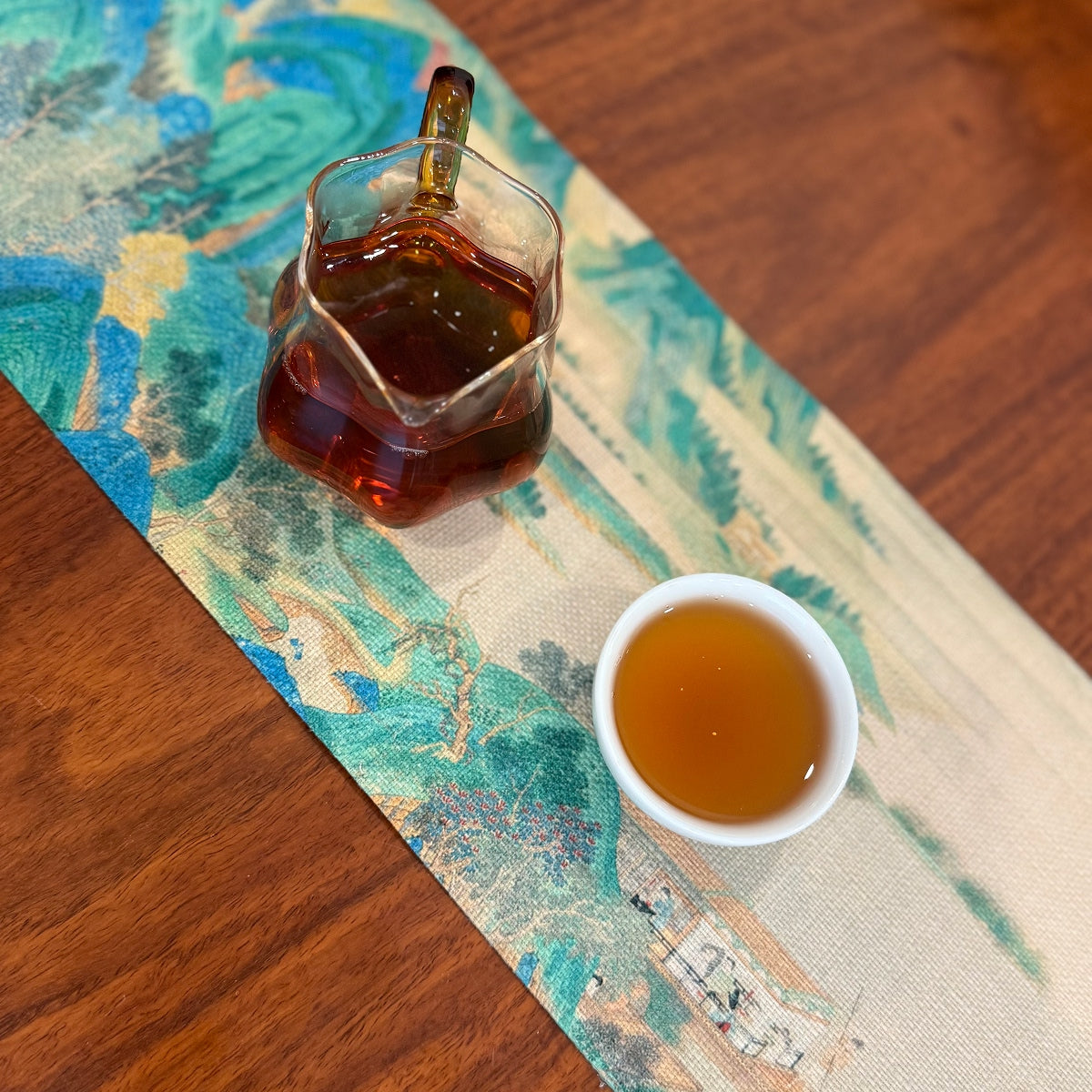
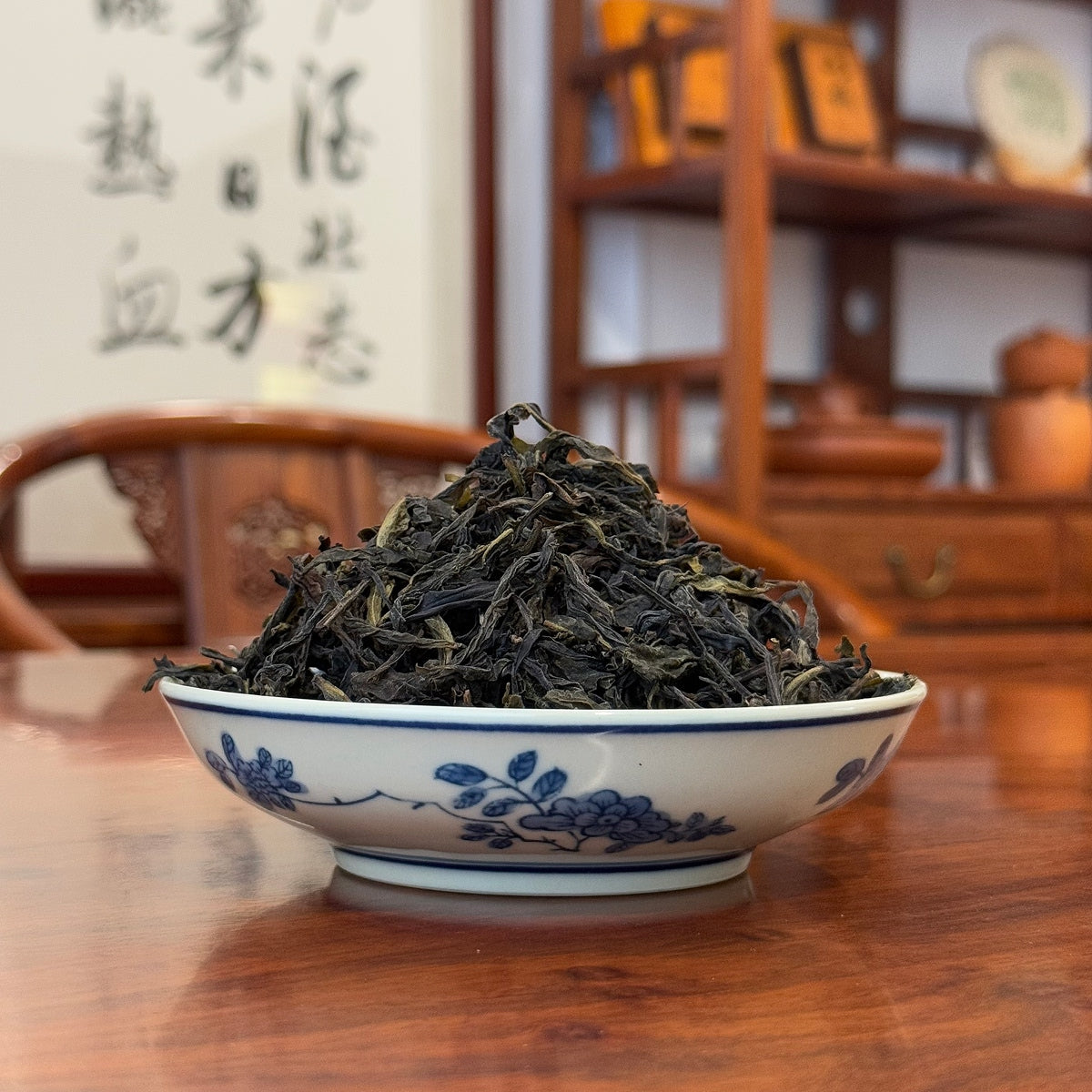
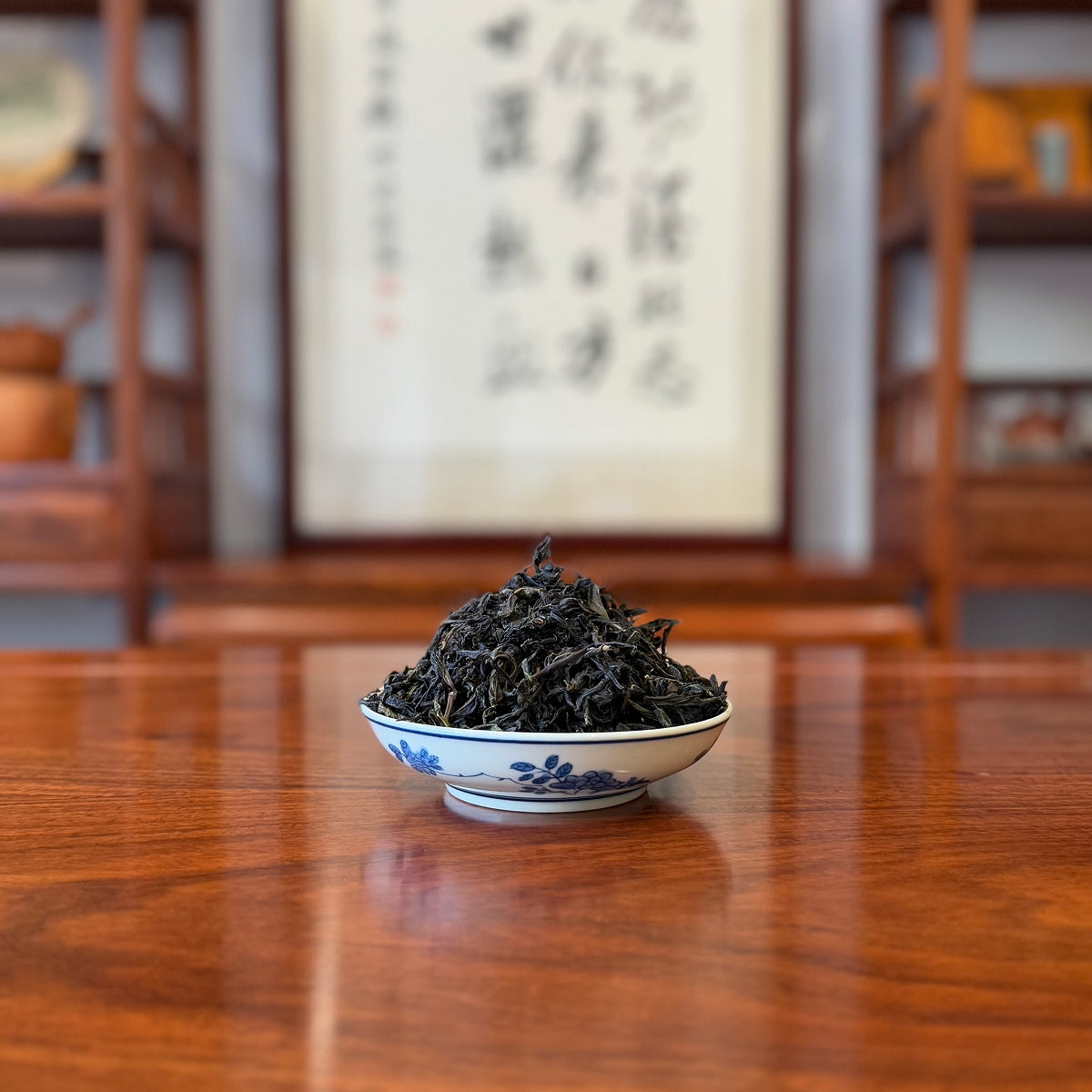
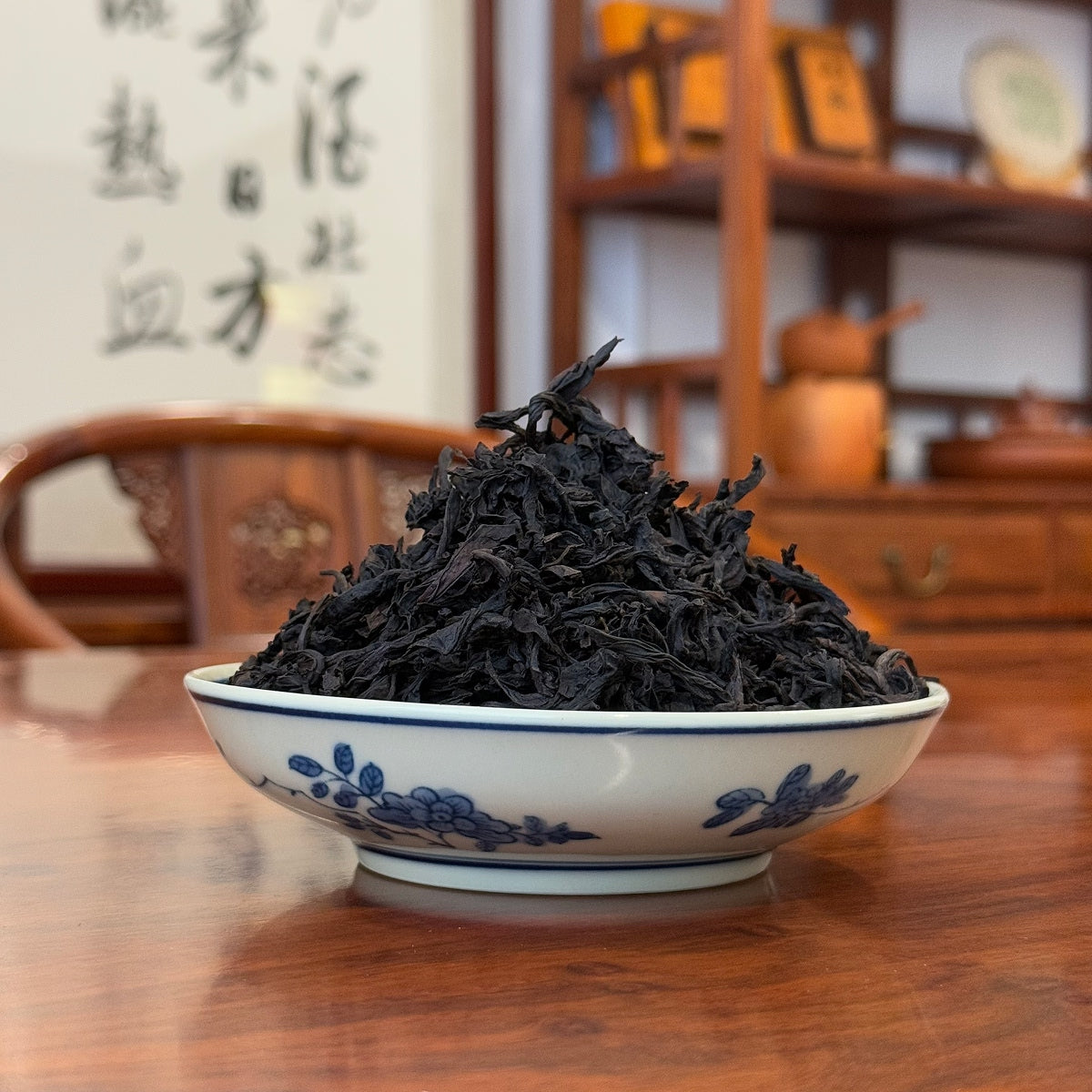
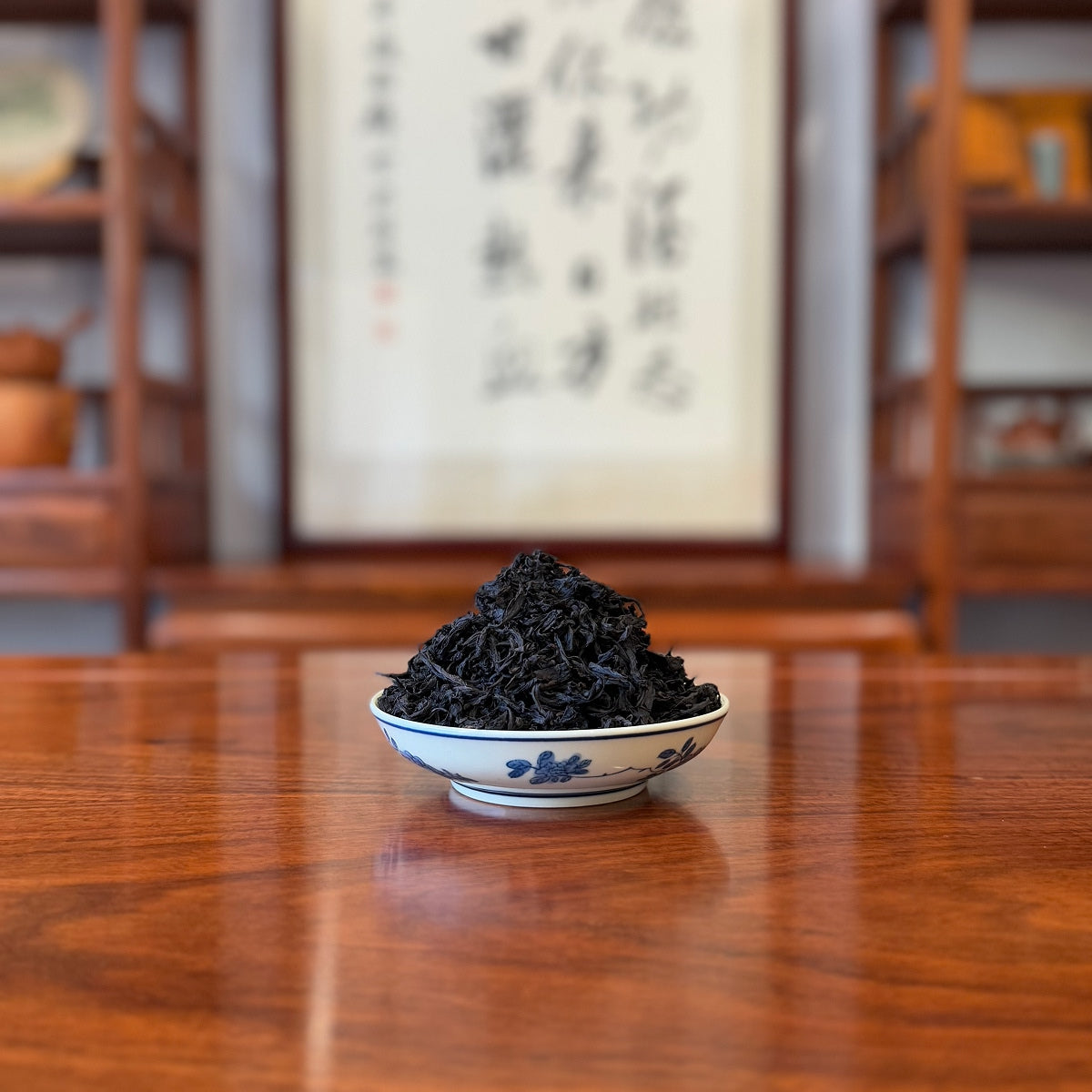
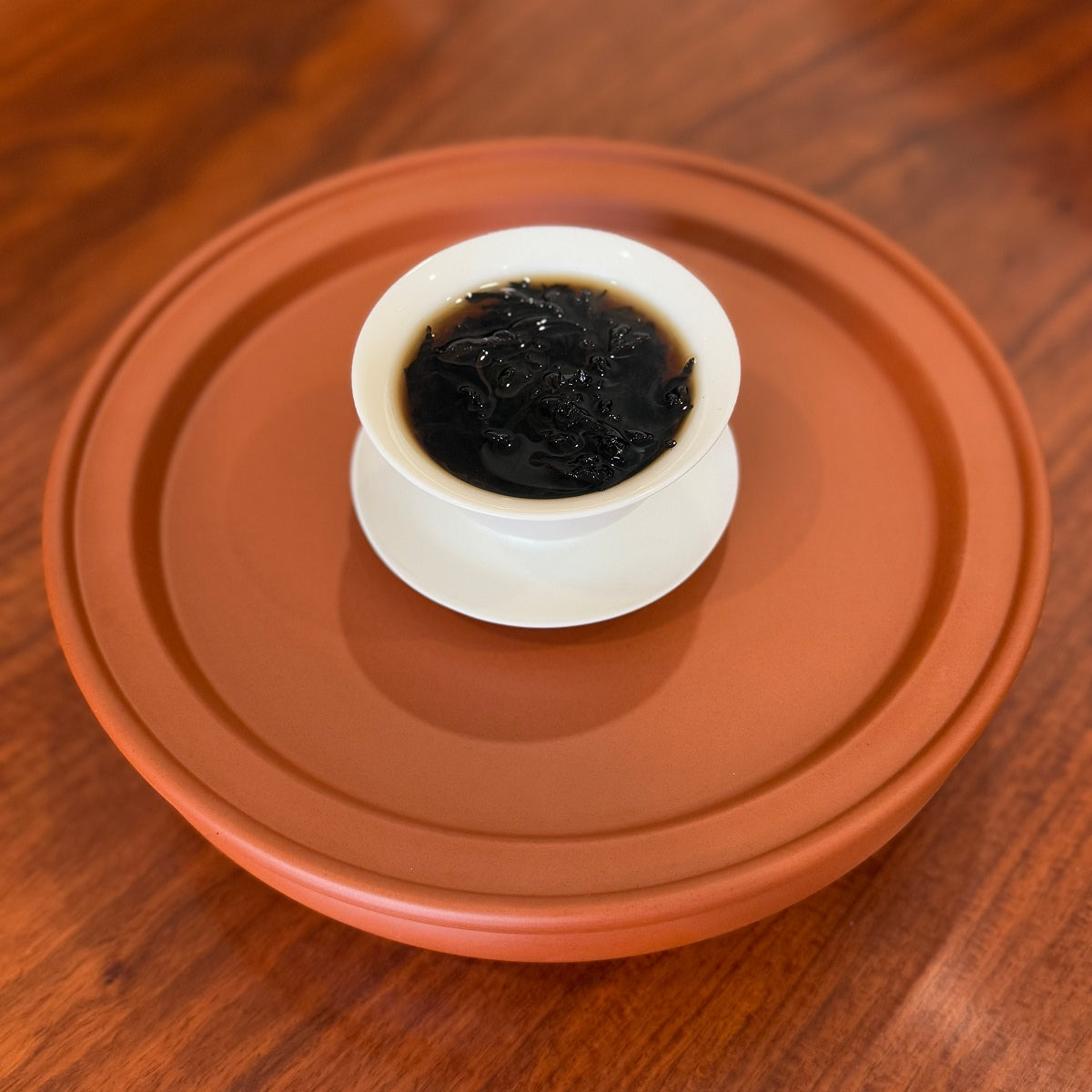
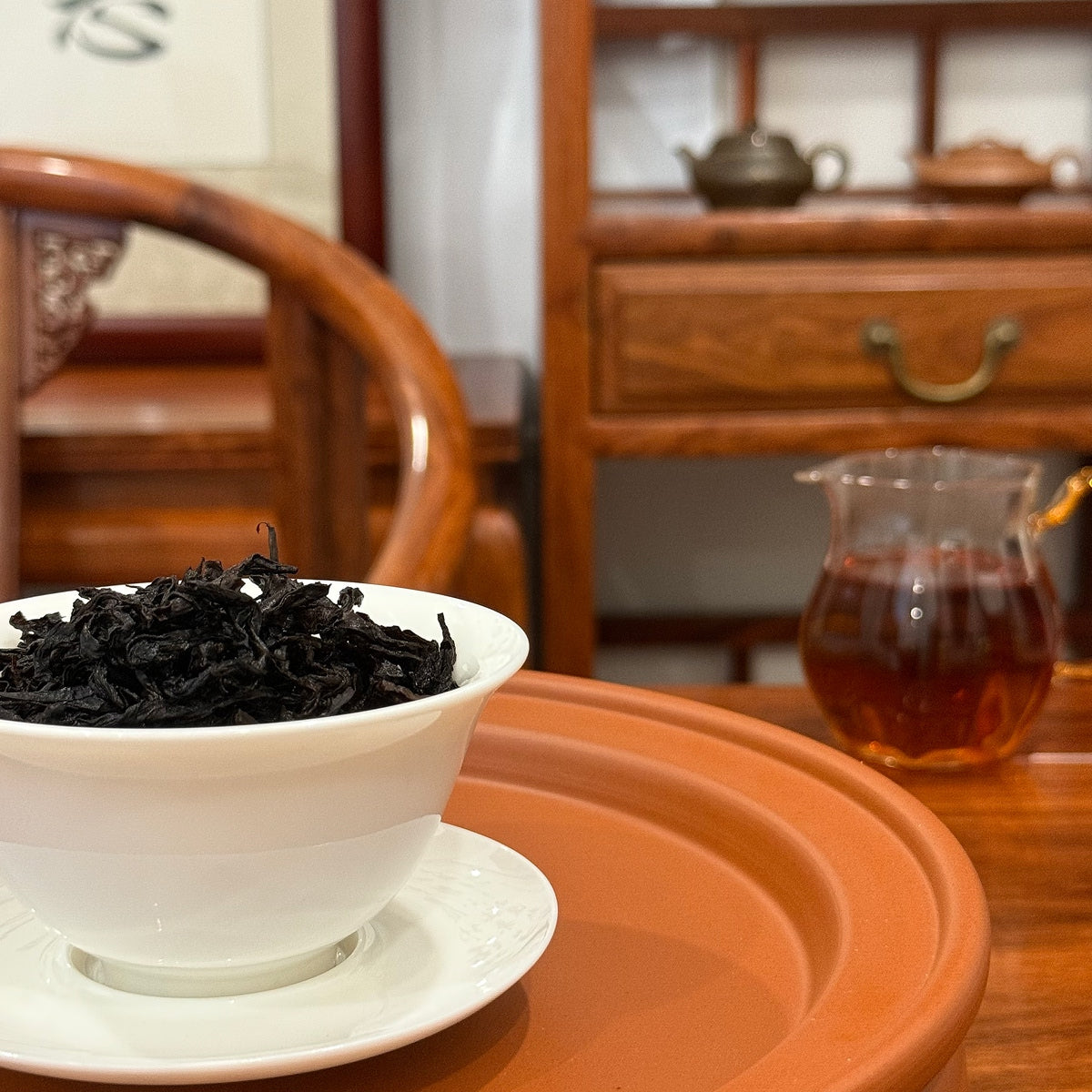
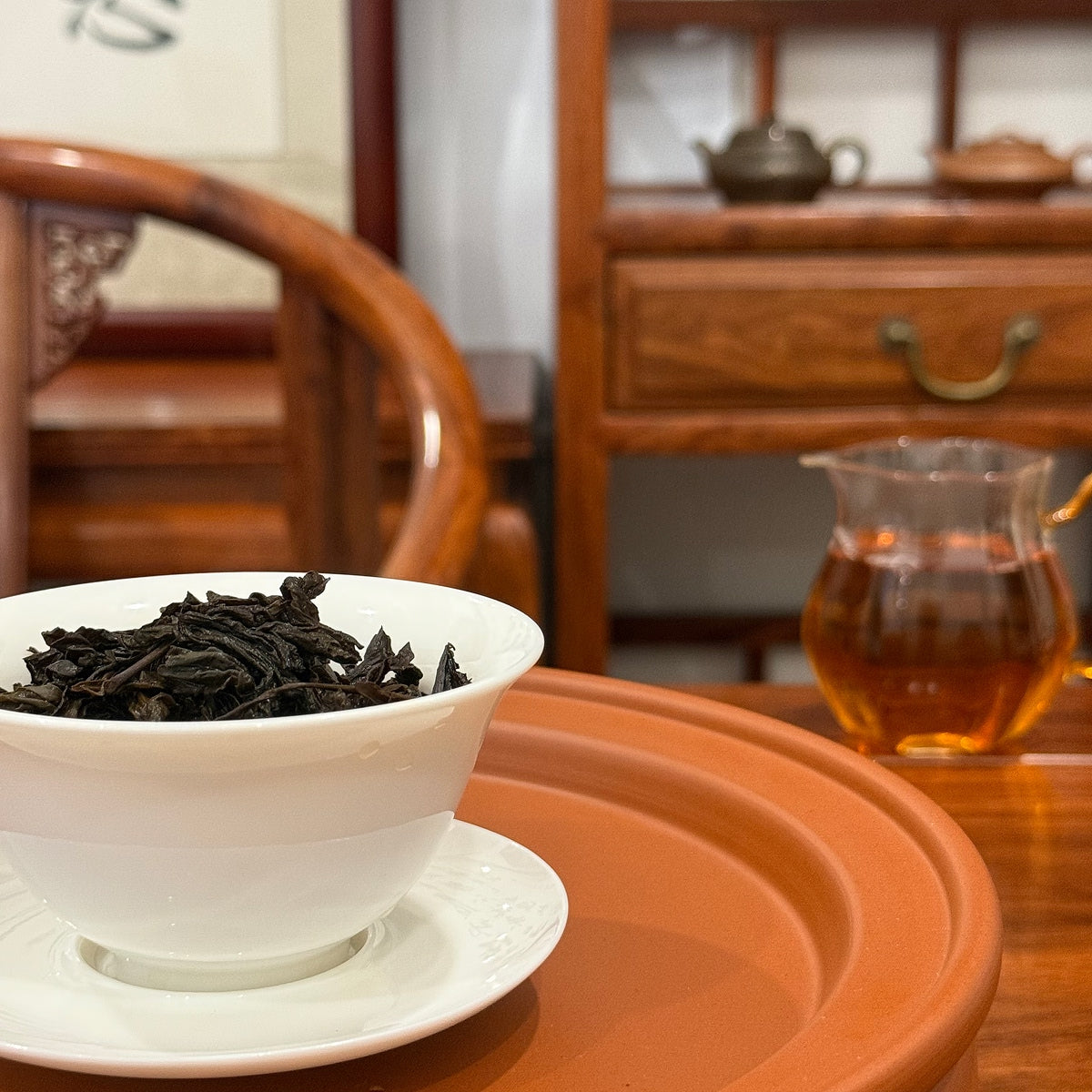
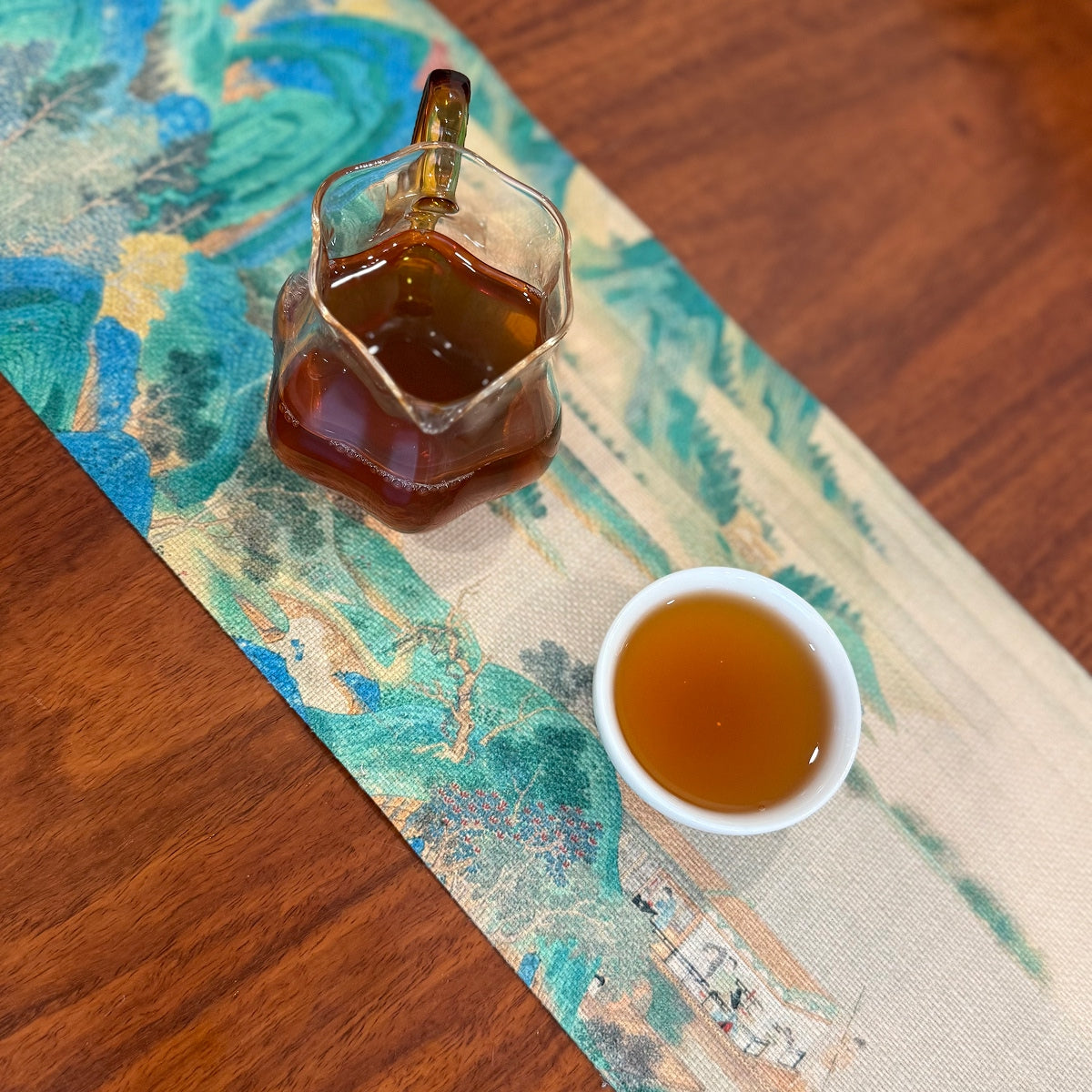
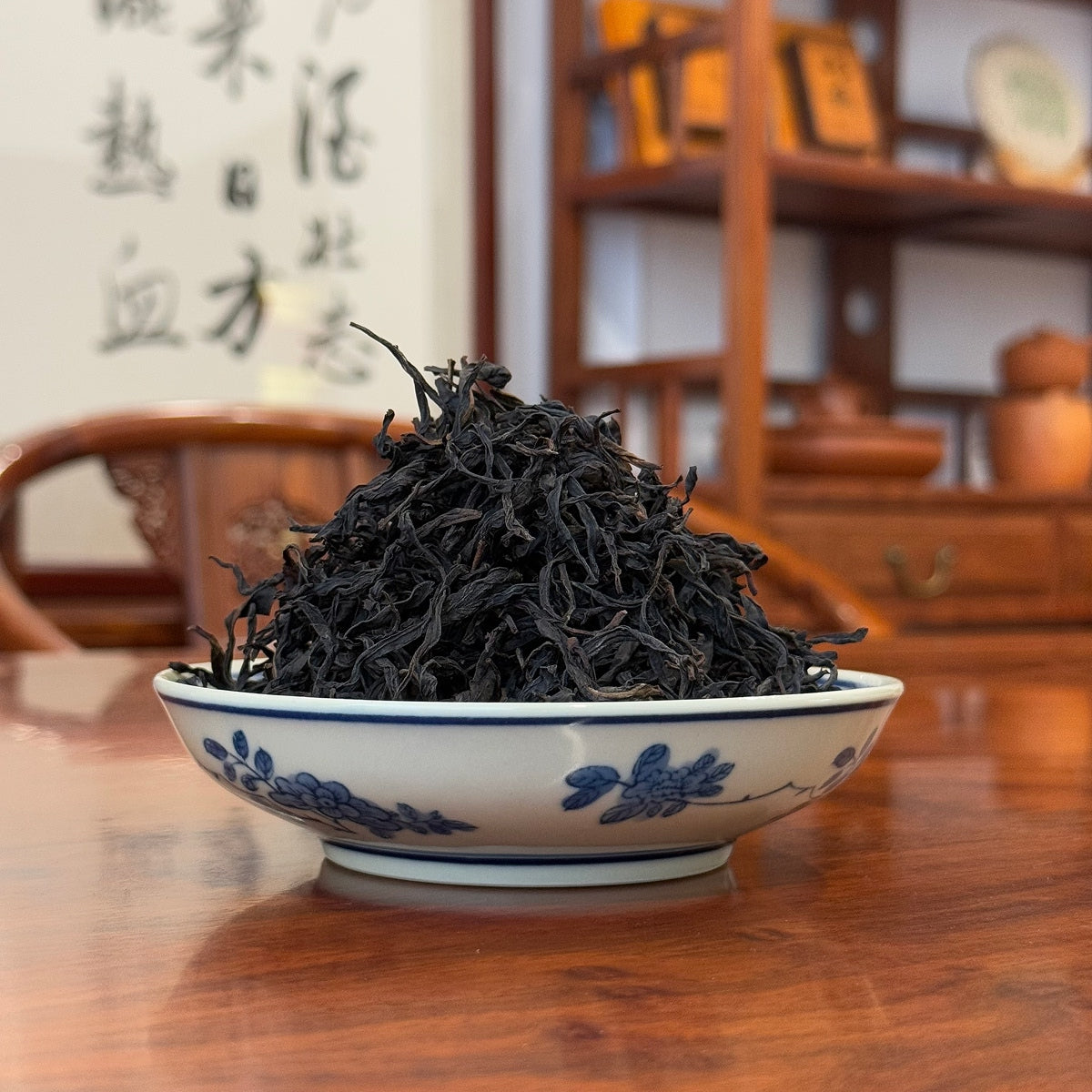
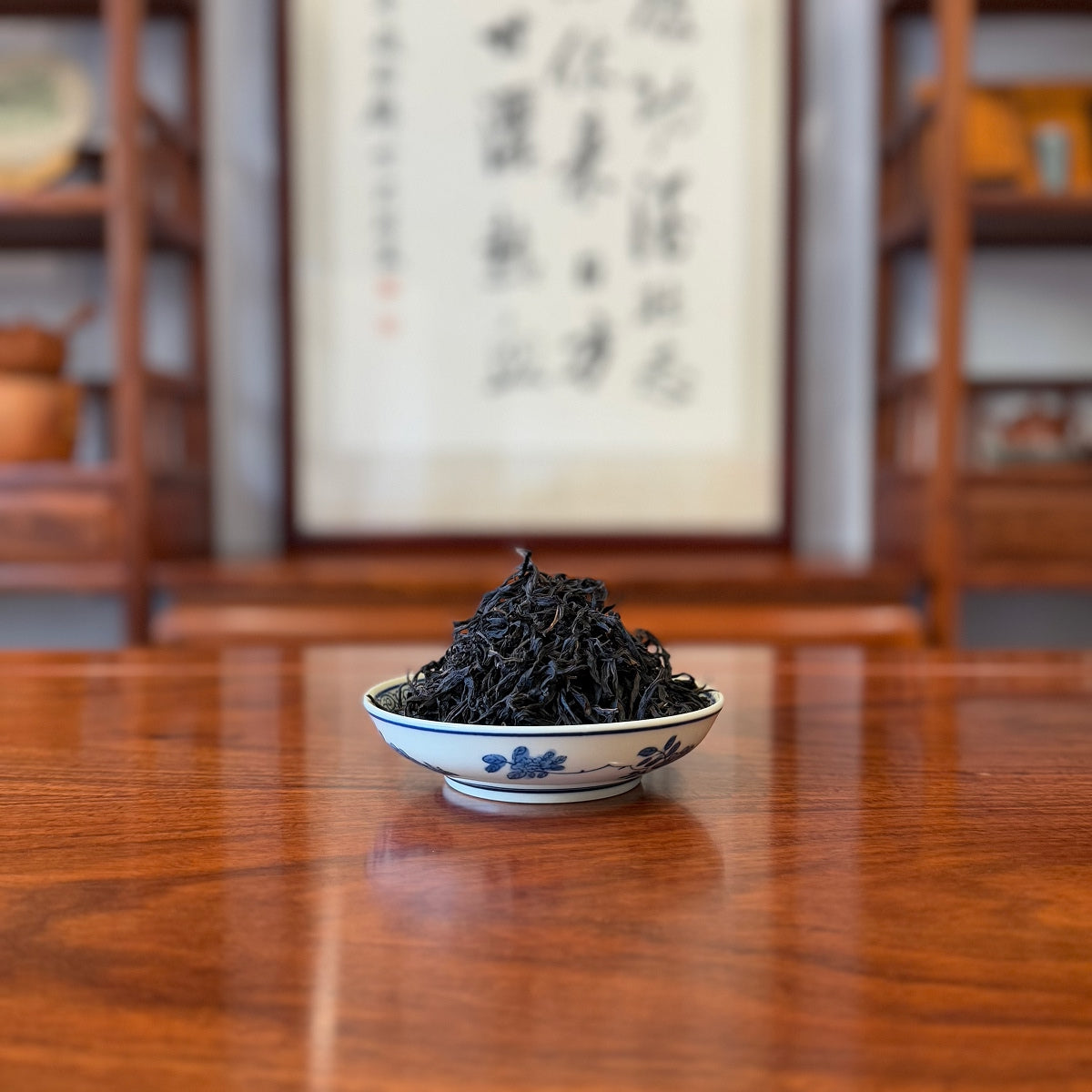
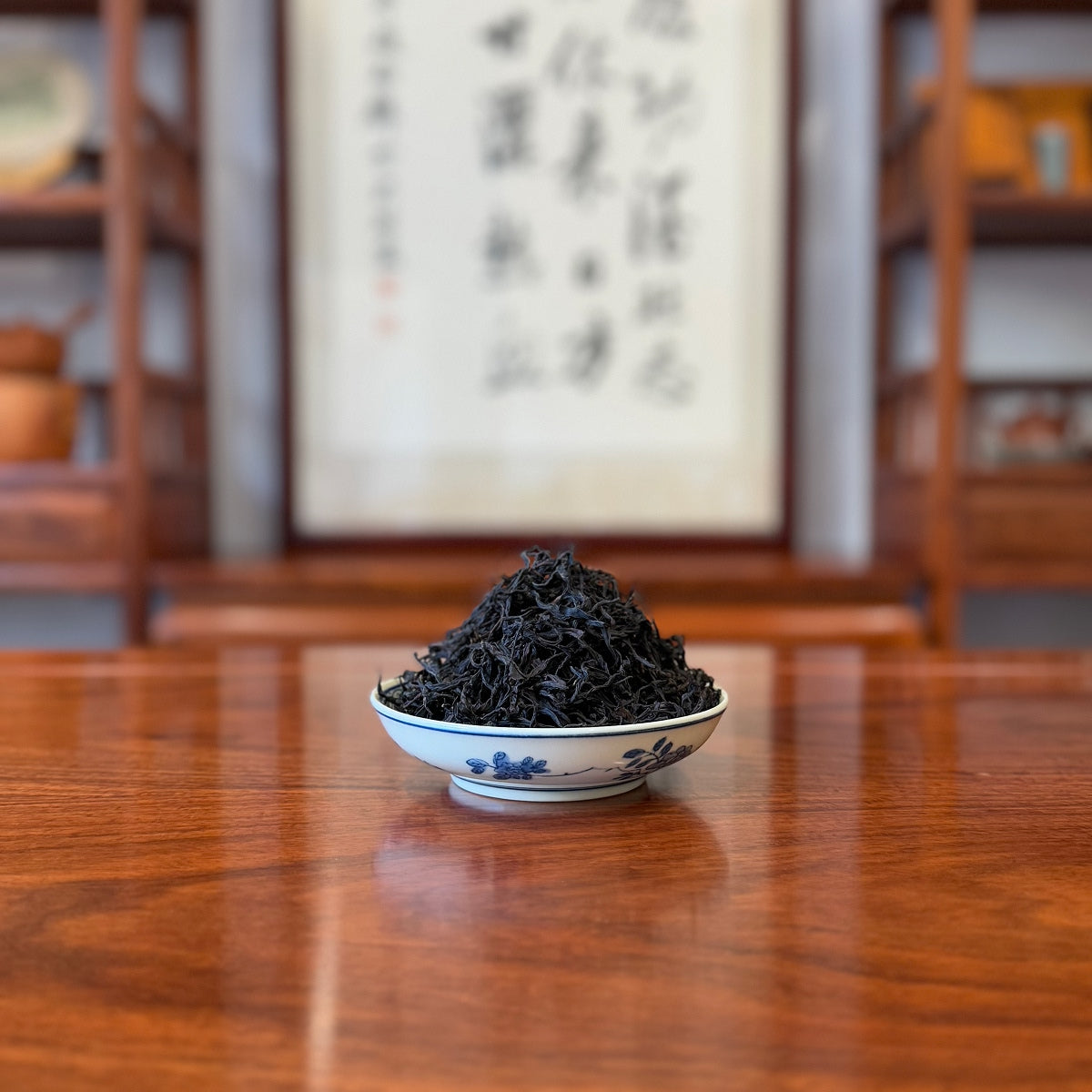
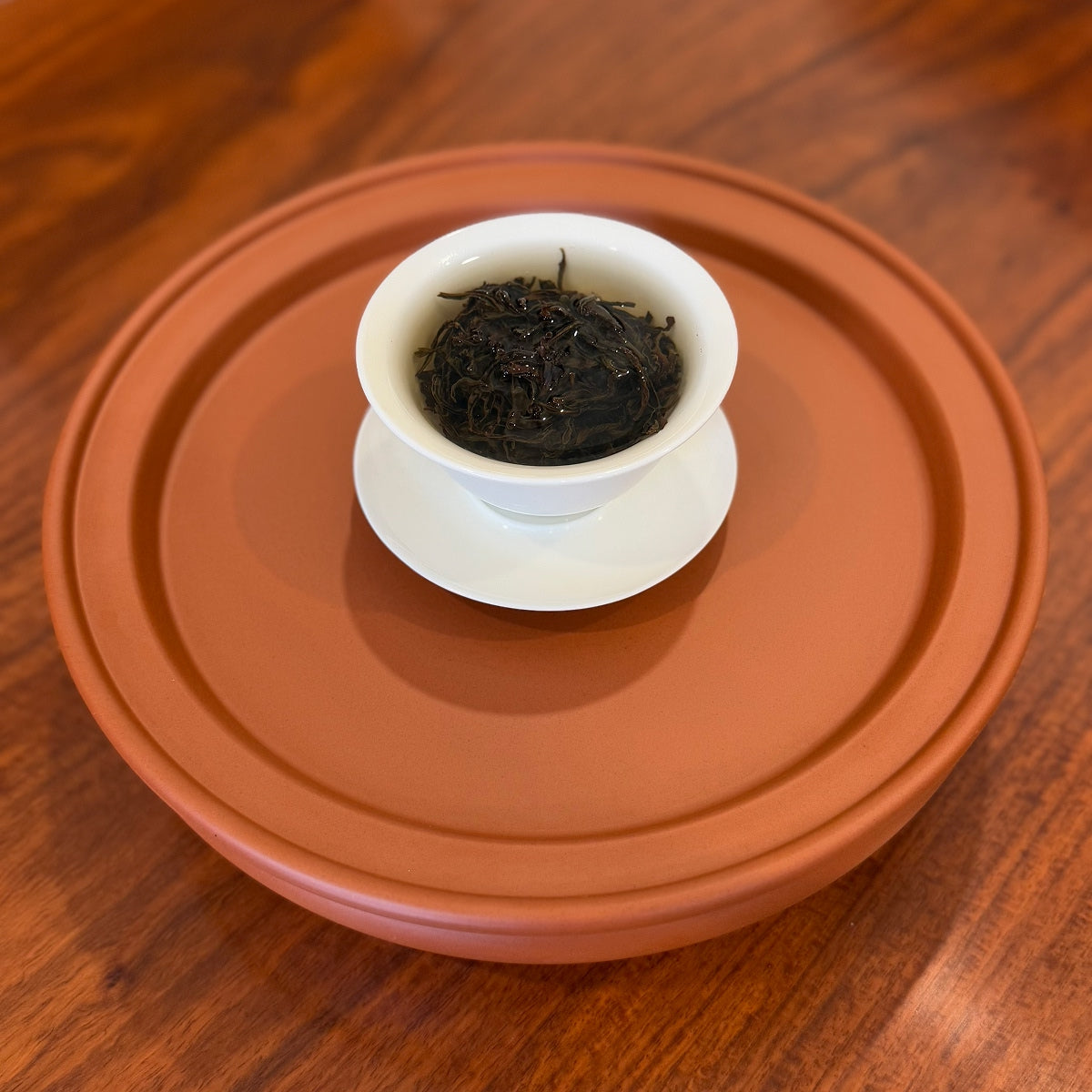
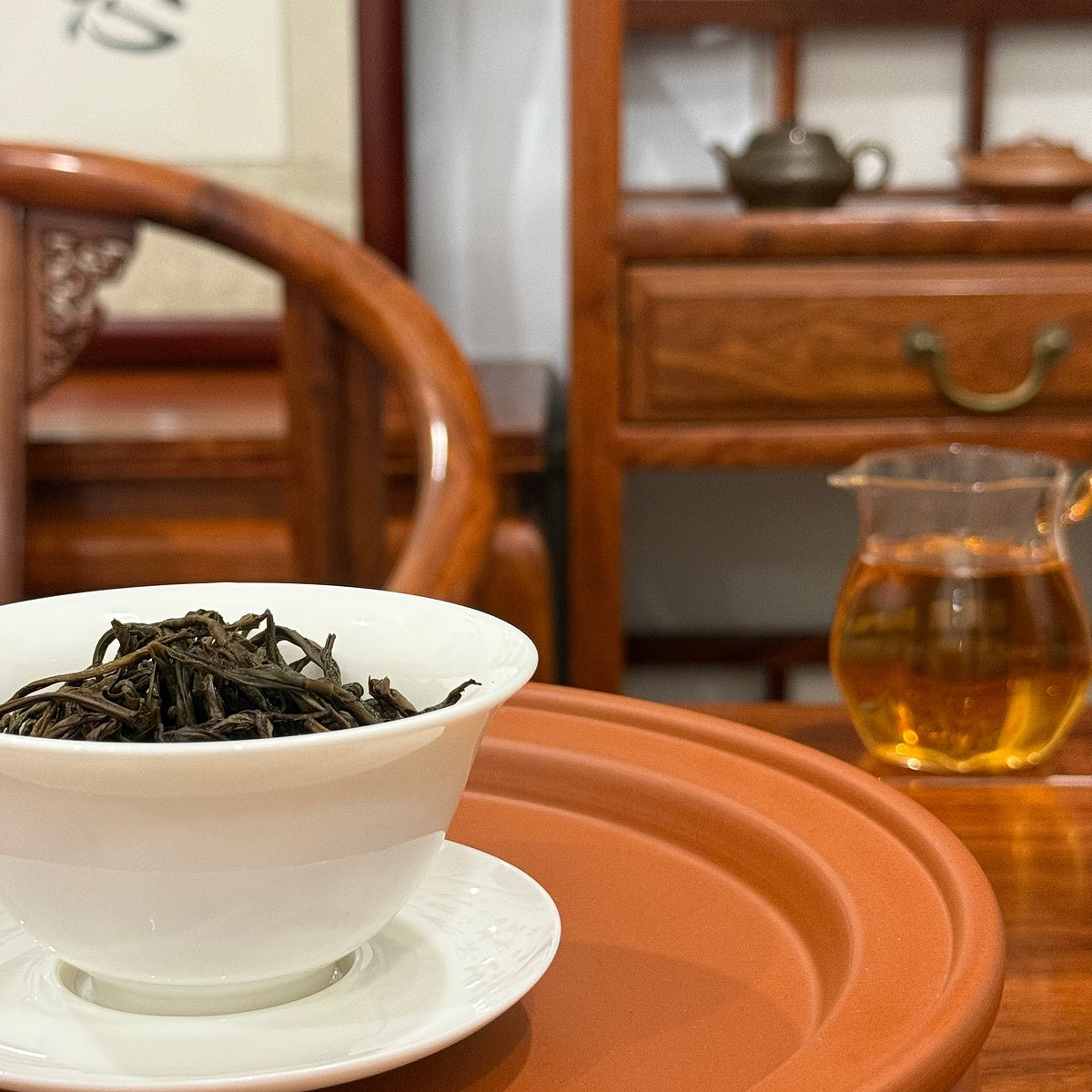
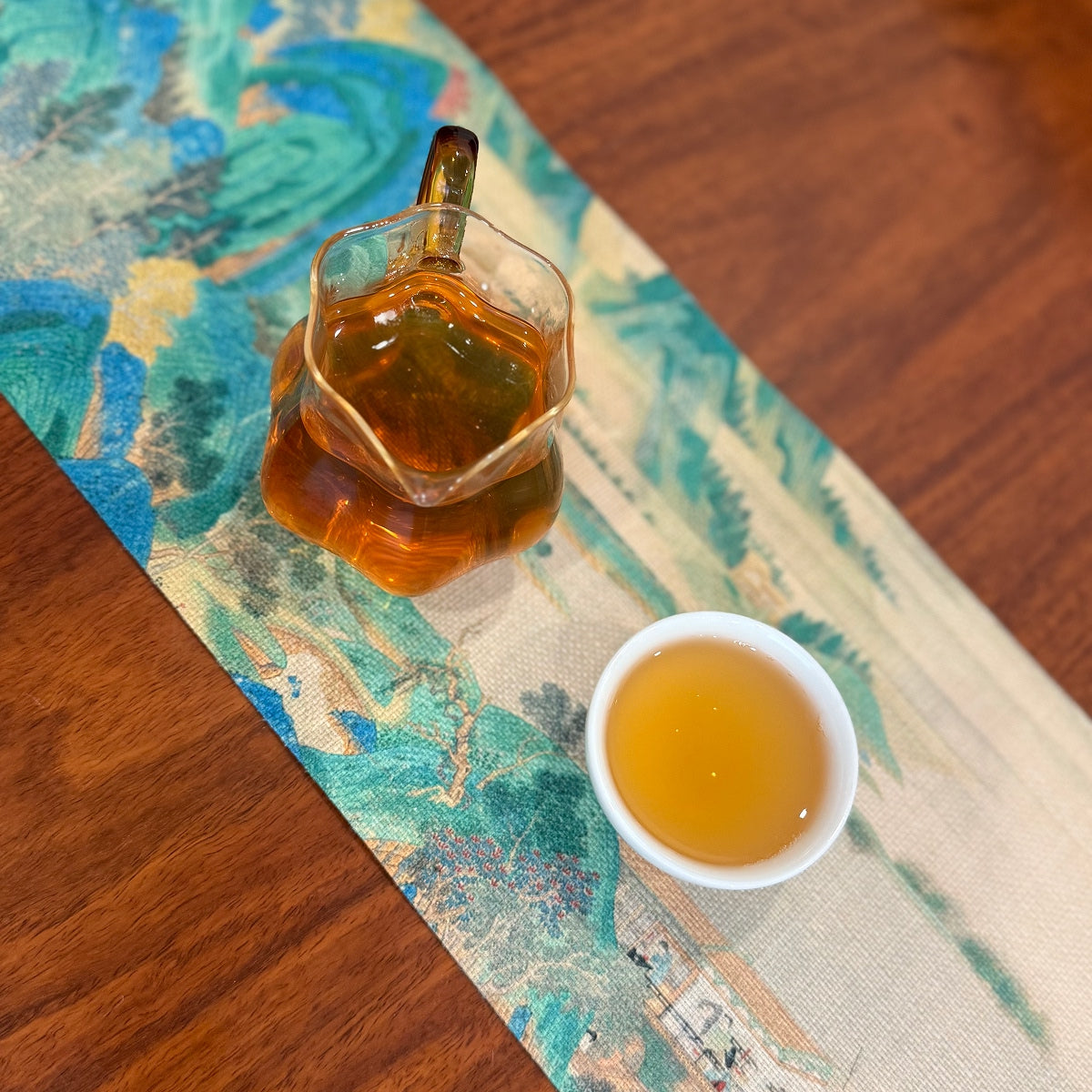
What Is Oolong Tea?
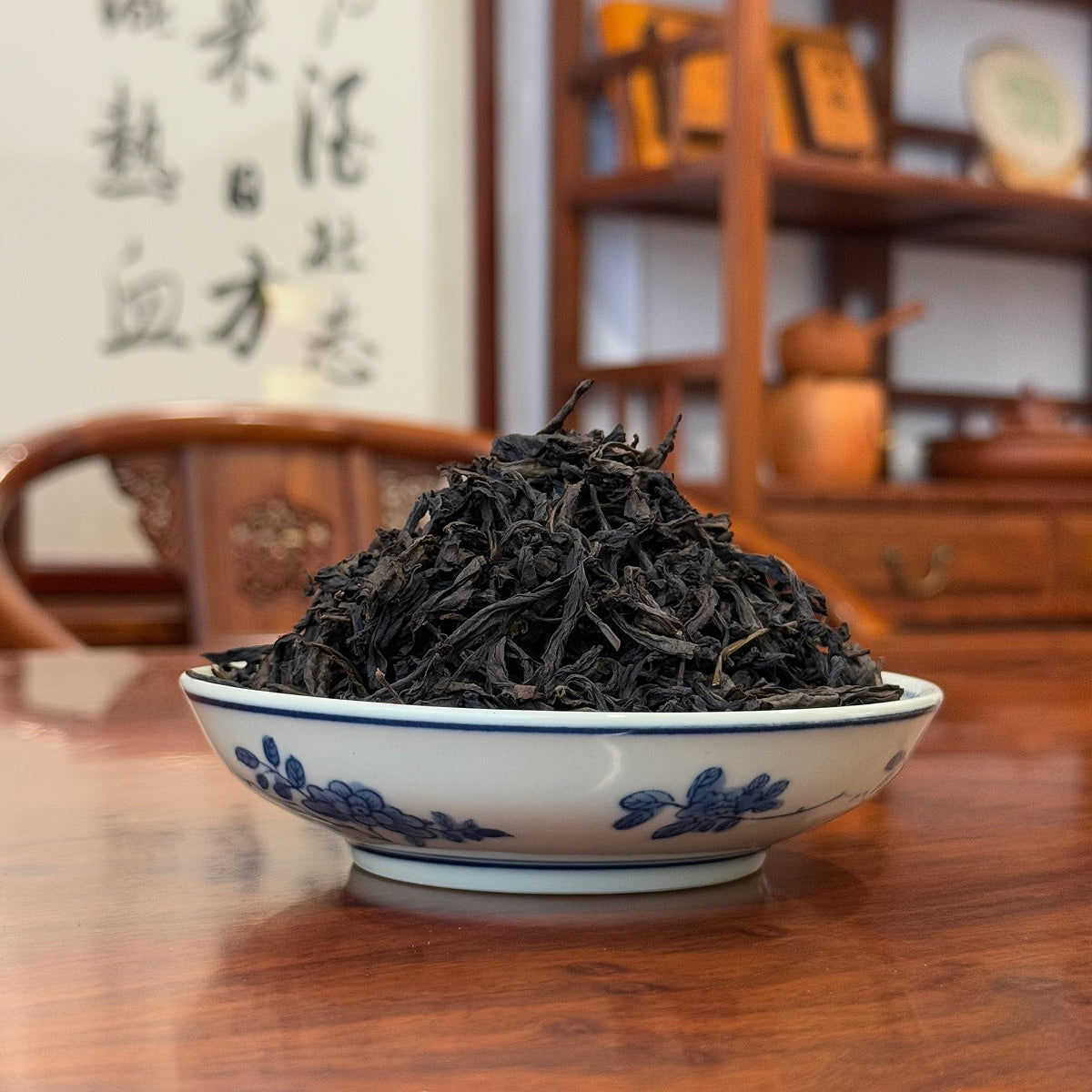
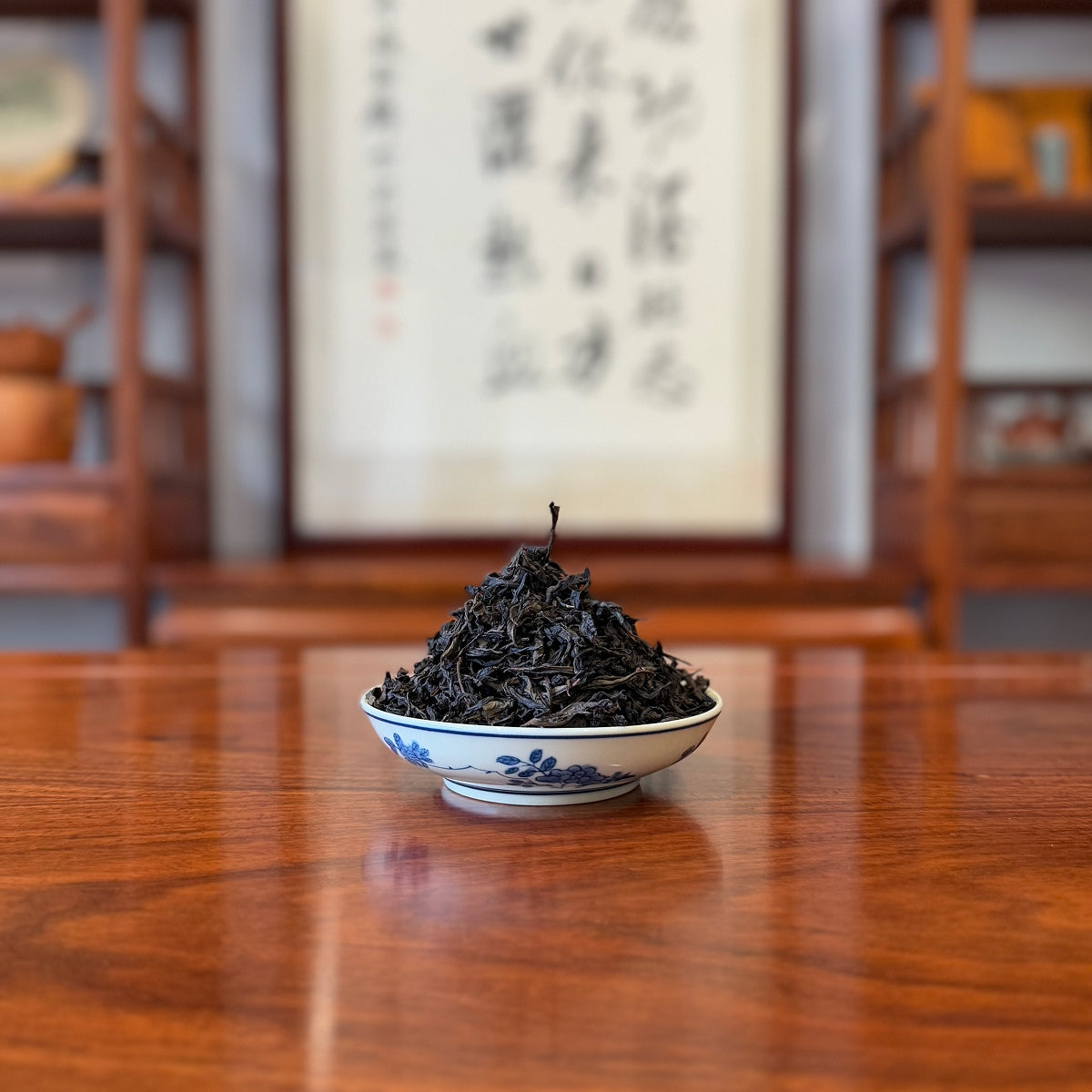
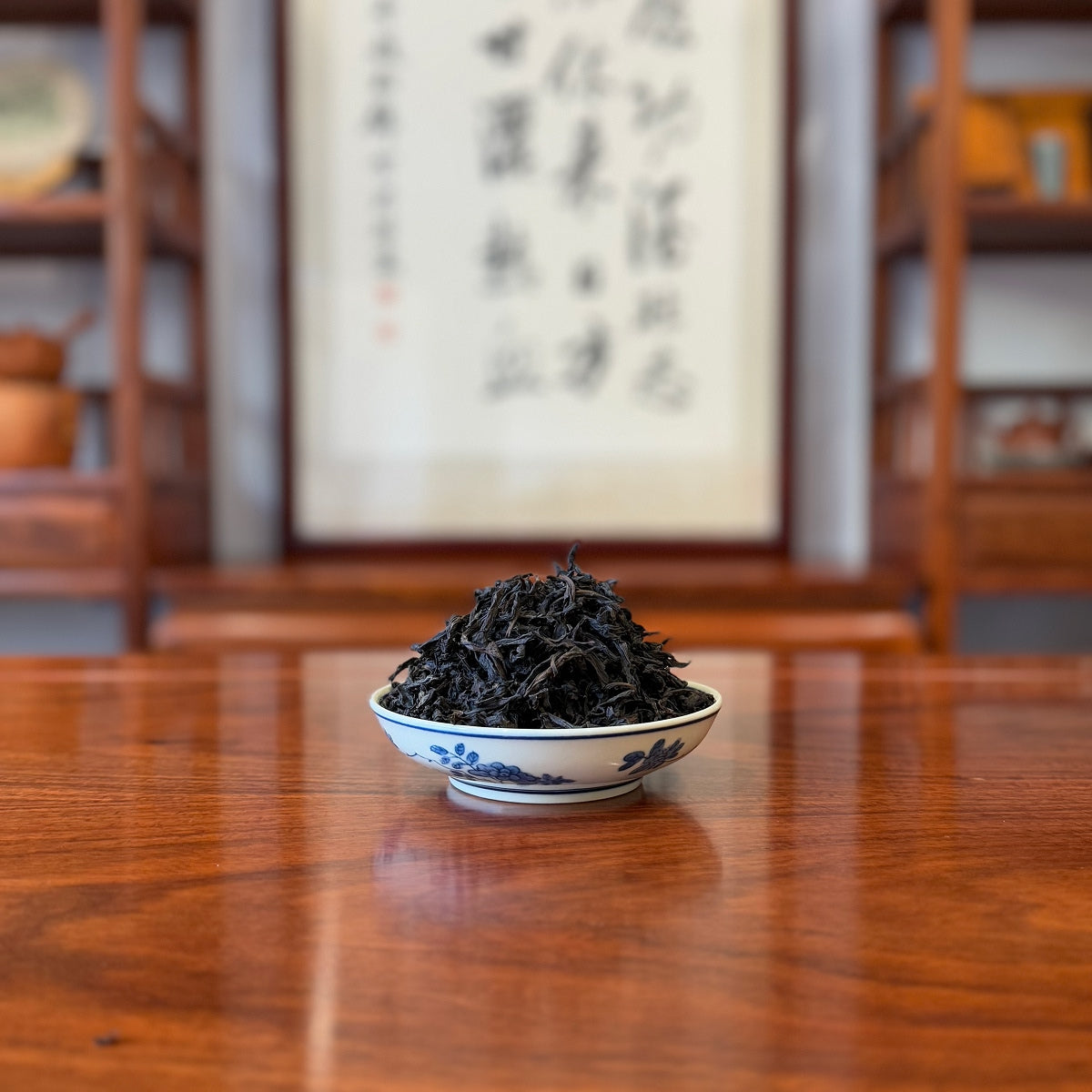
Oolong tea, known in Chinese as qingcha, is one of the six major categories of Chinese tea. It is shaped by partial oxidation and a distinctive series of processing steps—including withering, bruising or shaking, pan-firing, rolling, drying, and, for many styles, roasting—that develop the leaves’ aroma, flavor, and texture.
There is no single oxidation level or flavor that defines all Oolong tea. Some styles are lightly oxidized and intensely floral, while others develop deeper fruity, roasted, woody, or mineral characteristics. Differences in cultivar, origin, processing, oxidation, and roasting give Chinese Oolong a remarkably broad range of styles.
What Makes a Tea an Oolong?
Oolong is defined primarily by how the leaves are processed. After harvesting, the leaves are withered, often first in sunlight and then indoors, before being shaken, tossed, or turned to gently bruise parts of the leaf and encourage controlled oxidation. The leaves are then heated, usually by pan-firing, to stop further enzymatic oxidation before the tea moves through rolling or shaping, drying, and, for many styles, roasting.
The details vary considerably among Oolong traditions. How the leaves are handled, how far oxidation develops, and whether and how the finished tea is roasted all contribute to its final character. For this reason, Oolong is more accurately understood through its processing than simply as a tea “between” Green Tea and Black Tea.
Although Oolong is sometimes described as a “half-fermented” or “semi-fermented” tea, modern tea science more precisely describes its key transformation as partial enzymatic oxidation rather than fermentation.
A Brief History of Oolong Tea
The history of Oolong tea is deeply rooted in Fujian. Long before Oolong emerged as a distinct tea category, northern Fujian was already one of China’s important tea-producing regions. During the Song Dynasty (960–1279), the Beiyuan imperial tea gardens near present-day Jian’ou became famous for compressed tribute teas, including the celebrated Long Tuan Feng Bing (Dragon-Phoenix Cake Tea). These teas were not Oolong, but they show the long history of sophisticated tea production in Fujian that preceded Oolong’s later development.
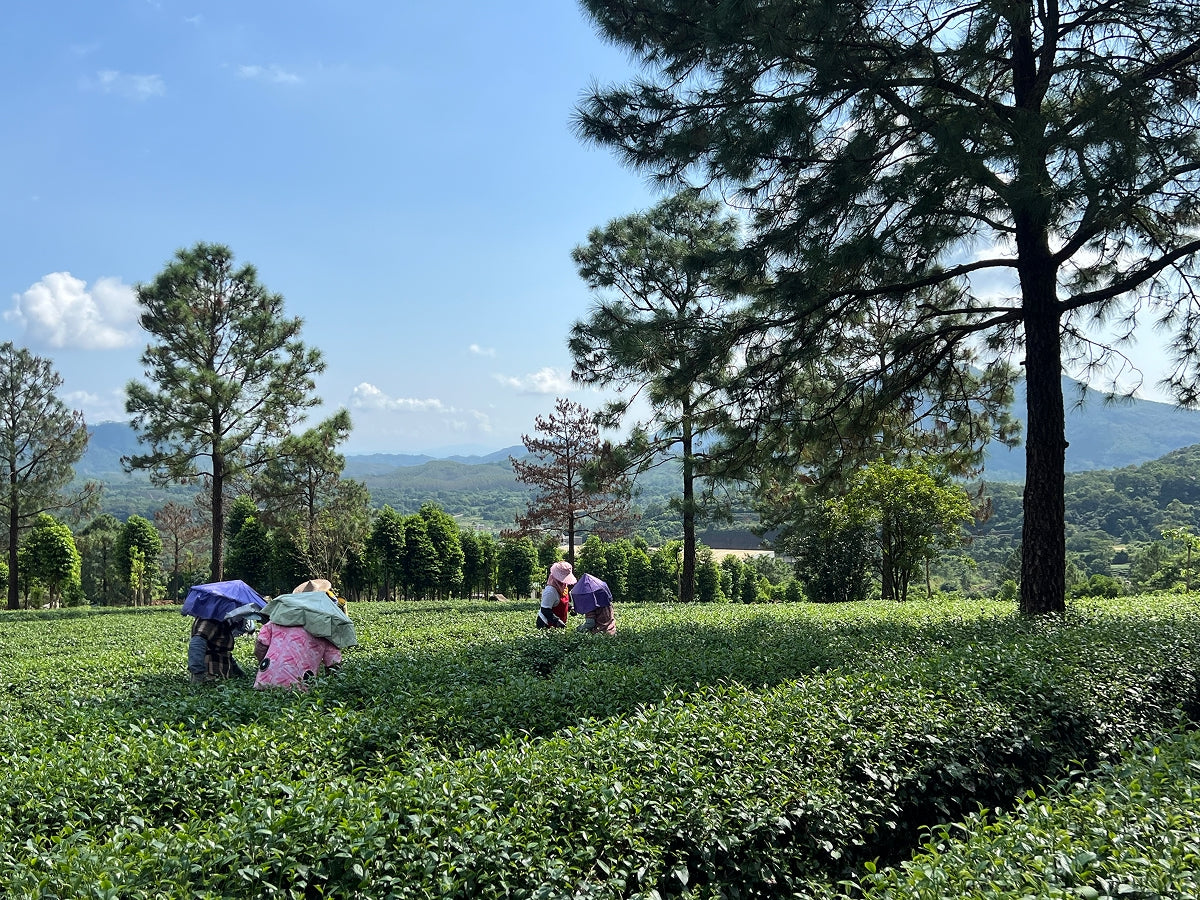
One traditional account describes tea pickers carrying fresh leaves in bamboo baskets. A full basket could take much of the day to pick, and as the leaves were carried down the mountain, they rubbed against one another and became lightly bruised along the edges. Such accounts are better understood as traditional explanations than as documented history, but they offer a glimpse of how people later explained the leaf handling associated with Oolong making.
The processing methods associated with Oolong—withering, bruising or shaking the leaves, partial oxidation, and fixation—are generally understood to have developed gradually in Fujian during the late Ming to early Qing period (roughly the 17th century). Wuyi Rock Tea and the Oolong traditions of Anxi became two of the most influential styles to emerge from Fujian.
Oolong-making traditions later spread and developed in other regions. In Guangdong, Phoenix Dan Cong evolved into a distinctive regional tradition known for its highly aromatic character and diverse cultivars and aroma types. Oolong production also developed in Taiwan, drawing historically on tea plants, knowledge, and processing traditions introduced from Fujian while gradually forming its own regional styles.
Fujian is therefore generally regarded as the birthplace of Oolong tea, while its later development in Guangdong, Taiwan, and elsewhere gave rise to a wide range of regional traditions.
Why Can Oolong Teas Taste So Different?
Origin and cultivar establish much of a tea’s underlying character, while processing—especially the management of oxidation and roasting—shapes how those qualities develop in the finished tea.
Different combinations can produce floral, fruity, honeyed, roasted, woody, or mineral characteristics, along with noticeable differences in body, texture, and mouthfeel. Even within the same regional tradition, differences in cultivar and craftsmanship can result in distinctly different teas.
Phoenix Dan Cong, Tie Guan Yin, and Wuyi Rock Tea, for example, all belong to the Oolong category but represent very different regional and processing traditions. One Oolong may be light, floral, and highly aromatic, while another may be deeper, fruitier, more roasted, or more mineral in character—yet both are unmistakably Oolong.
Where Does Chinese Oolong Tea Come From?
The Oolong teas regularly represented in our collection mainly come from Fujian and Guangdong, two of the most important regions in the history and development of Chinese Oolong tea.
In Fujian, the Wuyi Mountains are known for Wuyi Rock Tea, including teas such as Da Hong Pao, Rou Gui, and Shui Xian, while Anxi is closely associated with Tie Guan Yin.
In Guangdong, the Phoenix Mountain area is known for Phoenix Dan Cong, where different cultivars and aroma types produce their own distinctive profiles.
We also periodically offer Taiwan Oolong teas when we find individual batches that meet our standards for quality and consistency. Because these teas are selected by batch rather than maintained as a permanent range, they may be removed from the collection once a batch sells out and return when another suitable batch becomes available.
These regional traditions provide a practical starting point for choosing Oolong tea: first consider the origin and style that appeal to you, then compare individual teas within that tradition.