Loose Leaf Pu-erh Tea

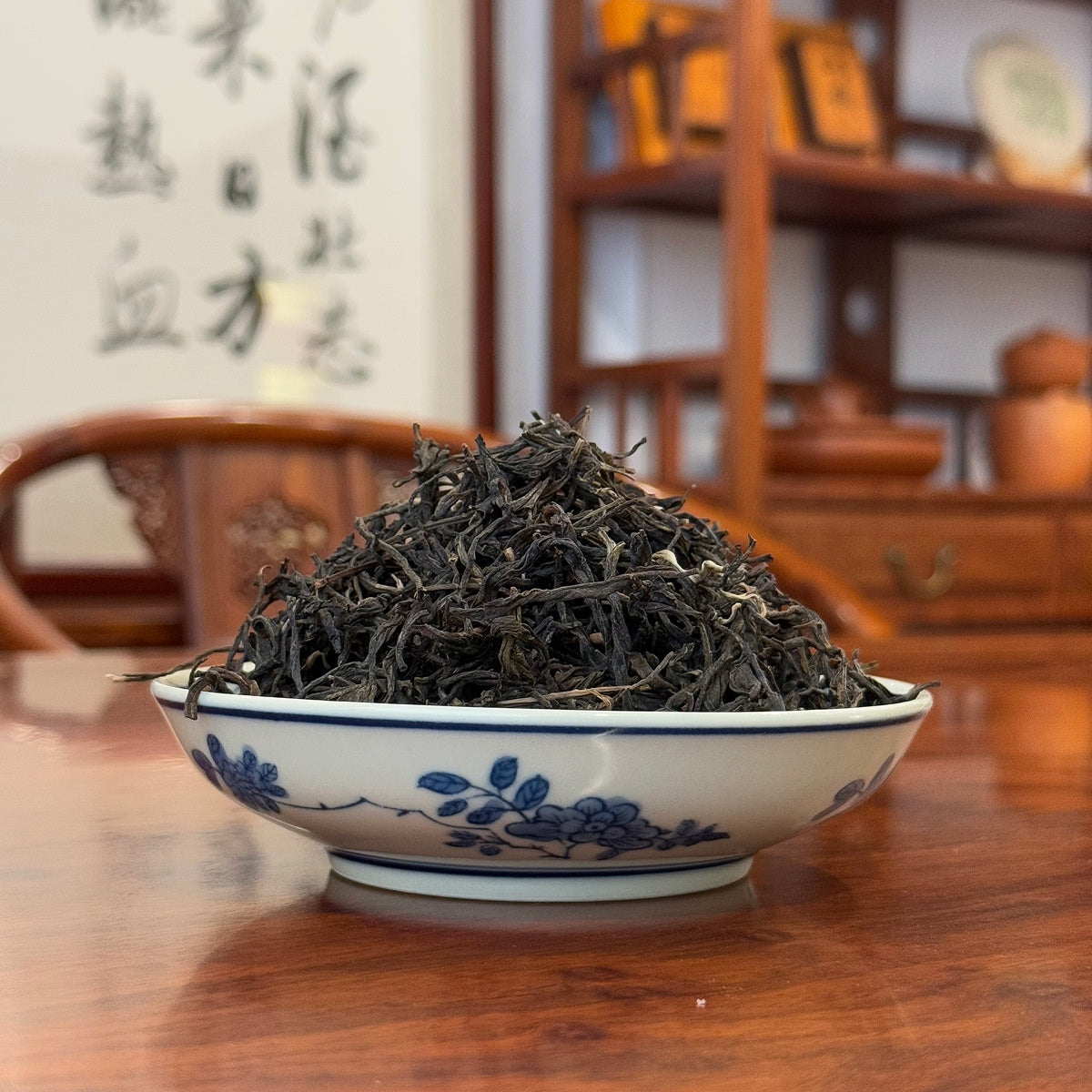
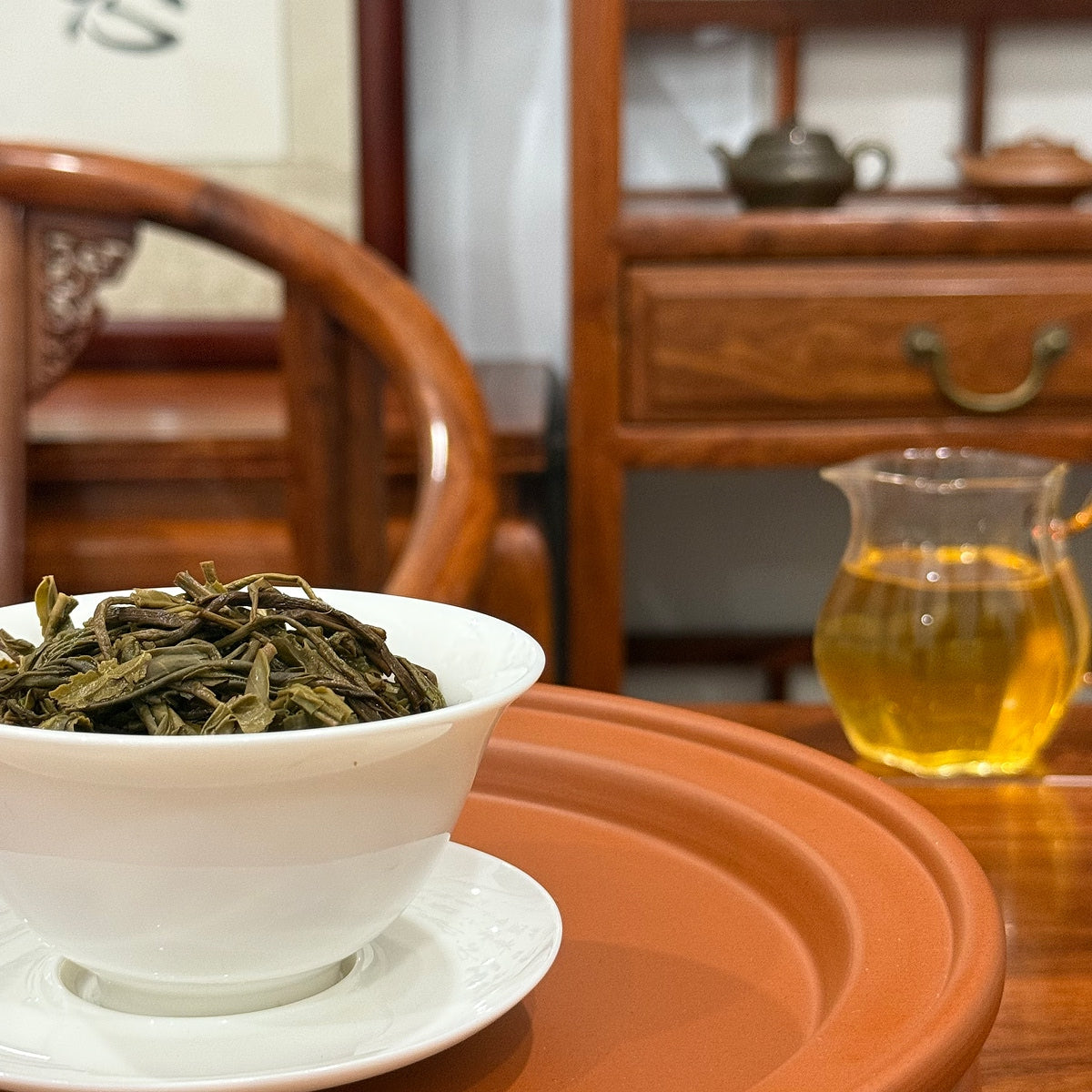
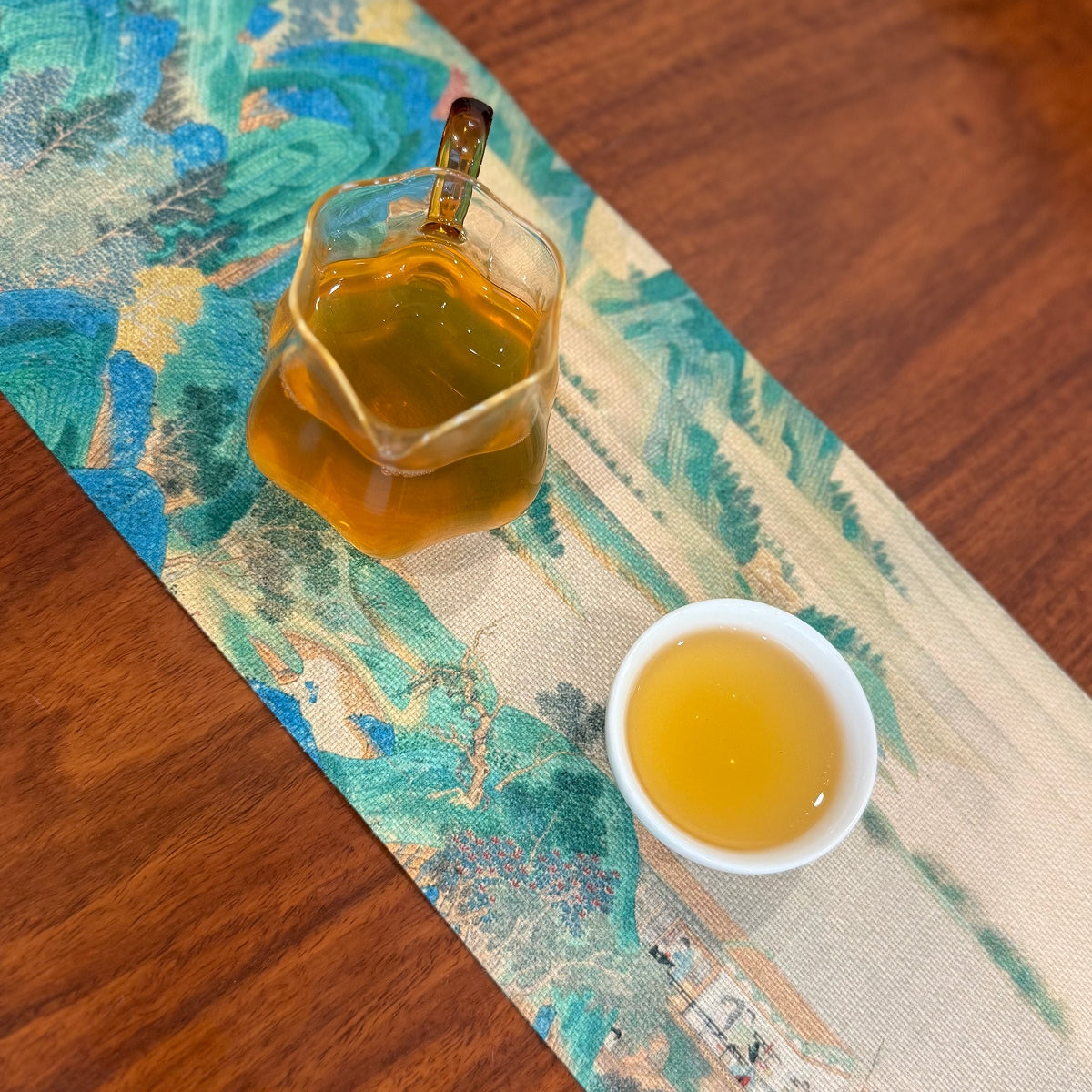
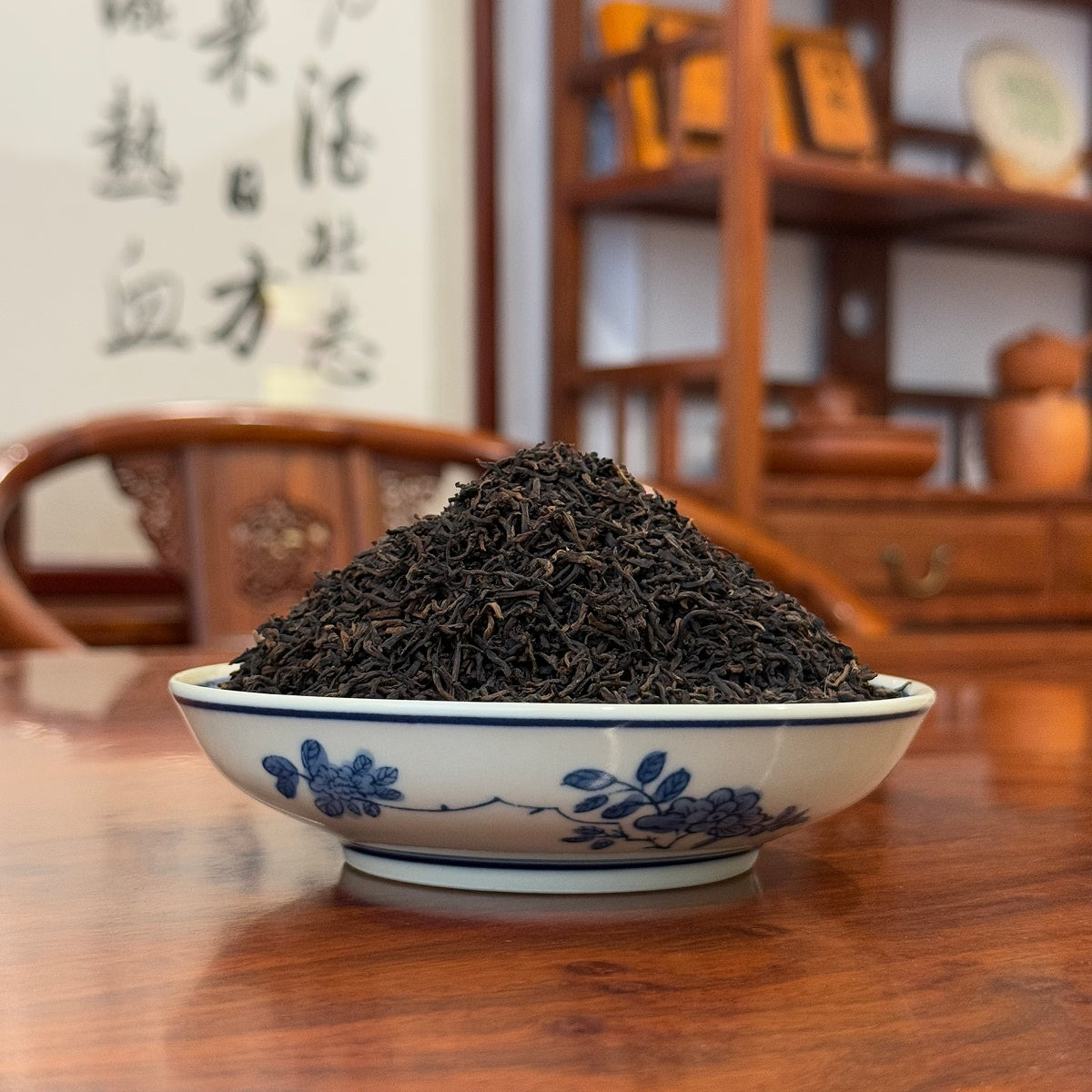
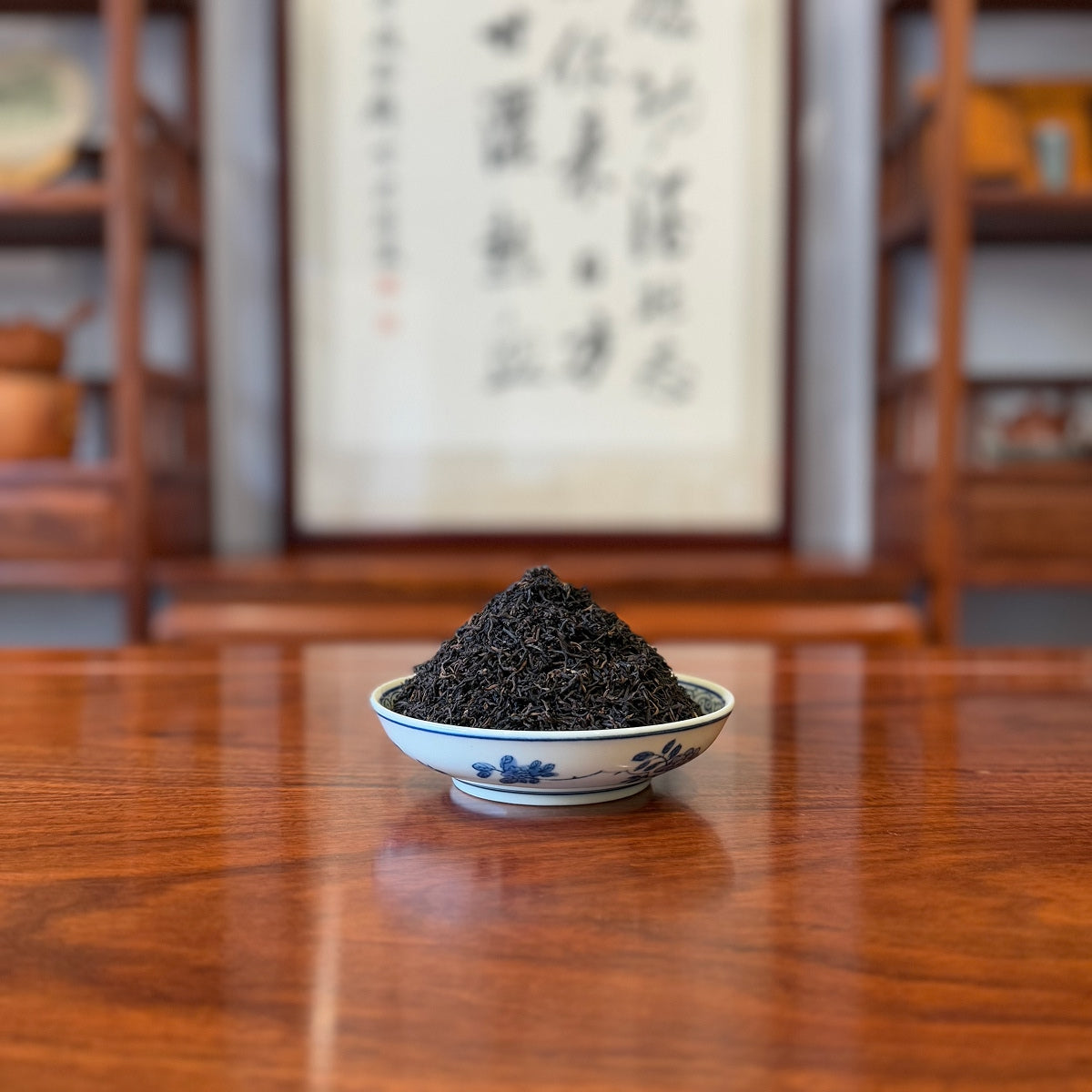
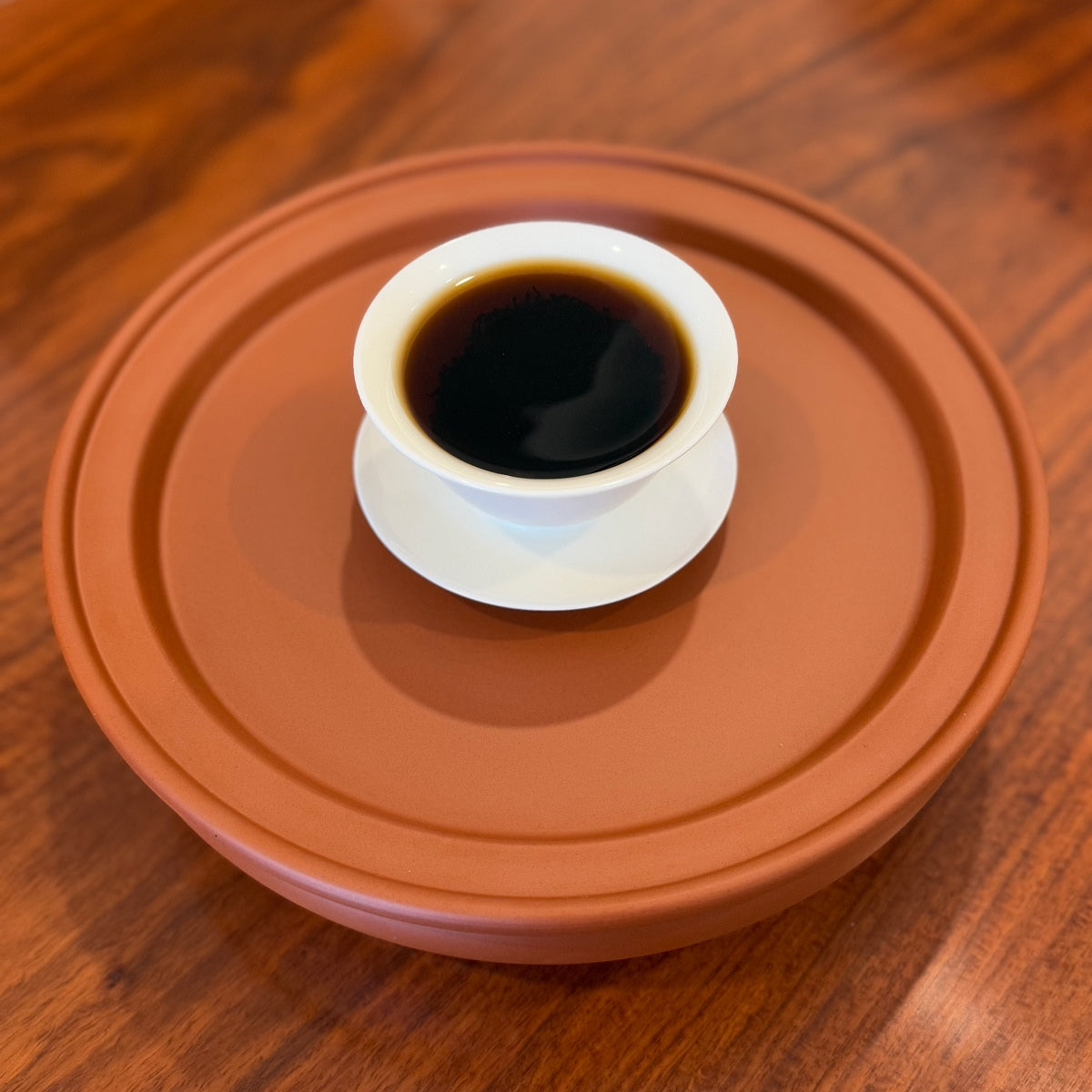
Explore loose leaf Pu-erh tea from Yunnan, China, including both Raw (Sheng) and Ripe (Shou) Pu-erh. Raw loose leaf Pu-erh is traditionally known as Yunnan large-leaf sun-dried mao cha, while Ripe loose leaf Pu-erh is made from sun-dried mao cha through wet-pile fermentation.
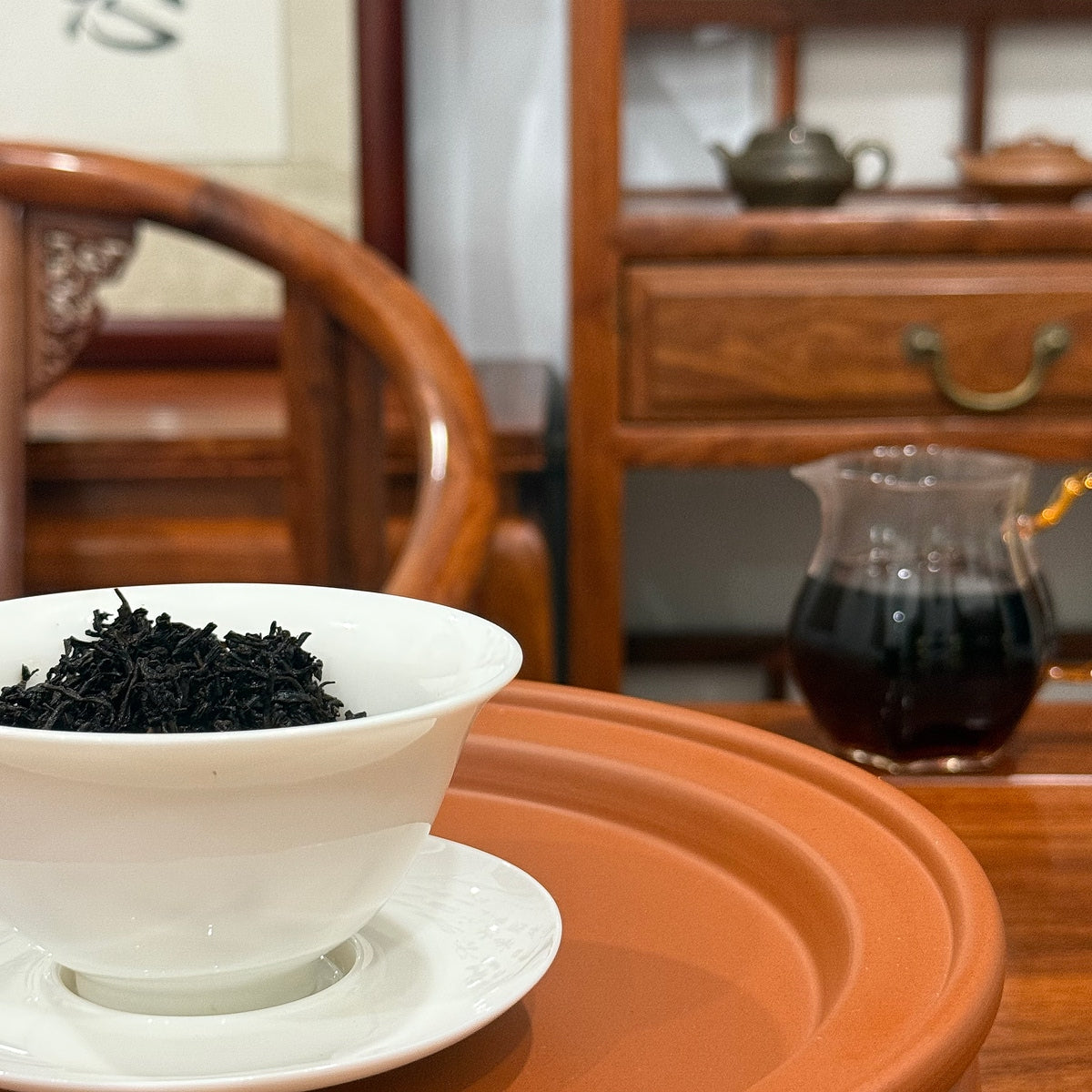
Unlike compressed Pu-erh tea cakes, Pu-erh tea in loose leaf form can be measured and brewed directly without first prying apart the leaves.

Skip to results list

Active filters:

5 items

Filter

Active filters:

  • Loose Leaf Raw Pu-erh Tea – 2021 Menghai

    Loose Leaf Raw Pu-erh Tea – 2021 Menghai

    Yunnan Pu-erh (Pu’er)

    $32.00
  • Loose Leaf Shou Pu-erh Tea – 2012 Imperial Grade

  • Loose Leaf Ripe Pu’er Tea – 2019 Gong Ting Grade

  • Loose Leaf Raw Pu-erh Tea – 2022 Bing Dao

    Loose Leaf Raw Pu-erh Tea – 2022 Bing Dao

    Yunnan Pu-erh (Pu’er)

    $52.00
  • Yunnan Loose Leaf Raw Pu-erh Tea Gift Box – 2017 Aged

    Yunnan Loose Leaf Raw Pu-erh Tea Gift Box – 2017 Aged

    Best-Selling Tea Gifts from Our Tea House

    $560.00

Signature Teas

View all

About Our Loose Leaf Pu-erh Tea Collection

This collection brings together the loose leaf Pu-erh teas available from our online store, including both Raw (Sheng) and Ripe (Shou) Pu-erh. All of these teas come from Yunnan, China, and are made using traditional processing methods.
Pu-erh is a complex and diverse category of tea. Rather than treating its different styles and forms as better or worse, we aim to describe each tea as it is and provide the information you need to understand its characteristics before choosing one.
The sections below explain the relationship between loose leaf Raw Pu-erh and Yunnan sun-dried mao cha, how storage affects loose Pu-erh, and the practical differences between loose leaf Pu-erh and compressed tea cakes, so you can better understand what you are choosing before you buy.

What Is Raw Loose Leaf Pu-erh?

Raw Loose Leaf Pu-erh and Yunnan Sun-Dried Mao Cha

In its loose leaf form, Raw (Sheng) Pu-erh is Yunnan large-leaf sun-dried mao cha (shai qing mao cha). This is the traditional loose material used to make Raw Pu-erh tea cakes and other compressed forms.
The same sun-dried mao cha can remain loose, be compressed into Raw Pu-erh cakes or other forms, or undergo further processing to become Ripe Pu-erh.

How Yunnan Sun-Dried Mao Cha Is Made

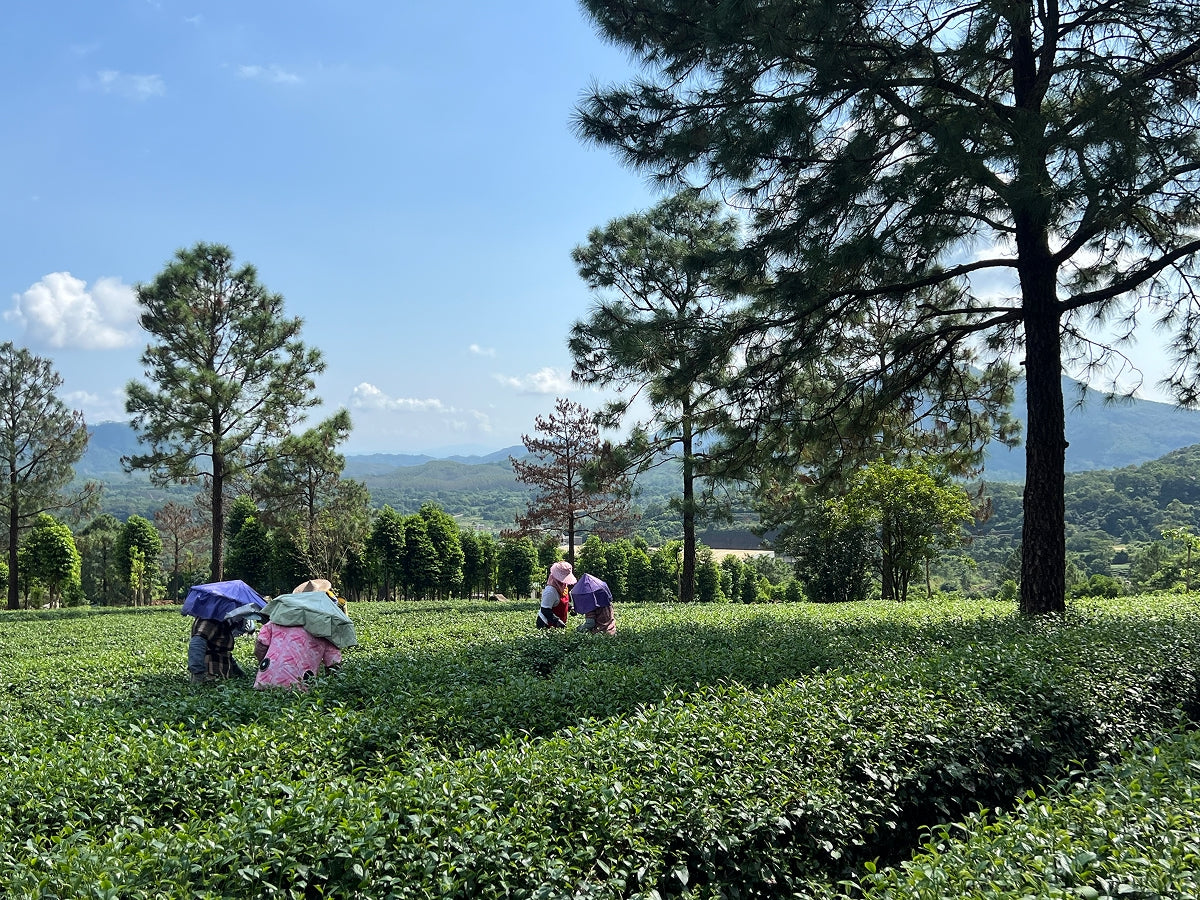
Yunnan sun-dried mao cha is traditionally made from fresh leaves of Yunnan large-leaf tea varieties. After harvesting, the leaves undergo sha qing (fixation), rolling, and sun-drying.
At this stage, the tea has not undergone wet-pile fermentation or been pressed into a fixed shape. It can remain loose for drinking and aging or later be steamed and compressed into Raw (Sheng) Pu-erh tea cakes and other forms.

Why Fresh Sun-Dried Mao Cha Is Considered a Sun-Dried Green Tea

From the perspective of its initial processing, newly made Yunnan sun-dried mao cha is a type of sun-dried green tea. The leaves undergo fixation to limit enzymatic oxidation, followed by rolling and sun-drying.
Unlike many green teas that are primarily appreciated for their fresh character, sun-dried mao cha can continue to change through storage. As it ages, its aroma, flavor, liquor color, bitterness, astringency, and mouthfeel gradually develop, moving away from the character of newly made sun-dried green tea.
At different stages of aging, the tea may show characteristics reminiscent of more oxidized teas. With longer aging, increasingly mature and post-fermented characteristics can emerge. This is a gradual transformation through aging, rather than a literal reclassification from green tea to oolong tea and then to dark tea.

How Sun-Dried Mao Cha Becomes Raw or Ripe Pu-erh

For Raw (Sheng) Pu-erh, sun-dried mao cha can remain loose or be steamed and compressed into tea cakes and other shapes. In either form, it can continue to develop naturally during storage.
For Ripe (Shou) Pu-erh, sun-dried mao cha undergoes wet-pile fermentation (wo dui). After fermentation, the finished tea can remain loose or be pressed into tea cakes and other compressed forms.
Raw and Ripe describe different production paths; loose and compressed describe different physical forms.

How Does Storage Affect Loose Leaf Pu-erh Tea?

How Storage Affects Loose Leaf Pu-erh Tea

Loose leaf Pu-erh and compressed Pu-erh respond differently to storage because their physical structures are different. With the leaves remaining loose, a greater surface area is exposed to the surrounding environment, making aroma preservation an important consideration during storage.

Why Loose Leaf Pu-erh Can Lose Aroma More Easily

Loose leaves have more direct contact with the surrounding air than leaves packed together inside a compressed tea cake. With frequent or continuous air exchange, aromatic compounds can dissipate more readily over time.
For this reason, loose leaf Pu-erh may show a less concentrated aroma than compressed Pu-erh stored under comparable conditions. This is partly a result of their different physical structures and does not by itself indicate a difference in quality.

How Sealed Storage Helps Preserve Aroma

Appropriate sealed storage reduces continuous air exchange and helps loose leaf Pu-erh retain its aroma.
Under suitable sealed conditions, the difference in aroma retention between loose and compressed Pu-erh can become much less pronounced.
A clean and stable storage environment still matters. Temperature, humidity, and protection from unwanted odors should be considered even when the tea is kept in a sealed container.

Why Loose Leaf Pu-erh Requires More Storage Space

Loose leaf Pu-erh occupies considerably more space than the same weight of tea in compressed form.
For everyday quantities this may make little practical difference, but it becomes significant when larger amounts of tea are stored for many years. Compressing Pu-erh into cakes and other compact forms greatly reduces the space required for storage and transportation.
This practical advantage is one reason compressed tea became so closely associated with the historical storage, transportation, and trade of Pu-erh.

Why Choose Loose Leaf Pu-erh Tea?

Why Choose Pu-erh Tea in Loose Leaf Form?

Loose leaf Pu-erh is one form of loose leaf tea, not a higher or lower grade of Pu-erh than compressed tea. The difference is physical, with practical implications for how the tea is handled, brewed, observed, and stored.

Easier to Measure and Brew

Loose leaf Pu-erh can be measured directly from its container according to the amount needed for each tea session.
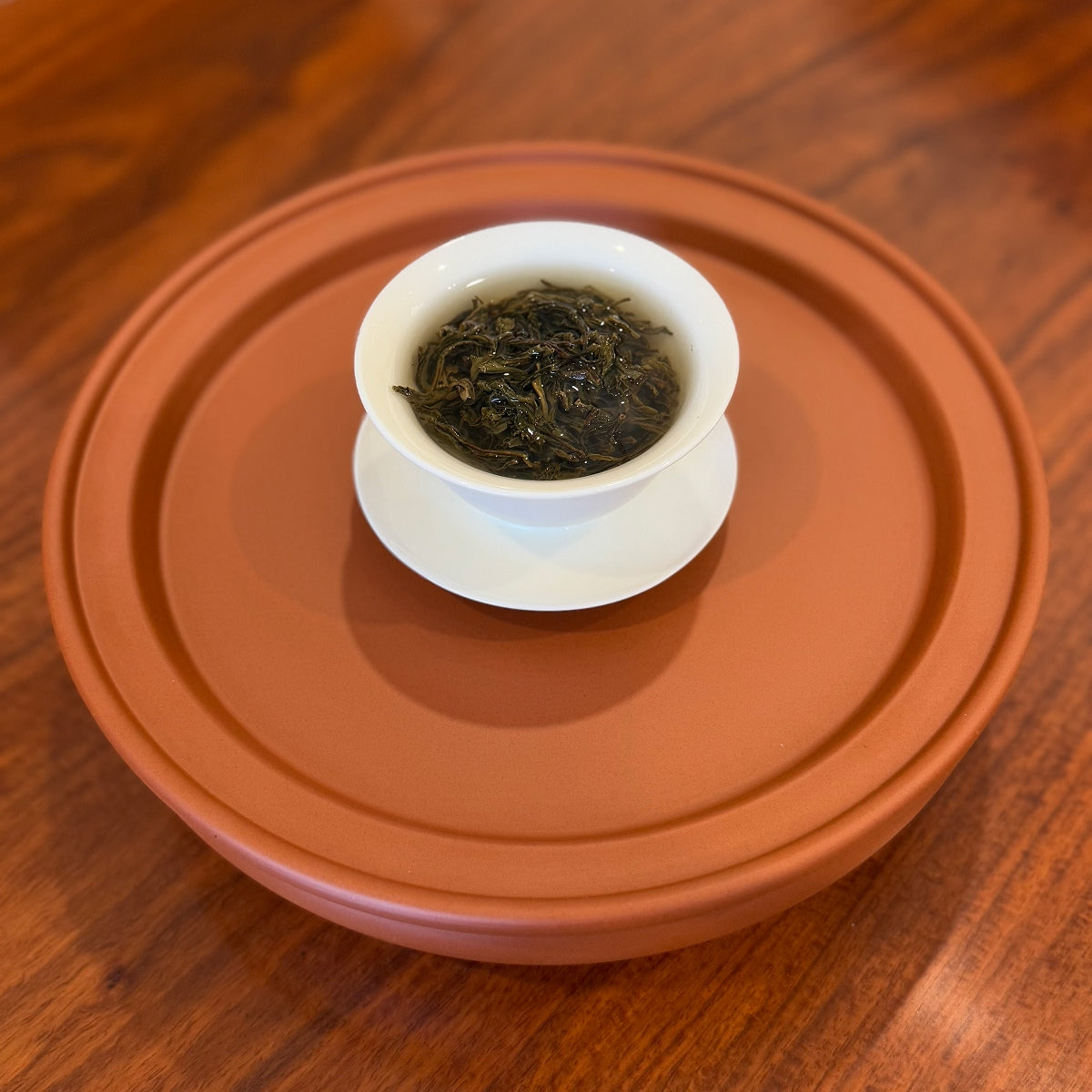
Unlike a Pu-erh tea cake, there is no need to pry the tea apart before brewing. The amount of leaf can also be adjusted easily for different brewing vessels and personal preferences.

See the Leaves More Clearly

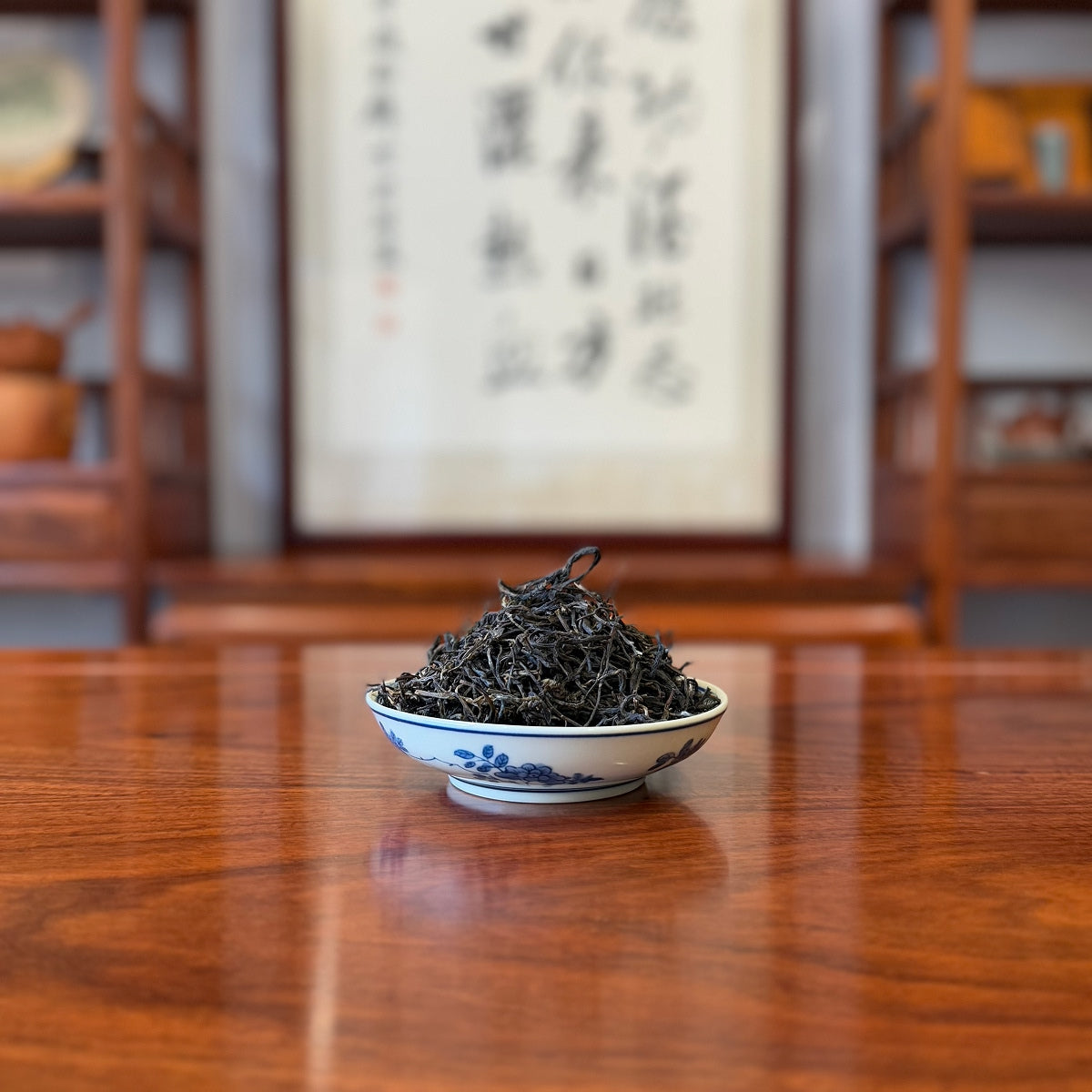
Because the leaves have not been compressed, their shape, size, color, and overall condition can be observed more directly.
These characteristics can provide useful information about the raw material and processing, but appearance alone does not determine tea quality. Aroma, flavor, mouthfeel, tea liquor, and development across multiple infusions give a more complete picture of the tea.

Loose Leaf Pu-erh or Pu-erh Tea Cake?

Loose leaf Pu-erh is easy to portion and brew and allows the leaves to be observed directly. Appropriate sealed storage can help preserve its aroma, although loose tea requires more storage space.
Pu-erh tea cakes are more compact and represent the classic compressed form of traditional Pu-erh. Compression makes larger quantities easier to store and transport and creates different physical conditions during long-term storage.
Neither form is inherently better. The choice depends on how you prefer to prepare, drink, and store your Pu-erh tea.