White Tea

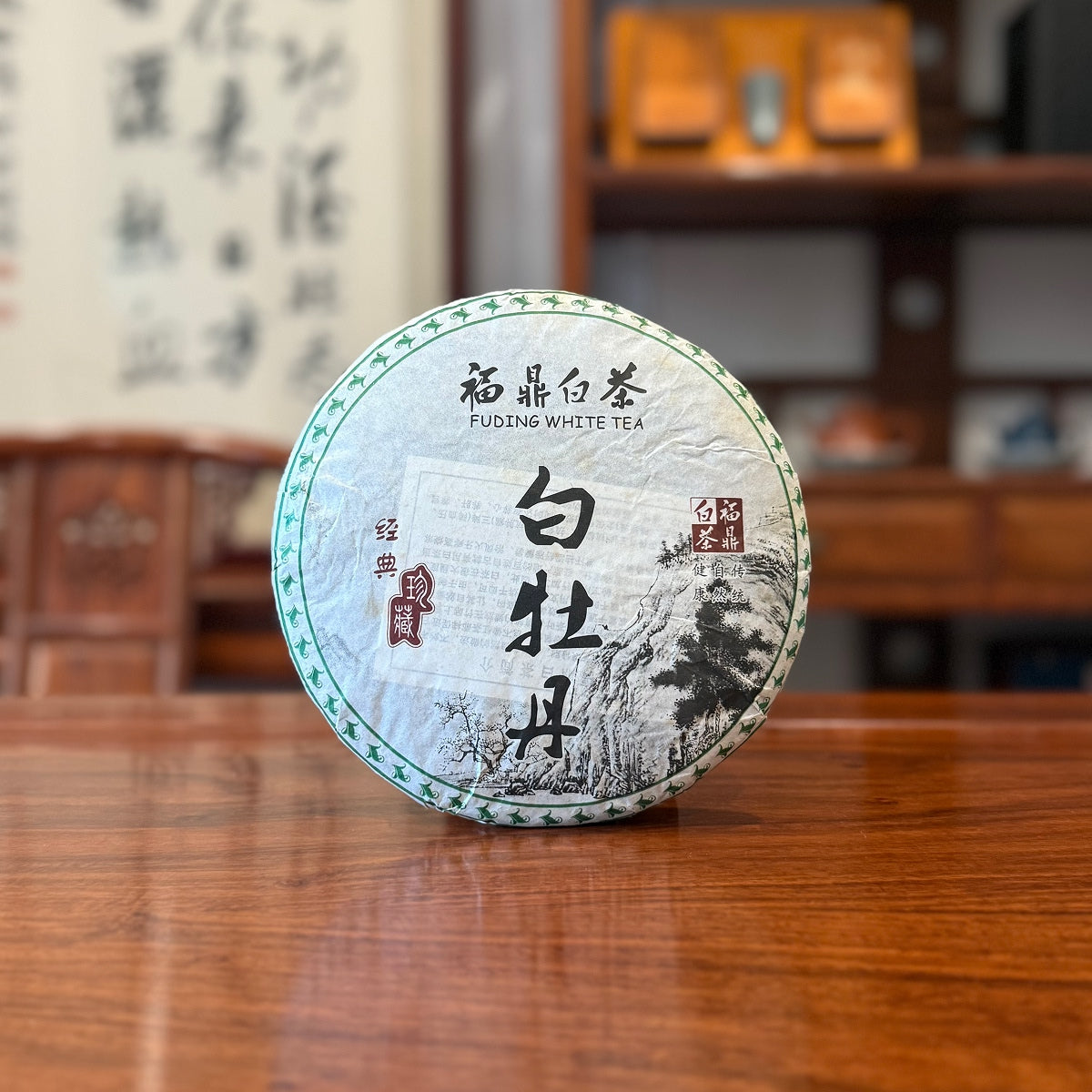
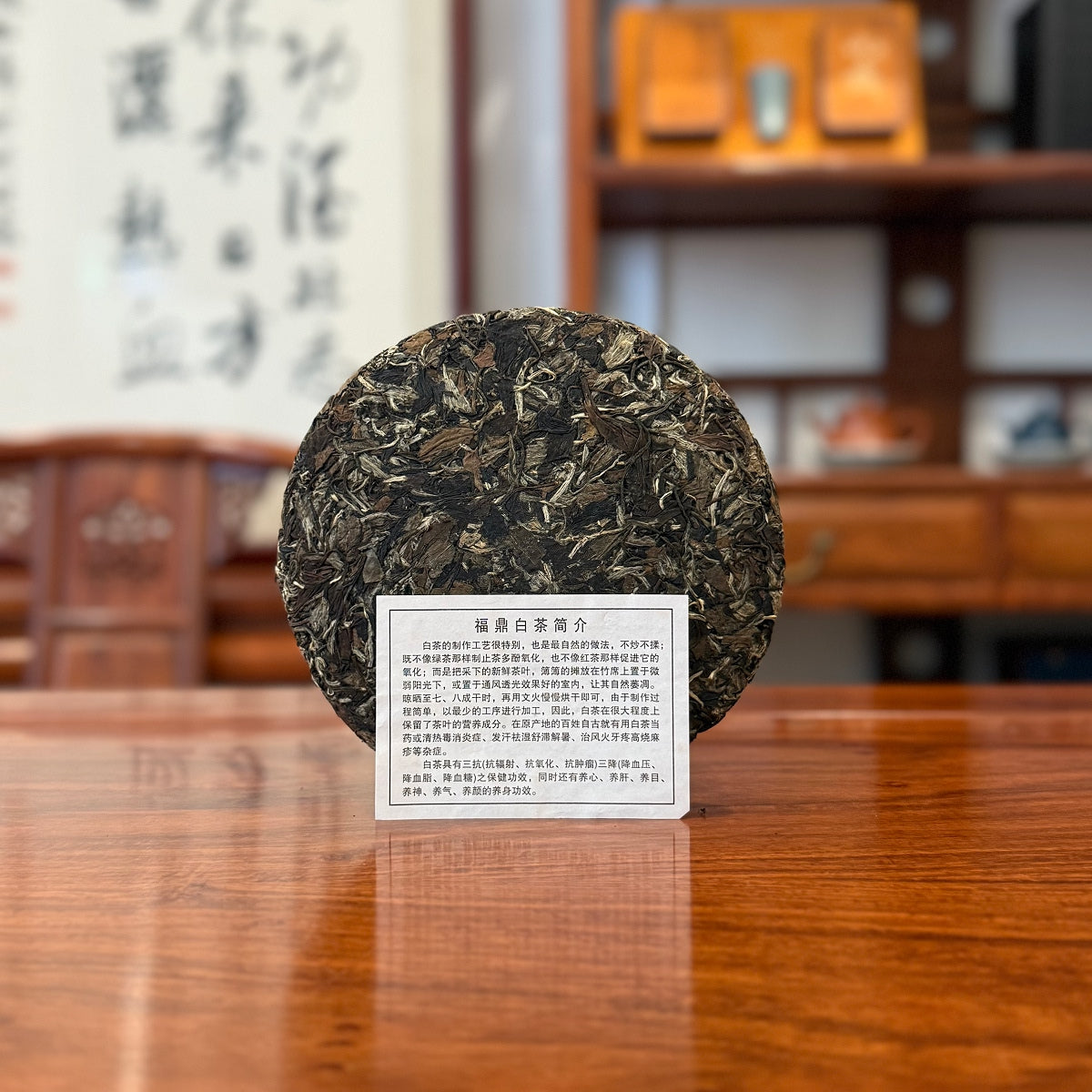
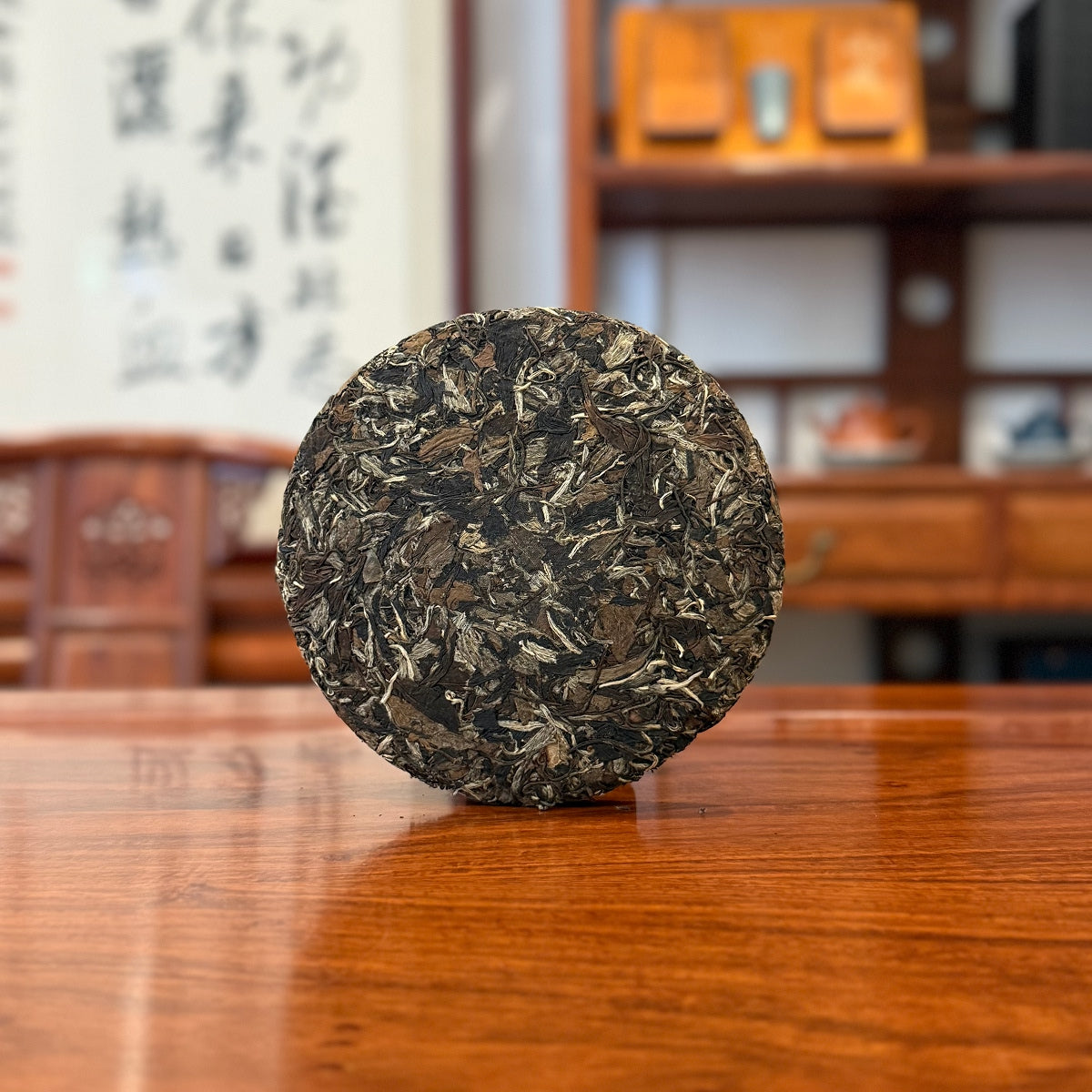
Explore the world of Chinese white tea (Bai Cha), crafted in China—the most natural and minimally processed tea, preserving high levels of antioxidants and naturally low caffeine. Discover authentic loose-leaf and pressed tea cakes from historic Fujian regions to emerging Yunnan expressions, honoring tradition while showcasing the “living tea” character that only time can reveal.

Skip to results list
5 items

Filter

Featured Collection

View all
What Is White Tea? Origins & Character

What Is White Tea?

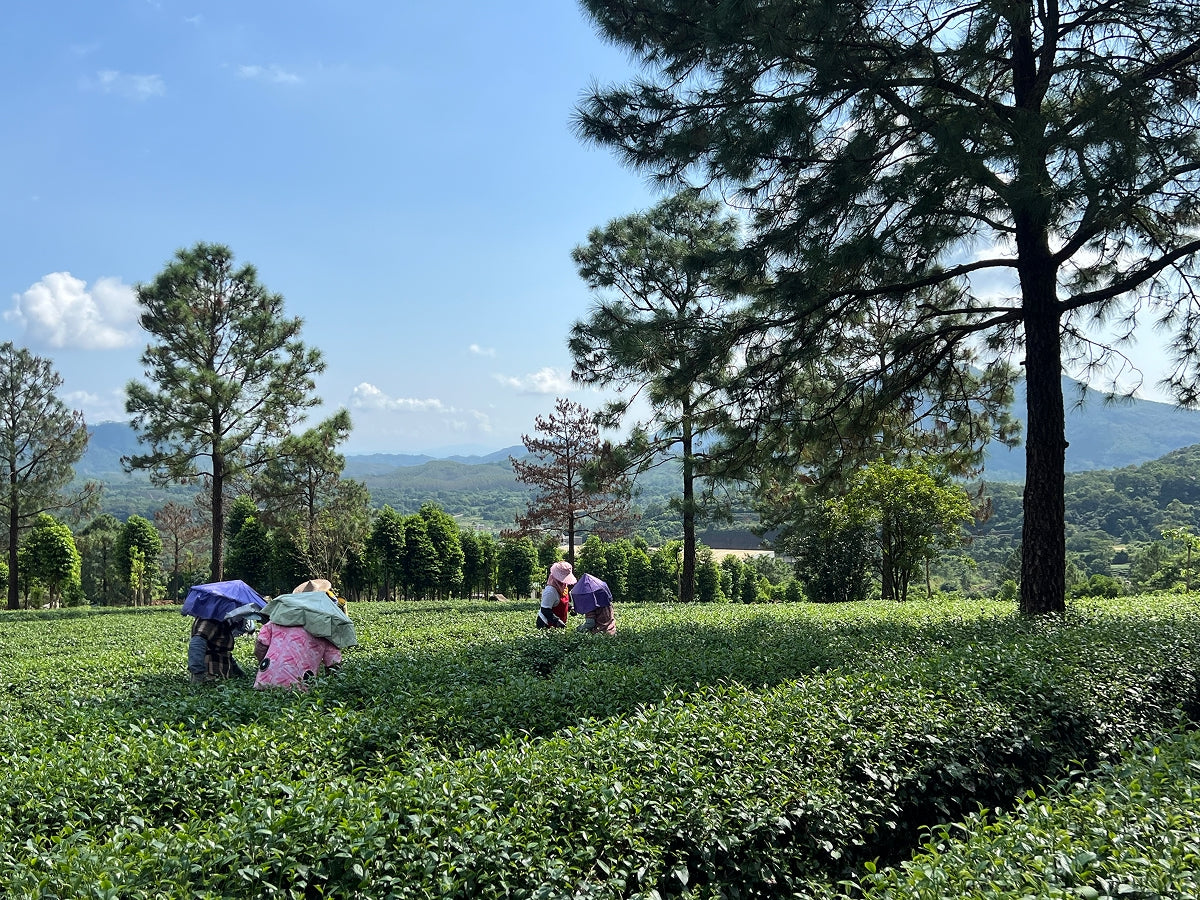
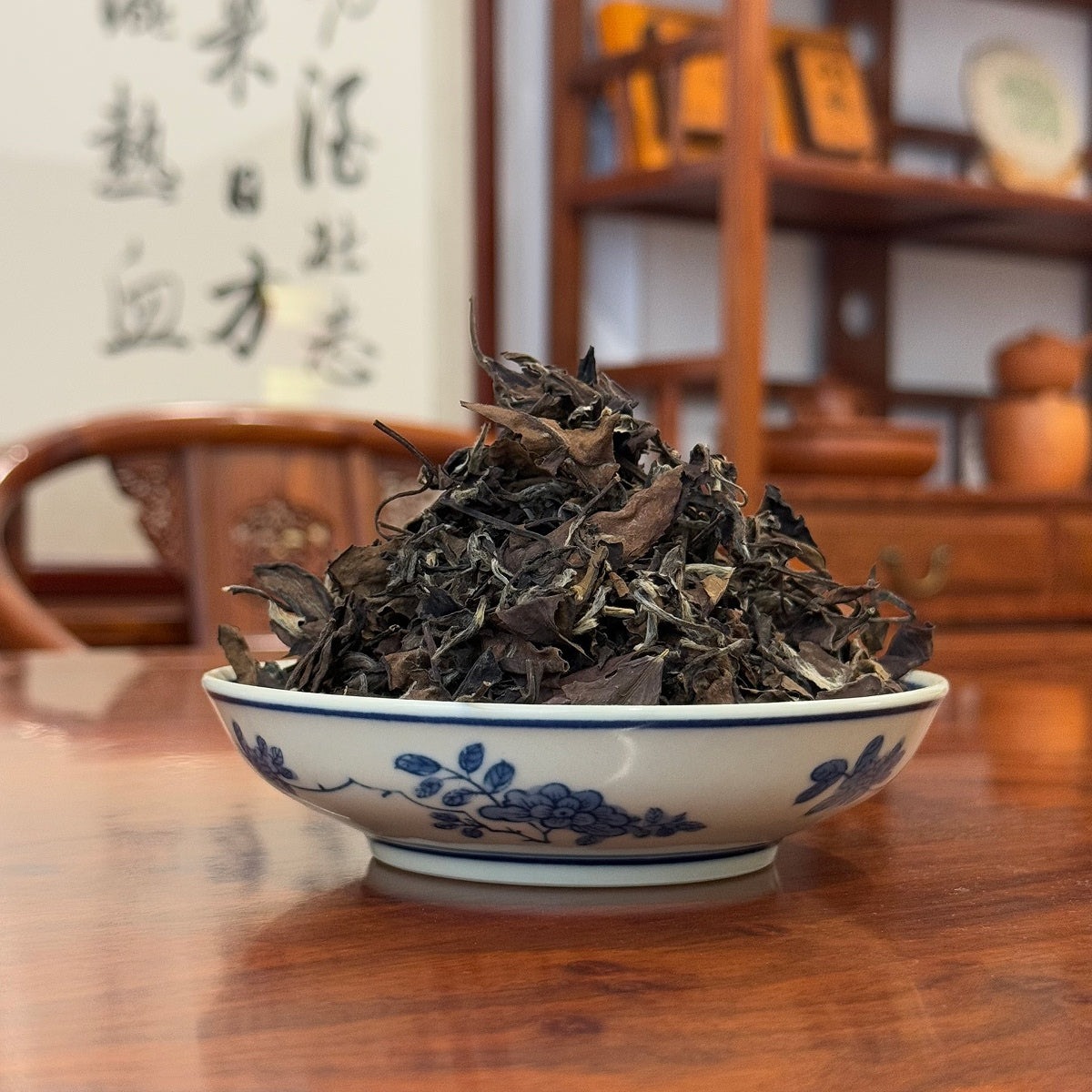
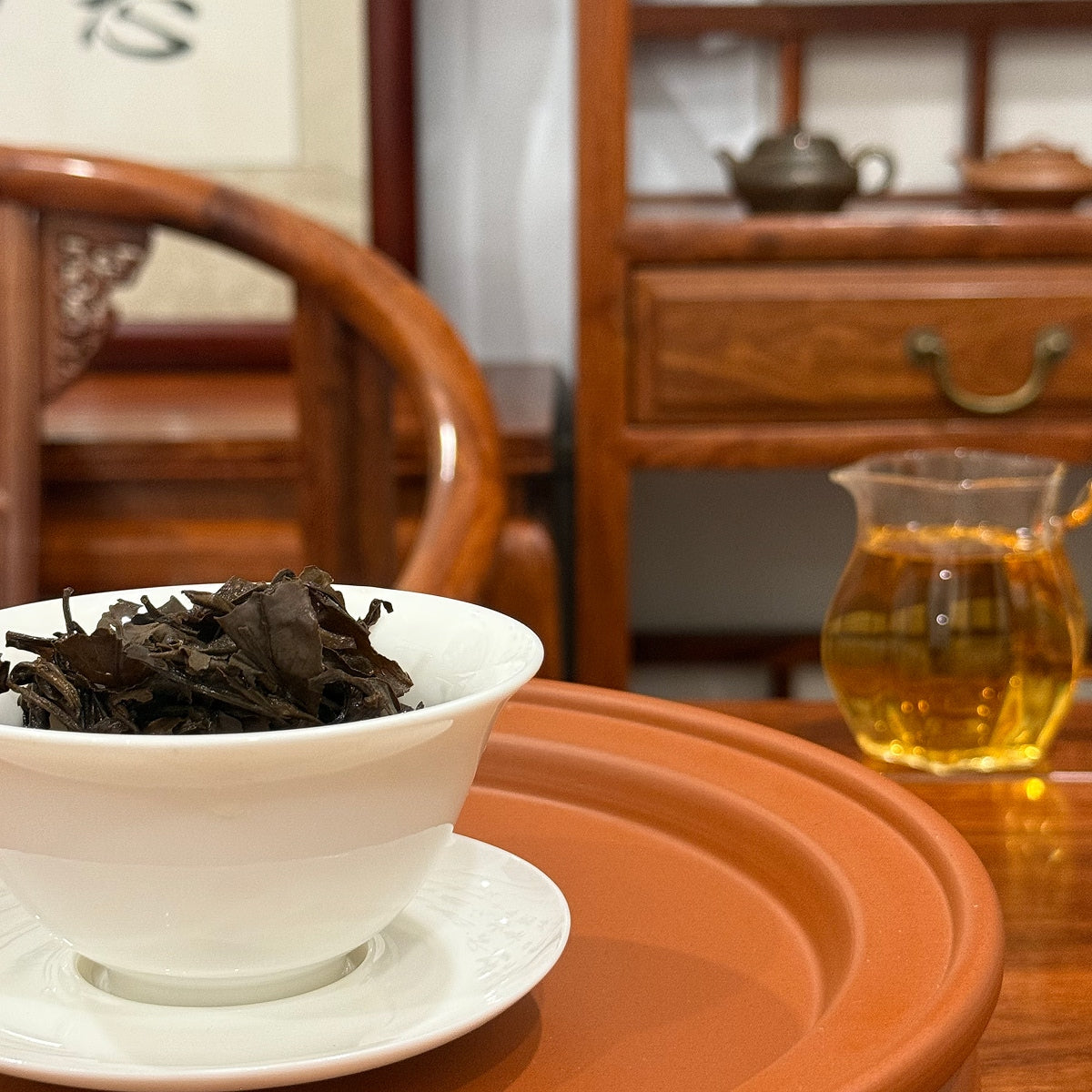
White tea (Bai Cha) is one of the most natural and minimally processed among China’s six major tea types. Traditionally produced without pan-firing or rolling, it is made solely through withering and drying—allowing fresh leaves to slowly transform under sunlight before final drying. Because of this minimal intervention, white tea retains much of the leaf’s original character and aging potential, while preserving a high level of antioxidants and naturally low caffeine content.
The name “white” refers to the fine silvery hairs that cover the young buds and leaves, and also reflects the connotation of purity and simplicity in the local Fujian dialect—an expression of its clear, unadorned nature.

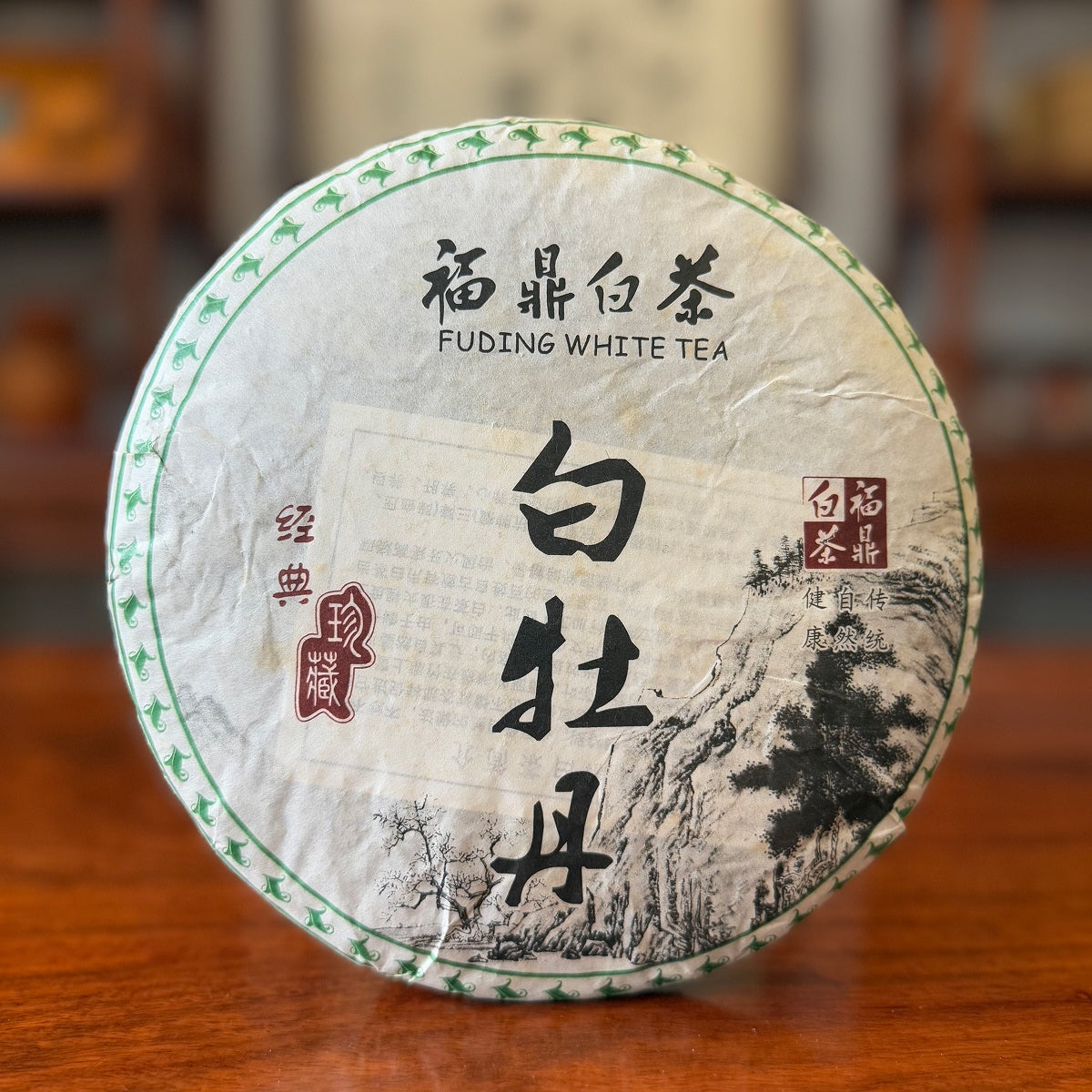
Fuding White Tea

The origin of Chinese white tea has long been a subject of scholarly debate. One key location is Fuding, in northeastern Fujian Province, widely recognized as a core production region.
The historical case for Fuding is often traced to the Tang Dynasty (around 760 CE), when the tea sage Lu Yu mentioned “White Tea Mountain” in The Classic of Tea. Scholars generally associate this reference with today’s Mount Taimu area in Fuding. In addition, Bailiu Village in Diantou Town is considered one of the birthplaces of the Fuding Dabai tea cultivar (Huacha No. 1), supported by a well-documented history of local cultivation.

Zhenghe White Tea

Another key location is Zhenghe, also in northeastern Fujian, whose connection to white tea is more closely tied to modern processing. During the Song Dynasty (960–1279), Zhenghe was already an imperial tea-producing region, home to the famed Beiyuan tribute tea garden—the first imperial tea plantation directly administered by the court and reserved exclusively for the emperor.
Historical records do not clearly identify the tea produced there as the white tea we know today. It was not until the Guangxu period of the Qing Dynasty (around 1880) that tea farmers in Tieshan, Zhenghe successfully produced white tea using the locally selected Zhenghe Dabai cultivar (Huacha No. 5), which soon gained popularity overseas.
At its core, the debate reflects a mismatch between historical timelines and documented terminology: Fuding has earlier explicit references to “white tea,” while Zhenghe holds a long-established reputation as a premium tea-producing region, though without clear historical labeling at that time.

Yunnan White Tea: Emerging Terroir

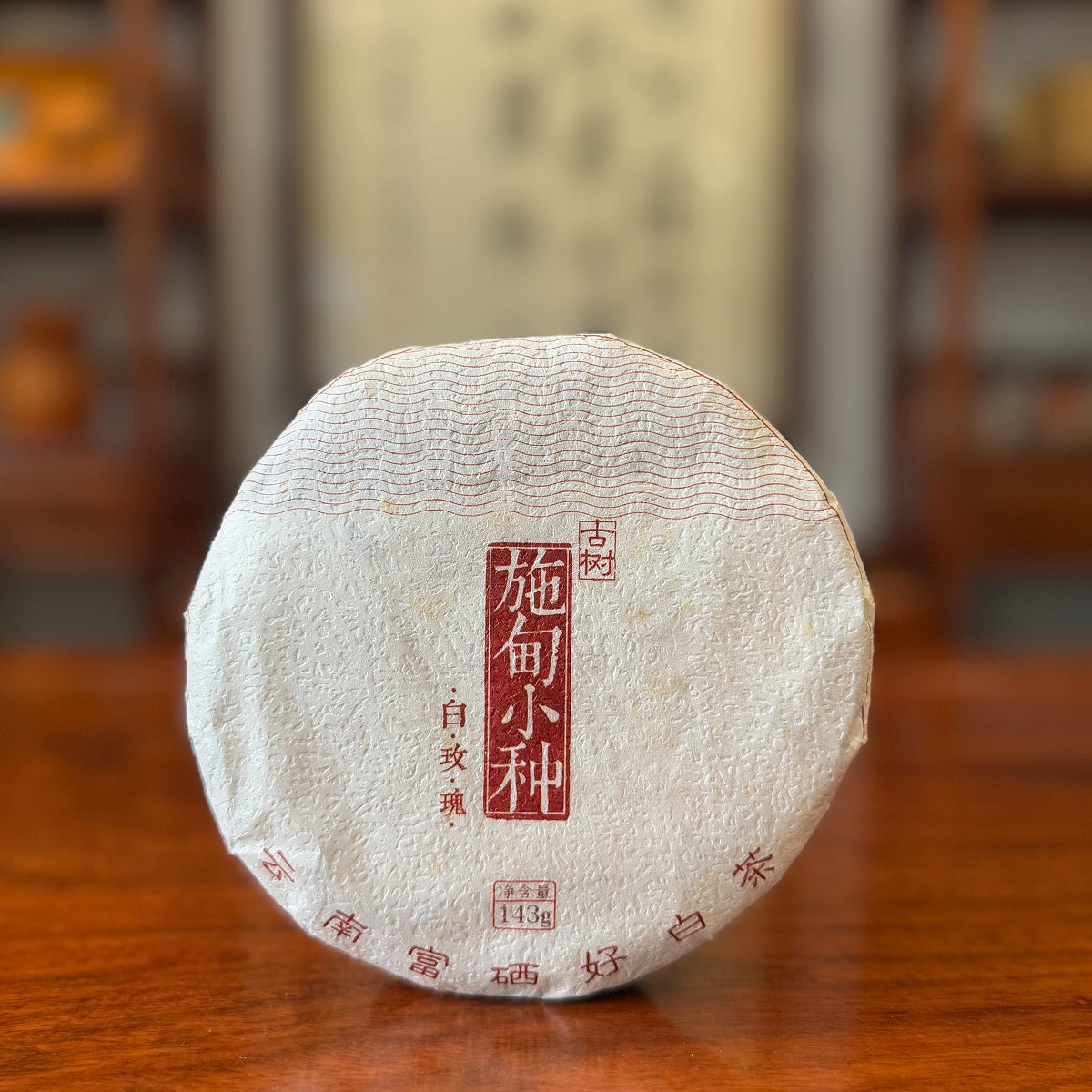
Today, white tea production extends beyond Fujian. In recent years, “Yunnan white tea,” made from large-leaf tea cultivars in Yunnan using white tea processing methods, has steadily gained recognition. Examples such as Moonlight White and Jinggu Dabai offer distinctive expressions of the style, known for their fuller body and varietal character. Together, they represent a growing dimension within the world of Chinese white tea.

Understanding True White Tea

In theory, tea leaves from any region processed according to white tea methods may be called white tea. Yet among experienced tea drinkers, the foundation of true white tea rests on two pillars: the historic white teas of Fujian and the emerging white teas of Yunnan—one rooted in tradition, the other shaped by terroir and evolution.
By exploring these teas, you can truly understand what is white tea and appreciate its natural character and the subtle depth that time brings.

The Grades of White Tea

White Tea Grades & Categories

White tea in China is graded first by the raw material and then by age.
Chinese white tea is mainly divided into four categories: Baihao Yinzhen (Silver Needle), Baimudan (White Peony), Shou Mei, and Gong Mei.

Baihao Yinzhen (Silver Needle)

• Picking standard: Only the single bud is harvested.
• Appearance: Straight like a needle, fully covered with fine white hairs, with a silvery-white color.
• Characteristics: The most pronounced bud aroma, a fresh and sweet taste, and a light golden-yellow liquor. It is the highest grade and most expensive type of white tea.

Baimudan (White Peony)

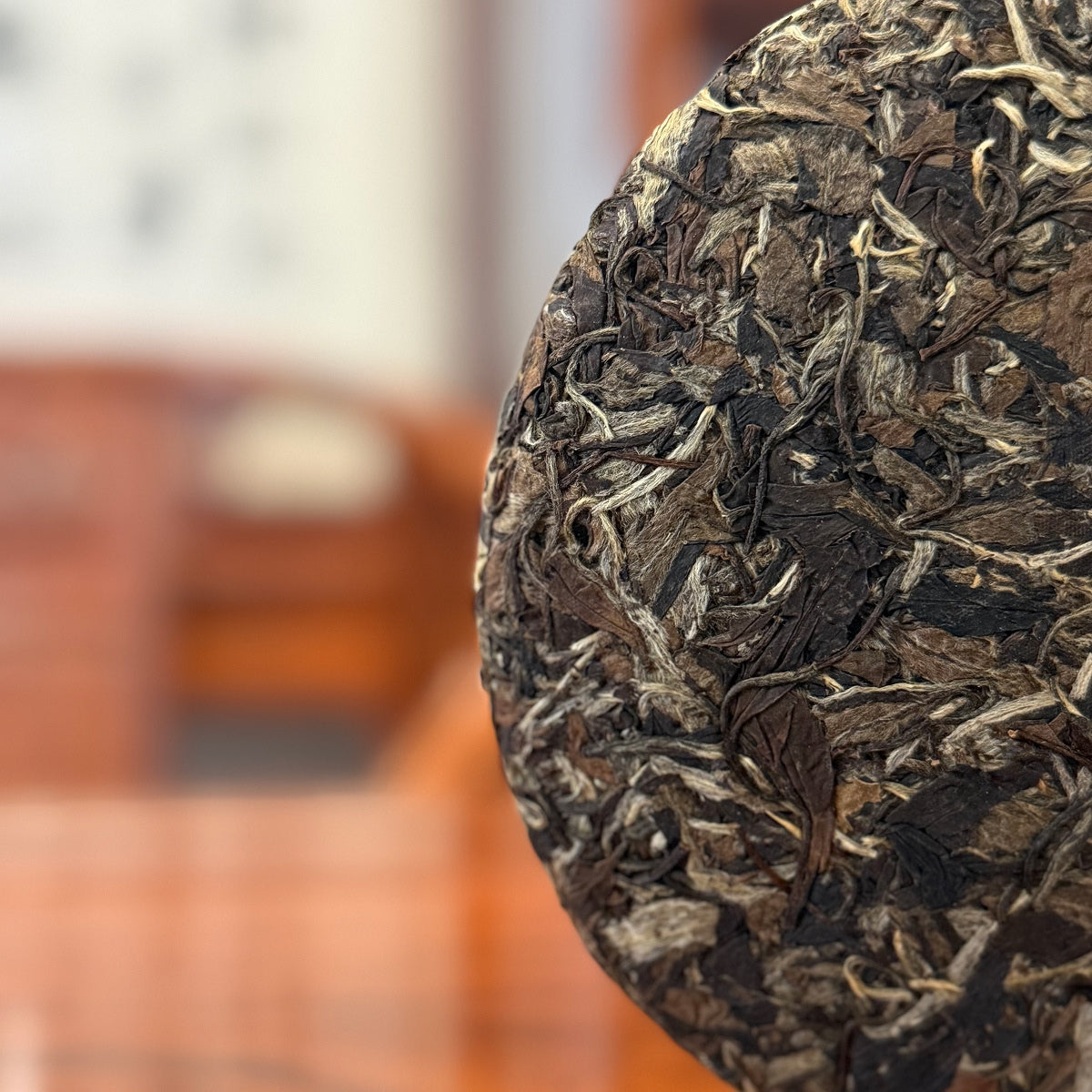
• Picking standard: One bud with one or two partially opened leaves.
• Appearance: Green leaves interspersed with silver hairs, resembling a flower; when brewed, it blooms like a peony.
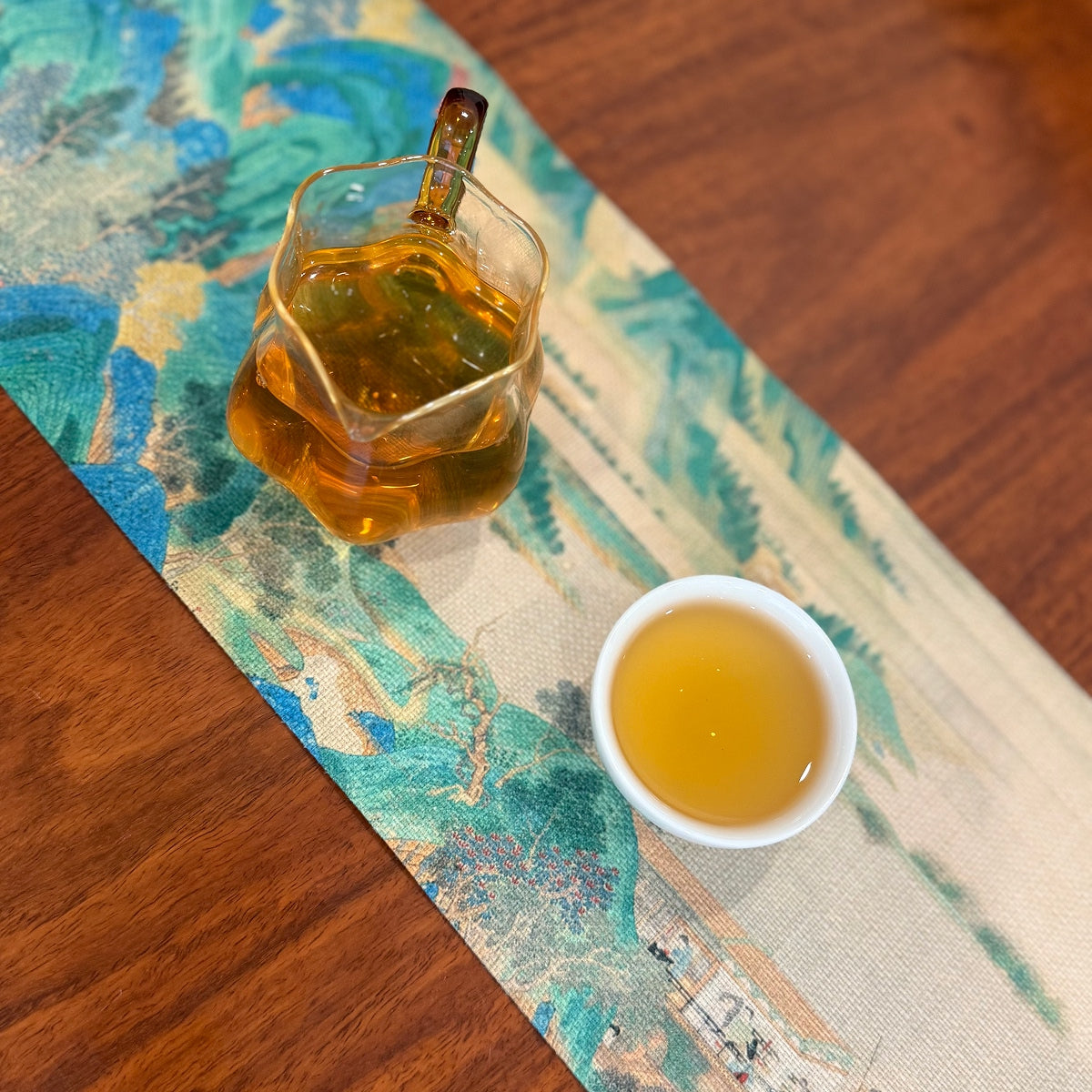
• Characteristics: Combines the subtle bud aroma with a delicate floral scent, sweet and mellow taste, and bright golden-yellow liquor. Valued for both its appearance and flavor.

Gong Mei

• Picking standard: One bud with two or three leaves, harvested from sexually propagated tea trees (“cai cha”).
• Appearance: Small leaves, slender buds, with visible hairs but less plump than Silver Needle.
• Characteristics: Mellow and full-bodied, with the distinctive aroma of “cai cha.” A favorite among experienced tea drinkers.

Shou Mei

• Picking standard: One bud with three or four leaves, or mature branches and leaves directly harvested from the tea tree.
• Appearance: Large leaves with stems, sparse bud tips, slightly coarse.
• Characteristics: Rich and full-bodied, developing jujube and herbal notes with aging. High cost-performance, it is the primary material for producing aged white tea.

Age and Rarity

Age adds another dimension to Chinese white tea. Aged white tea, generally considered “old white tea,” begins from three years, with older teas increasingly prized. This is recognized both by professional assessment of flavor transformation over time and by the popular saying: “One-year tea, three-year medicine, seven-year treasure”—the longer the tea is stored, the richer and more complex its character becomes.
True aged high-quality white tea is rare and subject to three strict conditions: limited production in core tea regions, proper long-term storage, and strong demand from tea enthusiasts and the market. These factors make high-quality white tea rare and highly prized.

Why Choose Our White Tea

For this reason, if you explore all the white tea offerings in the Chinese Tea Group online store, you will notice that our selection is intentionally curated. This is not due to a lack of variety, but out of commitment to the principle of “high quality, authentic origin.” Although we balance offerings between physical stores and online channels, authentic aged white tea from China’s core regions often sells out quickly. We could offer more widely, but we choose to focus on doing it better, more genuinely, and with higher quality—making it the best choice for those looking to purchase white tea.

From Loose Leaves to Pressed White Tea

Loose-Leaf White Tea & Pressed White Tea Cakes

The Heritage of Loose-Leaf White Tea

Loose-leaf tea represents the truest form of white tea. With centuries of heritage, its value unfolds fully over time as it matures.

Innovation in Pressed White Tea Cakes

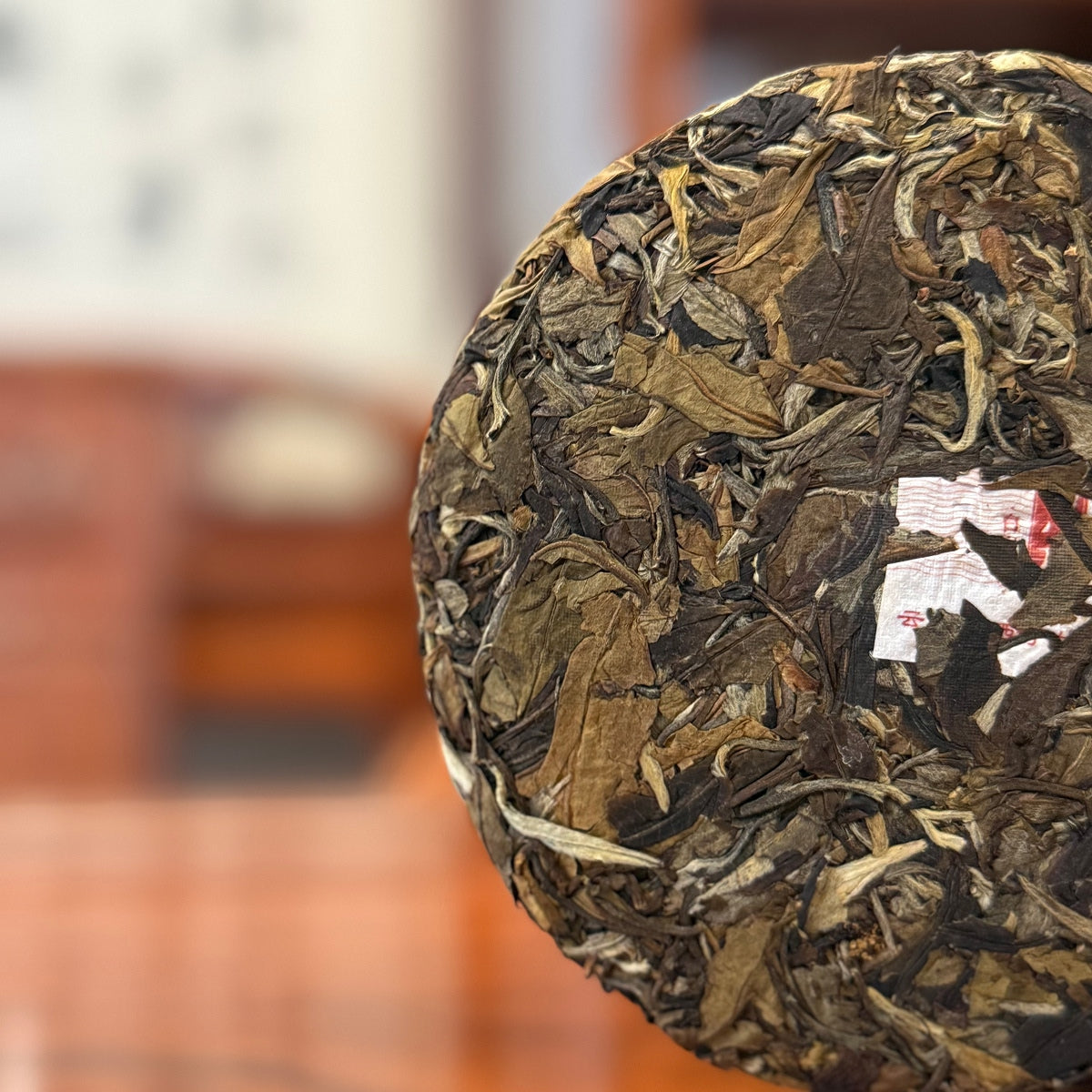
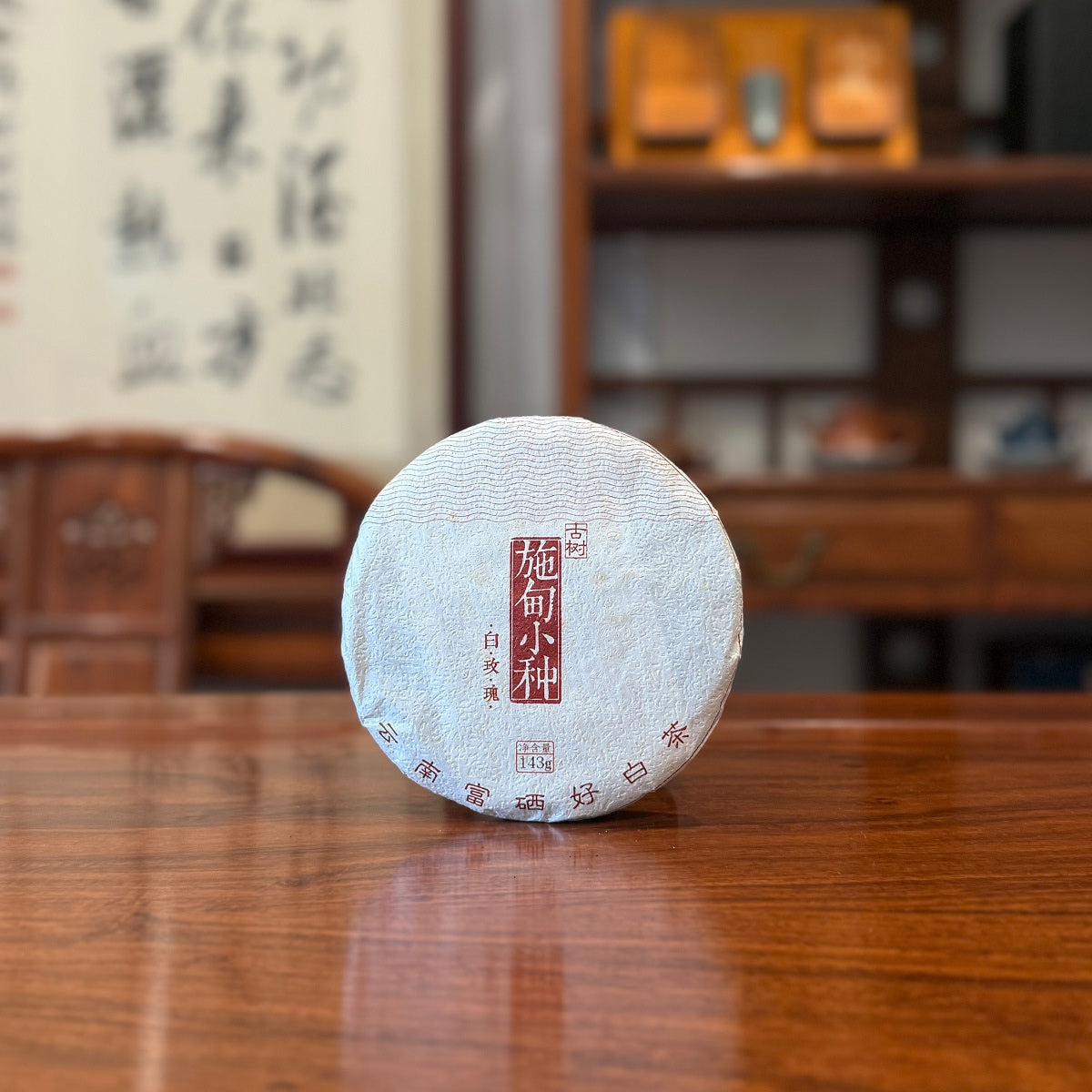
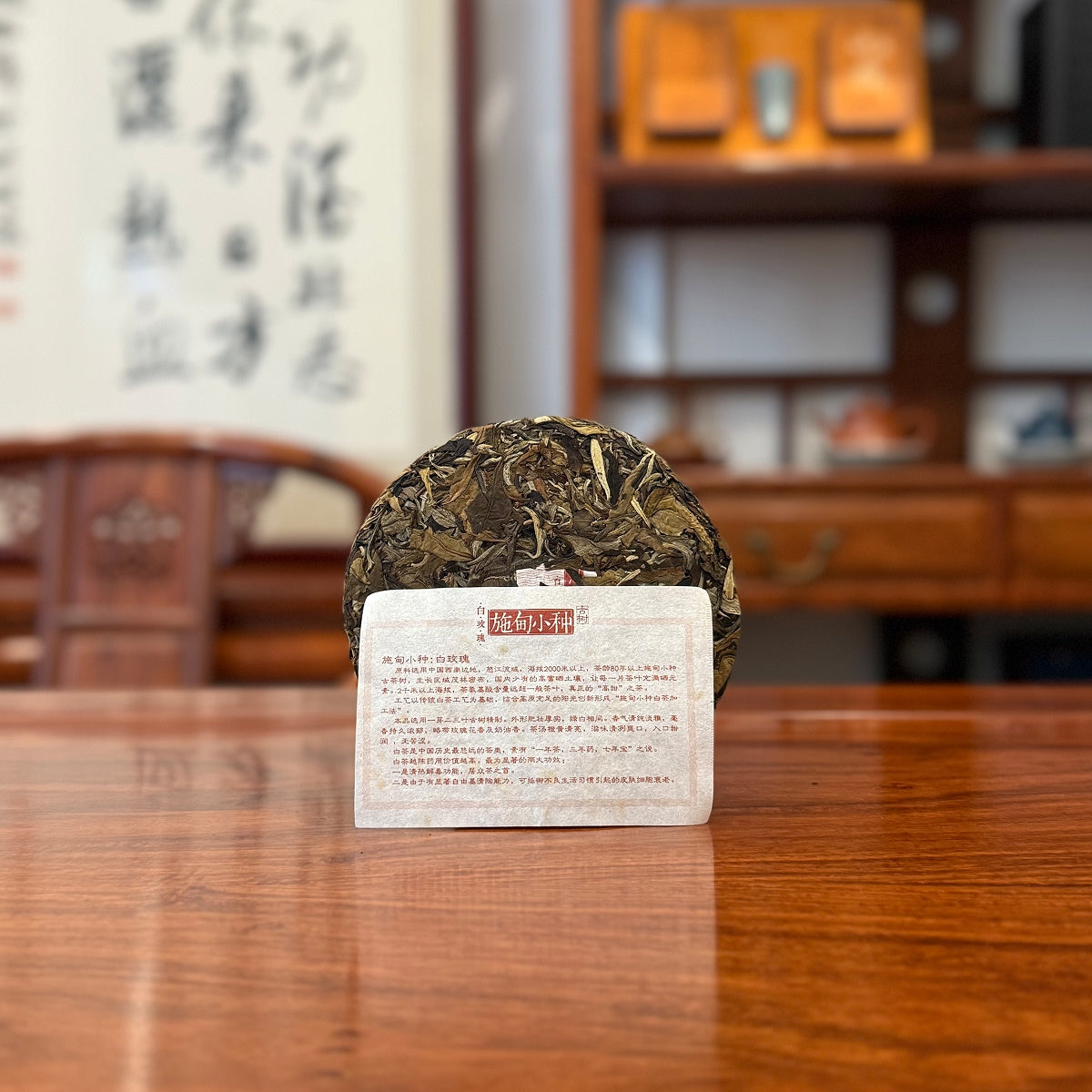
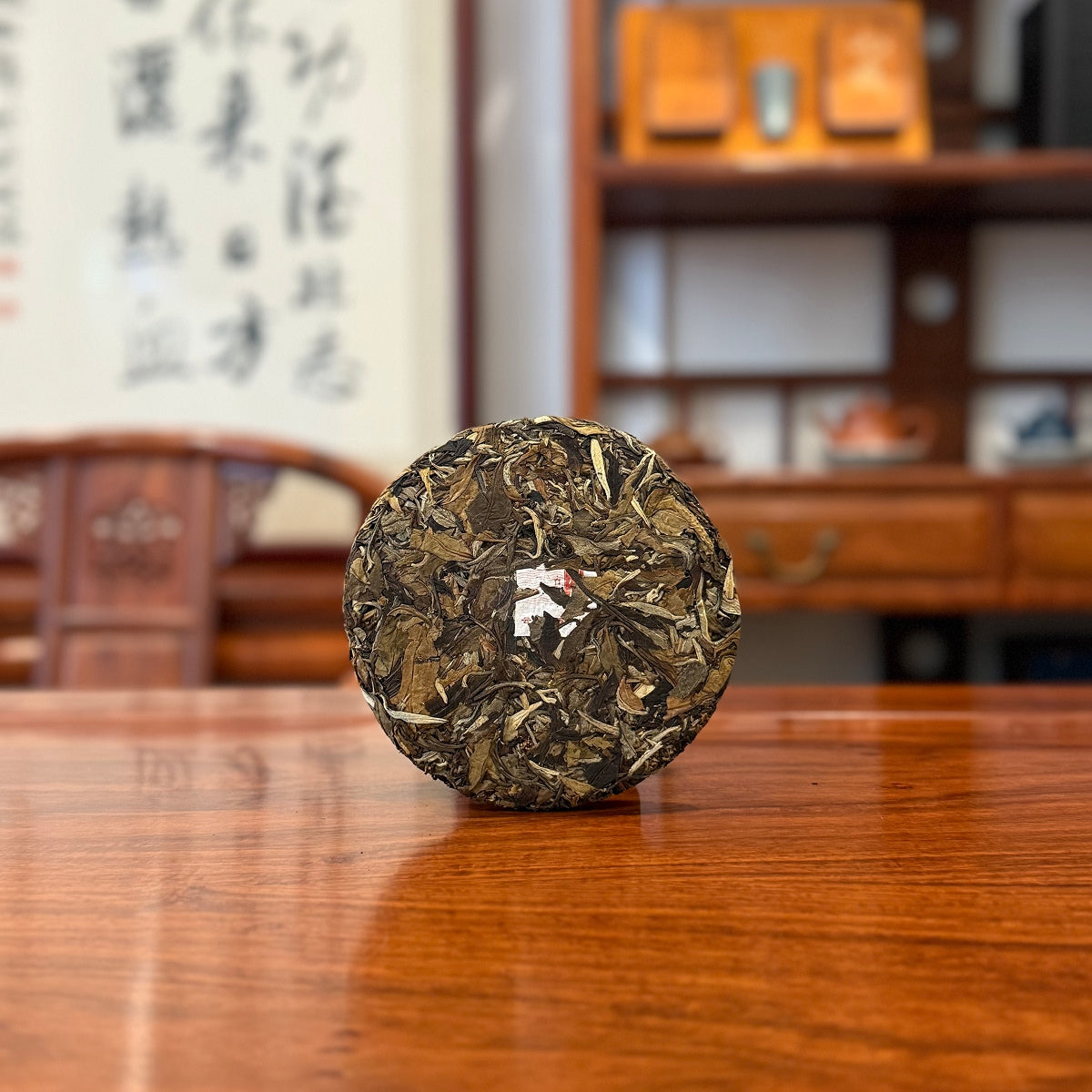
At the beginning of this century (around 2000), loose-leaf white tea underwent a significant transformation in form—drawing inspiration from the centuries-old compression techniques of Yunnan Pu-erh, tea makers began experimenting with pressing white tea into cakes.
This innovation was driven by three key factors:

  1. Space optimization: Compression significantly reduces the volume, greatly lowering storage costs.
  2. Controlled transformation: Moderate compression allows a balanced interaction between tea and air, preserving enough space for aging while preventing excessive oxidation.
  3. Flavor integration: During pressing, the bud’s delicate aroma, the leaf’s mellow body, and the stem’s natural sweetness merge, laying the foundation for the jujube and herbal notes that develop over time.

The Evolution of White Tea Forms

What began as an exploration of spatial efficiency unexpectedly revealed a new dimension of white tea—its form. From that moment onward, the history of loose-leaf white tea’s presentation was rewritten: before 2000, loose leaves were the only form; today, pressed white tea cakes stand alongside traditional loose-leaf tea, together carrying forward the legacy and future of white tea.

Discover the Difference: White vs Green Tea

White Tea vs Green Tea

Time – The Key Difference

The most profound way to understand the difference between white tea and green tea is not through processing or taste, but through time.
This “time” can be divided into two aspects:
• Historical time: tracing their journey from the same origin to the forms we know today.
• Storage time: observing how they evolve after being processed into dry tea.
Historical time is the origin; storage time is the destination.

Divergent Paths in History

Both teas started from the same root, but at historical crossroads, they took completely different paths.
In the early stages of human tea usage, white tea and green tea were essentially one and the same. Ancient tea processing in China was extremely simple: picking, sun-drying, and storing. This “sun-dried storage” form was the precursor to both white tea and green tea, as no deliberate distinction between “fermented” and “non-fermented” existed at the time.
Sun-dried tea became the ancestor of today’s white tea; steamed tea became the close relative of today’s green tea.
Since then, their paths diverged.
Green tea took the “worldly” path, moving from the common people to the imperial court, and back again—each transition marking a rise in status. Tang and Song dynasty court tea banquets, Ming and Qing literati gatherings, and everyday households all consumed green tea. It became the most iconic name in Chinese tea culture.
White tea, however, followed another route.
It did enter imperial use—Zhenghe, one of today’s core white tea regions, was once an imperial tea garden. Yet historical records do not clarify how tea from that era was processed. We cannot confirm that Zhenghe tribute tea from that time is what we now call white tea.
Thus, white tea remained hidden in the mountains and among the people. It was not a “tribute product” but “leaves from the wild”—picked and sun-dried by villagers, brewed to drink when needed.
It was only in modern times that Chinese white tea was truly discovered.

Understanding Anji White Tea (a green tea)

Many people, even Chinese tea enthusiasts, are puzzled by a tea called Anji White Tea, unsure if it is white or green. As a national-level tea artist with Chinese Tea Group, I can clarify: Anji White Tea is its name, while green tea is its classification among Chinese tea types.
Once the name confusion is cleared, we can address the fundamental question: how do we distinguish green tea from white tea?
The answer still comes down to time—but this time, it is storage time, not historical time.

Processing and Time

Green tea production involves kill-green (shaqing)—high heat (over 200°C) quickly deactivates the tea’s enzymes. The tea is frozen in the moment of harvest: color remains green, aroma stays fresh, taste is crisp. But this also means it loses the ability to evolve.
Some lightly processed green teas retain a small aging potential, a rare exception. But for most green teas, their fate is to be enjoyed fresh.
White tea’s core process is withering—no kill-green, no high-heat enzyme deactivation. This preserves the internal enzyme activity completely. White tea is not a frozen specimen but a living organism. Withering only reduces moisture slowly, while enzymatic and microbial activity continues. Even as dry tea, it breathes, transforms, and evolves—though at a pace measured in years.
White tea enters time alive.

Continue Your Tea Journey

By understanding these principles, you now have a clear professional perspective on the difference between white tea and green tea.
Welcome to explore our Green Tea Collection and White Tea Collection, continuing your tea journey—finding your perfect cup between preservation and evolution.