What Makes Raw Pu-erh Tea Age Well?
Aged Raw Pu-erh tea is valued for the way its aroma, flavor, and mouthfeel can develop over time, but age alone does not make a tea better. Not every Raw Pu-erh has the same potential for long-term aging. Its development depends largely on three factors: raw material, processing, and storage.
I am Wang Junkai, a tea master at Chinese Tea Group. Below, I will explain these three factors and how they influence the aging potential of Raw Pu-erh tea.
1. Raw Material
Raw material is one of the most important factors in determining the aging potential of Raw Pu-erh tea. But what makes good raw material for long-term aging?
Origin
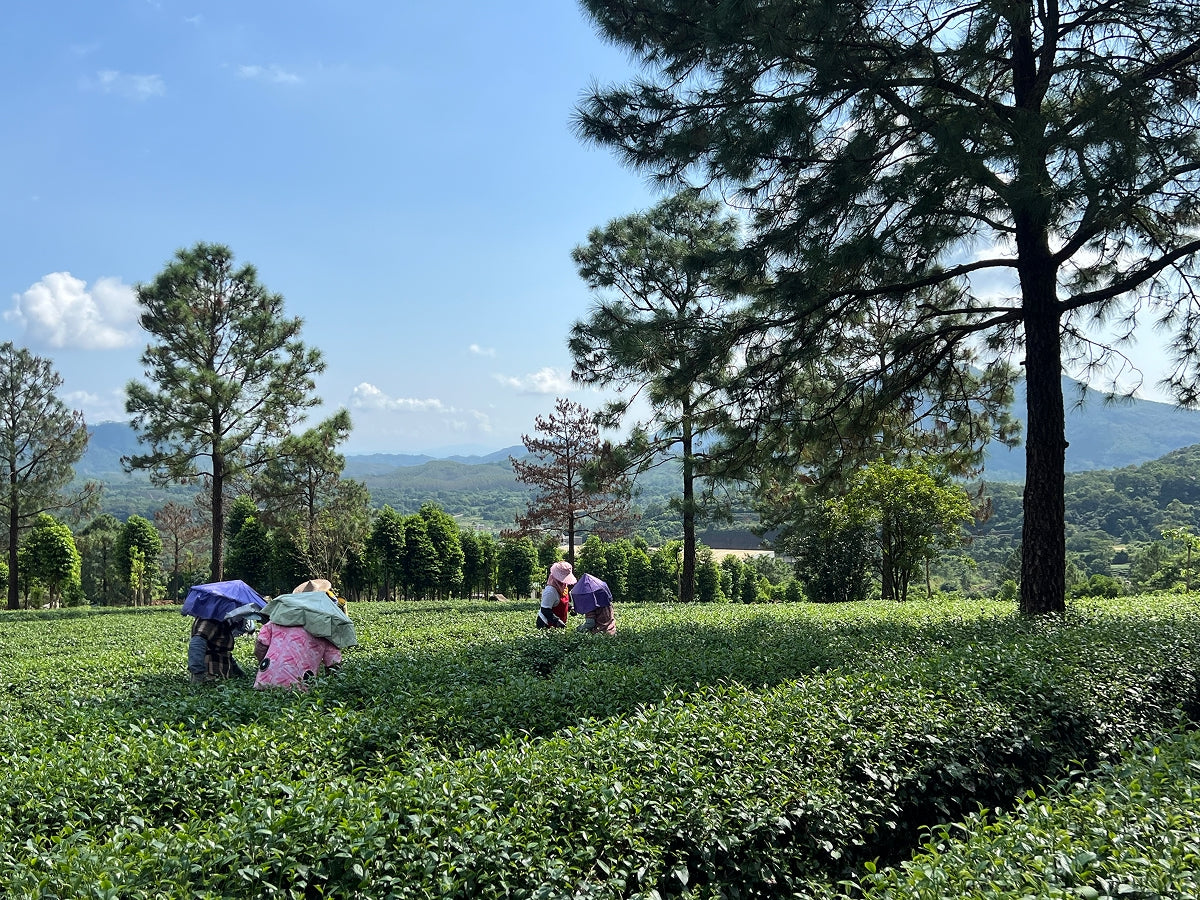
Origin is an important part of understanding Raw Pu-erh. Across Yunnan, tea-growing areas are often discussed by region, mountain, and village, with Xishuangbanna, Lincang, and Pu'er among the best-known major regions.
Differences in growing environment and local raw materials can give teas from individual mountains and villages distinctive characteristics. This is why origin is often an important consideration when evaluating a Raw Pu-erh for aging.
Tree Age
Yunnan is mountainous, with many tea-growing areas benefiting from well-preserved ecosystems and favorable natural conditions. Many tea trees used for Pu-erh production are arbor-type trees with naturally long lifespans. For practical reference, we generally divide them into three categories:
- Small trees (under 50 years): Usually lighter in body and less concentrated, with relatively limited potential for long-term aging.
- Large trees (50–100 years): Generally richer in substance and flavor, with good potential for long-term aging.
- Ancient trees (over 100 years): Often fuller in body, with greater depth and persistence, and can develop greater complexity through long-term aging.
Note: There is no single official standard for these age categories. Definitions vary among tea-growing regions and villages; in some areas, for example, only trees over 300 years old are locally regarded as ancient trees. The ranges above reflect the general reference we use when evaluating Raw Pu-erh.
2. Processing
Good raw material alone is not enough. The way Raw Pu-erh is processed plays an equally important role in preserving its character and potential for future development. Three steps are particularly important:
- Fixation (Sha Qing / Kill-Green): The fresh leaves are heated for a controlled period to manage enzymatic activity while avoiding scorching. Insufficient fixation can leave an overly grassy character and cause unwanted reddening, while excessive heat can reduce the tea's potential for later transformation.
- Rolling: Moderate pressure helps break down the leaf cells and release their internal compounds without excessively damaging the leaves.
- Sun-drying (Shai Qing): The rolled leaves are traditionally dried under the sun to produce sun-dried mao cha. Excessively high-temperature drying can significantly reduce the tea's potential for later transformation, which is why sun-drying is an important part of traditional Raw Pu-erh processing.
Craftsmanship is therefore essential. Just as good ingredients alone do not guarantee a good dish, high-quality tea leaves need careful processing. The tea maker must control each stage according to the condition of the leaves, preserving the qualities that allow the tea to continue developing over time.
3. Storage
Even with high-quality raw materials and careful processing, proper storage is essential to the development of aged Raw Pu-erh tea.
Poor storage can introduce unwanted odors, excessive moisture, mold, loss of aroma, or undesirable changes in the liquor and flavor. Proper storage should therefore provide a clean, stable environment that allows the tea to develop gradually without exposing it to excessive heat or moisture.
In our experience, the following conditions provide a useful reference for Raw Pu-erh storage:
- Temperature: 20–30°C
- Humidity: 50%–70%
- Environment: Avoid direct light and unwanted odors, maintain cleanliness, and provide moderate ventilation.
For larger-scale Pu-erh storage, careful management is also important. Tea should be inspected regularly, and the positions of tea cakes and other compressed teas may be adjusted periodically so that different parts of the stored tea experience more consistent conditions over time.
Our Commitment
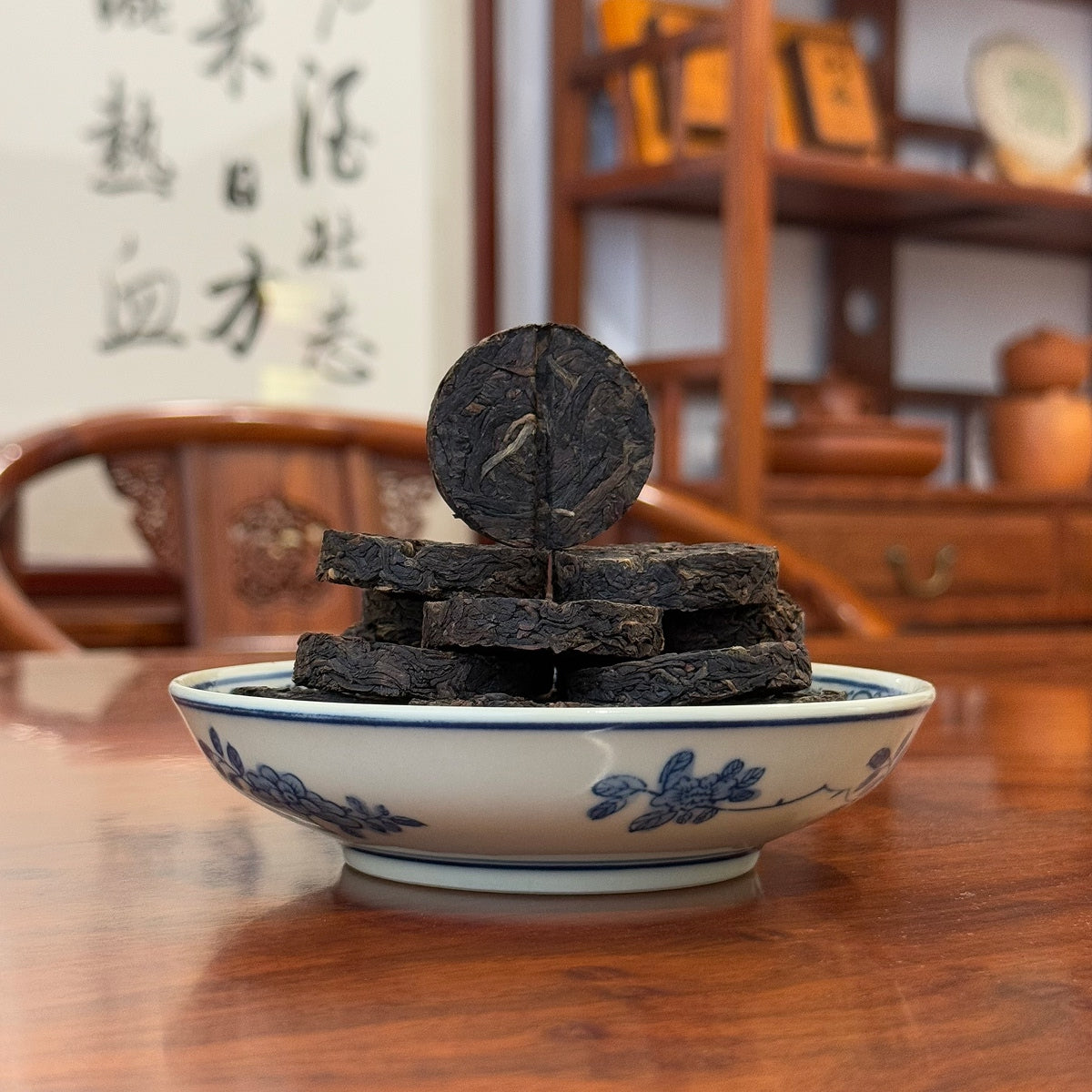
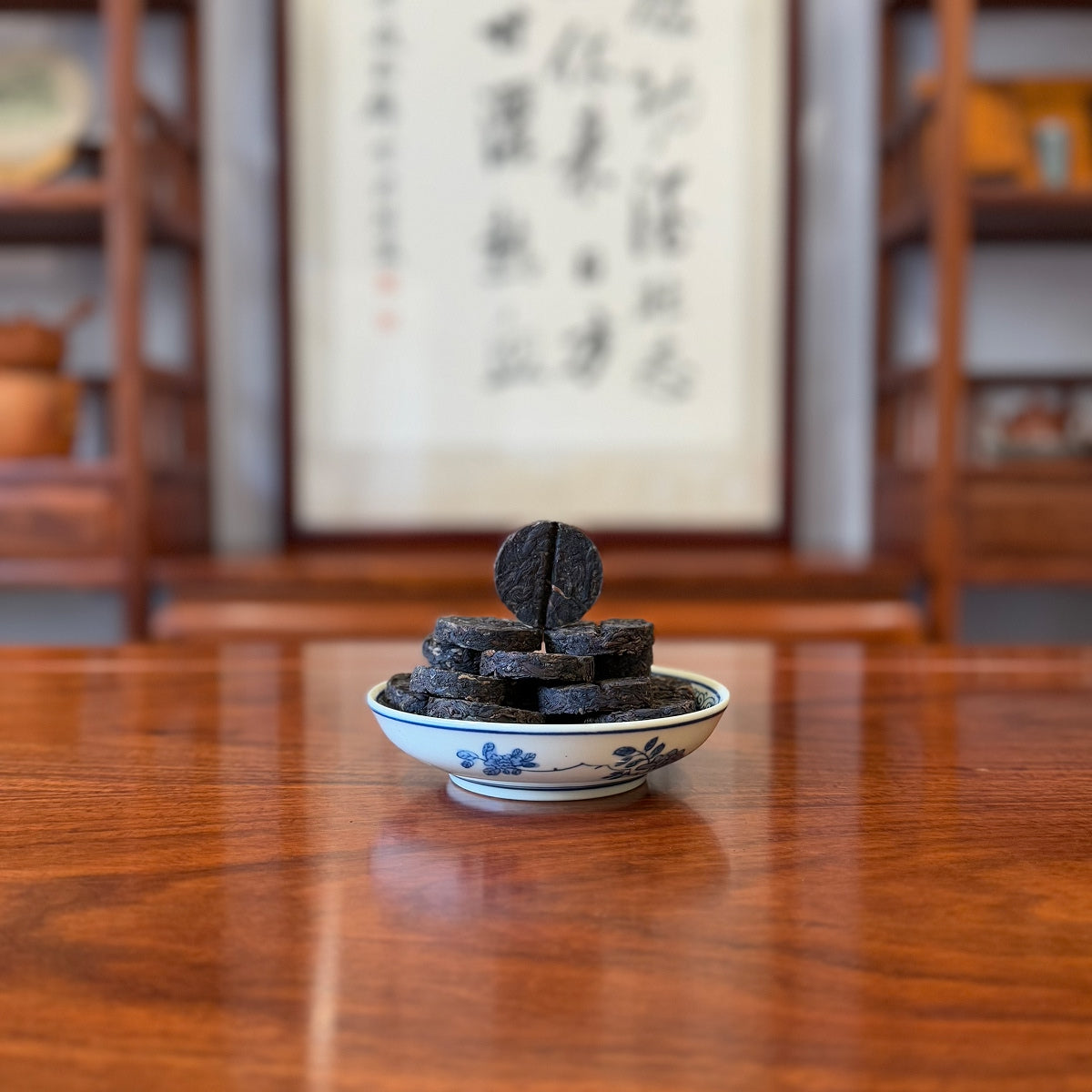
Our Raw Pu-erh teas are selected from teas we have accumulated over many years in our physical tea houses in China. Each year, our tea masters taste aged Raw Pu-erh cakes while also evaluating newly produced teas, allowing us to observe how different teas develop through storage and aging.
Some Raw Pu-erh teas may pass through periods when their flavors are less balanced—for example, when astringency becomes more noticeable during a particular stage of aging. We continue to evaluate these teas over time and select them for drinking based not simply on their age, but on how they are actually tasting.
This reflects a traditional approach in our tea houses: “New tea into storage, old tea for tasting.”
Whether you plan to drink a Raw Pu-erh now or continue aging it, we evaluate the teas in this collection around the same three factors: raw material, processing, and storage.