

2020 Yiwu Mahei Raw Pu-erh Tea Cake


2020 Yiwu Mahei Raw Pu-erh Tea Cake
Yunnan Pu-erh (Pu’er)
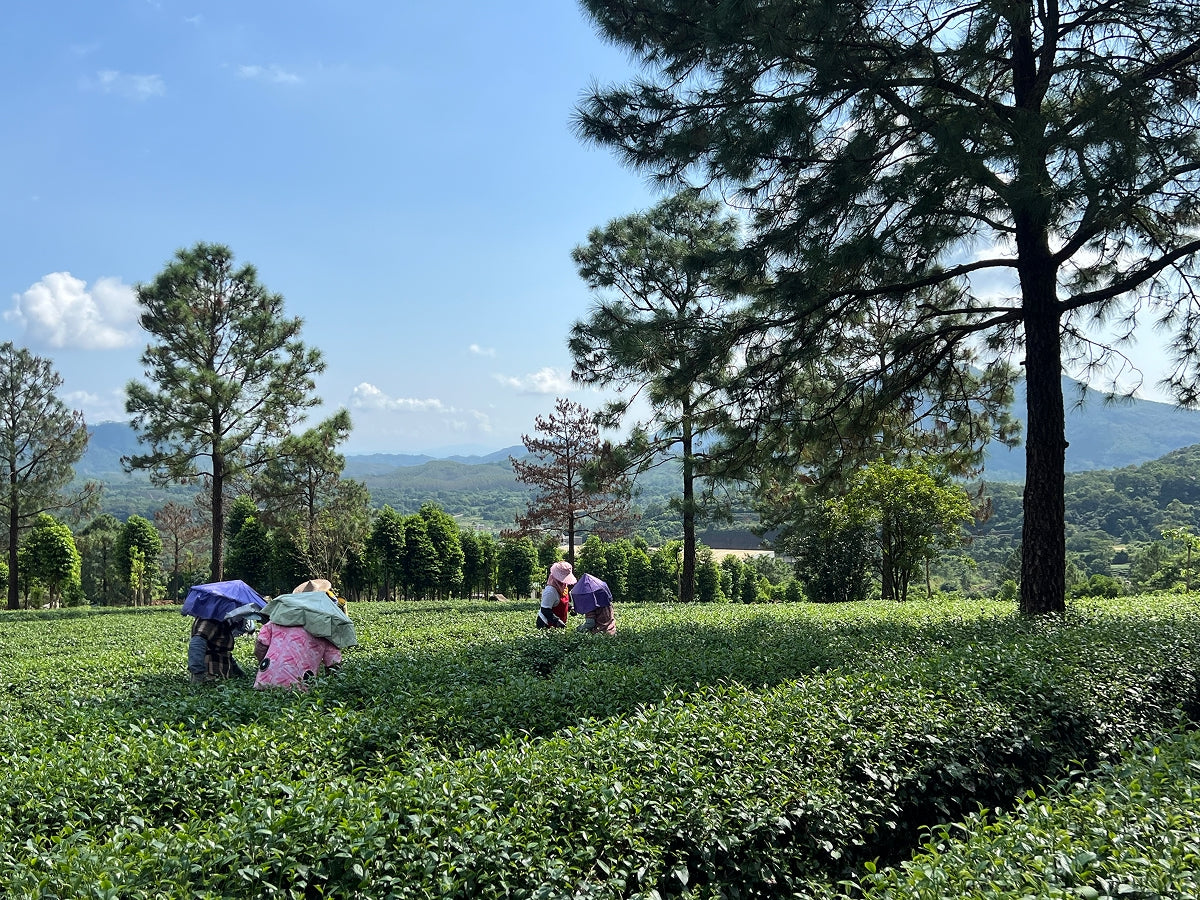
This 2020 Raw (Sheng) Pu-erh Tea Cake comes from the Yiwu tea region, one of the most respected origins for Pu-erh tea and widely known for its exceptional aging potential and the classic character often described as “the more it ages, the more fragrant it becomes.” The tea was sourced entirely from Mahei, one of Yiwu’s most representative core villages. It is a genuine single-origin tea, offering the pure expression of Mahei Village in Yiwu.
Historical Significance of Yiwu Pu-erh
Over the past two decades, many century-old Pu-erh teas sold at international auctions for hundreds of thousands — and sometimes millions — of dollars have contained material sourced from Yiwu. Its influence runs deeply through the modern history of Pu-erh tea.
About the Tea Master
I am Wang Kai, a National First-Class Tea Master of Chinese Tea Group. Personal taste and preference naturally vary from person to person, but what we strive to do is simple: to explain the tea honestly and help people understand where it truly comes from.
Origin & Terroir of Pu-erh Tea
Yunnan is the authentic birthplace of Pu-erh tea, with tea-growing areas spread across an exceptionally vast landscape. The total tea distribution area in Yunnan reaches approximately 530,000 hectares (1,309,700 acres), encompassing both wild-grown and cultivated tea plants. Within the protected geographical indication region alone, tea gardens cover approximately 400,000 hectares (988,400 acres). Pu-erh tea origins are traditionally categorized from broad regions such as Xishuangbanna, Lincang, and Pu’er, down to famous tea mountains, individual mountain areas, and finally specific villages.
Regional Hierarchy
Each village develops its own character through differences in:
- Soil
- Elevation
- Ecology
- Microclimate
- Subtle variations in tea processing
Even the distance between the tea garden and the initial withering area after harvest can create small but meaningful differences in the final flavor.
Yiwu Tea Region & Mahei Village
Yiwu, located within Mengla County in the Xishuangbanna tea region, is one of the most historically significant Pu-erh mountains and is traditionally associated with the well-known “Seven Villages and Eight Hamlets.” Mahei Village is widely regarded as one of the benchmark origins for the aging character of Yiwu Pu-erh tea.
Mahei Terroir Characteristics
Mahei sits at an elevation of approximately 1,200–1,500 meters.
Key environmental features:
- Acidic red and red-yellow soils
- Fine sandy texture
- Rich mineral content
- Forest coverage exceeding 80%
Forest Ecosystem
Many old tea trees grow naturally alongside:
- Camphor
- Banyan
- Oak
- Other large native trees
This forms a unique forest micro-ecosystem known in our industry as “forest-grown tea.”
Old Tea Garden Scale & Tree Age
The old tea gardens of Mahei cover roughly 160–333 hectares (395–823 acres). The primary tea variety is large-leaf arbor tea, with most trees estimated to be between 100 and 300 years old, while some exceed 400 years.
Historical Cultivation Impact
However, during the 1980s and 1990s, in an effort to increase production, some old tea trees underwent heavy pruning and dwarfing practices that involved cutting portions of the root system. Although these interventions stopped more than thirty years ago, the affected trees can no longer fully recover the deep root absorption capacity of untouched old-growth tea trees. As a result, the tea’s natural accumulation of compounds such as polyphenols, amino acids, and glycosides cannot fully match that of completely unaltered ancient tea trees.
Product Positioning
Our 2020 Yiwu Mahei Raw Pu-erh Tea Cake is produced from the leaves of these previously managed old tea trees. For this reason, we deliberately chose not to label this tea as “Ancient Tree Tea” on either the packaging or the product title. Even so, its overall character and drinking experience remain significantly above those of ordinary tea trees that are only several decades old or younger.
Aroma & Dry Leaf Characteristics
Through our unedited product images, you can observe the appearance of the tea cake and the thick, tightly compressed dry leaves within. The dry leaves carry a steady honey sweetness accompanied by a gentle orchid-like floral undertone.
Taste & Mouthfeel
After several years of natural aging, the tea has developed a smooth and refined texture.
The infusion feels:
- Soft
- Layered
- Full-bodied
- Very low in harshness
A classic Yiwu character often described as “soft yet full-bodied,” gentle in texture while rich and layered on the palate.
Flavor Structure
Sweetness is one of its most distinctive characteristics:
- Clear natural sweetness upon entry
- Fast and long-lasting returning sweetness
- Cooling sensation in the throat
Bitterness and astringency remain relatively light:
- Slight bitterness appears briefly but dissipates quickly
- Astringency stays soft and restrained
The infusion also reveals:
- Honey sweetness
- Floral nectar notes
- Subtle fruit nuances
- Full-bodied texture
Brewing Performance
Under normal Gongfu-style brewing, the tea can comfortably endure 12–18 infusions while maintaining sweetness even in the later steeps.
Leaf After Brewing
The infused leaves remain notably tender and supple after brewing, reflecting the careful selection of tender spring-picked leaves.
Market Context & Value Understanding
Pu-erh tea prices can vary enormously even for teas sold under the same regional name. Beyond differences in origin, tree age, and harvest season, one must also consider whether the tea is single-origin or blended, what proportions are involved in the blend, or whether the name is merely being used as a commercial label unrelated to the true source of the material.
Traditional Pu-erh Saying
Within the Pu-erh tea world, there is a saying:
“If you have never tasted Yiwu, you have never truly understood Pu-erh tea.
But if you do not understand Mahei, you do not truly understand Yiwu.”
Final Positioning
This 2020 Yiwu Mahei Raw Pu-erh Tea Cake is a single-origin production with excellent aging potential. It is enjoyable to drink today, while also rewarding long-term storage with richer, more complex layers of flavor over time.
If you are looking for a Pu-erh tea to accompany you through the years, to experience its evolving character with each passing season, then Yiwu Mahei is a choice worth considering.
Not sure if this tea suits your taste? Try a sample and follow our brewing guide.