

Green Tea
Explore Chinese green teas from different tea-growing regions across China. Our tea masters select quality loose-leaf green teas representing a range of origins, harvests, and regional styles.

Explore Chinese green teas from different tea-growing regions across China. Our tea masters select quality loose-leaf green teas representing a range of origins, harvests, and regional styles.




2021 Fuding Bai Mu Dan White Tea Cake (White Peony)
Fujian • China Tea
Our green tea collection brings together Chinese green teas selected by the tea master team at Chinese Tea Group. The collection includes teas from different regions, harvest seasons, and production styles, from well-known regional teas to distinctive local selections.
Chinese green tea can vary considerably from one tea to another. Growing environment and raw material provide the foundation, while harvest timing and processing—including fixation, shaping, and drying—help determine how those qualities are expressed in the finished tea. For many green teas, freshness and seasonal character are important considerations. A smaller number of green teas may also be stored and appreciated over time, though this is less common.
The sections below explore the main types and production regions of Chinese green tea, how green tea is made, and how freshness, age, and form can influence different teas. They also provide practical guidance to help you understand and compare the green teas in this collection and choose those that best suit your preferences.
Chinese green tea is one of the six major categories of Chinese tea. It is made from the leaves of the tea plant (Camellia sinensis) and is defined primarily by a key step in its processing: fixation, known as sha qing. Heat is applied relatively early in production to limit enzymatic oxidation before the leaves are shaped and dried.
Chinese green tea is not a single tea variety or regional style. Green tea from China includes many different regional traditions and styles, shaped by differences in growing region, tea plant variety, harvest season, leaf-picking standard, and processing method.
Green tea refers to a tea category rather than a particular cultivar, origin, or fixed flavor profile.
This is why Chinese green teas can differ considerably in appearance, aroma, flavor, and mouthfeel while still belonging to the same broad category. Their individual character is shaped by both the raw material and the way the tea is processed.
Tea has been consumed in China for thousands of years, but the ways it was processed and prepared changed considerably over time. Earlier tea traditions included forms very different from the loose-leaf green teas familiar today.
During the Tang dynasty (618–907), steamed and compressed tea cakes became an important part of Chinese tea production and consumption. Tea leaves were commonly steamed, processed, compressed into cakes, and later prepared for drinking.
During the Song dynasty (960–1279), steamed compressed tea remained important, while increasingly refined methods of processing and preparing tea developed. Powdered tea prepared by whisking became particularly prominent in elite tea culture, representing a very different way of drinking tea from the loose-leaf infusion methods widely used today.
A major transition took place during the Ming dynasty (1368–1644), as loose-leaf tea became increasingly prominent. In 1391, the Hongwu Emperor ordered that tribute tea should be presented in loose-leaf form rather than compressed cakes, reflecting a broader shift in tea production and consumption during the period. Methods of fixation, shaping, and drying continued to develop, and pan-firing became particularly important in many Chinese green tea traditions.
Over the following centuries, tea-producing regions developed their own combinations of tea plant varieties, harvesting standards, fixation methods, shaping techniques, and drying practices. These regional traditions helped create the wide diversity of Chinese green tea found today.
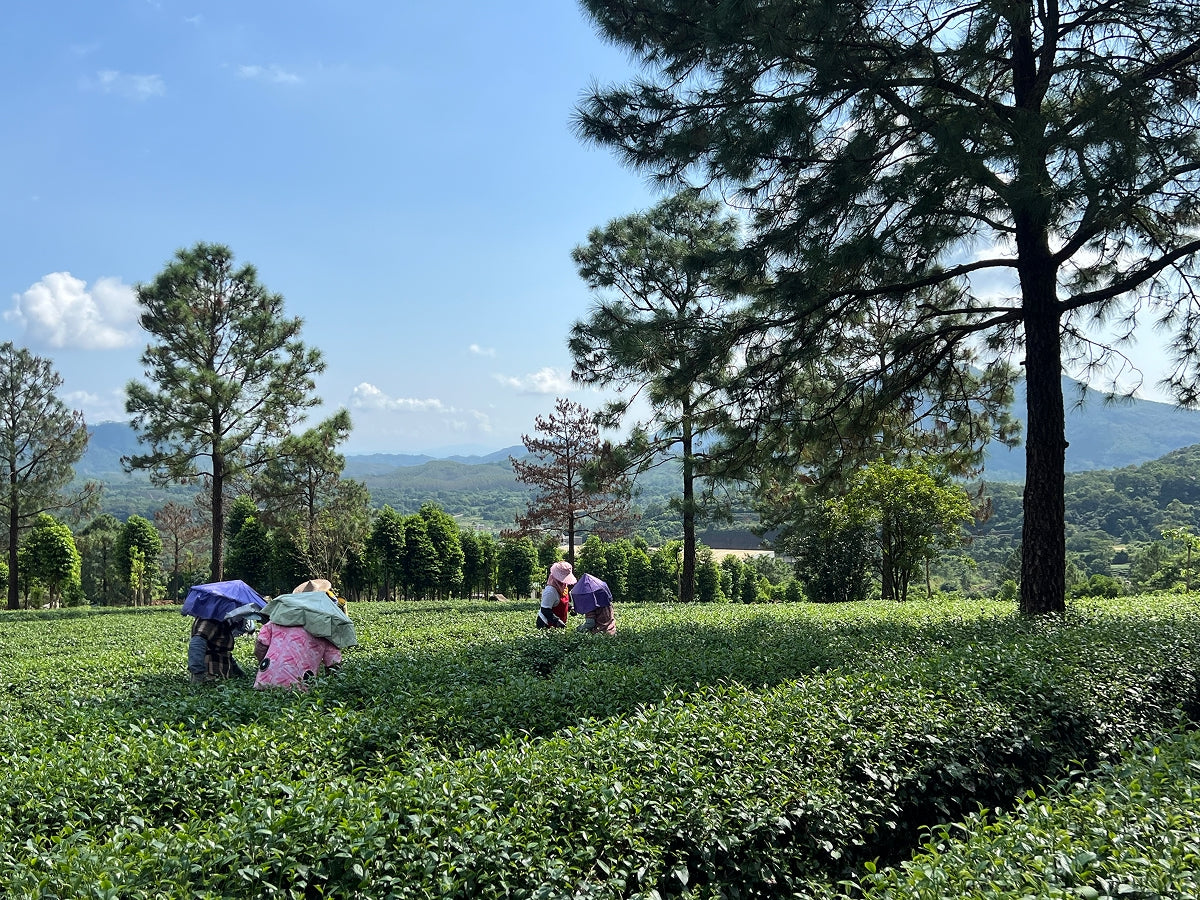
Chinese green tea is produced across many tea-growing regions of China. Differences in climate, elevation, tea plant variety, harvest, and local craftsmanship contribute to the diversity found within the category.
Tea names, cultivars, and growing regions are often closely connected, but they are not interchangeable. Understanding these distinctions can make it easier to compare different Chinese green teas and understand what gives an individual tea its character.
Some Chinese green teas are closely associated with particular regions and local tea traditions.
Long Jing (Dragon Well) is traditionally associated with Hangzhou in Zhejiang Province.
Bi Luo Chun (Green Snail Spring) is traditionally associated with the Dongting area of Jiangsu Province.
Xin Yang Mao Jian (Xinyang Maojian) is associated with Xinyang in Henan Province.
Anji Bai Cha (Anji White Tea) comes from Anji in Zhejiang Province. Despite the words “Bai Cha,” or “White Tea,” in its name, it is processed as green tea and belongs to the green tea category.
These well-known teas represent only part of the diversity of Chinese green tea. Many other regions produce distinctive local green teas that may be less internationally recognized but remain important within their regional tea traditions.
Green tea is also produced in Yunnan, Guangdong, and many other tea-growing areas of China. Differences in local tea plant material, growing conditions, harvest practices, and processing methods can result in teas with very different characteristics.
At Chinese Tea Group, we look beyond famous tea names when selecting green tea. Origin and reputation provide useful context, but the individual tea—its raw material, harvest, craftsmanship, and performance in the cup—remains more important than the fame of its name alone.
A tea name may refer to a regional tradition, a particular style, a cultivar, or a combination of these factors. The cultivar itself is the tea plant variety, while origin describes where the tea was grown and produced.
For this reason, two teas with similar names do not necessarily have the same character, and teas made from the same cultivar can also differ when grown or processed in different places. When comparing Chinese green teas, consider the actual origin, raw material, harvest, and craftsmanship rather than relying on the tea name alone.
Chinese green tea is generally made through fixation, shaping, and drying, although the exact methods and sequence can vary between different teas and regional traditions. Raw material, harvest, and processing decisions all influence the character of the finished tea.
Unlike more oxidized tea categories, green tea is heated relatively early in production. This helps preserve characteristics of the fresh leaves while subsequent shaping and drying contribute to the tea’s aroma, flavor, body, and appearance.
Fixation, known as sha qing, is one of the defining steps in green tea production. Heat is applied to the leaves to limit enzymatic oxidation and stabilize the leaf material before further processing.
Pan-firing is widely used in Chinese green tea production, although other heating methods may also be used. The temperature, duration, quantity of leaves, and way the leaves are handled during fixation can all influence the finished tea.
After fixation, the leaves may be rolled or shaped in different ways depending on the tea. Some green teas are rolled or twisted, others are flattened, while some retain a relatively natural leaf shape.
Drying reduces the remaining moisture and helps stabilize the finished tea for storage. Depending on the production method, shaping and drying may involve several stages rather than a single step.
There is no single processing formula for all Chinese green tea. Different combinations of raw material, fixation, shaping, and drying can produce very different styles.
Some green teas may be lighter and more delicate, while others can have a fuller body and more pronounced flavor. These differences do not by themselves indicate a hierarchy of quality; they reflect different raw materials, regional traditions, and processing choices.
Understanding these differences helps explain why green teas from different parts of China can vary so considerably even though they belong to the same tea category.
Freshness is an important consideration for many Chinese green teas, and most are produced and consumed relatively soon after processing. Long-term aging is not a mainstream practice for green tea in the way it is for some other tea categories.
A small number of green teas, however, may be preserved for much longer periods. Some of these reflect local storage and drinking practices within particular Chinese tea-producing communities, representing a rare and distinctive part of regional tea culture.
Most green teas are produced and enjoyed with freshness and seasonal character in mind. Spring-harvest green teas, in particular, are often appreciated relatively soon after production, while appropriate storage helps preserve the qualities intended by the producer.
Freshness alone does not determine quality. Raw material, picking standard, growing conditions, and processing can all influence the finished tea, and different green teas may express freshness in different ways.
Unlike Pu-erh tea and other teas with more established aging traditions, Chinese green tea is generally consumed while relatively young. Long-term aging is not a mainstream direction for the category.
In some local communities, however, green tea has traditionally been kept for extended periods. These practices represent a small and distinctive part of regional tea culture rather than a general characteristic of Chinese green tea.
Because relatively little green tea is intentionally preserved in this way, genuinely aged examples can be uncommon. Rarity alone does not determine quality, and greater age does not automatically make a green tea better.
For aged green tea, the production year is only one part of the picture. The quality of the original raw material, processing, storage environment, cleanliness, and current condition of the tea all matter.
Aroma, flavor, liquor color, and mouthfeel may change during extended storage, but whether those changes are desirable depends on the individual tea and how it has been stored.
A well-preserved aged green tea can offer an unusual opportunity to experience how green tea changes over time, but it should be understood as a rare expression of certain local Chinese tea traditions rather than the mainstream direction of the category.
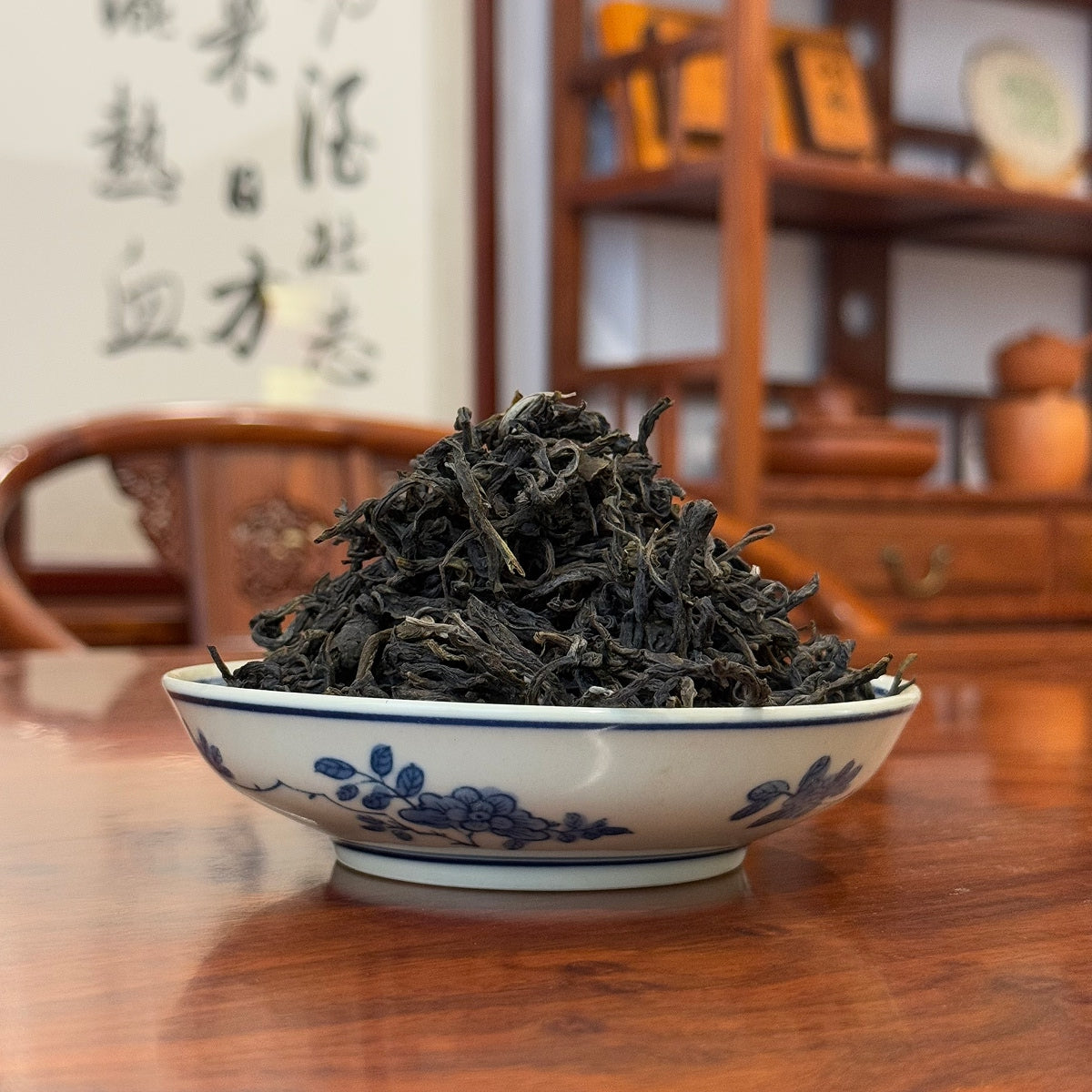
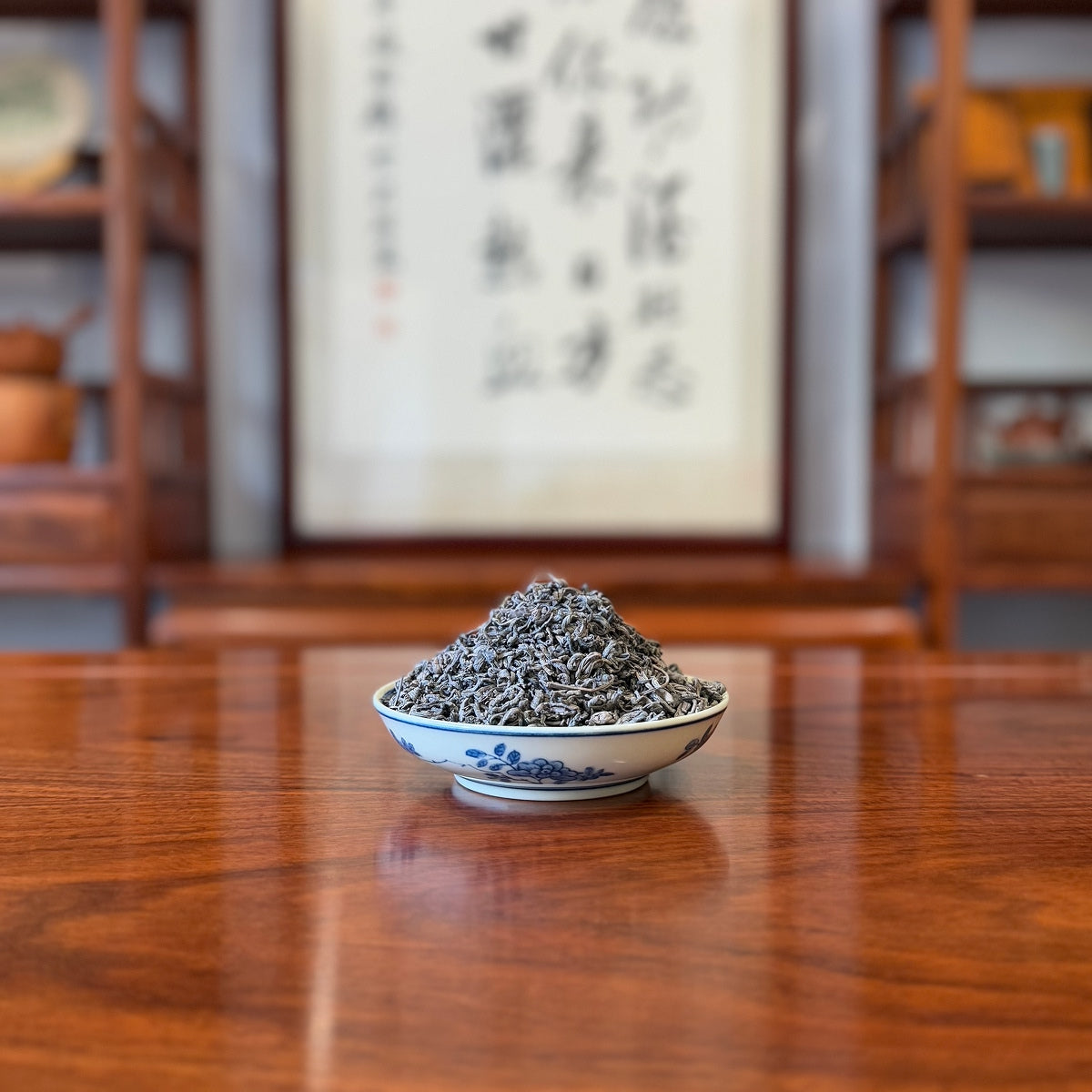
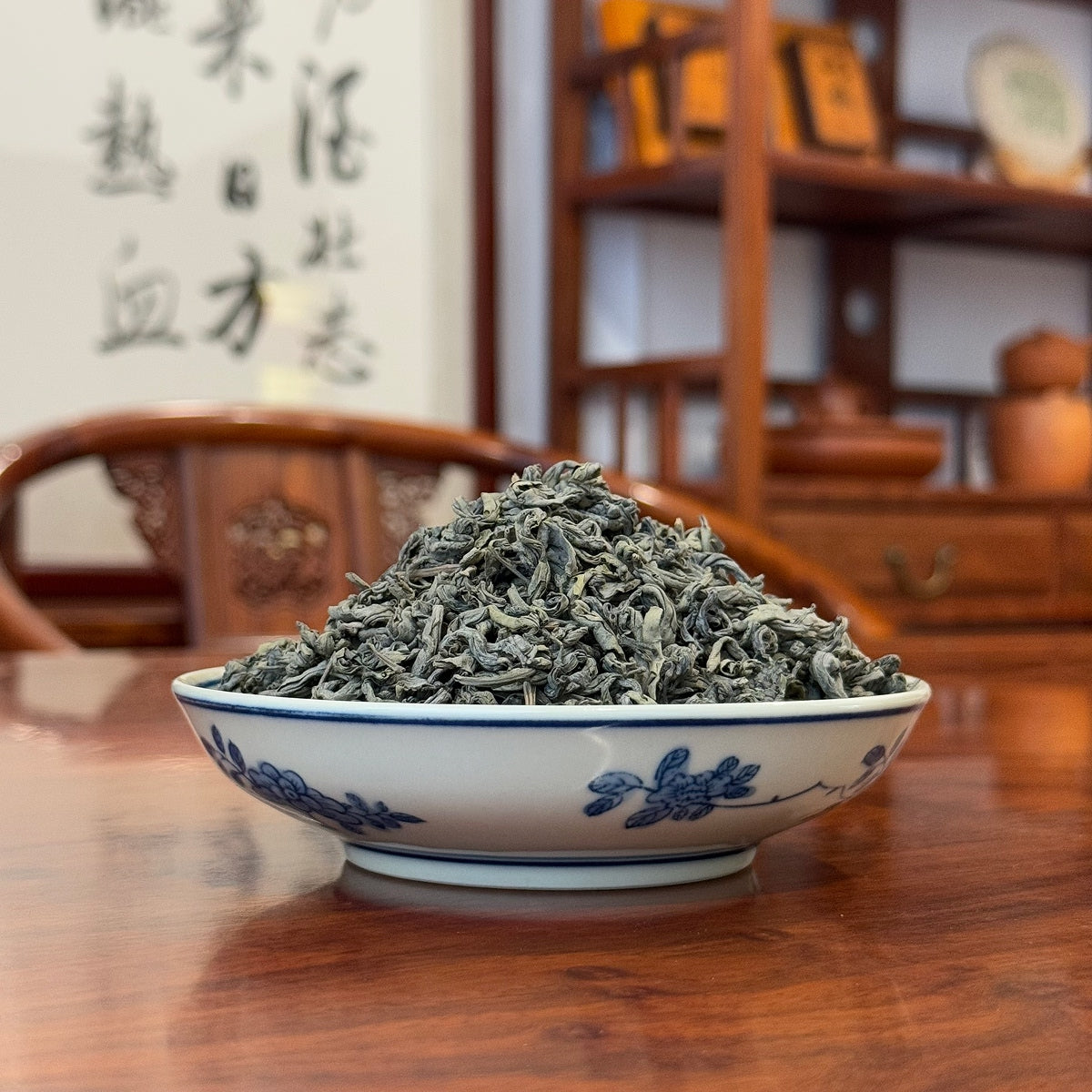
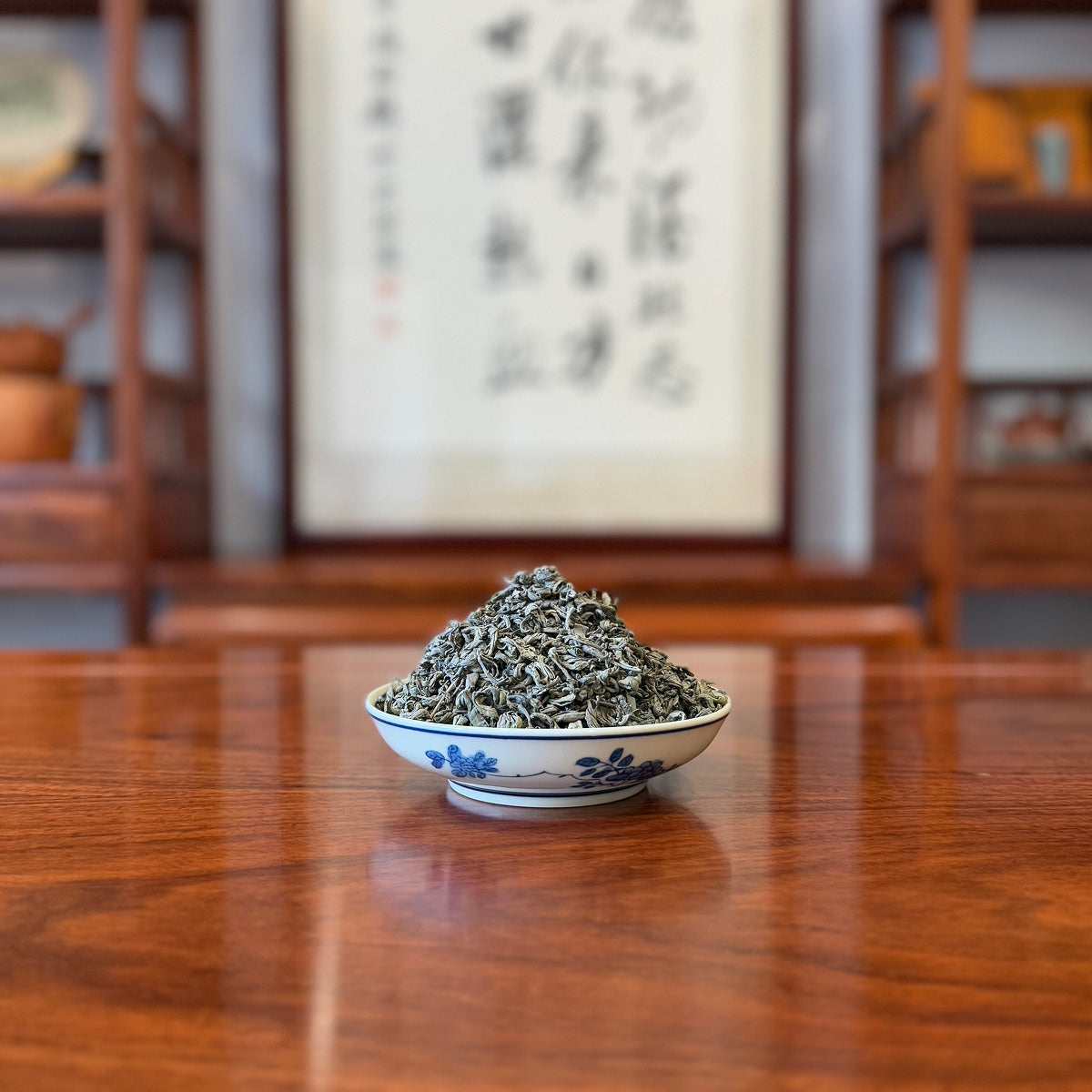
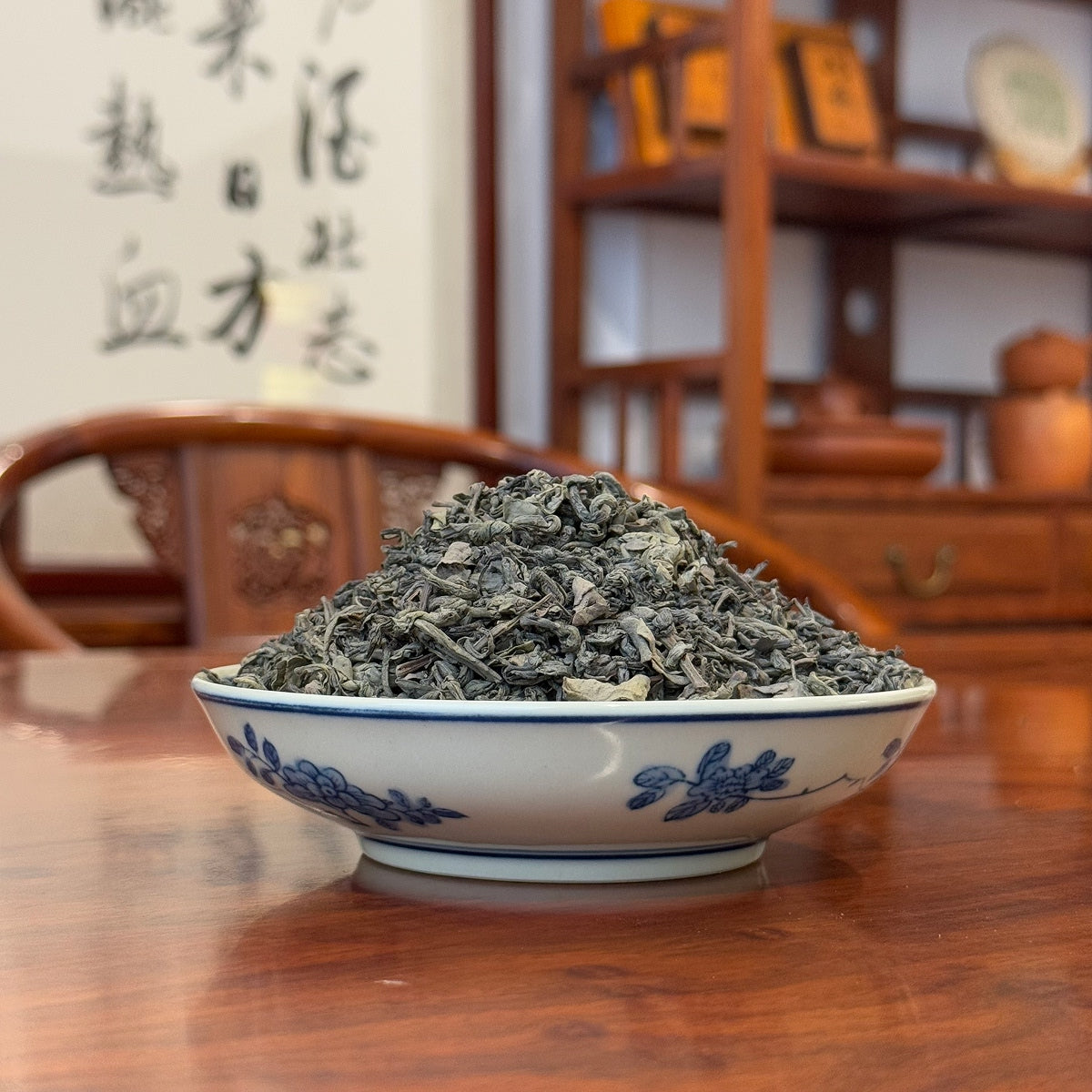
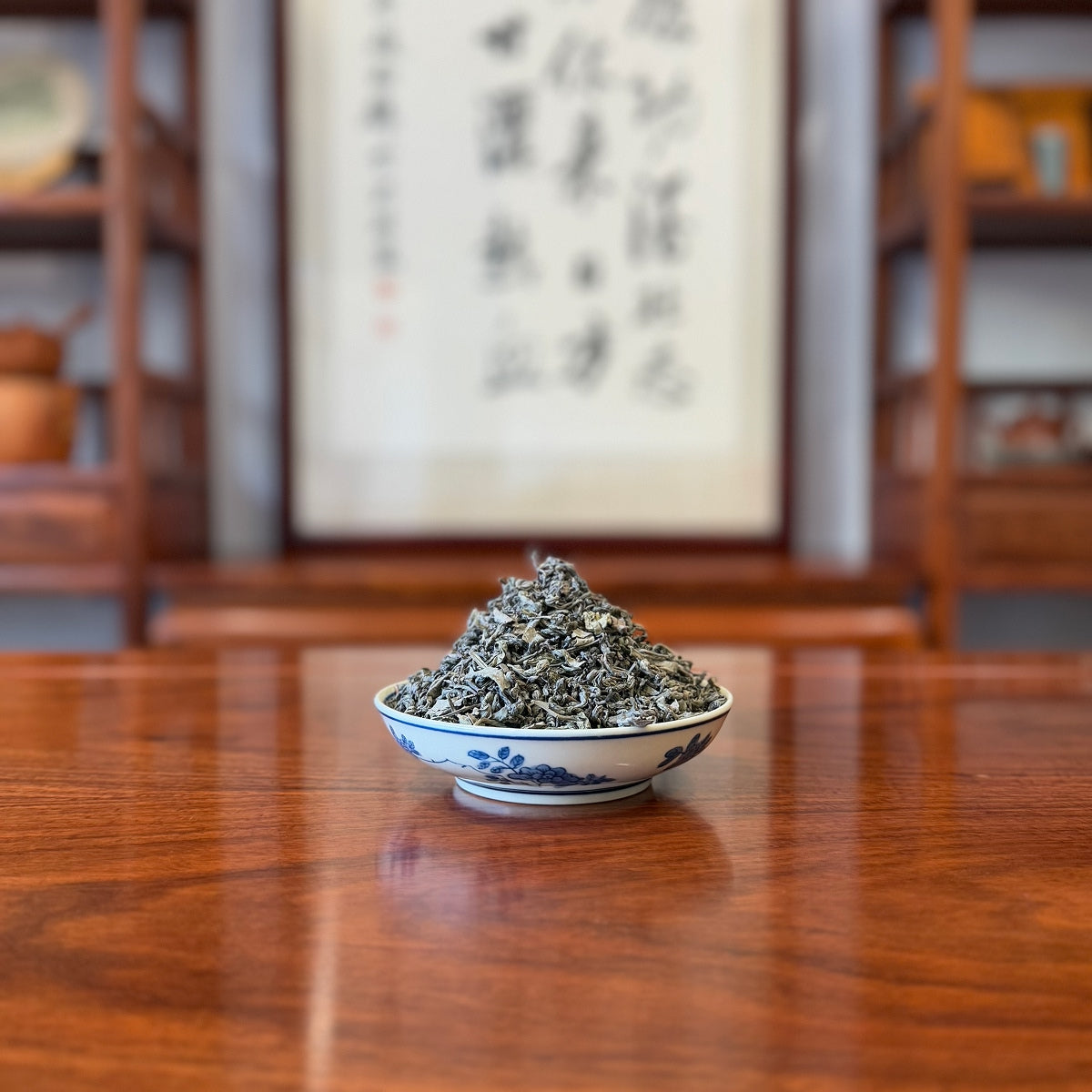
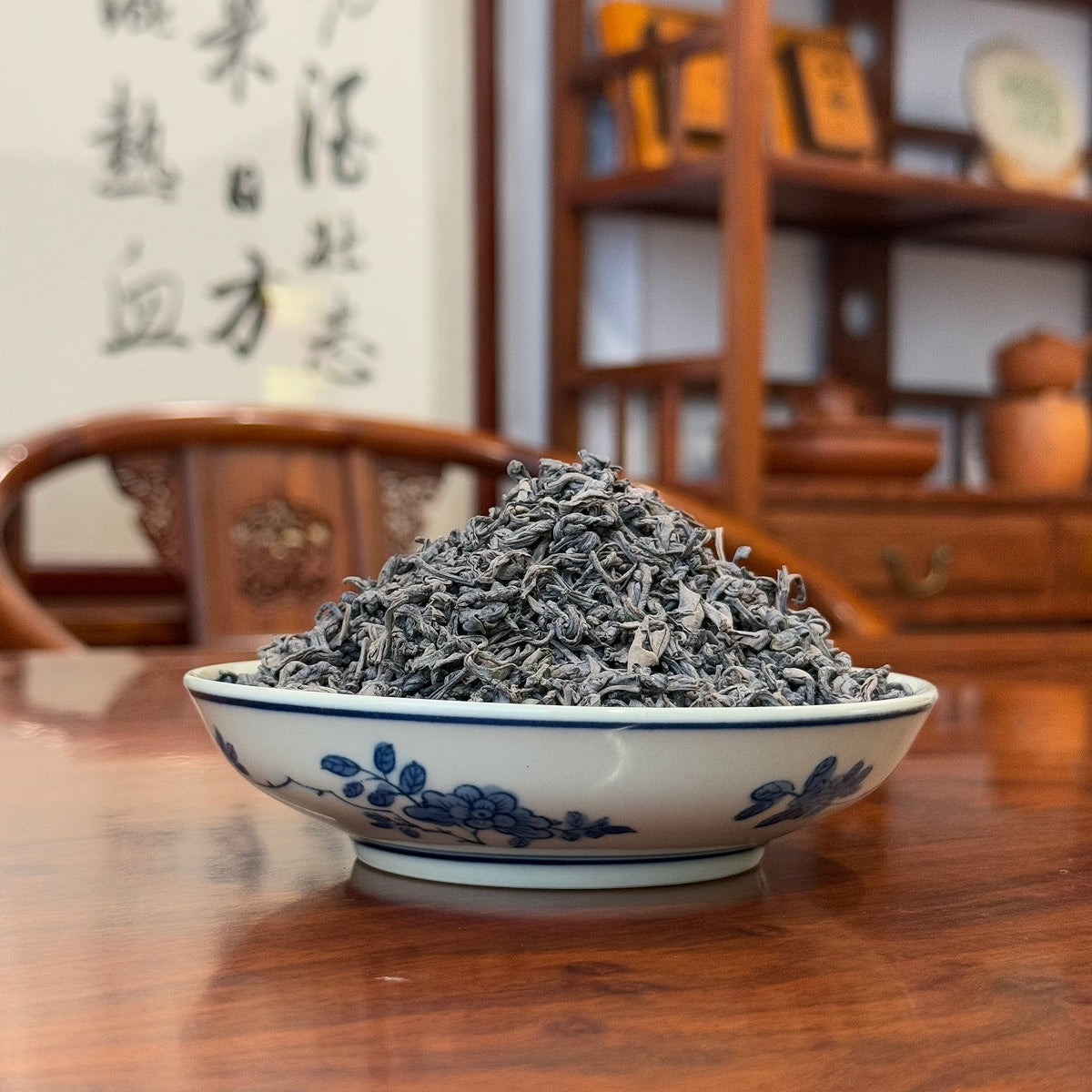
Chinese loose-leaf tea can take many different forms. Depending on the tea, the leaves may be flat, twisted, curled, rolled, or relatively natural in appearance. These differences often reflect the raw material and shaping methods used during production rather than a simple difference in quality.
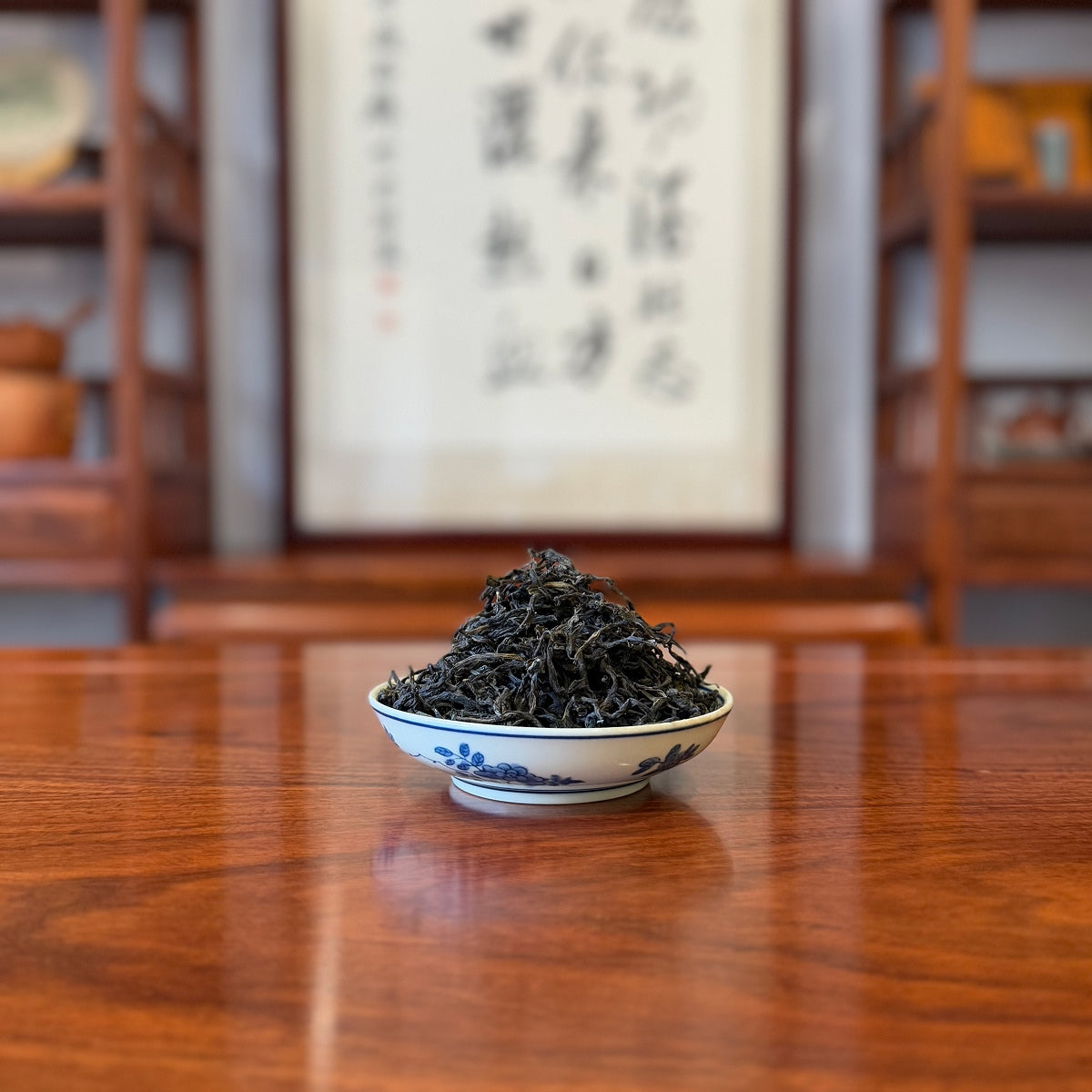
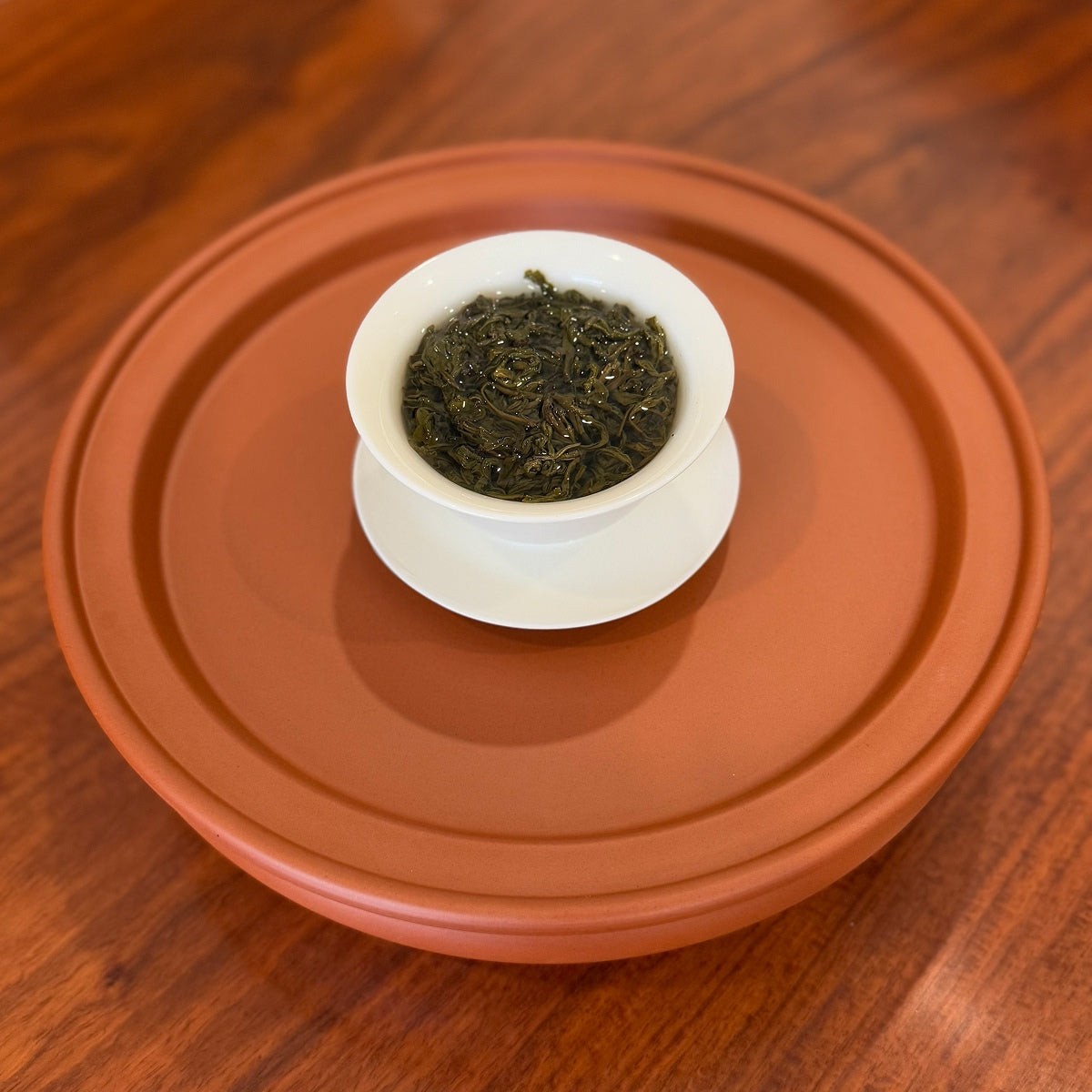
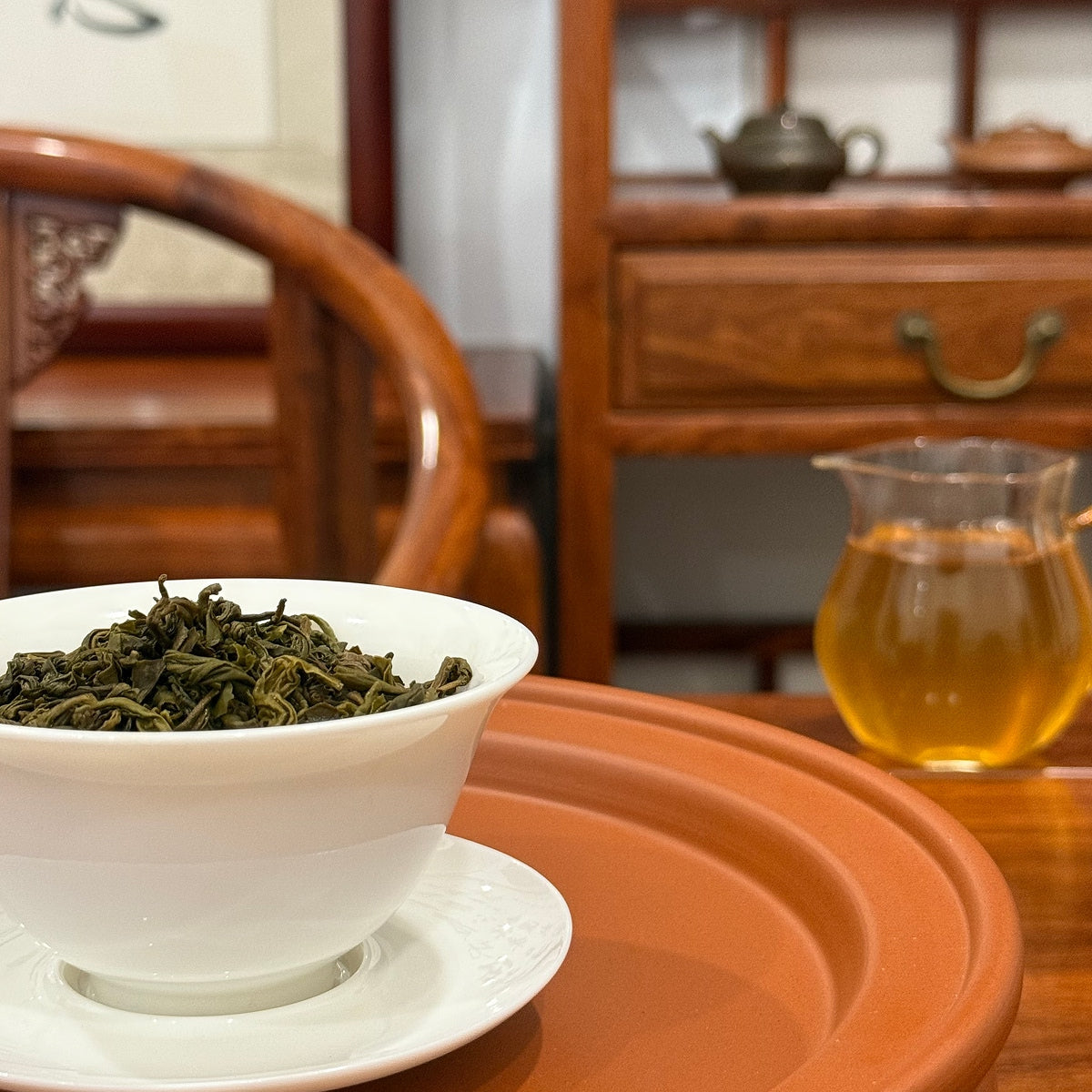
Rather than being packed into individual tea bags or sachets, loose-leaf green tea keeps the finished leaves loose, allowing their appearance, size, shape, and picking standard to remain visible. Chinese green tea is commonly available in loose-leaf form, although individual teas can differ considerably in how the leaves are shaped and presented.
The appearance of loose tea leaves can provide useful clues about how a tea was harvested and made. Buds, young leaves, mature leaves, leaf size, and shaping style can all contribute to the finished appearance.
However, appearance should not be used as a quality standard by itself. A delicate bud-picked green tea and a fuller-leaf green tea may represent very different styles and drinking experiences. One should not automatically be considered better simply because its leaves are smaller, more uniform, or more visually refined.
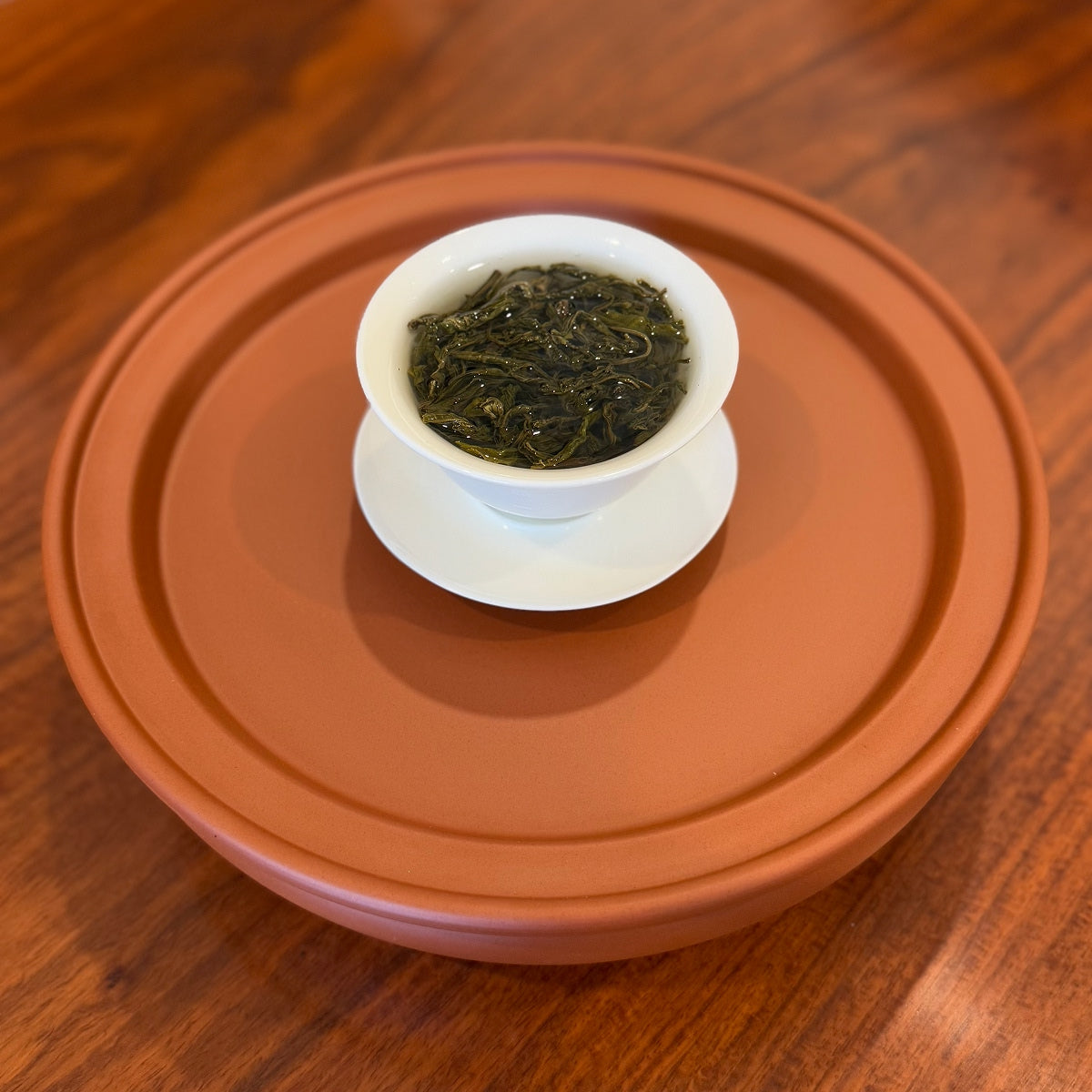
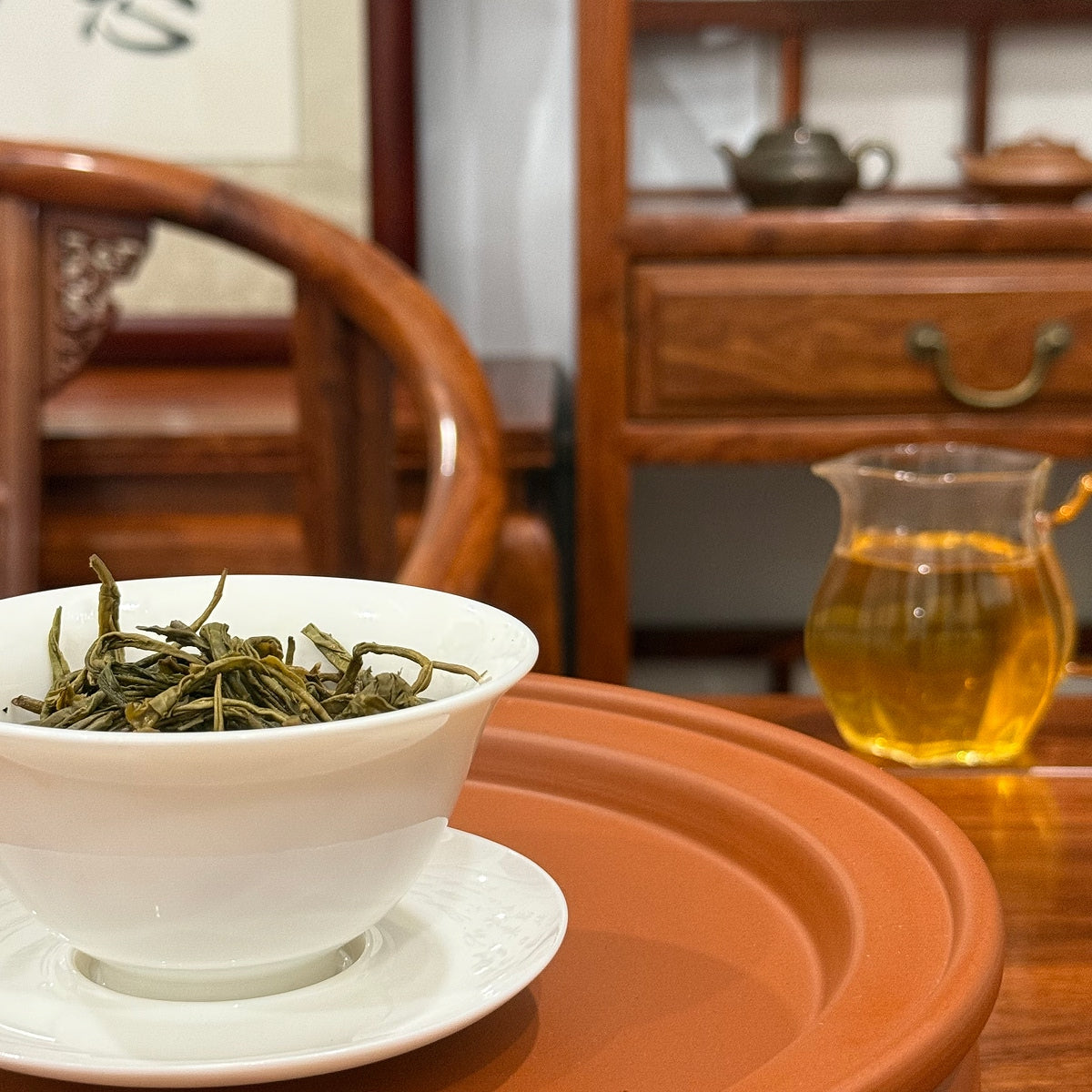
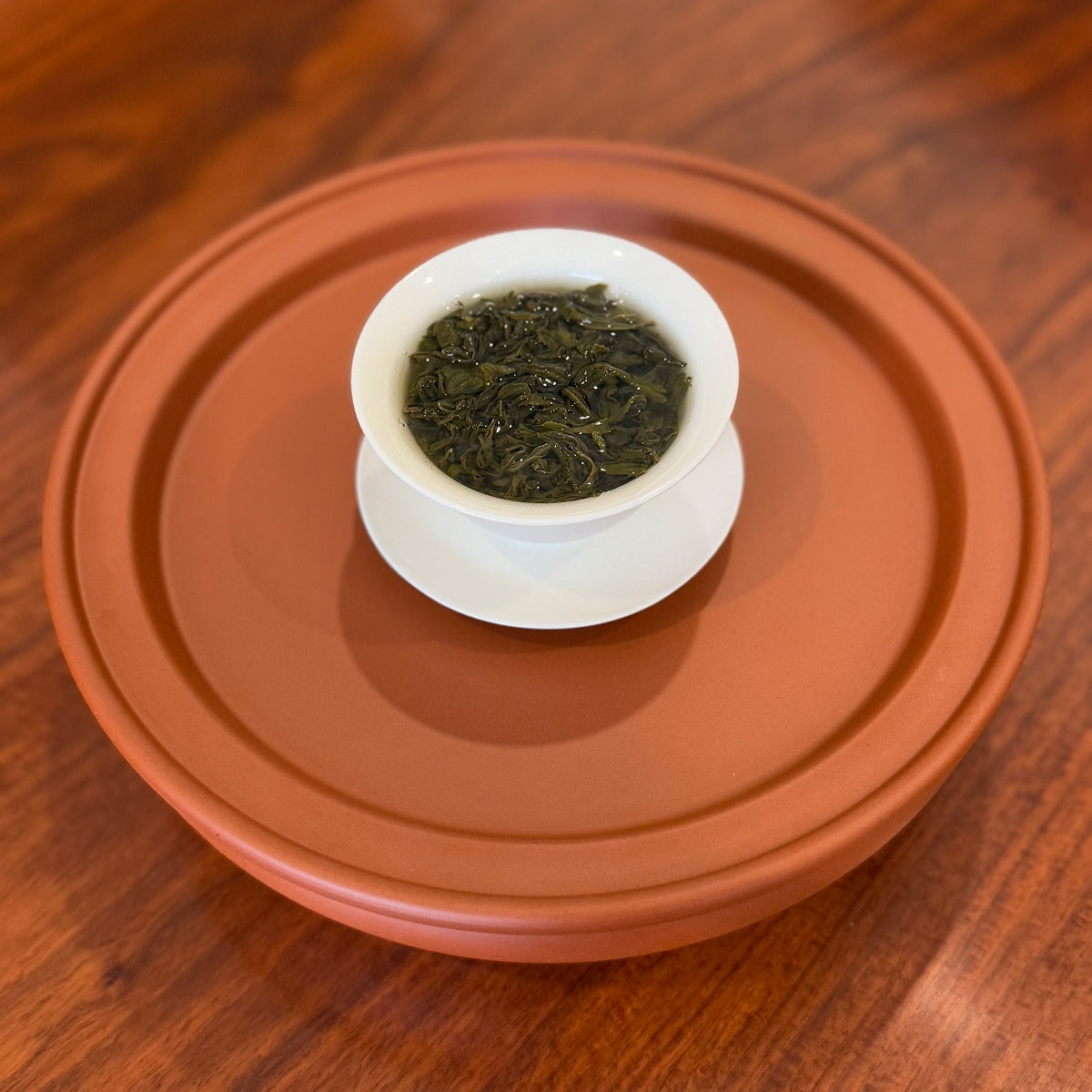
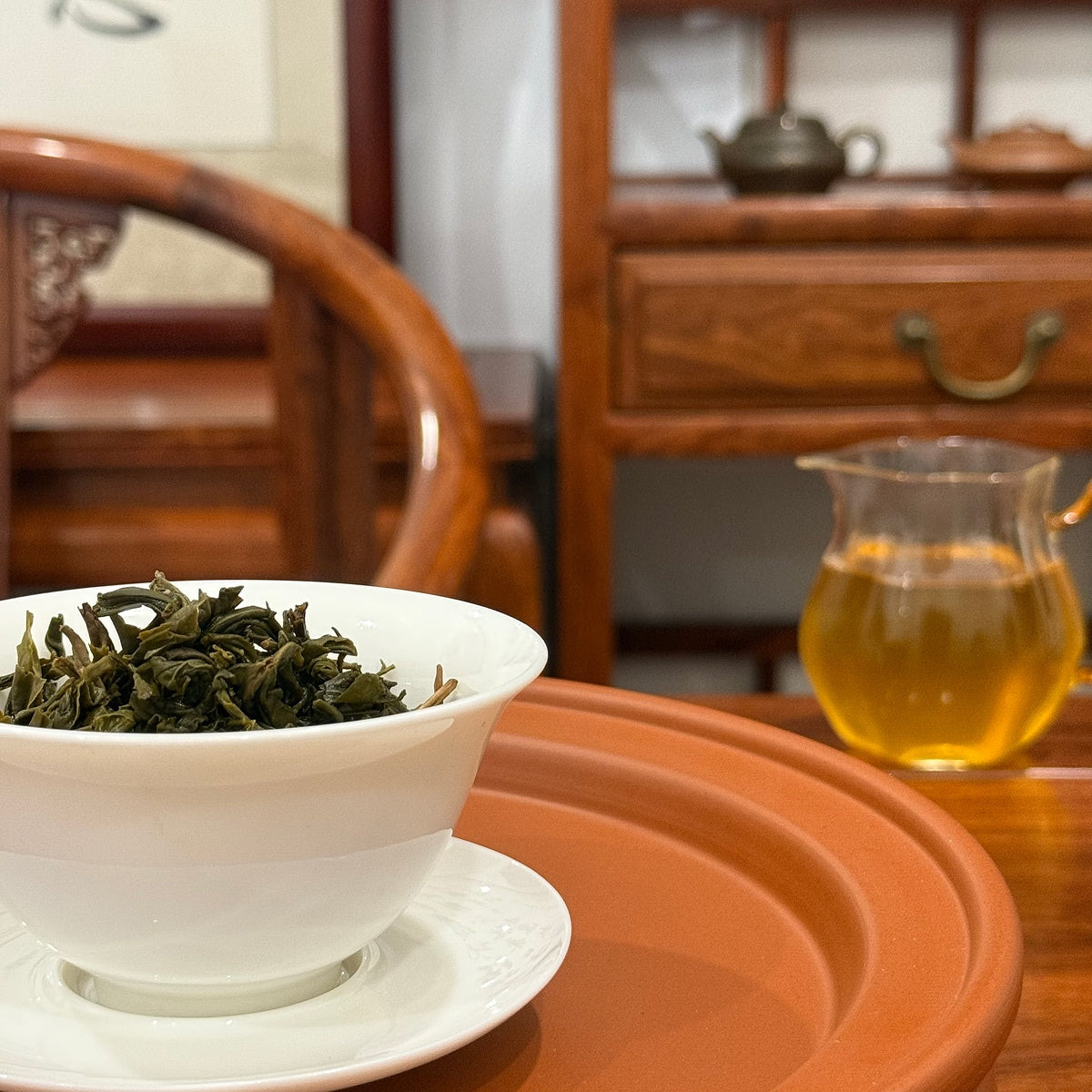
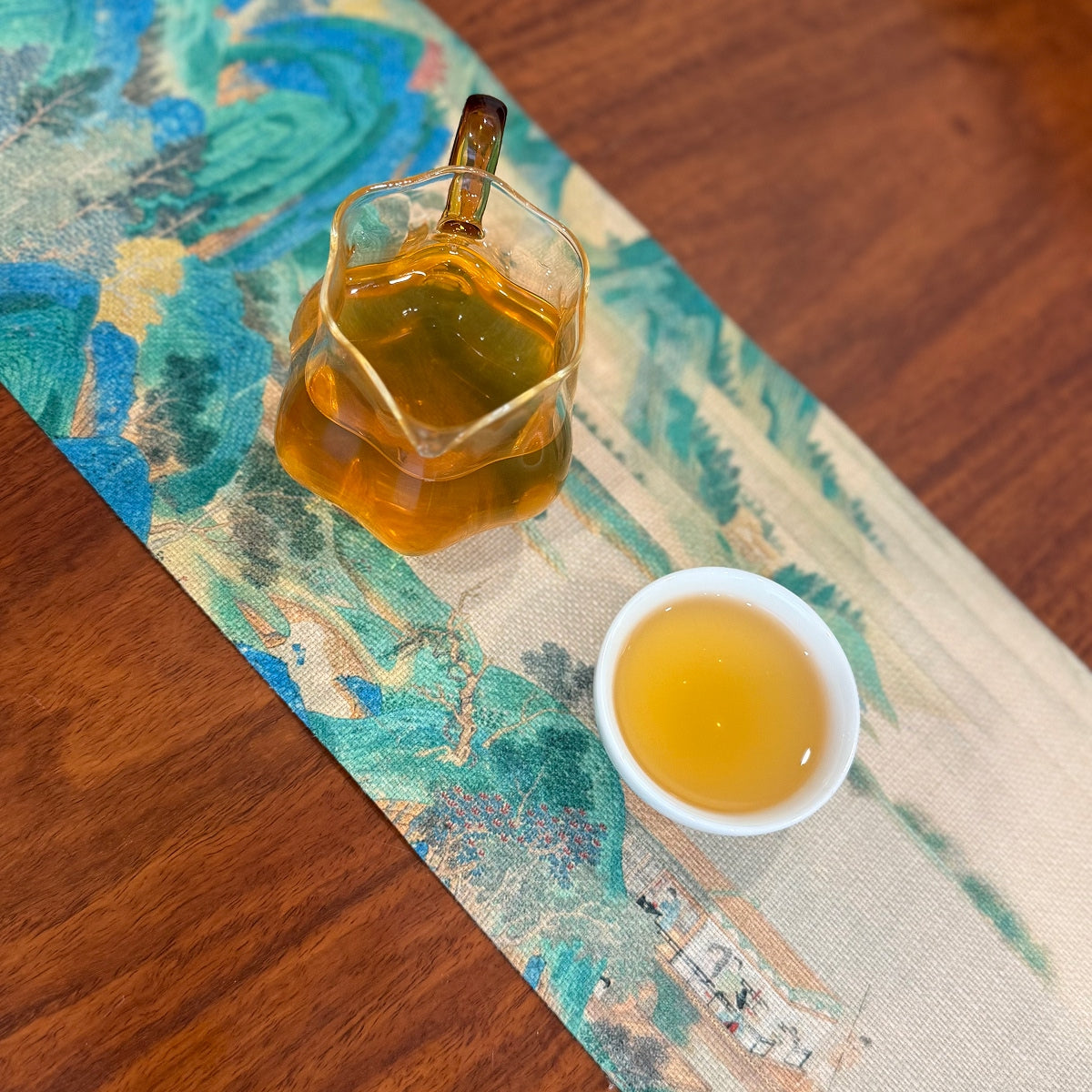
Loose-leaf green tea allows the leaves to open and release their character gradually during brewing. Depending on the tea and brewing method, Chinese green tea may be prepared in a glass, gaiwan, teapot, or other suitable vessel.
Because different green teas vary in leaf size, tenderness, processing, and style, there is no single brewing formula that is ideal for every tea. Water temperature, leaf quantity, infusion time, and brewing vessel can all be adjusted according to the individual tea and personal preference.
When choosing loose-leaf green tea, consider more than the appearance of the dry leaves. Origin, harvest, raw material, processing, freshness or age, and the character of the brewed tea all provide useful information.
Loose-leaf green teas can also differ greatly in body, intensity, and overall character, depending on the tea itself. The better choice depends on the style of tea and your own preferences rather than on a single standard for what Chinese green tea should taste like.
Choosing Chinese green tea begins with understanding what you are looking for. Origin, tea type, harvest, processing, freshness or age, and form can help narrow your options, while the character of the individual tea ultimately determines whether it suits your preferences.
Our collection brings together green teas from different regions of China and a range of styles, from lighter and more delicate teas to fuller-bodied and more pronounced selections. Rather than treating one style, region, harvest, or appearance as a guarantee of quality, consider how the individual tea fits your own preferences.
When buying Chinese green tea, look for clear information about the individual tea. Useful details include its origin, tea plant material, harvest, processing, production year, and, where relevant, storage conditions.
At Chinese Tea Group, these details are clearly provided for each tea in our collection, making it easier to understand what you are buying and compare different teas based on meaningful information rather than relying on the tea name, appearance, age, or price alone.
Chinese green tea does not have a single fixed flavor profile. Some teas may be light, fresh, and delicate, while others can offer a fuller body, stronger flavor, or more pronounced character.
When choosing between different teas, consider the qualities you enjoy most, as well as the tea's origin, harvest, raw material, and processing style. A tea that suits your preferences is a better choice than one selected simply because it is more famous, newer, older, or more expensive.
Whenever possible, tasting the individual tea is one of the most useful ways to make a comparison. Pay attention to its aroma, flavor, mouthfeel, aftertaste, and how it develops across multiple infusions.
If you cannot taste in advance, look for clear information about origin, harvest, and processing, and start with a small sample when available.
The goal is not to find one universally “best” Chinese green tea, but to find a well-made tea whose character, quality, and style suit the way you prefer to drink tea.