Dan Cong Oolong Tea

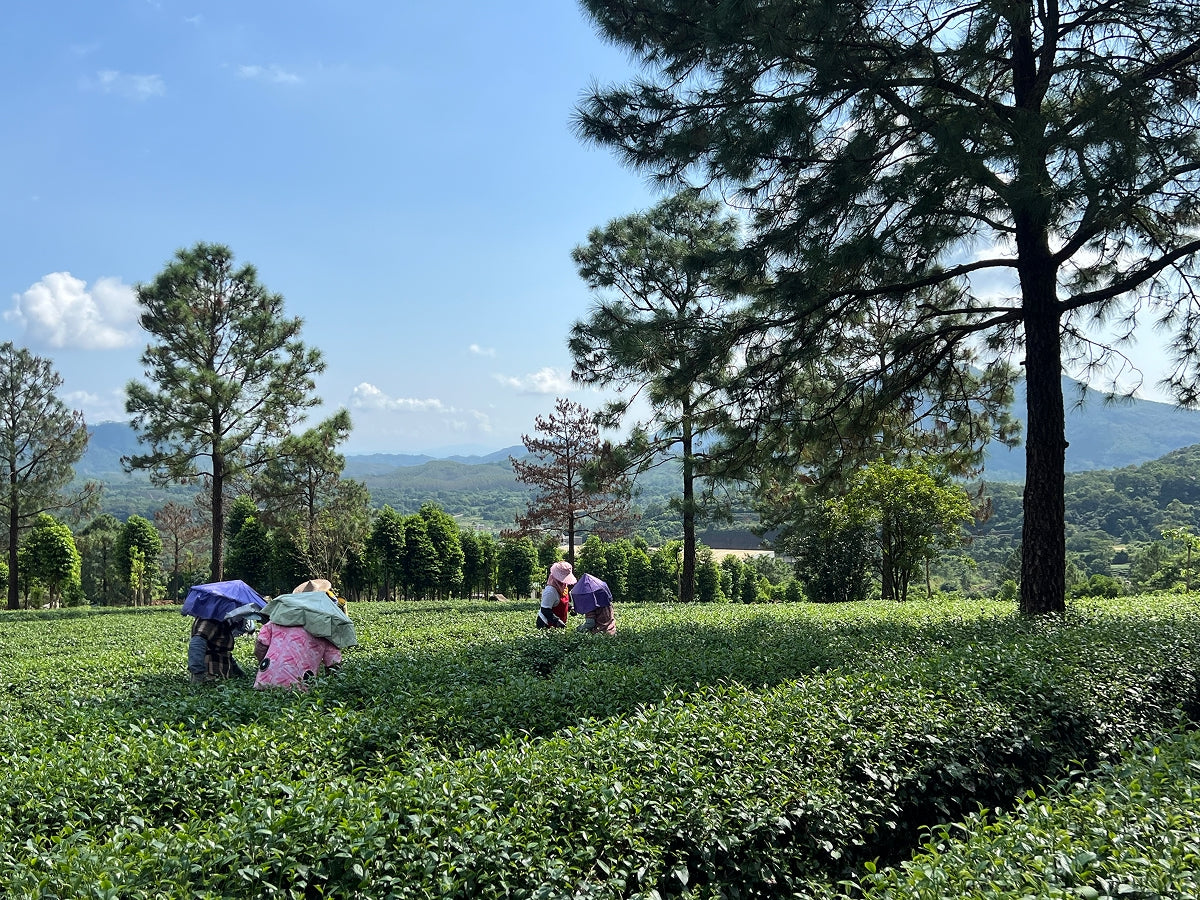
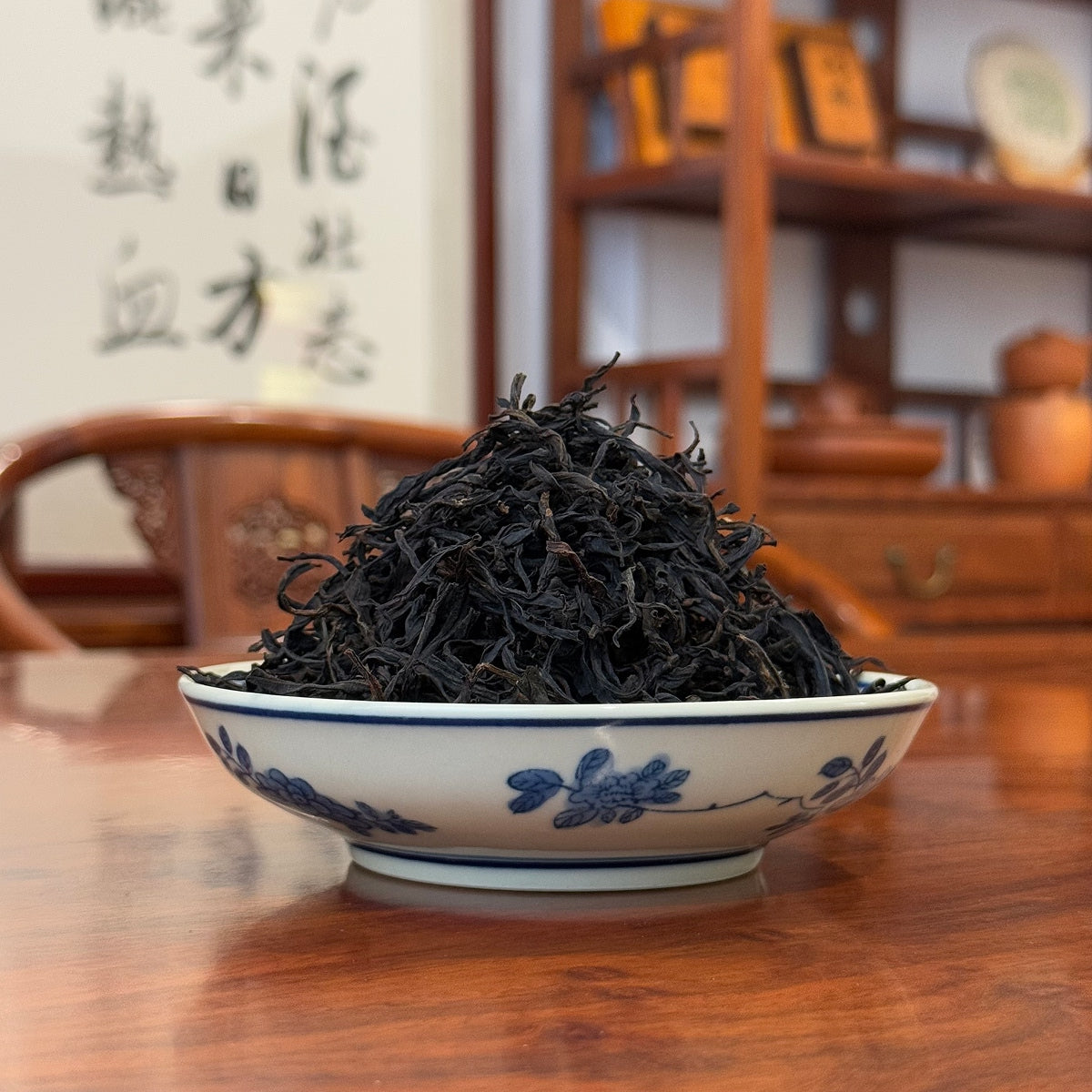
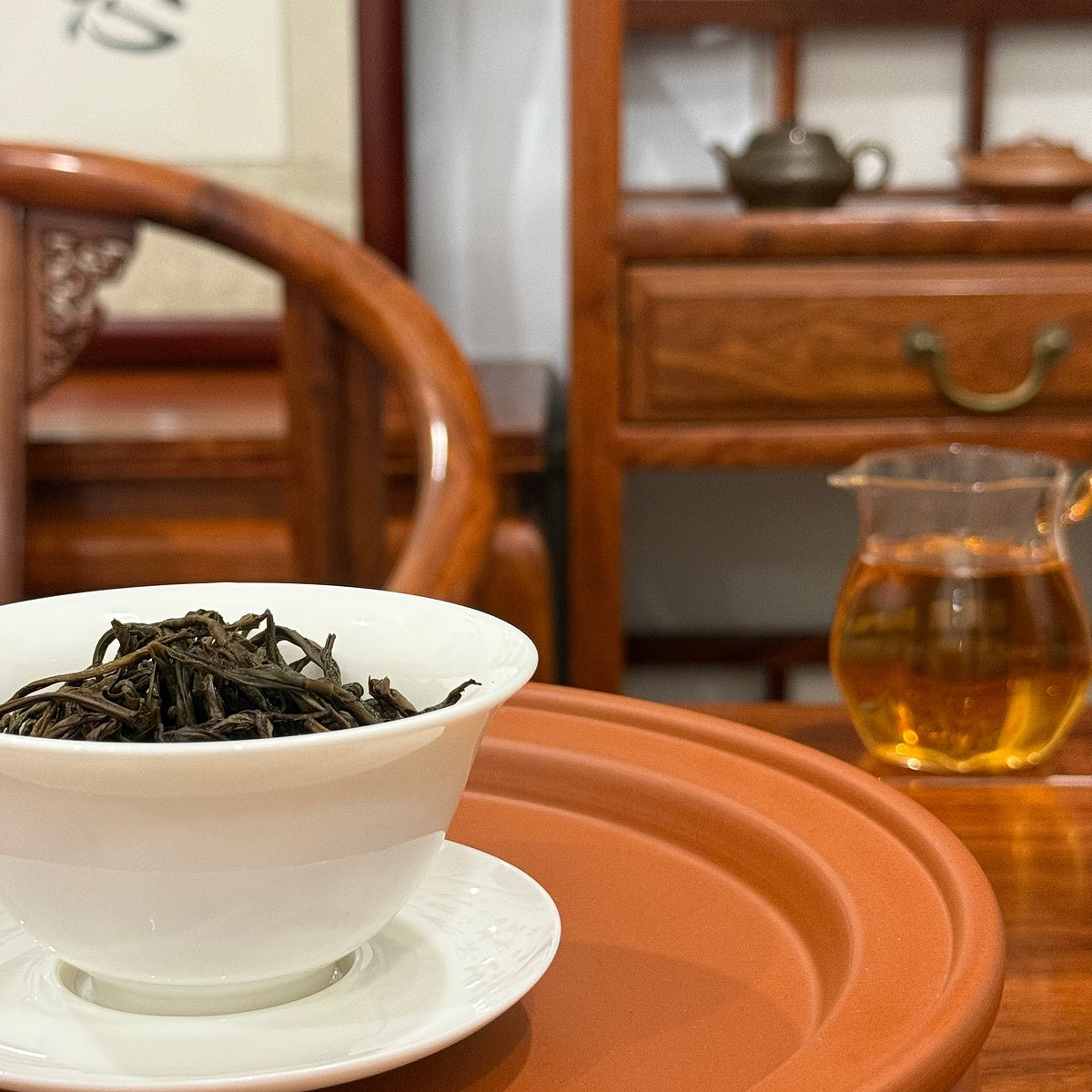
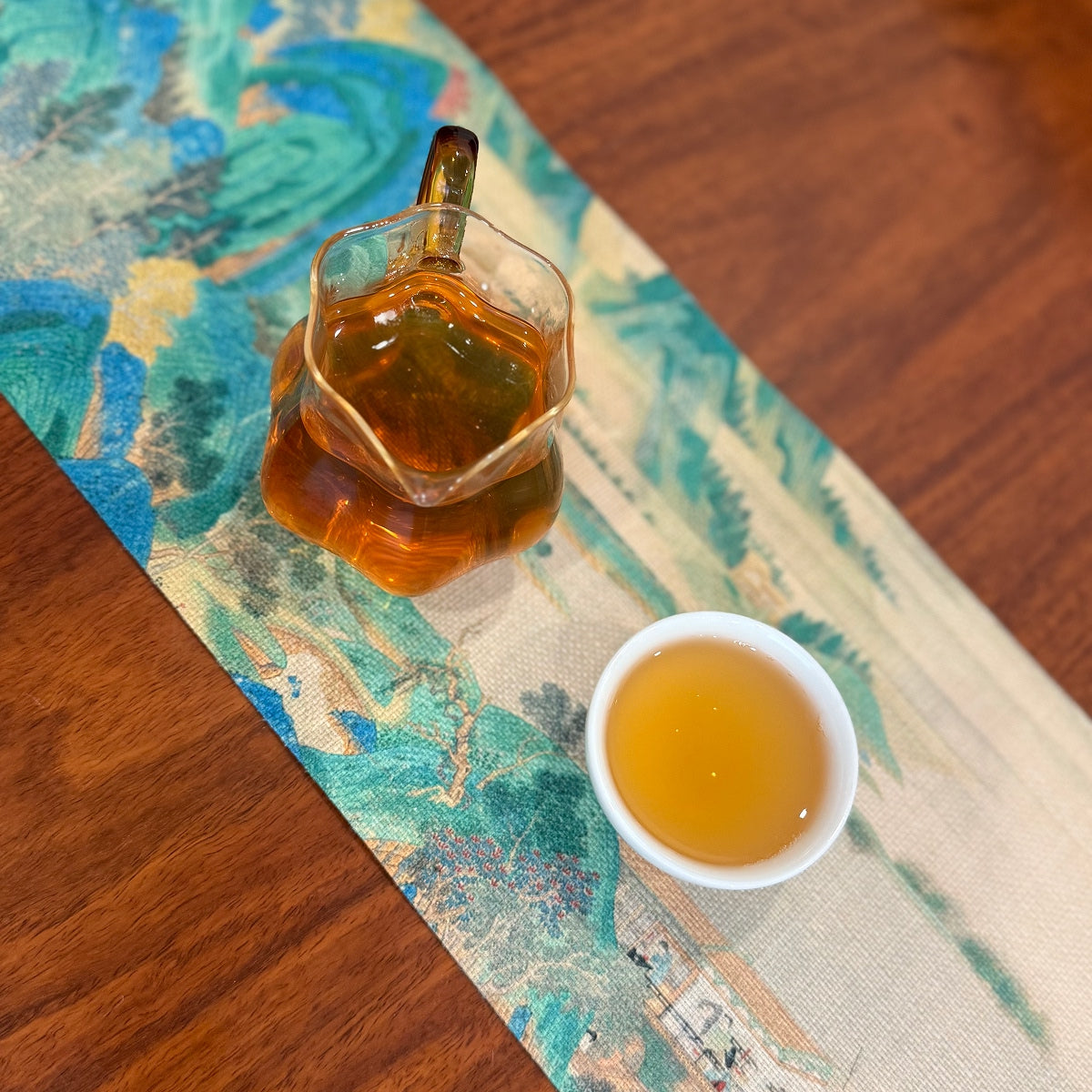
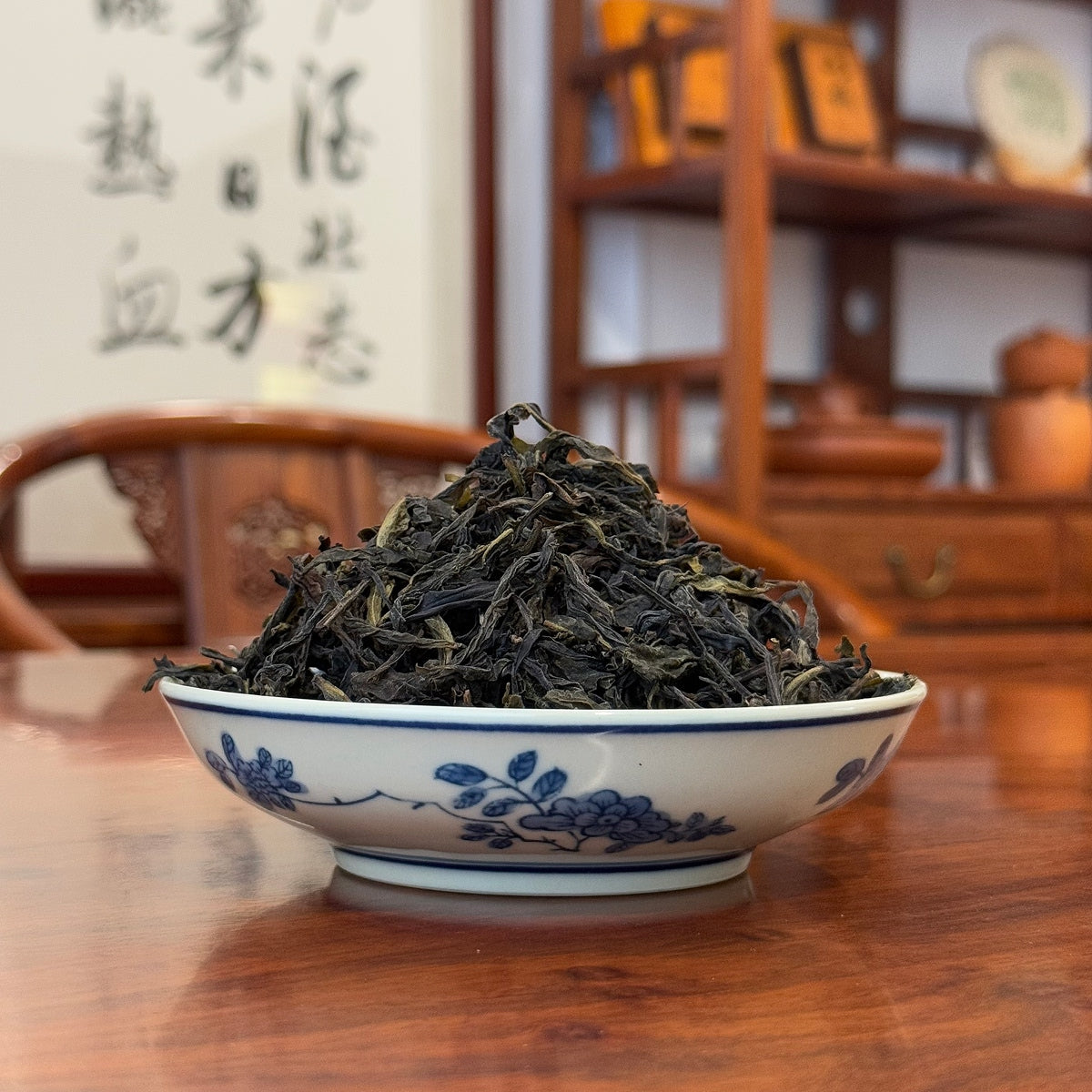
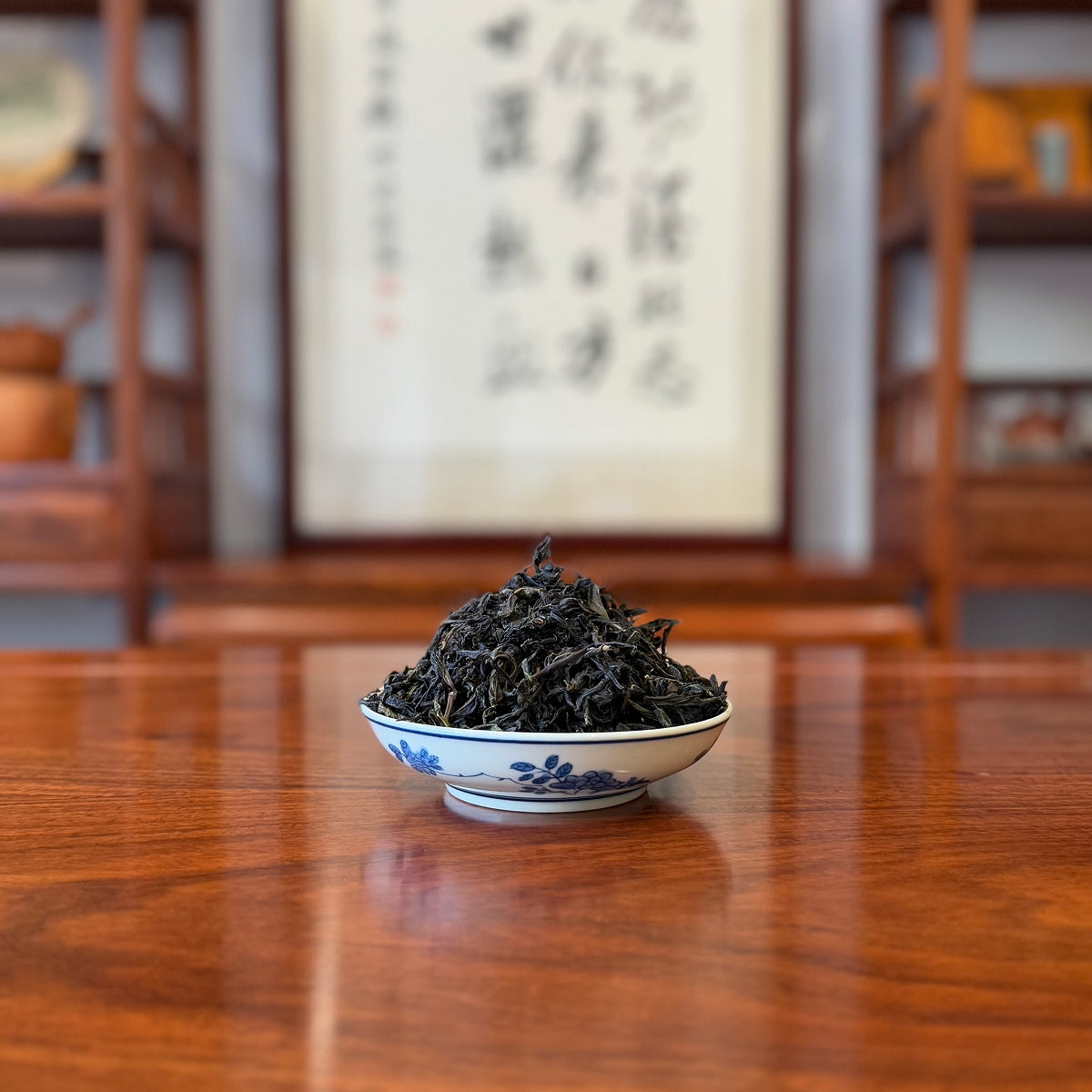
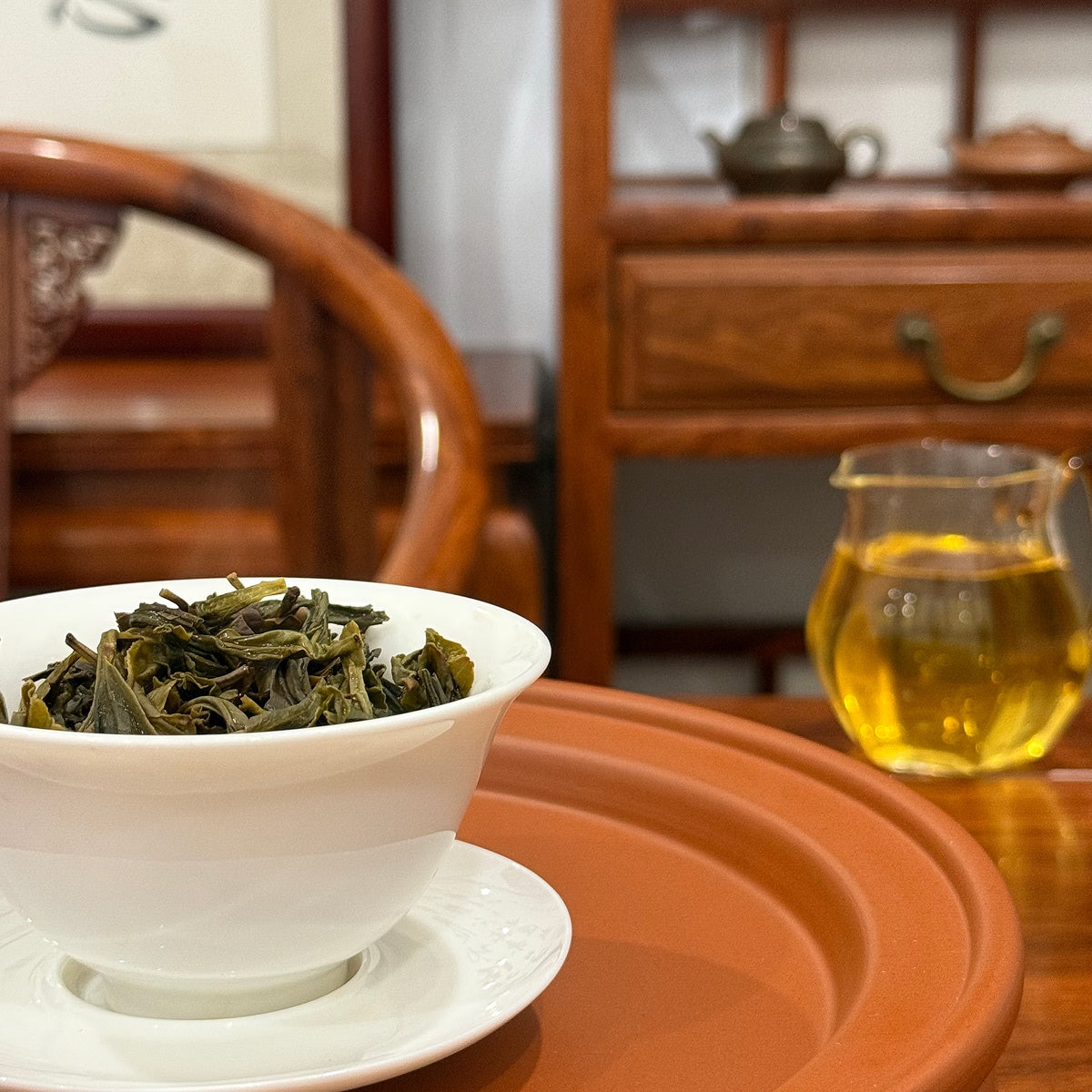
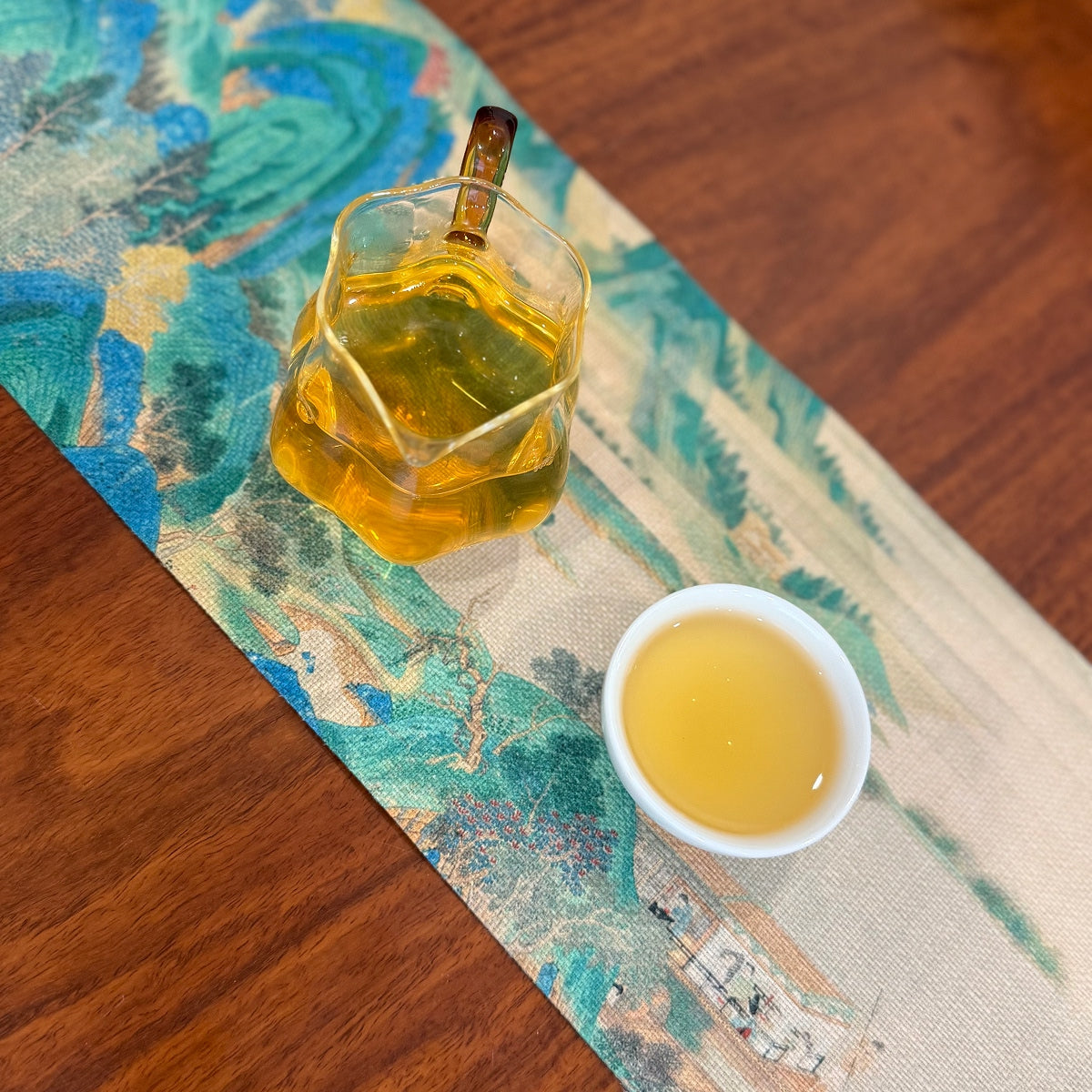
Phoenix Dan Cong Oolong Tea comes from Chaozhou, Guangdong—the birthplace of Gongfu Tea. Grown in volcanic soil and refined through centuries of charcoal-roasting, these trees embody the terroir, heritage, and the spirit of “cultivating, crafting, and cherishing tea.” Today, it is one of China’s most iconic and beloved Oolong teas.

Skip to results list
Tea Category
Tea Style
Tea Form
Tea Age
Region
14 items

Filter

Tea Category
Tea Style
Tea Form
Tea Age
Region

Featured Collection

View all
The Story and Heritage of Dan Cong Tea

History of Phoenix Dan Cong Oolong Tea

Phoenix Dan Cong Oolong Tea is a legendary Chinese tea with a history spanning nearly a millennium. From the forested slopes of its native mountains to recognition around the world, it has evolved from a regional beverage into a cultural symbol. Its story intertwines imperial legend, ecological uniqueness, and the dedication of generations of tea farmers who preserved its craft and heritage.
Originating from Phoenix Mountain (Fenghuang Shan) in Chaozhou, Guangdong Province, this tea is crafted using the traditional semi-oxidized method characteristic of Oolong tea. Over centuries, it developed a distinctive identity shaped by geography, craftsmanship, and cultural continuity.

Origins in the Song Dynasty

The earliest and most widely told accounts trace back to the Southern Song Dynasty (960–1279 CE). According to legend, during the dynasty’s final years, Emperor Zhao Bing fled south and arrived at Fenghuang Mountain, exhausted and thirsty. Local villagers offered him a tea known as “Hong Yin Cha” (“Red Blossom Tea”), also called “Bird’s Beak Tea” because of its pointed leaf tips. After drinking it, the emperor reportedly felt refreshed and praised the tea highly. From that time, it became associated with the name “Song Tea,” adding a legendary aura to what would later develop into Dan Cong Oolong.

The “Song Variety” Trees

Another story from the same era speaks of a monk from Taiping Temple who recognized the exceptional environment of the Wu Dong mountainside and planted tea trees there. Some ancient trees still surviving today are believed to be 600–700 years old. While historical verification remains limited, these ancient Dan Cong trees are often regarded as living witnesses to the tea’s early development.

Recognition During the Ming Dynasty

By the Ming Dynasty (1368–1644), the tea—then called “Fenghuang Tea”—had gained official recognition. Records in the Chaozhou Gazetteer indicate that during the Jiajing period (1522–1566), it was designated as tribute tea for the imperial court under the name “Daizhao Tea,” with a fixed annual quota.
This transition marked an important milestone: Phoenix Oolong moved from a regional specialty into the national tribute tea system, strengthening its reputation among Guangdong’s most esteemed teas.

The Emergence of the Name “Dan Cong” in the Qing Dynasty

The distinctive name “Dan Cong,” meaning “single bush,” emerged during the Qing Dynasty (1644–1912). Between the Tongzhi and Guangxu reigns (1875–1908), tea farmers observed that each individual tea tree, shaped by subtle variations in soil, elevation, and microclimate, produced unique aromas and flavors.
To preserve these natural distinctions, they began harvesting and processing leaves from single trees separately. This refined practice—often described as “one bush, one fragrance”—gave rise to the name Dan Cong. The method highlighted individuality rather than uniformity and became a defining characteristic of the tea.
From the late Qing through the early Republic period, both trade and craftsmanship continued to mature, further refining production techniques.

International Recognition and Global Expansion

In 1915, a carefully selected Phoenix Shui Xian tea won a silver medal at the Panama–Pacific International Exposition, bringing international recognition to tea from Fenghuang Mountain.
In the decades that followed, tea merchants expanded overseas, particularly to Southeast Asia, strengthening international trade. By the 1950s, systematic grading and classification formally established “Phoenix Dan Cong” as a distinct tea category.
In 1986, Phoenix Dan Cong tea secured first place in a national premium tea competition and has since received numerous awards for excellence.

Sustainability and Cultural Heritage Today

Today, under the stewardship of local tea farmers committed to ecological preservation and sustainable cultivation, Phoenix Dan Cong Oolong Tea continues to flourish. Ancient tea trees are carefully protected, and traditional techniques are passed down through generations, preserving the vitality of this mountain tea lineage.
Recognized as a “China Excellent Tea Regional Public Brand,” and included within China’s Important Agricultural Cultural Heritage system, Phoenix Dan Cong stands as one of the most representative Oolong teas of China. It carries profound local history and cultural memory while enjoying widespread appreciation both domestically and internationally.

Varieties and Flavors of Phoenix Dan Cong Tea

Phoenix Dan Cong Oolong Tea Varieties

Phoenix Dan Cong Oolong Tea, one of China’s most beloved teas, owes its charm to the rich diversity captured in the phrase “one bush, one fragrance; ten fragrances, a hundred flavors.” To understand its varieties and aromas, we must first look at the core concept of “single-bush processing.”
As mentioned in the previous section on the history of this tea mountain, the name “Dan Cong” originated during the Qing Dynasty (circa late 19th to early 20th century). Tea farmers began cultivating and processing individual superior bushes separately. Each tree naturally varied due to seed propagation. Combined with microenvironmental differences such as altitude, soil, and sunlight, this produced a unique aroma. Once tea farmers recognized these “personalities,” they preserved them individually and assigned each a name.
Thus, Phoenix Dan Cong is not a single variety but a vast “family” comprising hundreds of distinct cultivars.
Determining exactly how many varieties of Phoenix Dan Cong exist is challenging. Tea trees continuously mutate in their natural environment, and different cultivars naturally crossbreed to produce new offspring. Generations of tea farmers have continuously selected single bushes with distinctive aromas and superior quality for separate cultivation, harvesting, processing, and naming. The combined effect of nature and human wisdom has allowed the Phoenix Dan Cong family to evolve and expand continuously.
Roughly summarized:
• Historically, at the peak of cultivation on Phoenix Mountain, there were over 2,000 named single-bush cultivars.
• After surveys, sorting, and selection, around 200 cultivars remain widely grown today with fixed names.
• The varieties commonly seen in the market mostly fall within the “Ten Major Aromas” or well-known individual bushes, numbering a few dozen—these are the varieties most easily encountered by tea enthusiasts.
This “one bush, one fragrance” principle is the key to the rich and ever-changing flavors and aromas of Phoenix Dan Cong Tea.
In short, the classification of aromas is a complex selection process that combines natural variation, human cultivation, and historical inheritance. The tea master team at Chinese Tea Group, leveraging years of research and tasting experience, can provide professional and accurate aroma and flavor profiles for each Dan Cong tea, allowing enthusiasts to fully appreciate the unique charm of Phoenix Oolong Tea.

The Ten Major Aromas of Phoenix Dan Cong Tea

To facilitate identification and categorization, local tea farmers and tea experts have classified the numerous cultivars into ten major aroma types:

  1. Mi Lan Xiang (Honey Orchid Aroma) – the most classic and widely popular aroma. The scent resembles sweet baked sweet potato, with a rich and fresh taste and strong aftertaste. Representative: Mi Lan Xiang, Bai Ye Dan Cong.
  2. Zhi Lan Xiang (Orchid Aroma) – elegant and delicate floral scent. Representative: Wu Dong Zhi Lan, Ba Xian Guo Hai.
  3. Yu Lan Xiang (Magnolia Aroma) – light and delicate with magnolia fragrance. Representative: Yu Lan, Niang Zai San.
  4. Gui Hua Xiang (Osmanthus Aroma) – elegant osmanthus fragrance. Representative: Qun Ti Dan Cong, Gui Hua.
  5. Xing Ren Xiang (Almond Aroma) – unique scent with nutty almond and creamy notes. Representative: Ju Duo Zi.
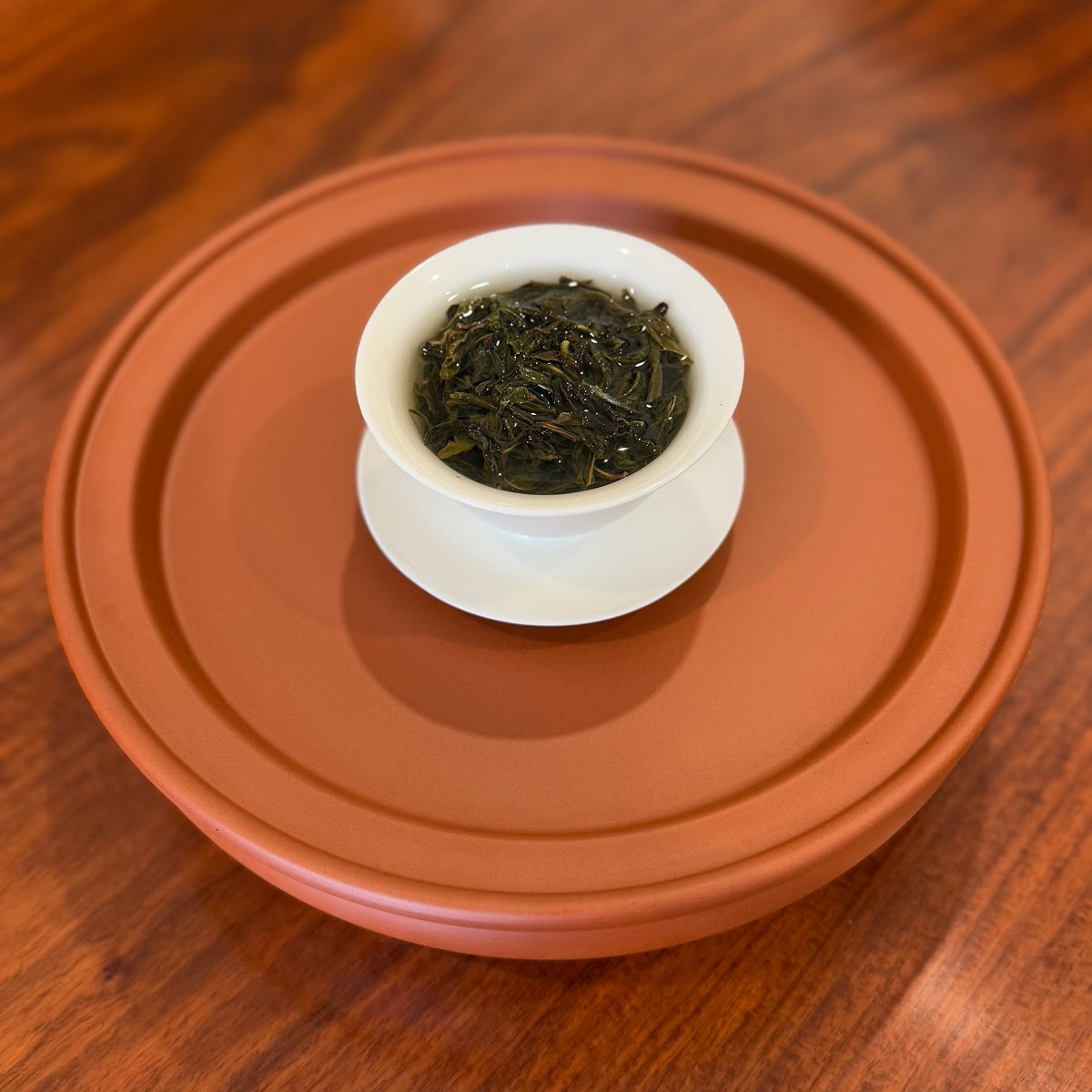
  6. Huang Zhi Xiang (Gardenia Aroma) – sharp and high fragrance, the largest and most classic aroma family in Dan Cong. Representative: Song Zhong Huang Zhi Xiang, Lao Xian Weng, Zong Suo Xie.
  7. Ye Lai Xiang (Night-Blooming Jasmine Aroma) – elegant, with lingering fragrance in the mouth. Representative: Ye Lai Xiang, Li Zai Ping Ye Lai Xiang.
  8. Jiang Hua Xiang (Ginger Flower Aroma) – clean, with mild ginger spiciness and sweet mellow tea liquor. Representative: Jiang Mu Xiang, Tong Tian Xiang.
  9. Rou Gui Xiang (Cinnamon Aroma) – clear and high aroma, reminiscent of traditional cinnamon. Representative: Rou Gui, Qun Ti Rou Gui.
  10. Mo Li Xiang (Jasmine Aroma) – clear jasmine fragrance. Representative: Mo Li Xiang, Zhu Liu Dan Cong.

Note: These ten aroma types provide a classification framework but do not restrict the aromas. For example, “Ya Shi Xiang” (currently officially named “Yin Hua Xiang”) belongs to the almond aroma type but has become a signature Dan Cong variety due to its unique name.

Representative Dan Cong Tea Cultivars

Among the many cultivars, several stand out as quality benchmarks, each with its own story and cultural significance.

Song Variety (Huang Zhi Aroma Type) – Ancestral Level

• History: The oldest “Song Variety No.1” grows at 1,150 meters on Wu Dong Mountain, over 600 years old, reportedly planted by a Southern Song monk or local villagers, revered as a living fossil and mother tree of Dan Cong tea.
• Characteristics: Steady tea liquor, with gradually unfolding gardenia fragrance, mineral-like richness, and long-lasting aftertaste.
• Market: Most “Song Variety” on the market are second- or third-generation grafts, yet still premium.

Mi Lan Xiang – A National Everyday Tea

• History: Mother tree located in the central village area of Wu Dong Mountain, hundreds of years old, widely promoted since the 1980s.
• Characteristics: Sweet floral aroma blended with orchid notes, smooth entry, quick sweet aftertaste, especially mellow after charcoal roasting. Representative: Bai Ye Dan Cong.
• Story: Roasting produces sweet baked-sweet-potato notes, combined with orchid fragrance.

Ya Shi Xiang (Yin Hua Xiang / Almond Aroma Type): Most Rustic Name, Boldest Aroma

• History: Name has multiple origins; one story links it to yellow “duck-shit soil,” another claims tea farmers named it casually to prevent theft.
• Characteristics: Bold, high aroma with milk, almond, and honeysuckle notes; smooth tea liquor with strong aftertaste.
• Position: Most famous and best-selling, nearly synonymous with Dan Cong.

Zhi Lan Xiang – “Elegant and Noble”

• History: Mother trees mainly on Wu Dong Mountain and Feng Xi areas, long historical cultivation; “Zhi Lan” metaphorically named after virtues of gentlemen.
• Characteristics: Delicate orchid fragrance gradually rises from throat, lingering taste. Representative: Ba Xian Guo Hai, Ji Long Kan, Niang Zai San.

Da Wu Ye – “Broad Leaves, Sharp Aroma”

• History: Large, deep green leaves, high yield, fragrant; widely planted on Phoenix Mountain.
• Characteristics: Bold aroma, bright golden tea liquor, rich and refreshing taste, clear aftertaste. Top-grade Da Wu Ye fragrance rivals Ya Shi Xiang.
• Story: Easy to cultivate, strong tea energy; a favorite daily tea for experienced drinkers.
These five cultivars are like five distinct personalities in the world of Dan Cong Oolong:
• Song Variety – deep and storied
• Mi Lan Xiang – warm and approachable
• Ya Shi Xiang – bold and flashy
• Zhi Lan Xiang – elegant and subtle
• Da Wu Ye – straightforward and refreshing
The varieties and aromas of Phoenix Dan Cong Oolong Tea—from unique ancient trees, to tea farmers’ naming wisdom, to modern systematic aroma classification—together create its profound cultural depth and distinctive charm.

The Essence and Craft of Phoenix Dan Cong Tea

Phoenix Dan Cong Oolong Tea: History & Craft

Introduction to Dan Cong Tea

Dan Cong Oolong Tea offers the world far more than just tea leaves. Nestled in Phoenix Mountain (Fenghuang Mountain) in Chaozhou, Guangdong Province, along China’s southern coast, the fertile soil formed from weathered volcanic rock nourishes centuries-old tea trees scattered across the hills. Together, they create a natural tea forest ecosystem and lay the foundation for Dan Cong tea.
Thanks to this unique natural environment and centuries-old tea-making traditions, Phoenix Dan Cong tea, nurtured by the local terroir, cultural heritage, and the spirit of “cultivating, crafting, and cherishing tea,” has given rise to a singular way of tea appreciation—Gongfu Tea. Chaozhou is therefore celebrated as the birthplace of Gongfu Tea.

Dan Cong Tea and Gongfu Tea Synergy

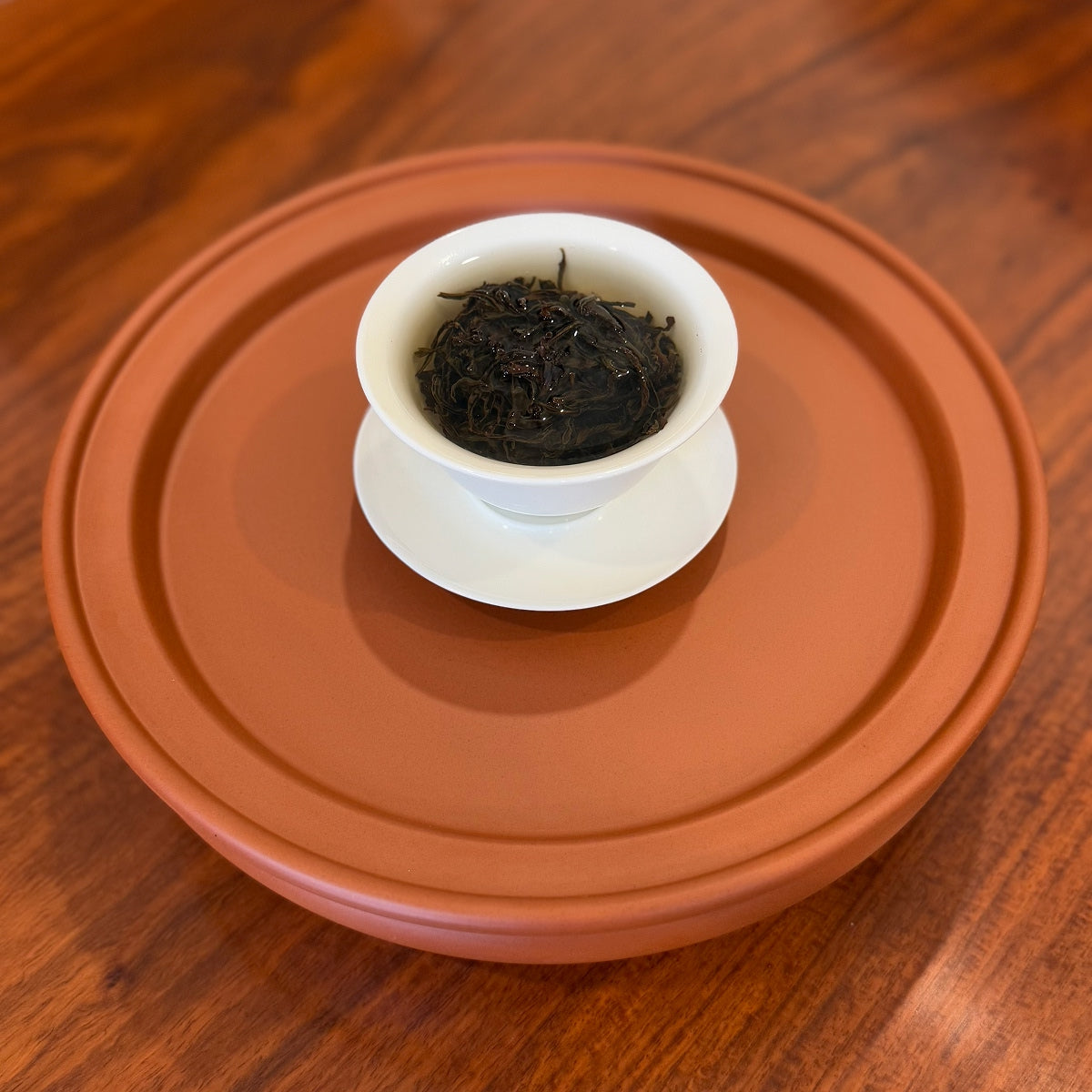
Dan Cong tea and Gongfu Tea complement each other perfectly. First, the rich aromas and mountain character of Phoenix Dan Cong inspired the meticulous brewing techniques. Then, the rituals and procedures of Gongfu Tea—a refined method of brewing tea—allowed Chaozhou’s Dan Cong Tea to step out of the mountains and gain worldwide acclaim.

Roasting and the Art of Charcoal-Roasted Oolong Tea

A key step behind the extraordinary aroma and mountain essence of Dan Cong tea is charcoal roasting. To produce high-quality roasted oolong tea, tea farmers use lychee wood charcoal and, drawing on decades of experience, control the temperature and duration precisely, imbuing the leaves with their final soul.
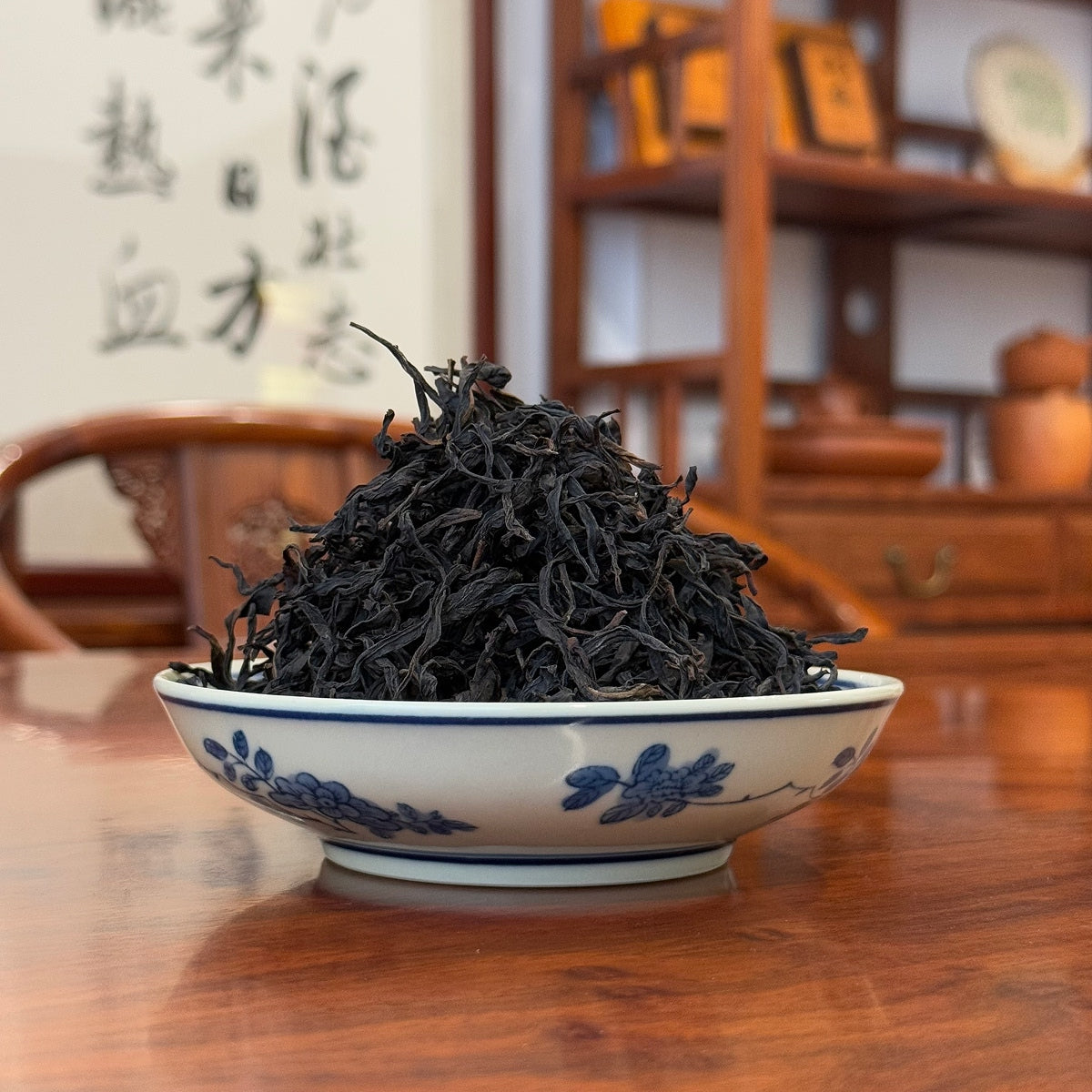
This “slow simmer over gentle fire” transforms the leaves into roasted oolong tea, removing any raw or harsh notes, giving the tea a steady, reserved fragrance, a rich and mellow liquor, and greatly enhancing its brewing resilience. It is this charcoal roasting that gives Phoenix Dan Cong its unique “backbone”—the hidden mountain character and roasted essence within the cup.
Gongfu Tea, in turn, awakens this backbone in the most delicate way, allowing the character of the roasted oolong tea to unfold gradually in the cup. The interplay of fire and water creates the unparalleled charm of Phoenix Dan Cong.

Dedication, Craftsmanship, and Cultural Legacy

Whether in the cultivation of the tea leaves or the artistry of brewing, this process reflects centuries of dedication and meticulousness by the people of Chaozhou—their reverence for nature, devotion to craft, and love of life.
This rich cultural backdrop makes the ancient city of Chaozhou, together with its tea mountains, tea culture, and Gongfu Tea traditions, a place increasingly admired and sought after by tea enthusiasts.
A physical tea space operated by the Chinese Tea Group stands proudly in this region. Here, we deeply understand the flavors beloved by locals, engage with generations of tea farmers, and, through our online store, share authentic Chaozhou Phoenix Dan Cong oolong tea with tea lovers around the world!