

Chinese Tea Cakes
Tea cakes from China are classic compressed teas made from Pu-erh, white, and dark varieties. They age over time, developing rich, complex flavors.
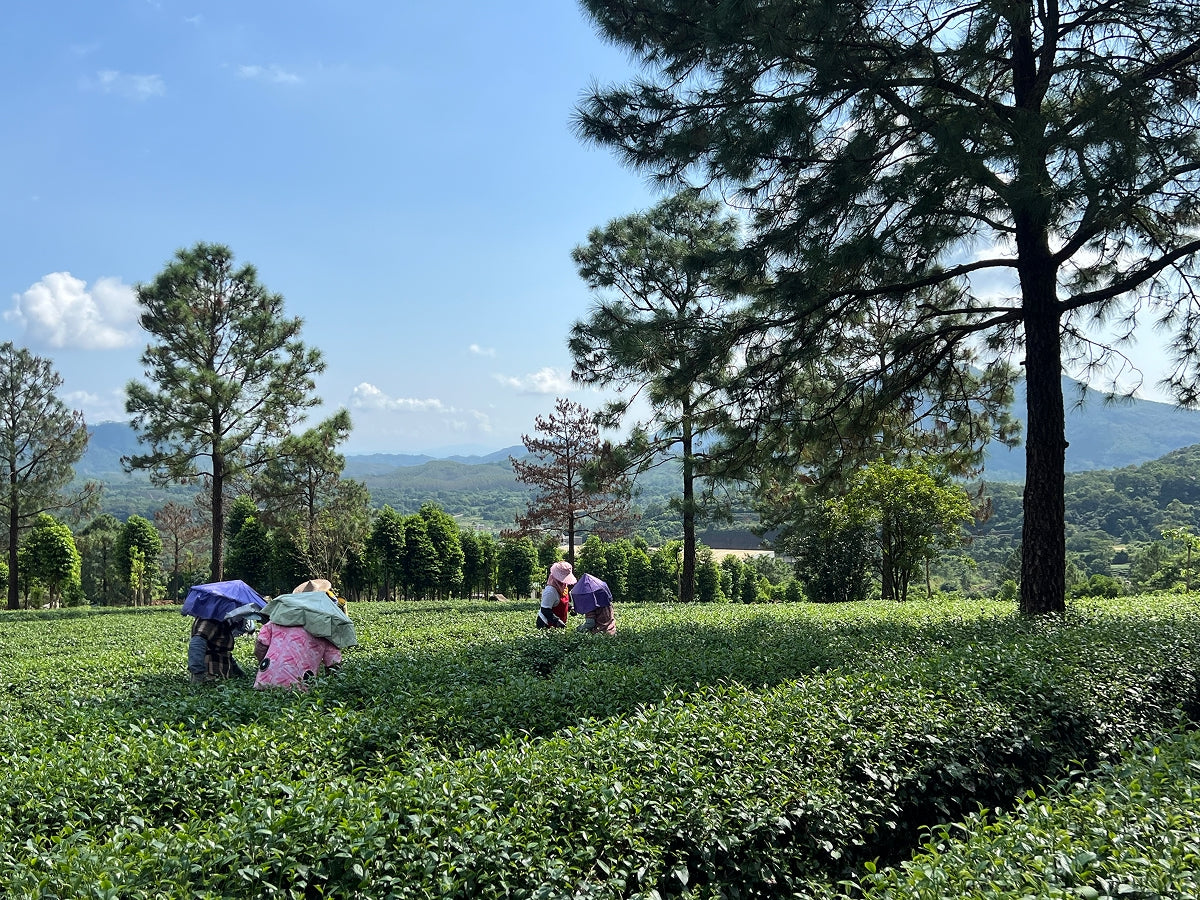
Carefully selected from our physical tea stores and tea houses, these tea cakes are highly regarded by tea enthusiasts in China’s tea-producing regions.
-

2021 Imperial-Grade Ripe Pu-erh Tea Cake
-

2026 Yunnan Yue Guang Bai White Tea Cake (Moonlight White)
-
-

2019 Yunnan Qizi Bing Raw Pu-erh Tea Cake (Sheng)
-

2024 Mei Zi Qing Raw Pu-erh Tea Cake
-

2023 Da Xue Shan Ancient Tree Raw Pu-erh Tea Cake
-

2021 Fuding Bai Mu Dan White Tea Cake (White Peony)
-
-

2025 Raw Pu-erh Tea Cake (Sheng Pu'er)
-

2024 Xiao Hu Sai Raw Pu-erh Tea Cake
-
-

2020 Arbor Tree Ripe Pu-erh Tea Cake
-

2009 Yiwu Gua Feng Zhai Raw Pu'er Tea Cake
-

2017 Special-Grade Ripe Pu-erh Tea Cake
-

2024 Lin Cang Ancient Tree Raw Pu-erh Tea Cake
-

2019 Yunnan Qizi Bing Ripe Pu-erh Tea Cake (Shou)
-

2019 Teng Tiao Ancient Tree Raw Pu-erh Tea Cake
-

2022 Ban Pen Ancient Tree Raw Pu-erh Tea Cake
-

2026 Bulang Mountain Raw Pu-erh Tea Cake
-

2020 Yiwu Mahei Raw Pu-erh Tea Cake
-
-

2009 Lao Ban Zhang Raw Pu'er Tea Cake
-

2015 Fuding Gong Mei White Tea Cake (Tribute Eyebrow)
-

2018 Bing Dao Ancient Tree Raw Pu'er Tea Cake


Signature Teas

2021 Fuding Bai Mu Dan White Tea Cake (White Peony)
2021 Fuding Bai Mu Dan White Tea Cake (White Peony)
Fujian • China Tea


What Is a Chinese Tea Cake?
What Is a Chinese Compressed Tea Cake?
Chinese tea cakes (cha bing) are the most representative form of compressed tea, with a history dating back to China’s Tang Dynasty (7th century CE). They are made by steaming and pressing carefully selected loose-leaf tea—the same foundational material used for famous teas such as Pu-erh—into dense, round discs.
Originally, tea cakes were created to meet the practical needs of long-distance transportation and storage, especially along historic trade routes like the Tea Horse Road. Over time, compression was discovered to create ideal conditions for long-term aging. The compact structure saves space while forming a stable environment, allowing the tea to mature slowly over decades.
Today, Chinese tea cakes are both a cultural tradition and a symbol of craftsmanship in compressed tea.
Main Types: Pu-erh, White & Dark
Types of Tea Cakes from China
These tea cakes from China—iconic compressed discs of tea—are highly valued for their aging potential. The most representative types include Pu-erh (raw and ripe), white, and dark teas. Ripe Pu-erh undergoes microbial fermentation and is therefore classified as a dark tea.
Pu-erh Tea Cakes
Pu-erh tea cakes are the most well-known form. Their tight compression creates a stable microenvironment for beneficial microorganisms. These microbes gradually transform compounds in the leaves, reducing bitterness and enhancing body, smoothness, and complexity. Ripe Pu-erh continues to refine its flavor during aging, developing a harmonious, mellow taste over time.
White Tea Cakes
White tea cakes rely mainly on the tea’s own enzymes, with minimal microbial involvement. During pressing, cell walls rupture, accelerating enzymatic oxidation. Over years, polyphenols slowly oxidize and polymerize, evolving the tea liquor from fresh and delicate to mellow, smooth, and subtly sweet. Aromas gradually shift from youthful fuzzy bud fragrance to notes of dried hay, dates, or herbs.
Dark Tea Cakes
Dark tea cakes undergo deliberate pile fermentation before pressing, reshaping the tea’s character through microbial activity. This category includes ripe Pu-erh and regional dark teas such as Anhua dark tea and Liupao tea. These teas offer earthy depth and smooth, comforting liquor, reflecting the diversity and craftsmanship of Chinese compressed teas.
The Value of Aged Tea Cakes
The Value of Aged Chinese Tea Cakes
The value of an aged Chinese tea cake is not determined by time alone, but by the gradual transformation it undergoes under proper conditions. A well-aged tea cake is prized for its deeper layers of flavor, smoother mouthfeel, and more balanced aroma. However, this transformation does not happen automatically. It depends on three key factors:
Tea Quality at the Source
A tea cake’s aging potential is determined by the quality of the raw leaves and the skill applied during initial processing. As the saying goes, a tea can improve upon itself, but it cannot surpass its original foundation. This explains why some aged tea cakes are less valuable than newer ones.
Proper Storage
Successful aging requires careful management, including stable temperature and humidity, while protecting the tea from light, odors, and contamination. Only under suitable conditions can positive chemical changes occur, enhancing both aroma and flavor.
Scarcity and Collectibility
As high-quality aged tea cakes are gradually consumed, their remaining quantity decreases, directly increasing their collectibility and market value.
Ultimately, the highest value of an aged tea cake—its complex aroma, silky texture, and harmonious liquor—is not a gift of time alone. It is the result of inherent quality, careful storage, and the slow passage of years working together.
How to Choose & Buy Chinese Tea Cakes
A Practical Guide to Buying Chinese Compressed Tea Cakes
Exploring the world of Chinese tea cakes can be both enjoyable and rewarding. At Chinese Tea Group, we believe that truly aged tea cakes are rare and valuable—but finding a tea that suits your personal taste is always the priority. When choosing tea cakes, consider the following practical guidance.
Define Your Purpose and Taste
Ask yourself: are you buying for immediate enjoyment, long-term aging, or collection? Your goal determines the type and vintage of tea cake.
• Immediate Drinking: Choose ripe Pu-erh or well-stored aged white tea cakes.
• Aging/Investment Potential: Prioritize high-quality raw (sheng) Pu-erh or white tea cakes with robust leaves.
Evaluate Quality Beyond the Label
• Leaf Material: A good tea cake should be made from whole, clearly identifiable leaves and buds, rather than fragments or dust. Intact leaves often indicate careful craftsmanship.
• Aroma: Even in packaging, the tea should smell clean and pleasant. Avoid stale, moldy, or off-putting odors.
Tips for Beginners
• Don’t focus on age alone: A well-stored 10-year-old tea cake may taste better than a poorly stored 30-year-old one.
• Taste before you buy: Many reputable vendors offer samples. Tasting is the most reliable way to see if a tea cake suits your palate.
Our Tea Cakes Collection
Where to Find Authentic Tea Cakes
The safest approach is to rely on expert-curated sources directly connected to China. Each tea cake in the Chinese Tea Cakes Collection by Chinese Tea Group is carefully selected, crafted, and aged, drawing on years of hands-on experience operating physical tea shops and tea houses.
Every year, a portion of teas is released for immediate enjoyment, while another portion is professionally stored to mature into exceptional aged teas.
Different vintages within the collection reflect not only our deep understanding of tea but also our long-term commitment to quality, tradition, and mindful aging. Tea cakes can be enjoyed immediately or stored to develop even richer, more complex flavors over time.
My name is Huang Feihong, a National First-Class Tea Taster. Together with my colleagues at Chinese Tea Group, I have drawn upon years of passion and practical experience to systematically present the history, categories, and core value of Chinese compressed tea cakes.
View Details and Buy Now → Experience Authentic Tea Cakes