

Chinese Teas
Authentic Chinese teas, carefully selected by our traditional teahouses in China.
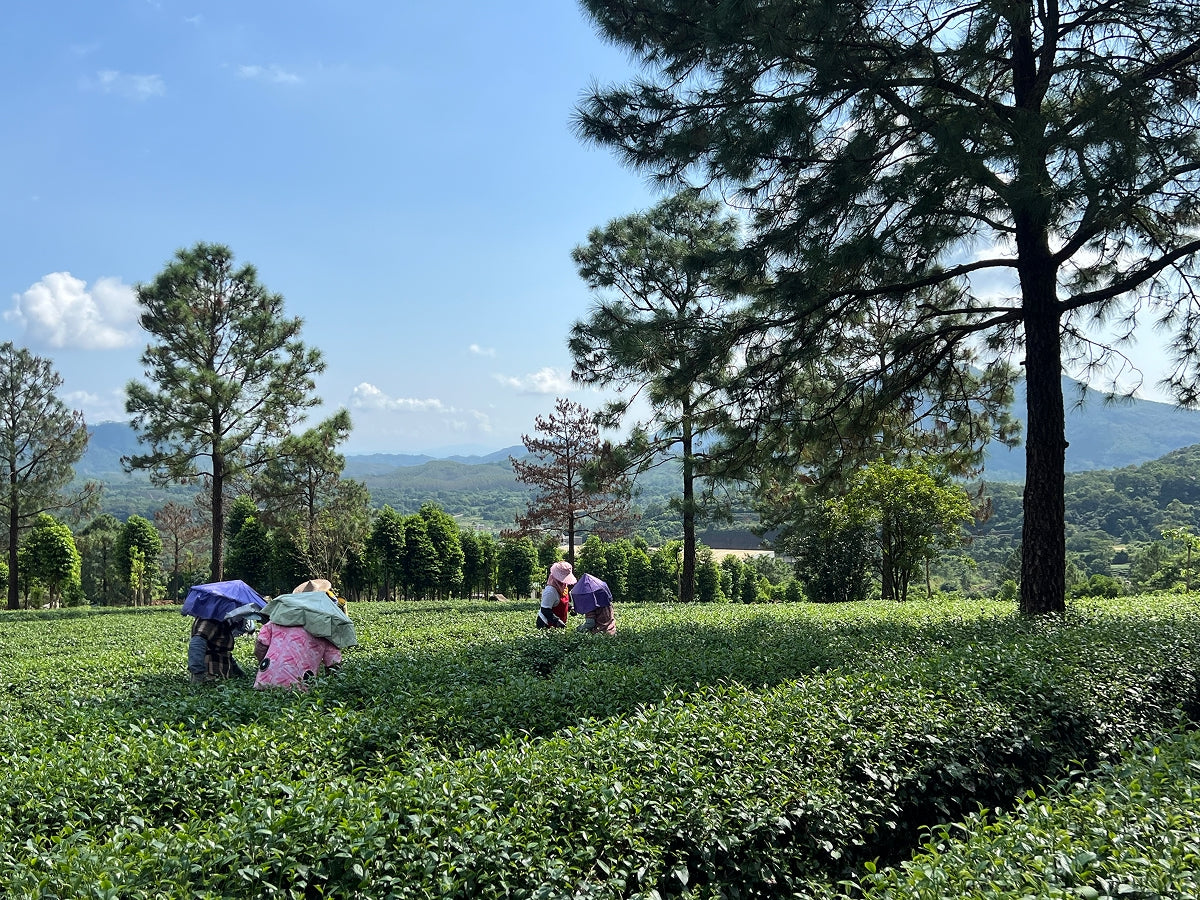
Our teas come from renowned tea regions across China, including Pu-erh, Oolong, Green, Black, and White teas—many of them longtime favorites among local tea drinkers.
Pu-erh Tea (Pu’er Tea)


2025 Raw Pu-erh Tea Cake (Sheng Pu'er)
2025 Raw Pu-erh Tea Cake (Sheng Pu'er)
Yunnan Pu-erh (Pu’er)


Oolong Tea


Mi Lan Xiang Dan Cong Tea (Honey Orchid Aroma) – Spring Harvest
Mi Lan Xiang Dan Cong Tea (Honey Orchid Aroma) – Spring Harvest
Phoenix Oolong Tea


White Tea


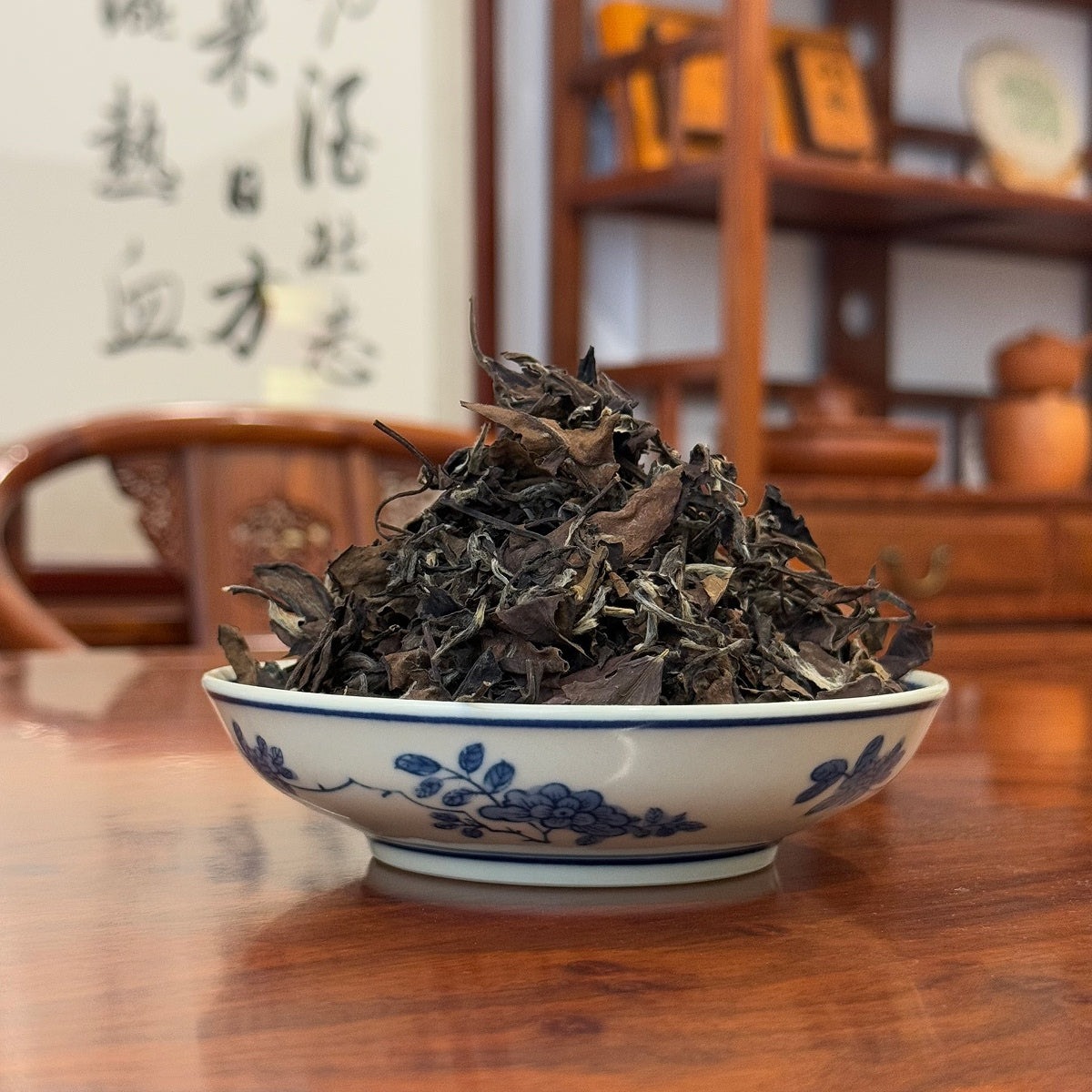
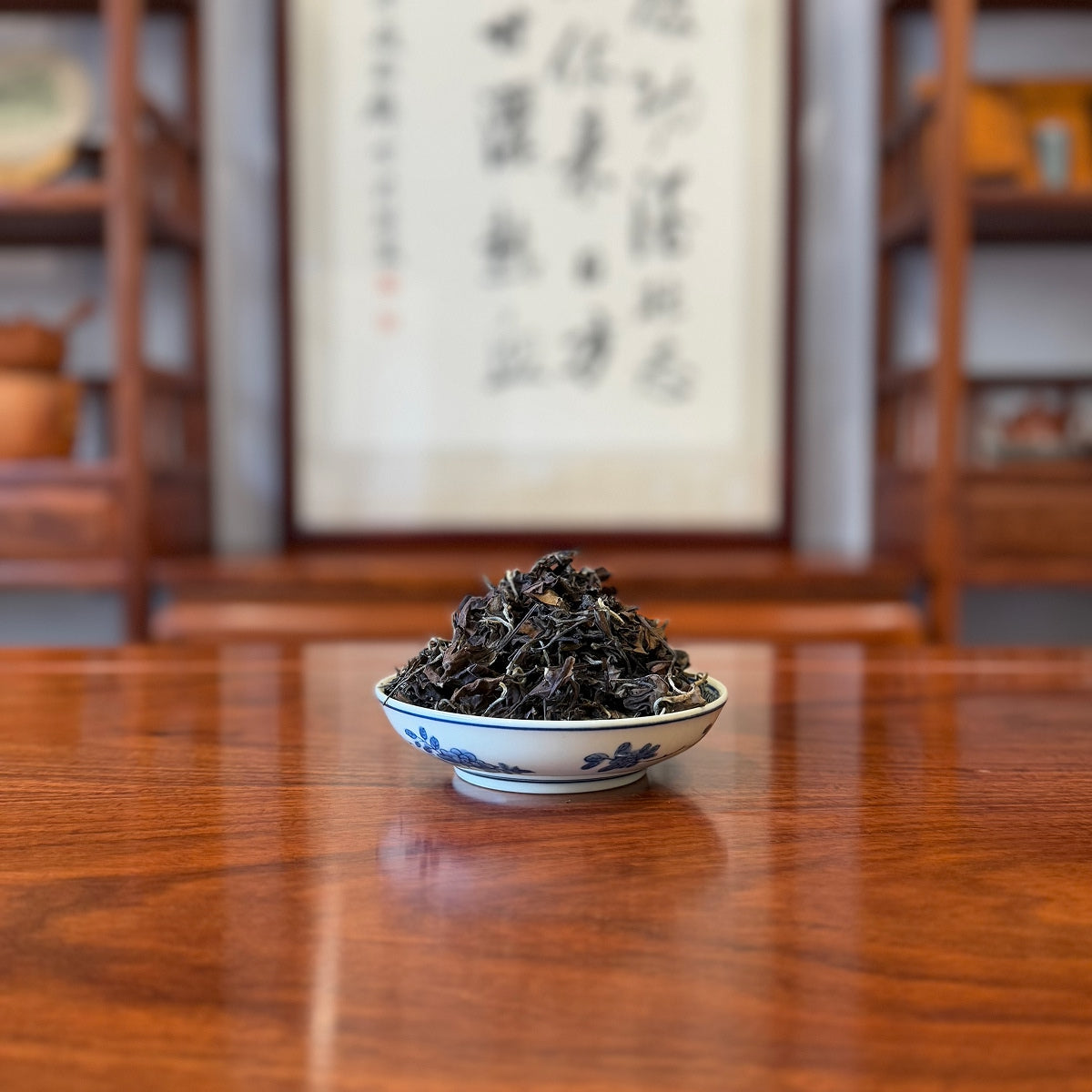
2021 Fuding Bai Mu Dan White Tea Cake (White Peony)
2021 Fuding Bai Mu Dan White Tea Cake (White Peony)
Fujian • China Tea


Black Tea (Red Tea)


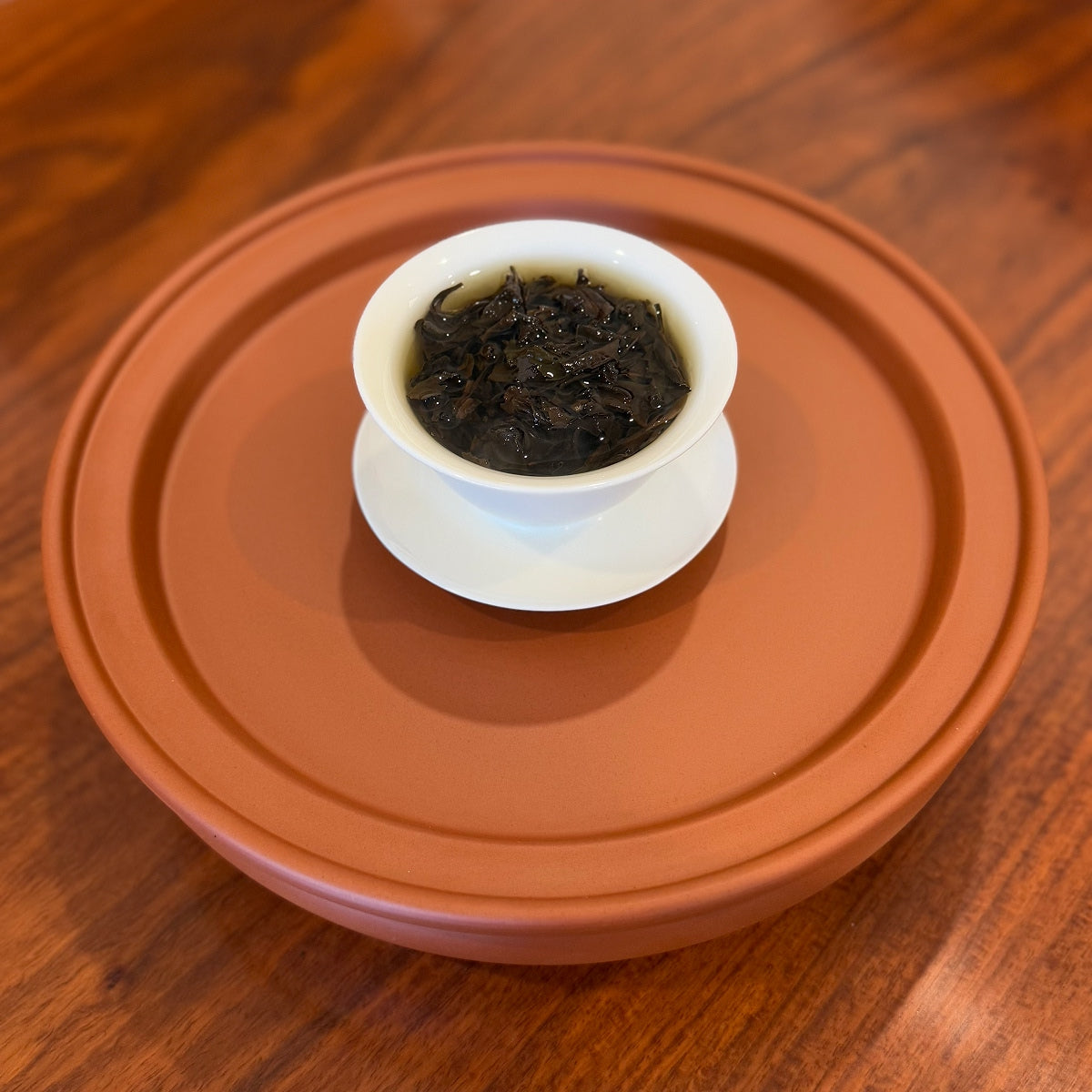
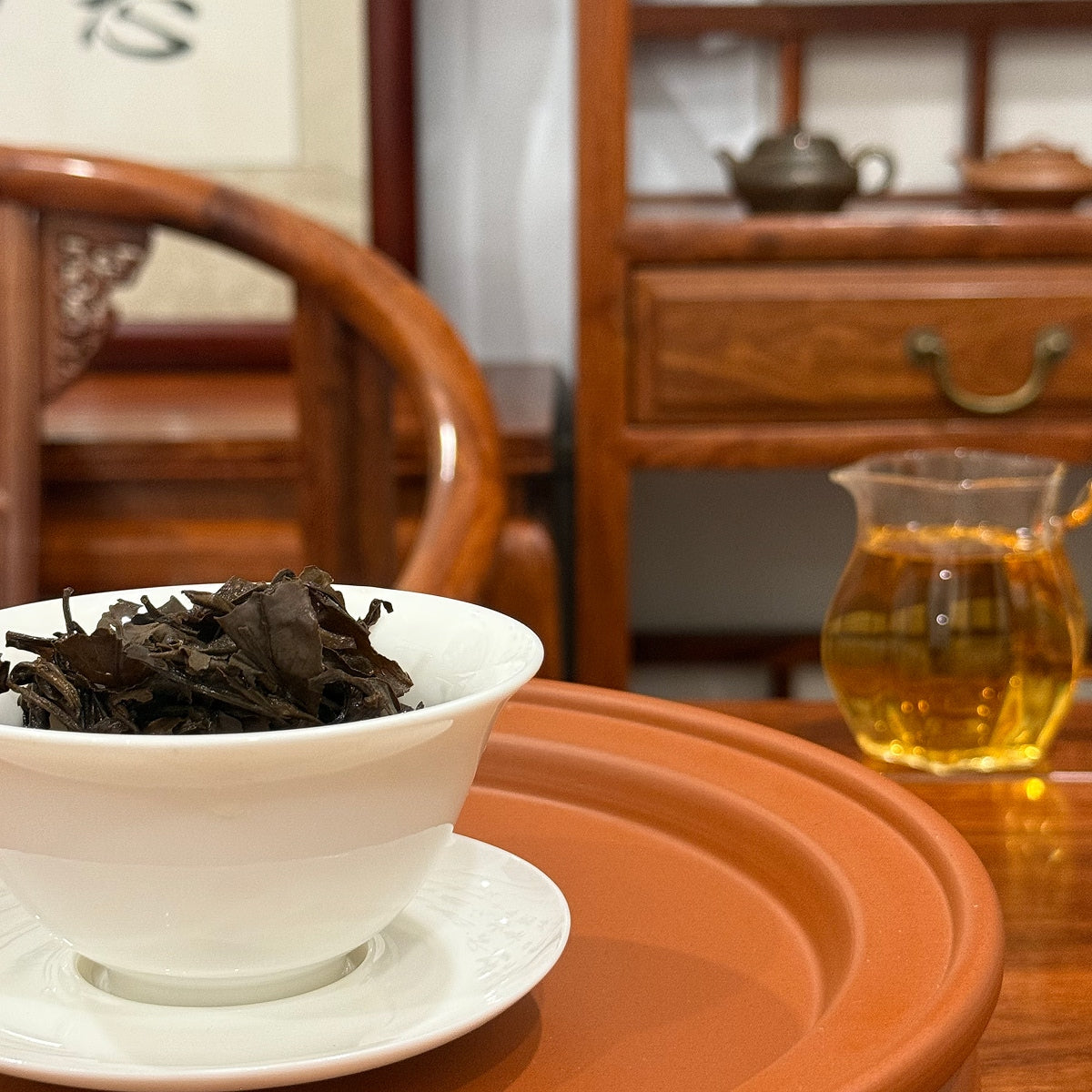
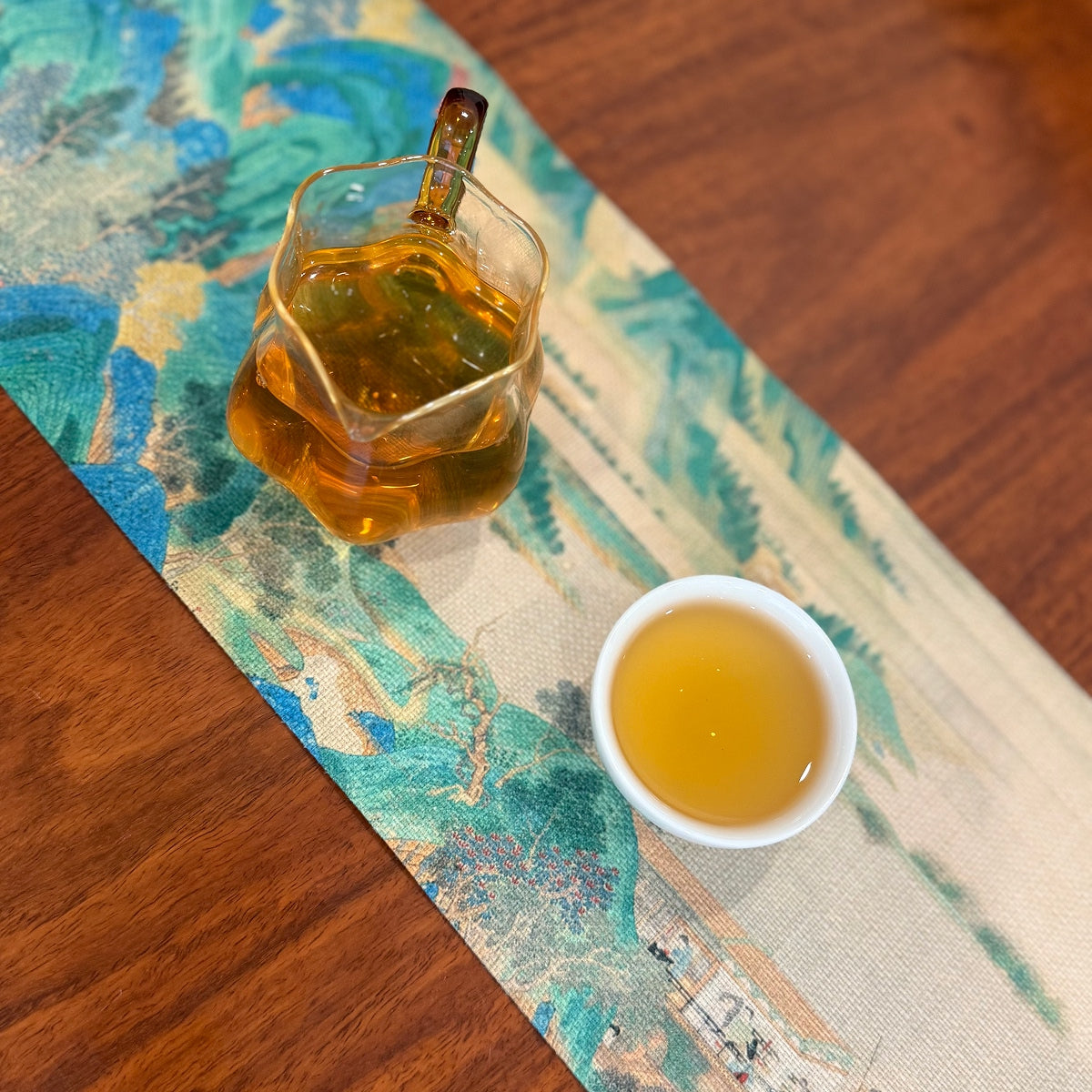
Lapsang Souchong Black Tea (Zheng Shan Xiao Zhong) – Classic
Lapsang Souchong Black Tea (Zheng Shan Xiao Zhong) – Classic
Fujian • China Tea


Green Tea


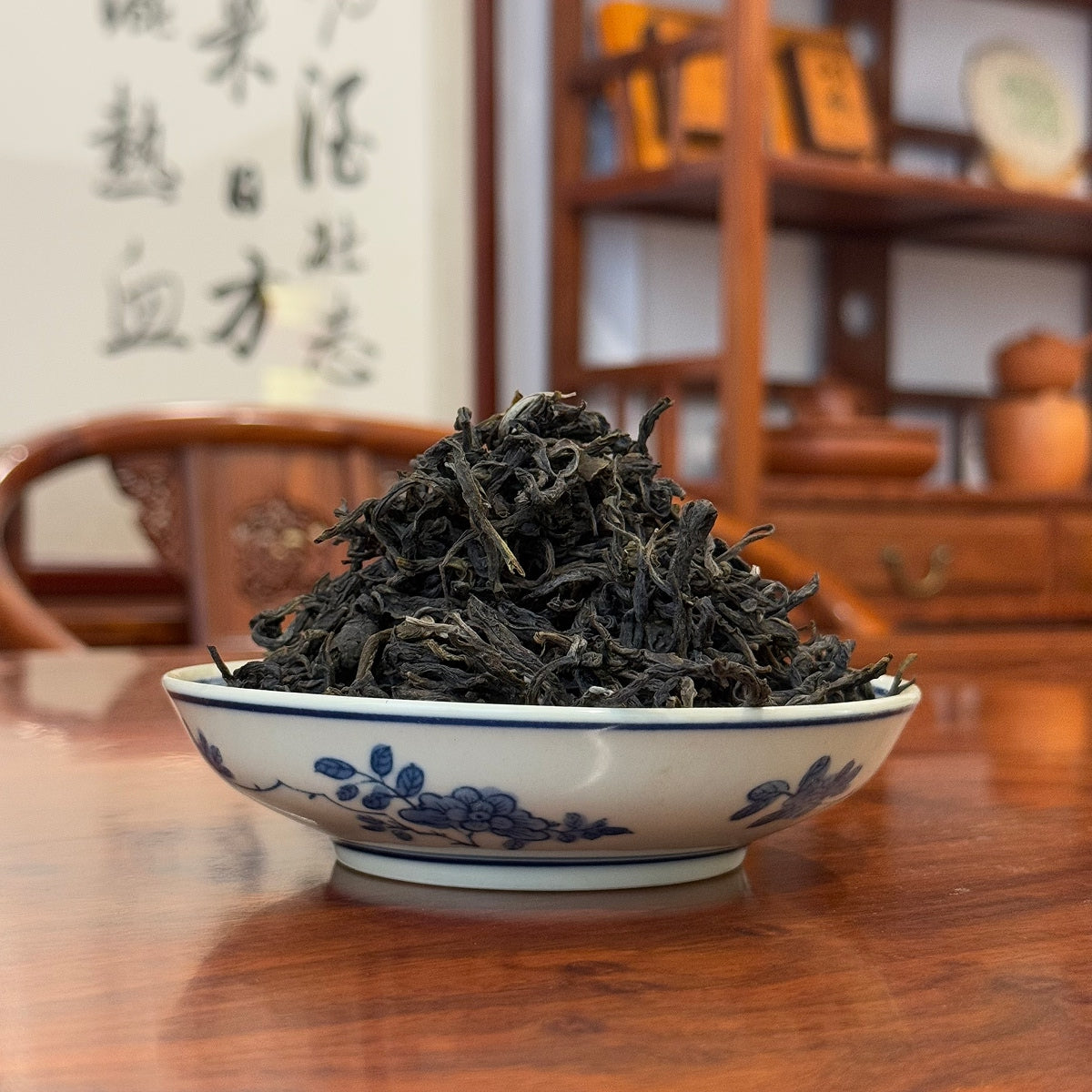
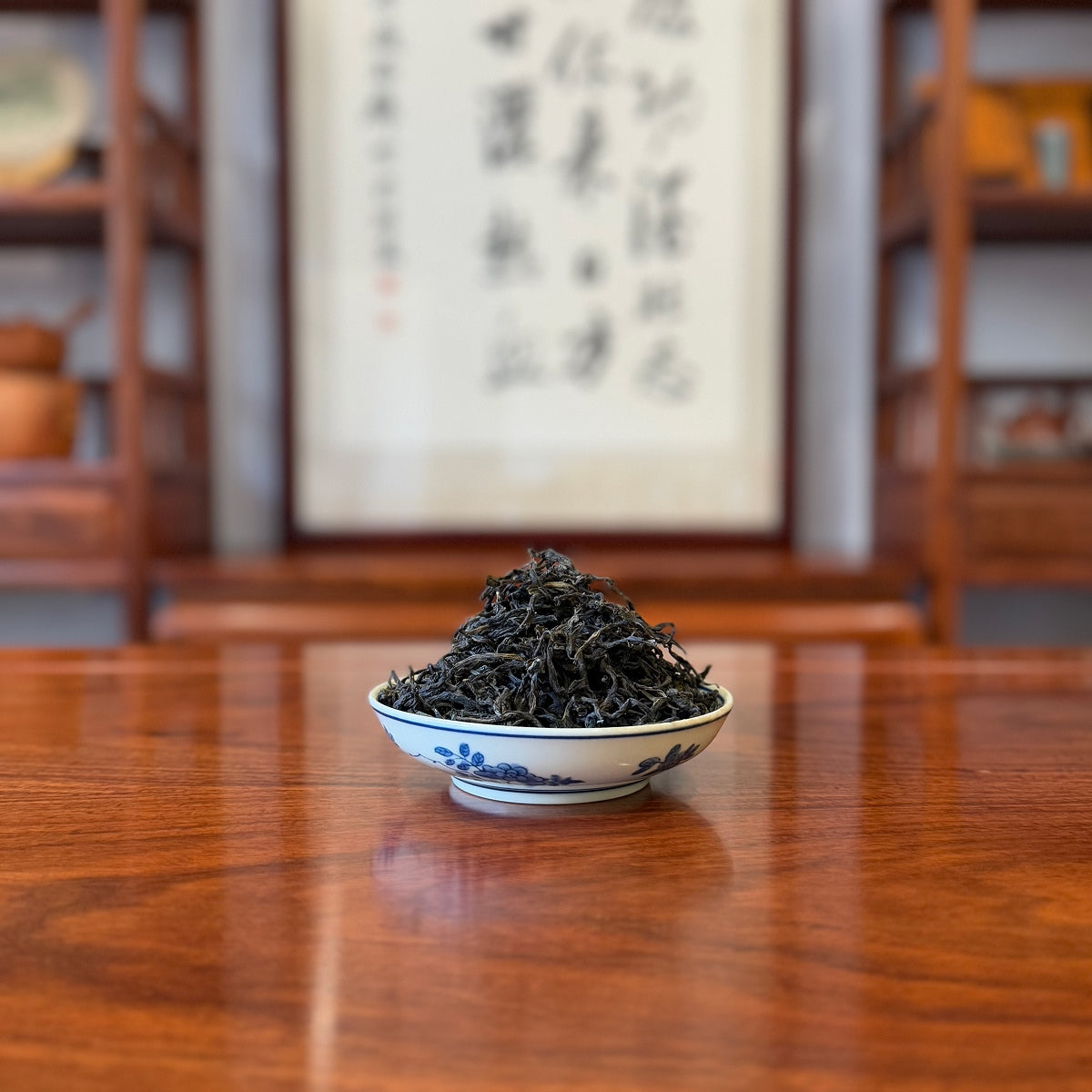
Anji Bai Cha Green Tea (Anji White Tea) – Spring Harvest
Anji Bai Cha Green Tea (Anji White Tea) – Spring Harvest
Zhejiang • China Tea
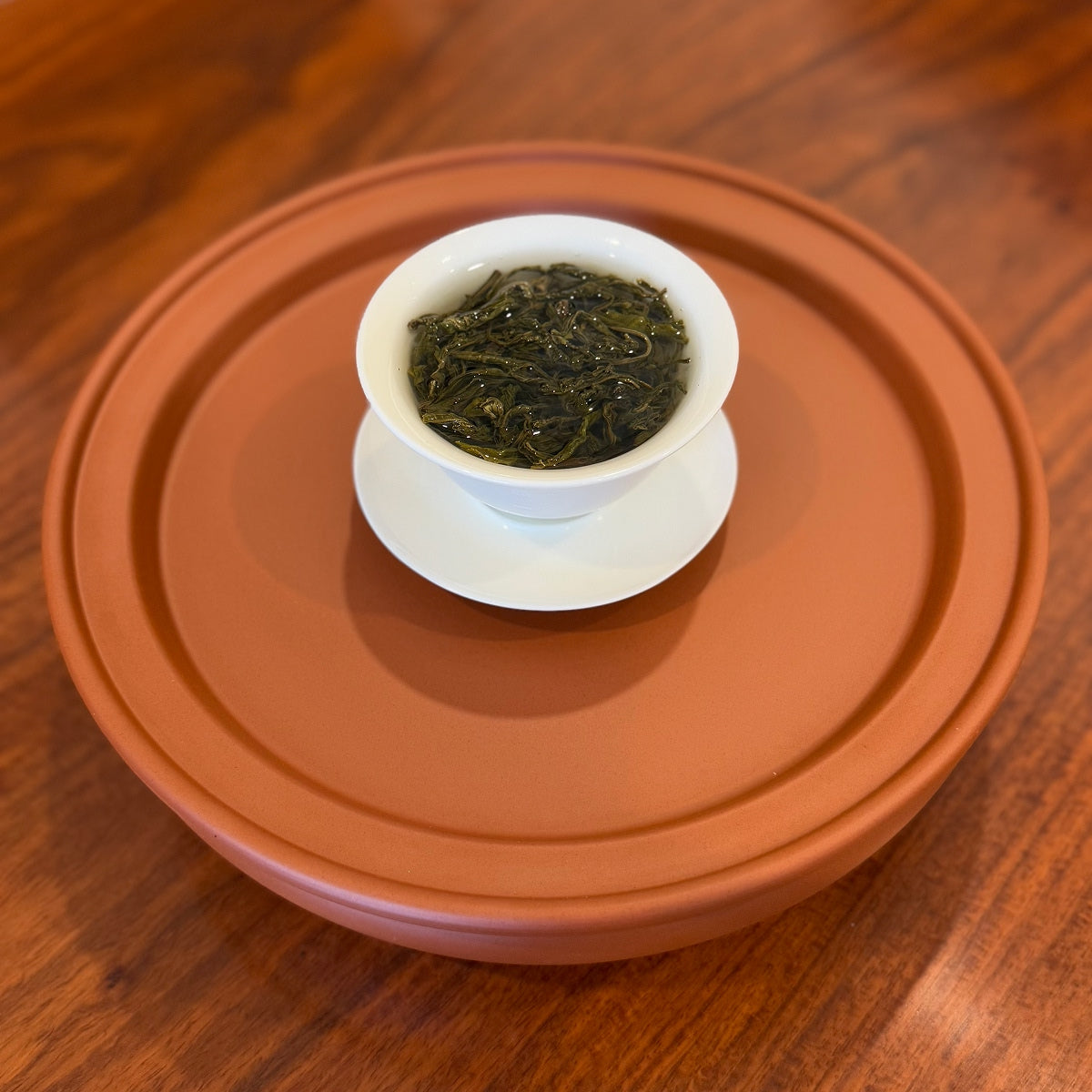
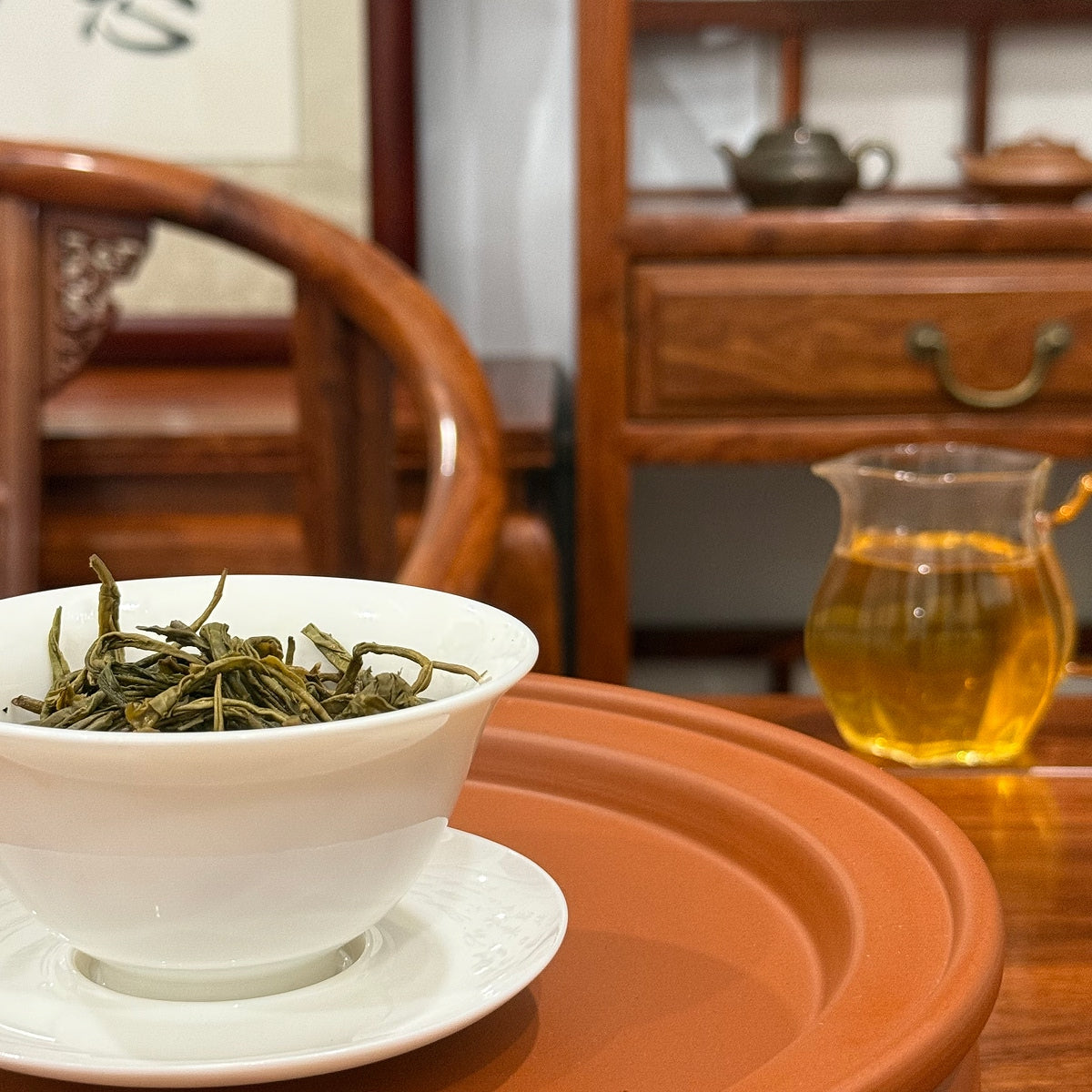
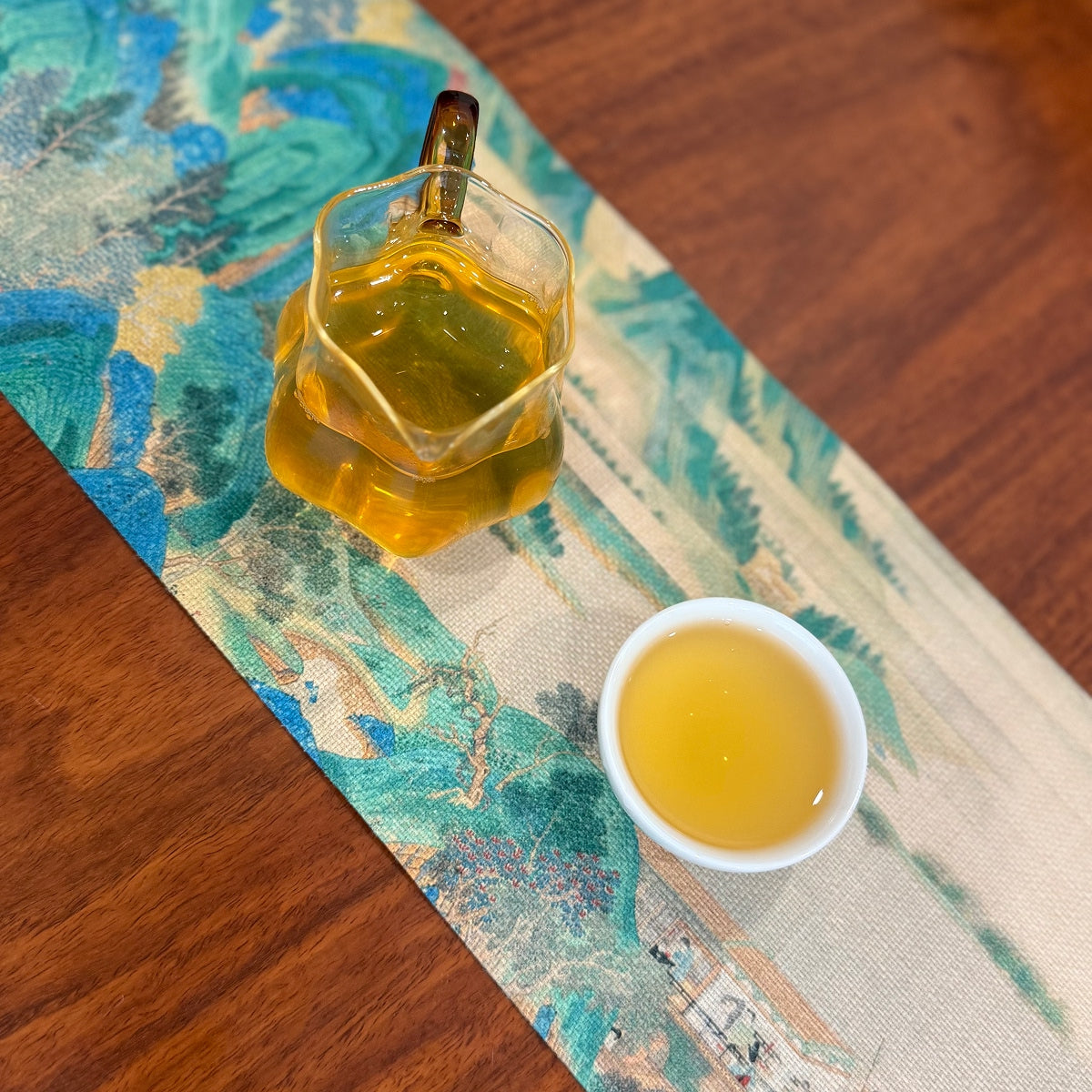


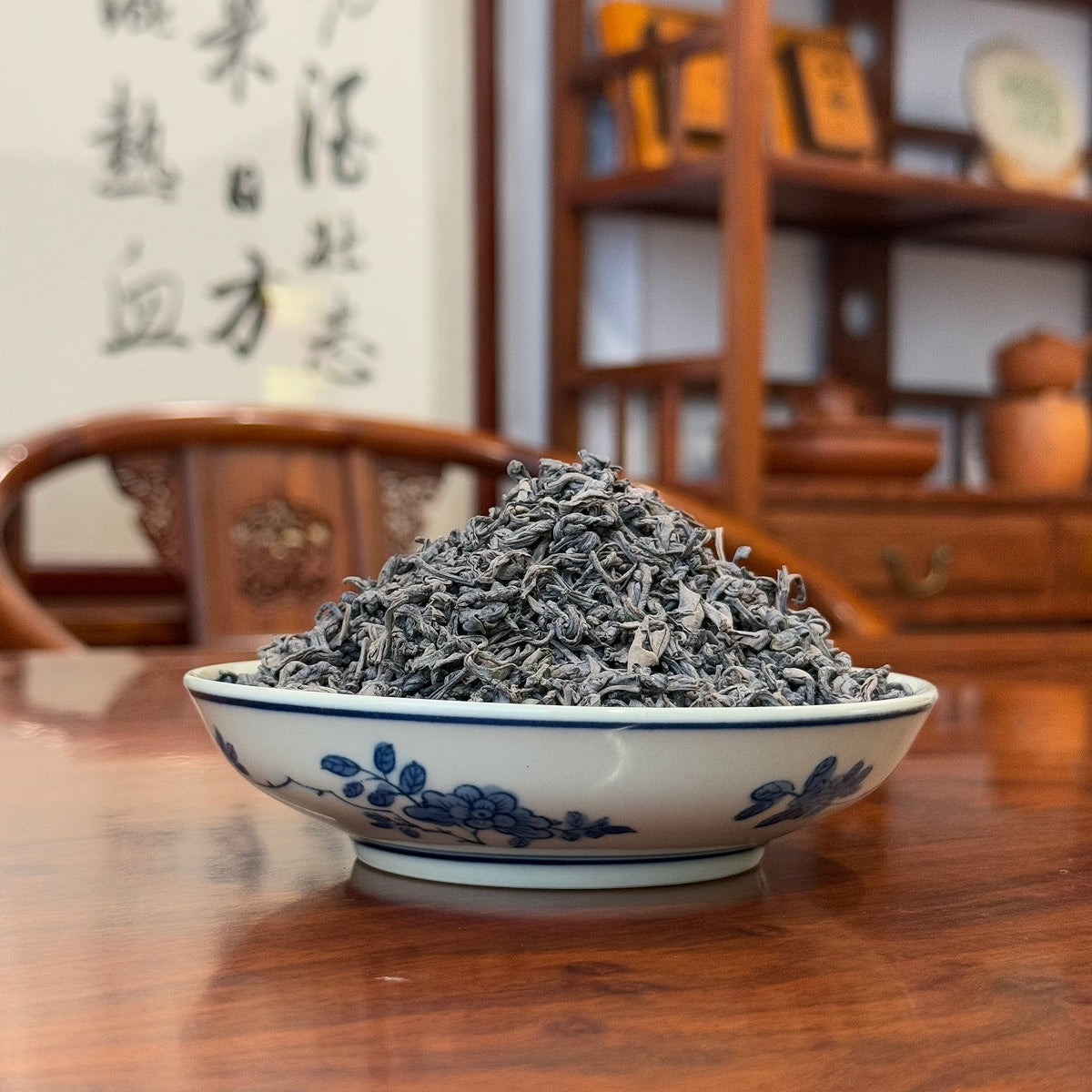
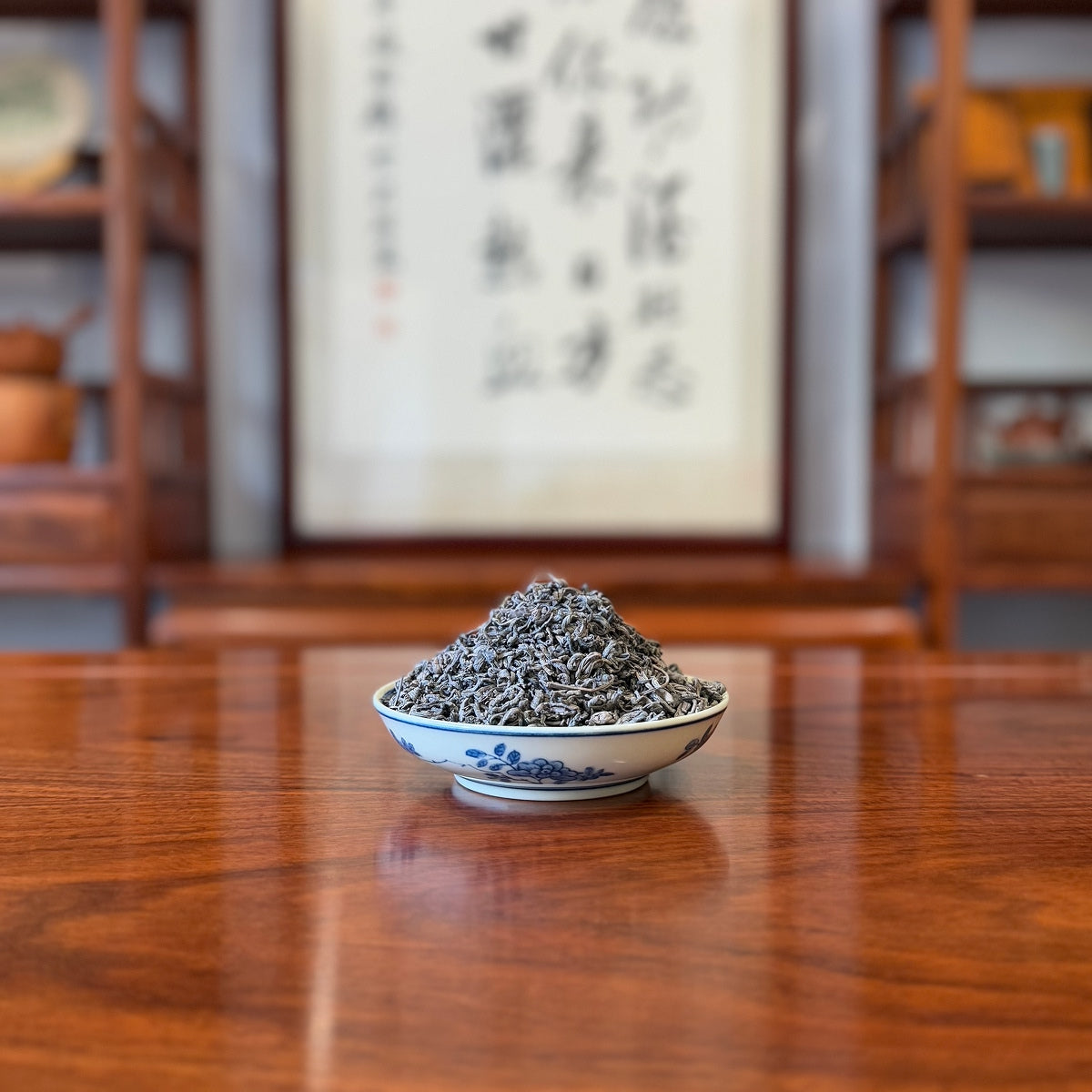
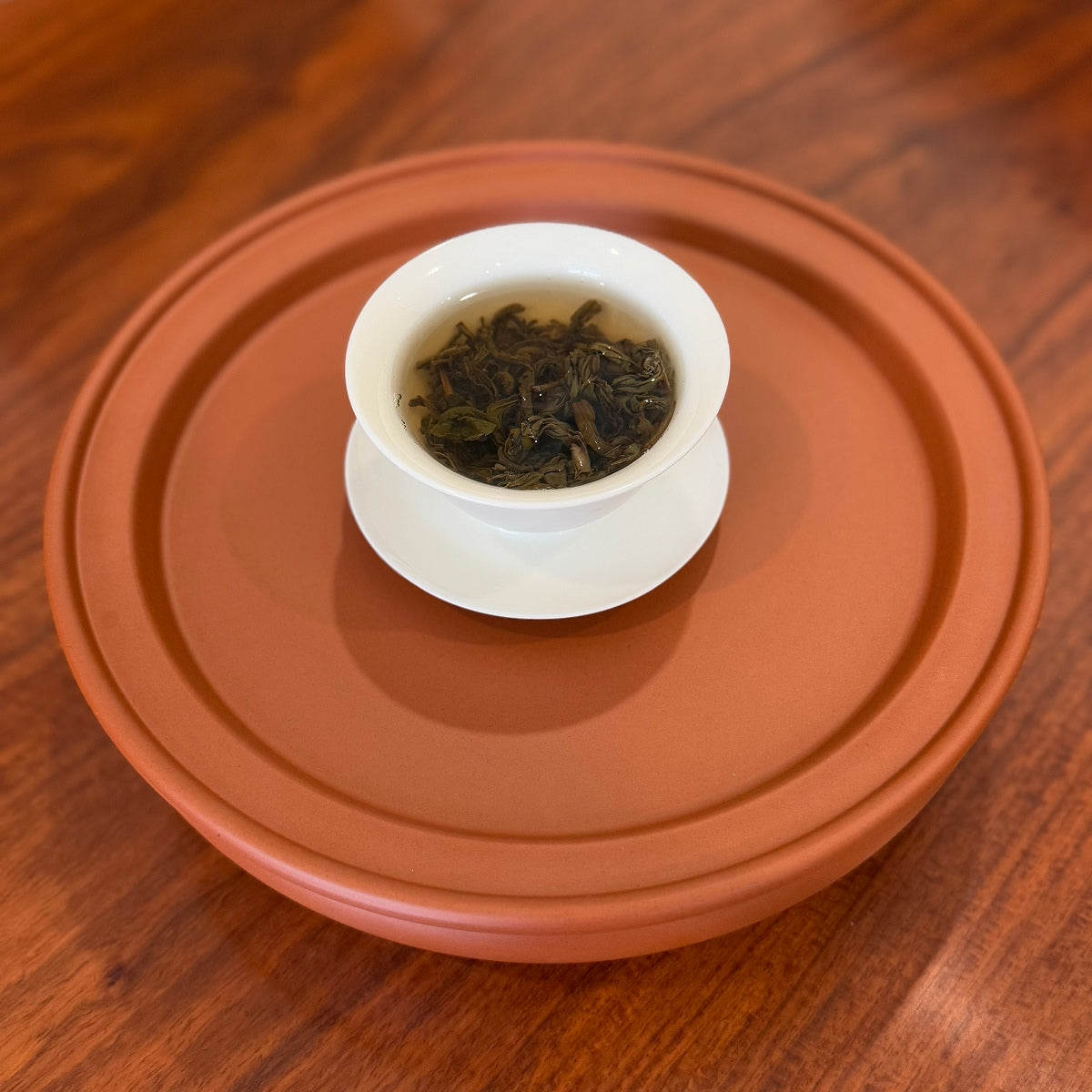
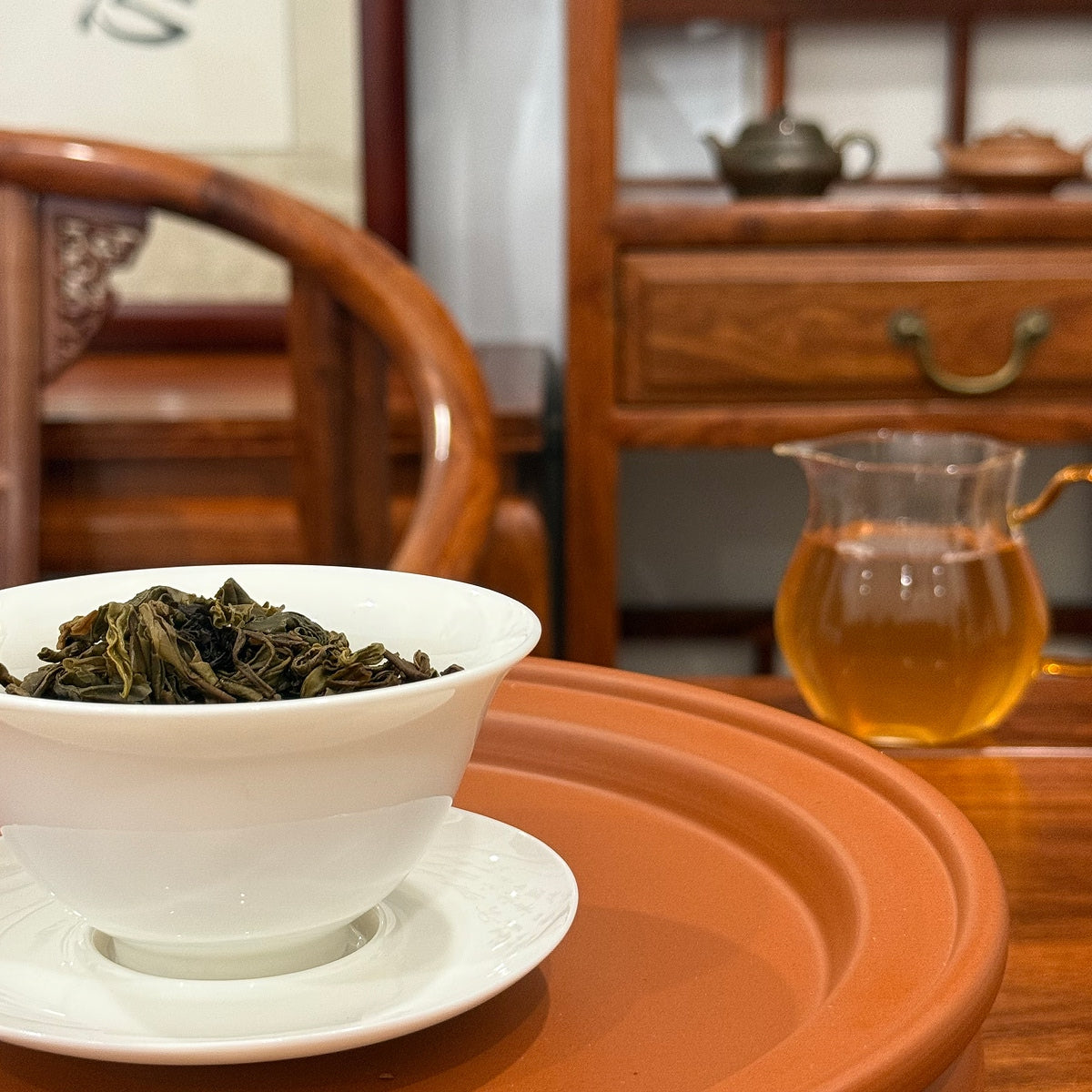
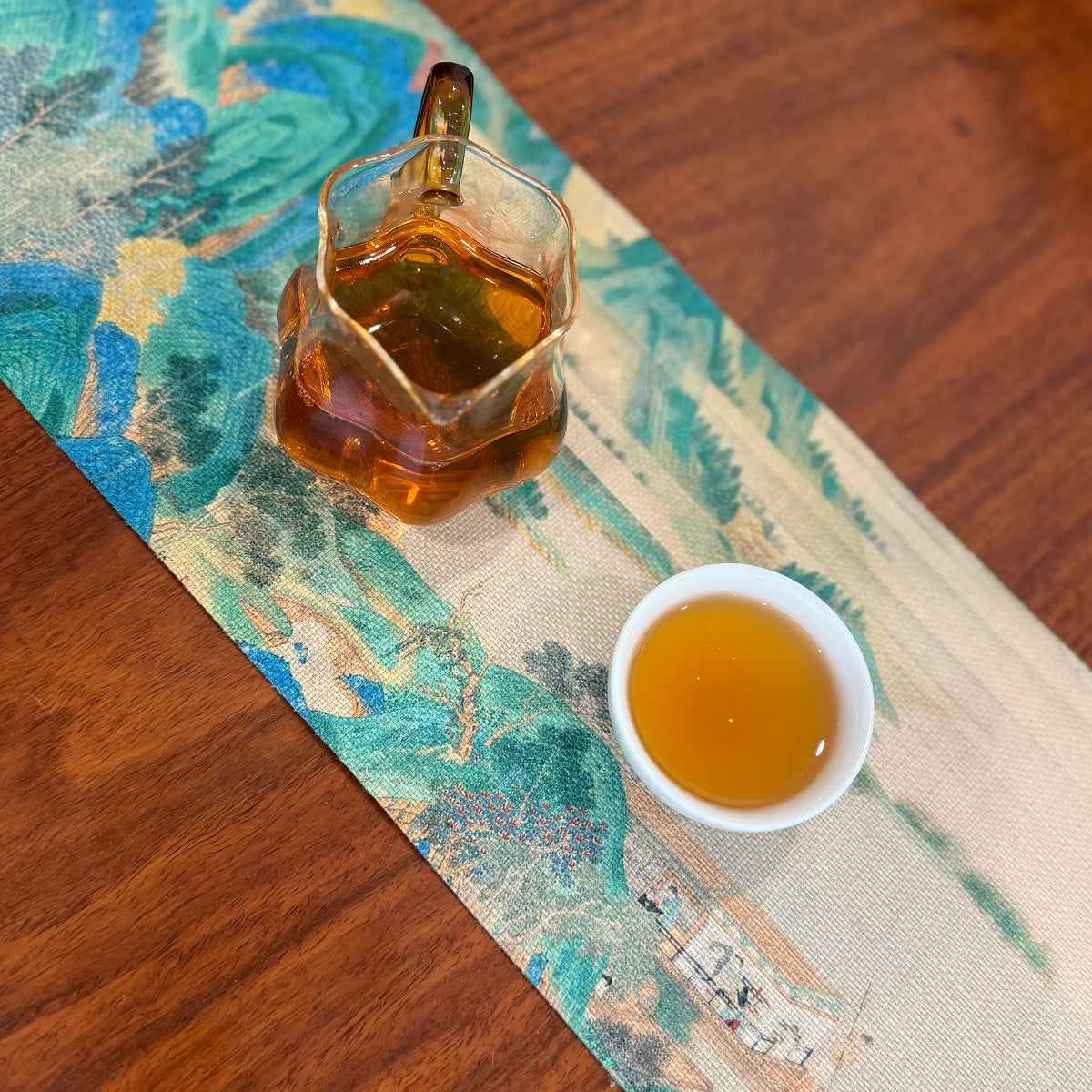


All Chinese Teas
-

Long Jing Green Tea (Dragon Well) – Pre-Qingming
-

2023 Da Xue Shan Ancient Tree Raw Pu-erh Tea Cake
-

Feng Huang Dan Cong Tea (Phoenix) – Classic
-

Bai Hao Yin Zhen White Tea (Silver Needle) – Premium Grade
-
-

Da Wu Ye Dan Cong Tea (Big Dark Leaf) – Phoenix Mountain
-
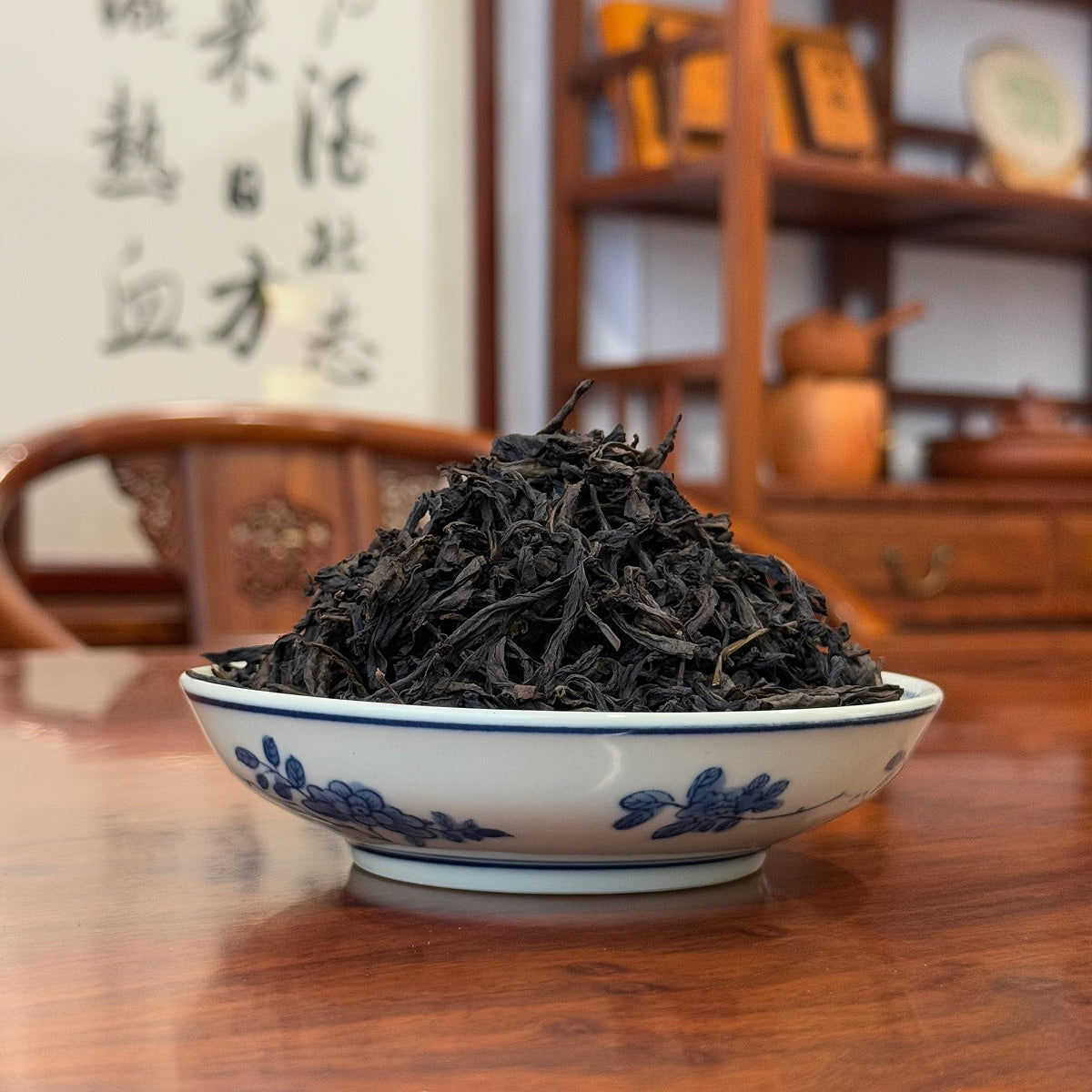
Da Hong Pao Oolong Tea (Big Red Robe) – 2024 Best Seller
-

2025 Raw Pu-erh Tea Cake (Sheng Pu'er)
-

2024 Xiao Hu Sai Raw Pu-erh Tea Cake
-

Chinese New Year Tea Gift Set – 2026
-

Shui Xian Oolong Tea (Shui Hsien / Narcissus) – Classic
-
-

2021 Imperial-Grade Ripe Pu-erh Tea Cake
-
-

Huang Zhi Xiang Dan Cong Tea (Yellow Branch Aroma) – Classic
-
-

Phoenix Oolong Gongfu Tea Sachets – Dan Cong
-

Da Hong Pao Oolong Tea (Big Red Robe) – Spring Harvest
-

2024 Lin Cang Ancient Tree Raw Pu-erh Tea Cake
-

Tie Guan Yin Tea (Ti Kuan Yin / Iron Goddess) – Classic
-

Tie Guan Yin Tea (Ti Kuan Yin / Iron Goddess) – Autumn Harvest
-
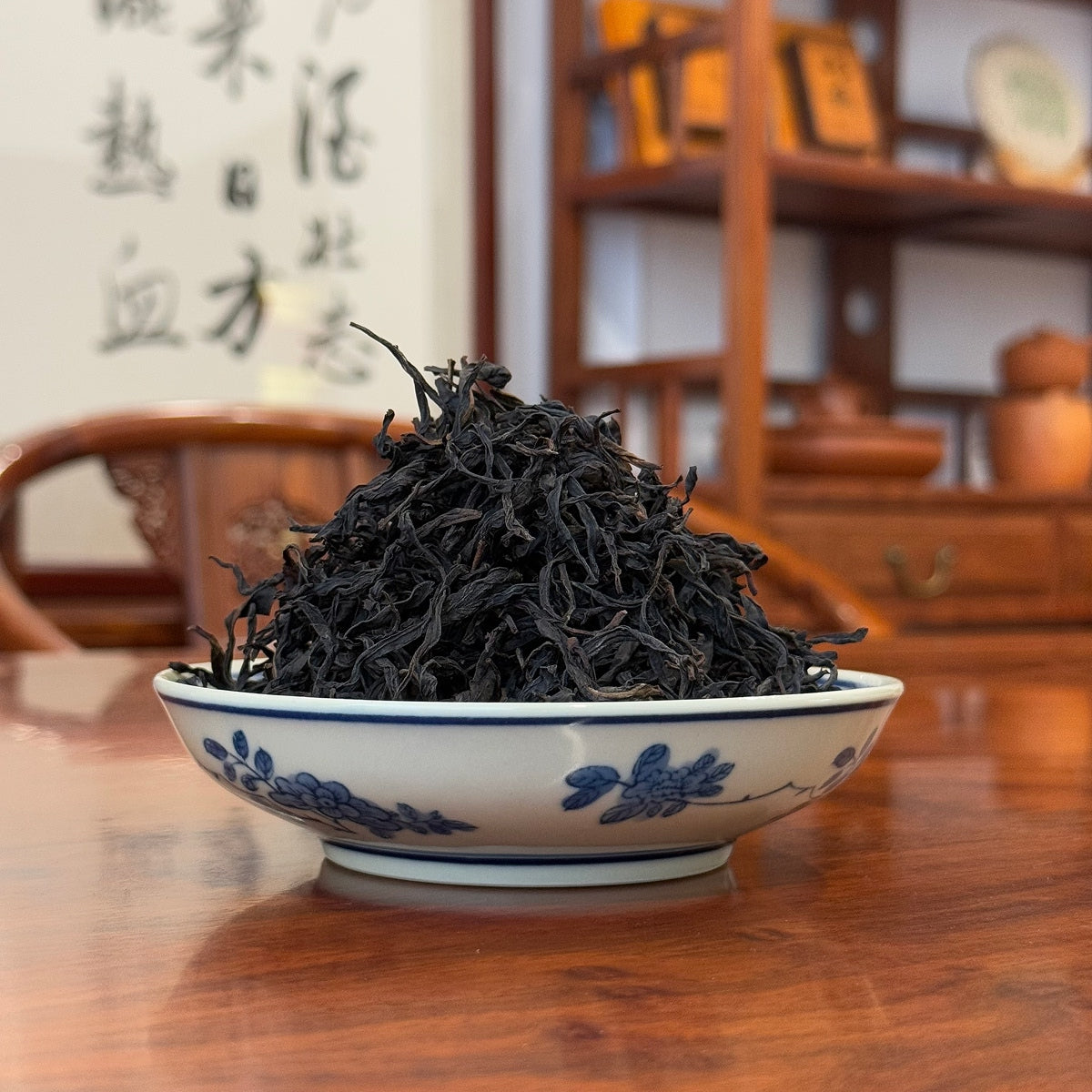
Ya Shi Xiang Dan Cong Tea (Duck Shit Aroma) – 2024 Premium
-
-

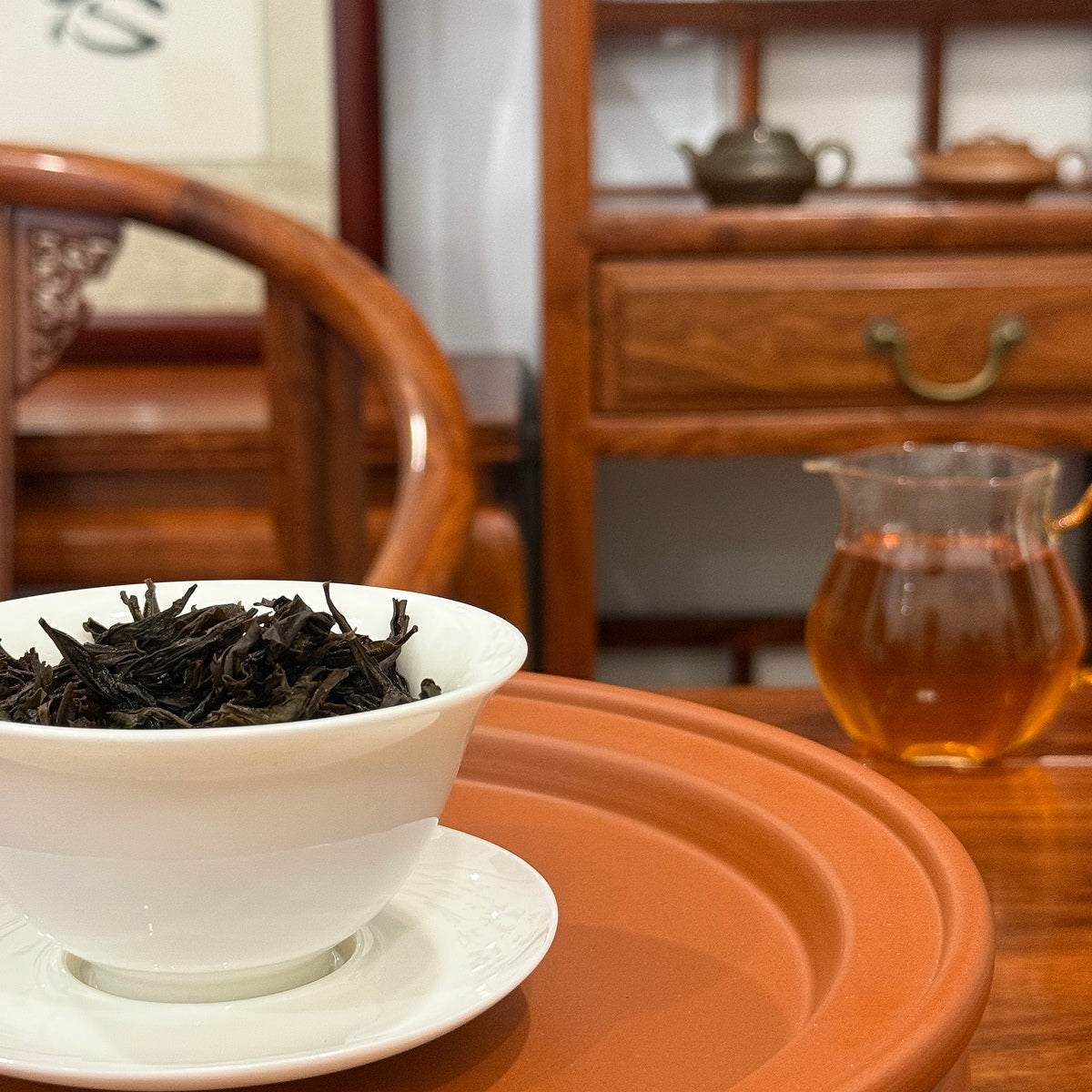
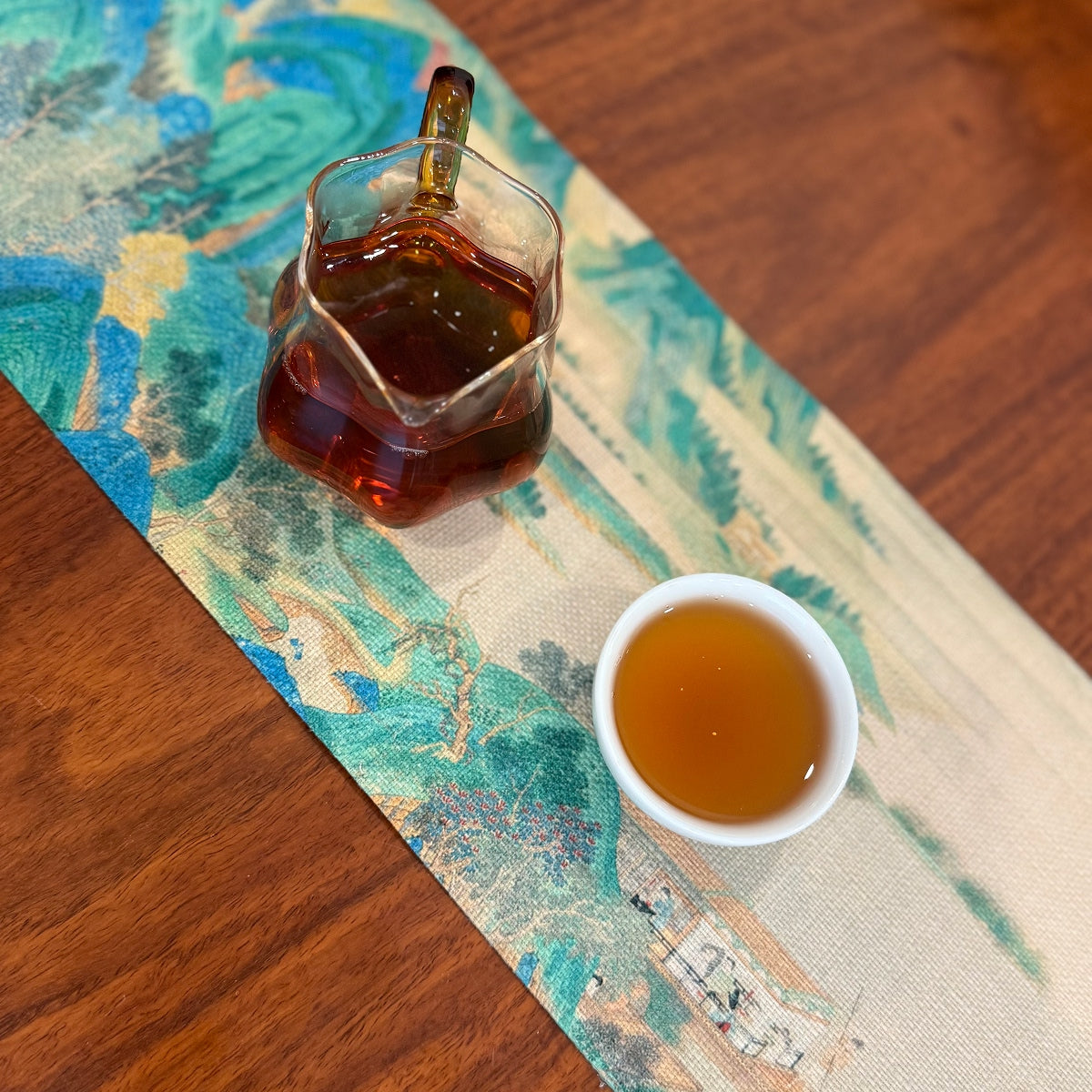
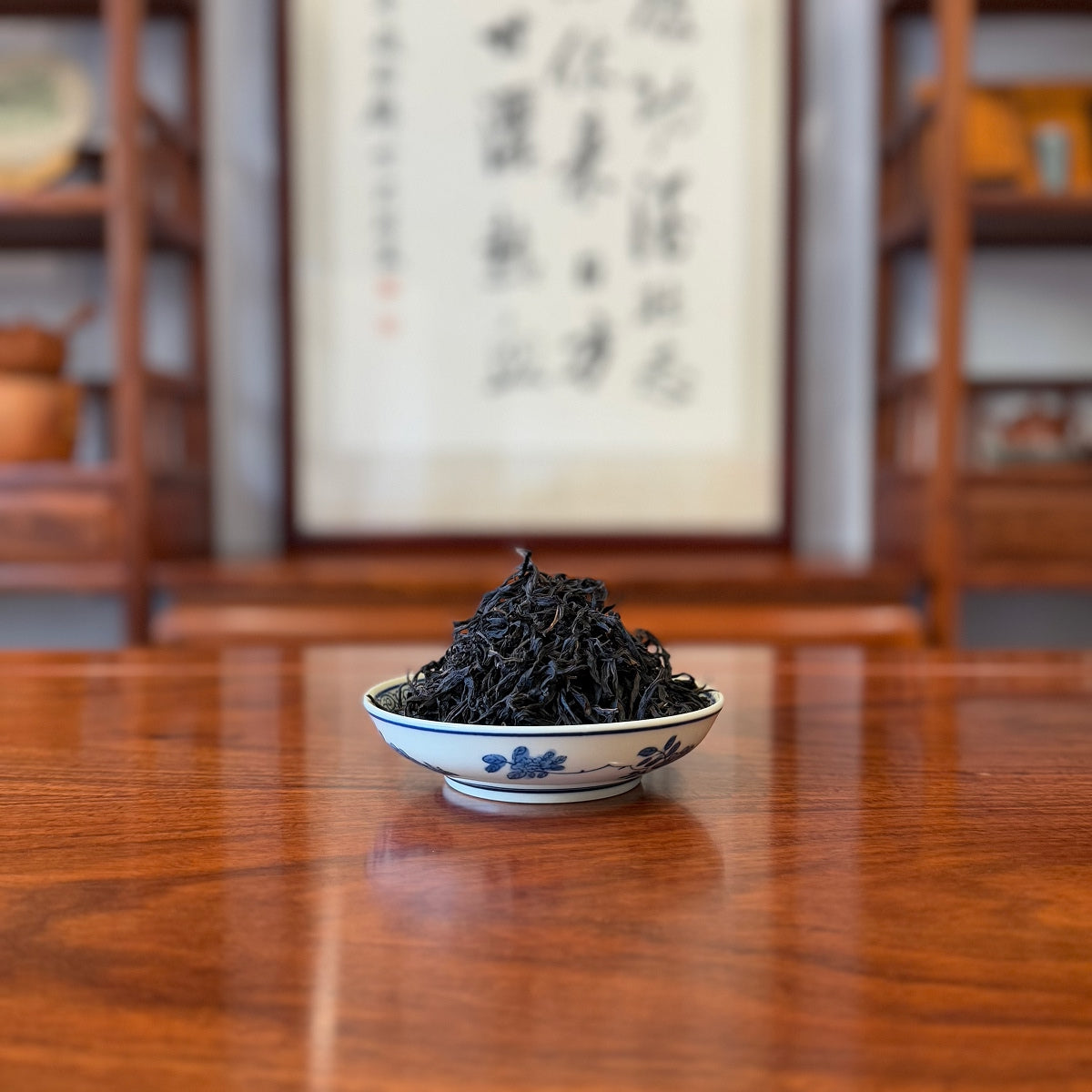
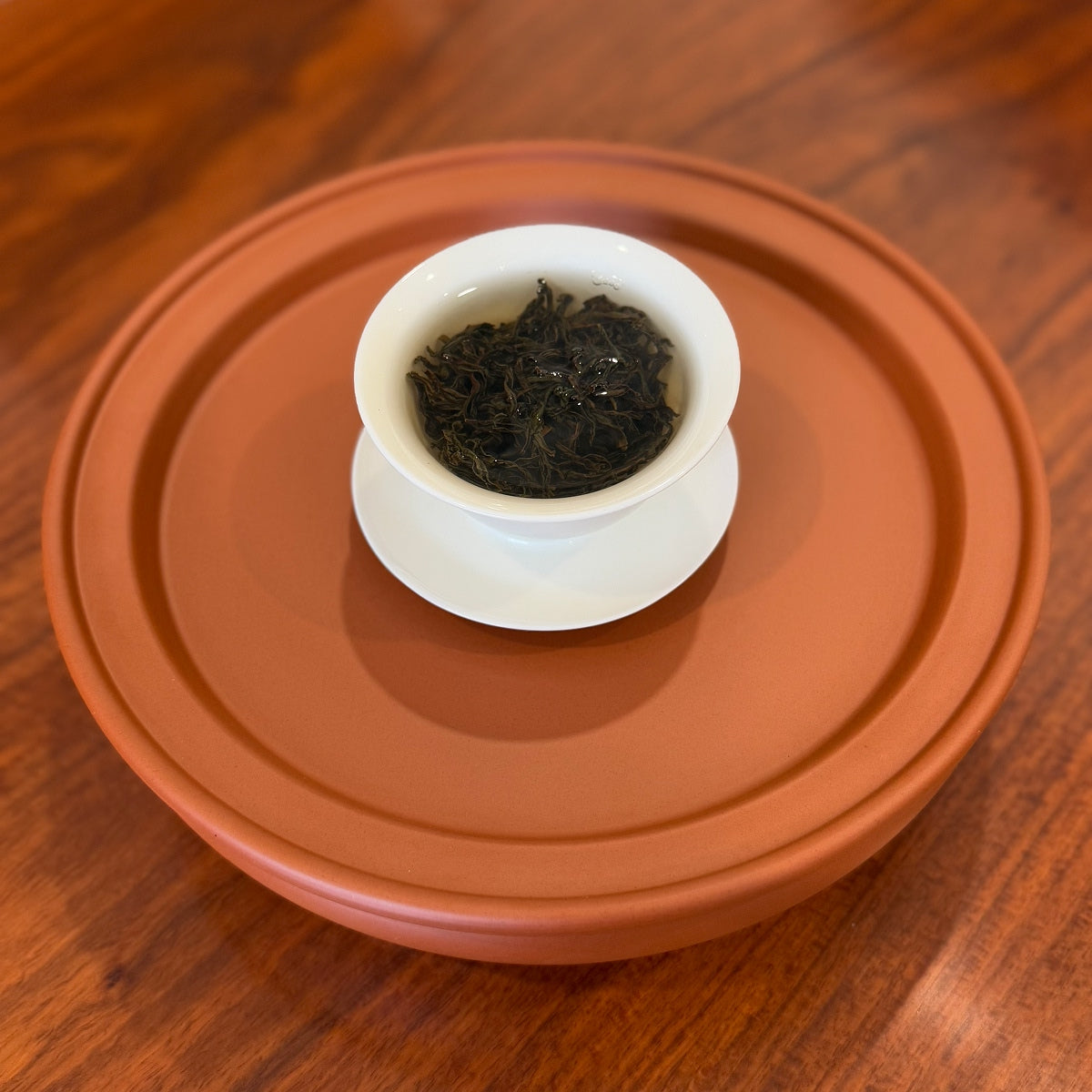
Mi Lan Xiang Dan Cong Tea (Honey Orchid Aroma) – Spring Harvest


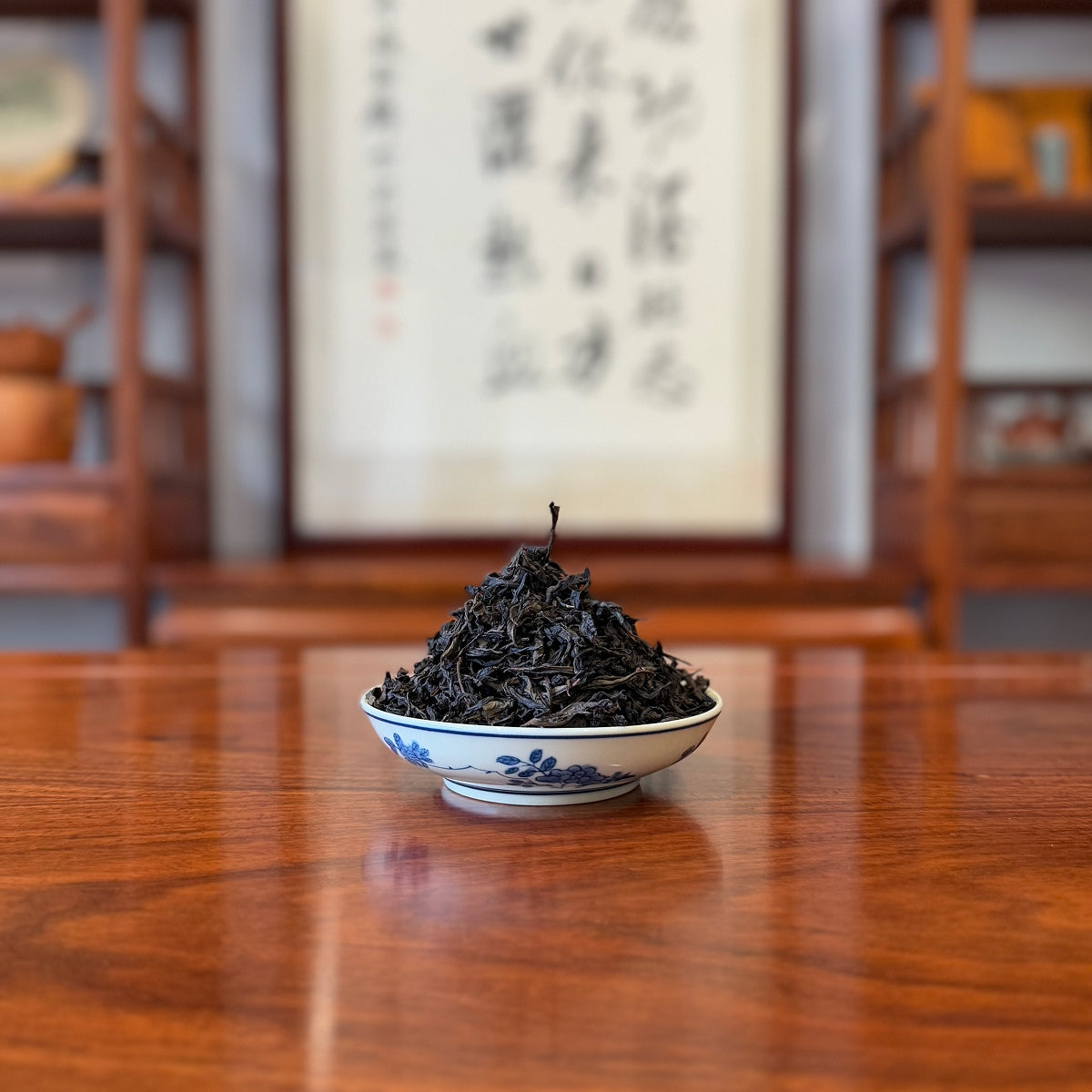
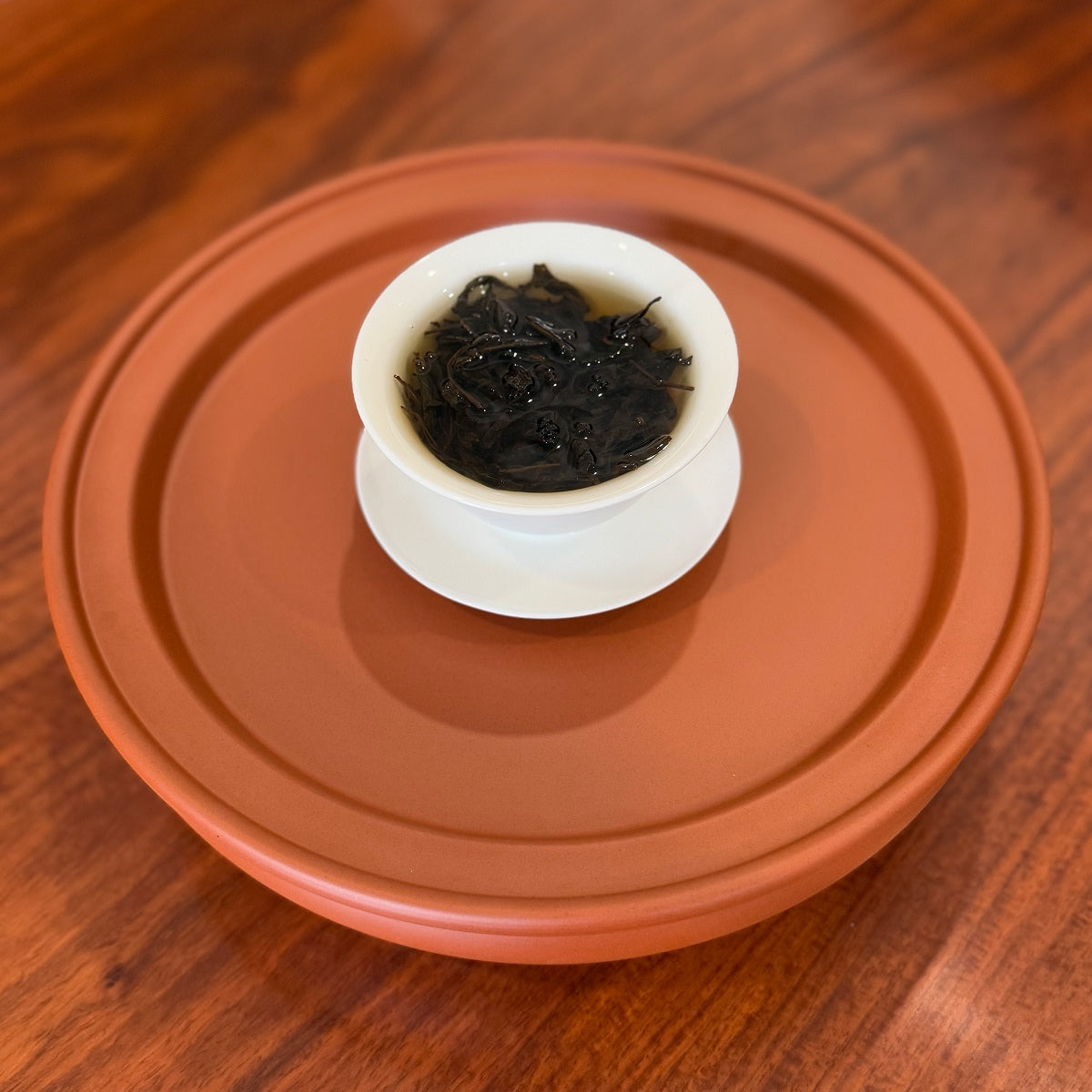


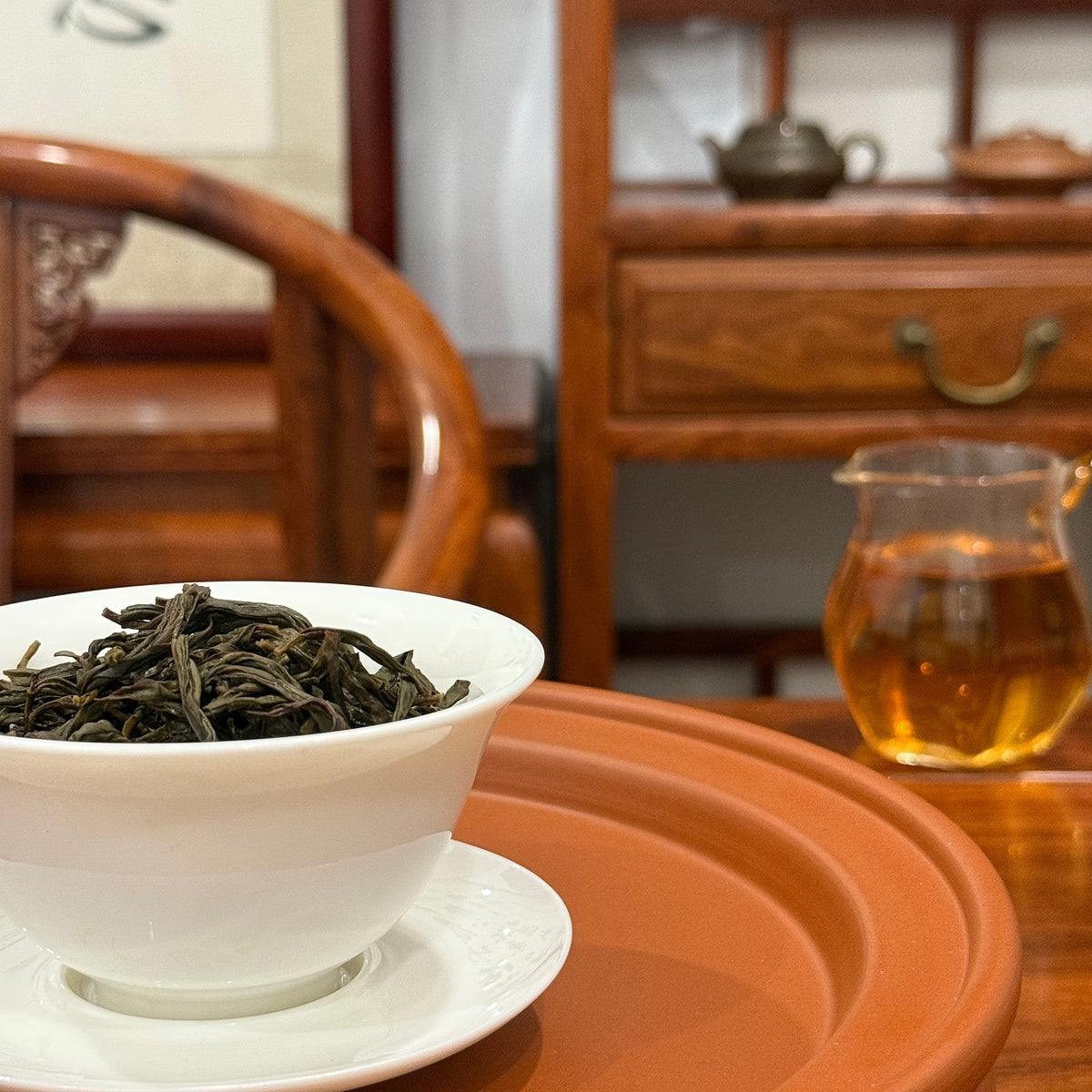
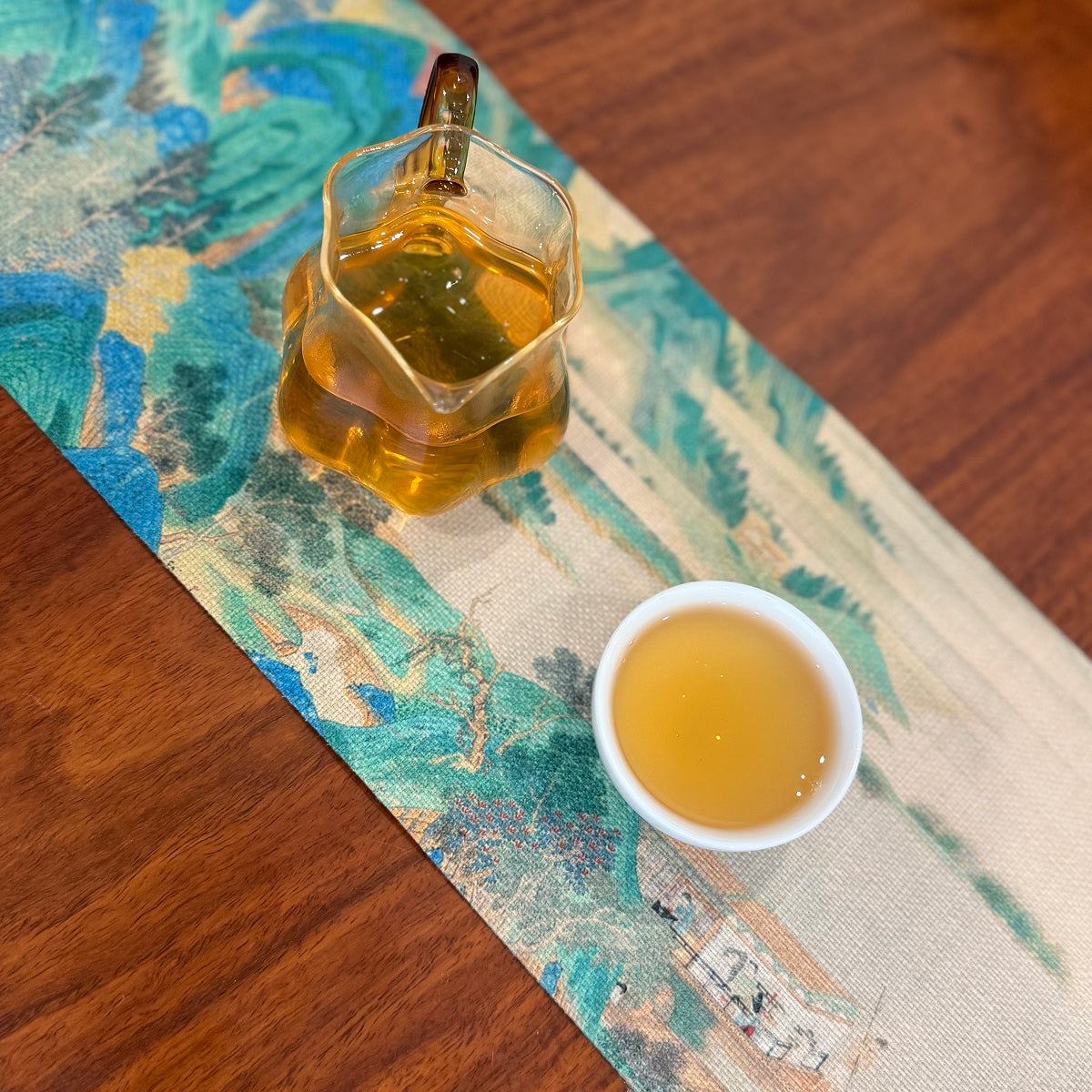
About Our Chinese Tea Collection
This collection brings together all the Chinese teas available from the Chinese Tea Group online store. Here, you can browse and compare teas by type, region, form, and age, and choose the ones that best match your taste.
As a Chinese tea company rooted in teahouse traditions, Chinese Tea Group has always taken care to introduce each tea honestly—its origin, its unique character, and the way it was crafted. In our teahouses, we sit down with tea drinkers to brew and taste tea together, sharing the knowledge, traditions, and stories behind what is in the cup.
We extend that same teahouse experience online. Though we can’t gather around a tea table with every tea lover around the world, whether you’re choosing a tea from this collection or already brewing and tasting it, you can learn more here about the teas in this collection and the Chinese tea culture behind them.
Origins of Chinese Tea
The Origins of China Tea
China is recognized as the birthplace of tea, rooted in a plant that has influenced cultures around the world—the tea tree (Camellia sinensis).
In 1753, Carl Linnaeus formally named the plant. Camellia sinensis literally means “Chinese tea plant,” linking tea’s identity to China. Its wild ancestors thrived in the mountainous forests of southwest China as early as ancient times, surviving the harsh conditions of the Quaternary Ice Age alongside many other ancient plant species.
These diverse growing environments would later contribute to the development of distinct Chinese tea regions, each shaped by its local climate, geography, tea varieties, and tea-making traditions.
History and Global Spread
Tea entered recorded history through Chinese written records. As early as the Western Han Dynasty (2nd century BCE), Wang Bao’s Tong Yue mentioned “fully prepared tea brewing” as part of household contracts. By the Tang Dynasty (8th century CE), Lu Yu’s The Classic of Tea systematically documented tea cultivation, preparation, and appreciation, marking the maturity of Chinese tea culture.
During this period, tea plants gradually spread north across the Qinling Mountains and east toward the middle and lower reaches of the Yangtze River, contributing to the development of different tea regions in China. From there, Chinese tea began its journey beyond China, eventually becoming a daily beverage for nearly three billion people worldwide.
The Science Behind Tea
The signature flavor and functional compounds in tea—such as theanine, caffeine, and tea polyphenols—are the result of long-term evolution of the tea tree. These compounds protect the plant from insects and microorganisms while shaping the unique character of Chinese tea.
Caffeine promotes alertness, tea polyphenols contribute to antioxidant and antibacterial properties, and theanine creates a smooth, fresh, and balanced taste.
Culture and Spiritual Meaning
As a gift from nature, the tea tree gained fame through a single leaf. Over thousands of years, people have celebrated, refined, and reinterpreted this leaf, giving rise to the rich and enduring culture of Chinese tea. From everyday life to the spiritual ideal of “tea and Zen as one,” traditional Chinese tea is far more than a beverage—it has become an essential part of emotional and spiritual life.
The Six Major Types of Chinese Tea
Chinese Tea Types: Flavors and Choosing by Taste
The astonishing diversity of Chinese tea stems primarily from China’s vast geographical span. Tea-growing regions stretch across 20 degrees of latitude (about 2,200 km) and 25 degrees of longitude (about 2,800 km). From coastal plains to high mountain refuges above 2,200 meters, these areas span tropical, subtropical, and warm temperate climate zones, including monsoon and plateau climates.
This vast and varied environment means that even without considering differences in tea cultivars, the combination of local culture and unique processing techniques can produce tens of thousands of teas, each with distinct flavors.
To systematically organize this richness for easier understanding, in the late 1970s, Chinese tea science established the “Six Major Tea Categories” system. This classification is based primarily on differences in processing and oxidation, providing a useful framework for understanding the many types and varieties of Chinese tea.
Understanding these differences can also provide a useful starting point when choosing among the six major tea types. Oxidation and processing are not the only factors that shape flavor, but they can help explain why different teas may taste fresh and lively, floral and aromatic, sweet and full-bodied, or deep and mellow.
Green Tea (Non-Oxidized)
Green tea is the oldest type, tracing its origins from the Tang Dynasty’s steamed green cakes to the Ming Dynasty’s pan-fried loose leaves, with techniques passed down continuously. It is the direct source of modern green tea.
Because oxidation is kept to a minimum, green tea generally preserves more of the fresh, vegetal, and lively character of the leaves, making it a natural starting point for those who enjoy lighter, fresher flavors.
Yellow Tea (Lightly Oxidized)
Yellow tea originated from the accidental “menhuang” (sealed yellowing) technique in the Tang Dynasty, with documented production by the Ming Dynasty.
Its additional yellowing process generally softens some of the sharper green characteristics while retaining a relatively delicate profile, making it suitable for tea drinkers looking for something gentle and mellow while remaining close to the character of green tea.
White Tea (Slightly Oxidized)
Traditionally considered to have originated in the early Ming Dynasty and matured during the Qing Dynasty, white tea uses a simple “withering and drying” process.
With minimal processing, white tea often offers a softer, more delicate character, while aged white teas can develop deeper and mellower flavors over time. This makes white tea an approachable choice for those who prefer a gentle tea with relatively straightforward processing.
Oolong / Qing Tea (Partially Oxidized)
Sitting between green and black tea, oolong tea has some of the most complex processing among the six major tea types. It matured in the early Qing Dynasty in northern Fujian’s Wuyi Mountains and southern Fujian’s Anxi region.
Its broad range of oxidation and processing styles gives oolong one of the widest flavor ranges among Chinese teas—from fresh and floral to roasted, rich, and aromatic—making it particularly appealing to tea drinkers who enjoy exploring different aromas and levels of intensity.
Black Tea (Fully Oxidized, Known in China as Red Tea)
Originating in the late Ming to early Qing period in Fujian’s Wuyi Mountains, black tea evolved from green tea “fixing” and white tea “withering” techniques.
(Note: What is called “black tea” in the West is referred to as “red tea” in China, due to the color of its liquor.)
With more complete oxidation, black tea generally develops sweeter, fuller, and deeper flavors than lightly oxidized teas, making it a good choice for tea drinkers who prefer a smooth, rich, and naturally sweet profile.
Dark Tea (Post-Fermented)
The defining quality of dark tea lies in microbial fermentation rather than enzymatic oxidation alone. It originated during the Tang-Song Tea Horse Trade to facilitate transport and storage. The process matured during the Ming Dynasty, producing teas that are rich, smooth, and capable of developing with age.
For tea drinkers who enjoy deeper, mellower, and more mature flavors, post-fermented dark teas offer a distinctly different experience from lightly processed or oxidized teas.
Even for Pu’er tea / Pu-erh Tea, the same cultivar from the same region can be clearly classified based on whether it is raw (sheng) or ripe (shou). Raw and ripe Pu-erh can offer very different tasting experiences, making processing especially important when choosing between them.
This system acts like a modern scientific “map,” organizing the remarkable diversity of Chinese tea and making the differences between tea types easier to understand. While oxidation and processing alone do not determine how a tea will taste, understanding them can help you compare different tea types and choose one that better matches your taste.
Choosing the Right Chinese Tea
How to Choose Chinese Tea
With so many types of Chinese tea to explore, there is no single “best” choice for everyone. A good place to start is with your own taste: the aromas and flavors you enjoy, whether you prefer fresh or aged tea, and how you like to brew and experience it.
Understanding these preferences can make it easier to narrow your Chinese tea selection and find the teas that suit you best.
Start with the Flavors You Enjoy
Flavor is often the simplest way to begin choosing Chinese tea.
If you enjoy fresh, light, and lively flavors, green tea is a natural place to start. White tea is generally softer and more delicate, while some aged white teas develop deeper and mellower flavors over time.
For floral and aromatic teas, oolong offers a particularly broad range, from light and fragrant styles to richer and more roasted expressions.
If you prefer smooth, sweet, and fuller flavors, black tea can be an approachable choice. For deeper, earthier, or more mature profiles, dark tea and ripe Pu-erh offer a very different experience.
These are useful starting points rather than fixed rules. Region, cultivar, processing, roasting, storage, and age can all influence the character of an individual tea.
Choose by Tea Type
Tea type is a useful way to narrow your choices, but it should be treated as a starting point rather than a guarantee of flavor. Green and white teas often appeal to those looking for lighter profiles, while oolong offers a particularly broad range of aromas and styles. Black tea generally leans toward fuller and sweeter flavors, while dark tea and Pu-erh can offer deeper and more mature profiles.
Within each category, origin, cultivar, processing, roasting, age, and storage can create significant differences. Once you have found a tea type you enjoy, comparing individual teas within that category is often the best next step.
Fresh or Aged Tea?
Time can significantly change the character of certain Chinese teas.
Fresh green tea is generally prized for its vibrant aroma and fresh character and is usually enjoyed relatively soon after production. Other teas—including Pu-erh, dark tea, and some white teas—can continue to change during proper storage, often becoming smoother, deeper, or more complex with age.
Some oolong teas can also develop differently over time depending on their processing and roasting.
Neither fresh nor aged tea is inherently better. The choice depends on whether you prefer brighter, fresher characteristics or deeper and more mature flavors.
Loose Leaf or Compressed Tea?
Tea form is another practical consideration.
Chinese loose leaf tea allows you to easily see and measure the leaves and adjust the amount you use for each brew. Green, black, white, and oolong teas are commonly found in loose-leaf form.
Compressed Chinese tea, including traditional tea cakes, bricks, and tuocha, is especially common among Pu-erh and some aged teas. Compressed tea may require gently prying off the desired amount before brewing, but its compact form has a long history in the storage and transportation of tea.
Neither form determines quality. Choose according to the type of tea you enjoy and how you prefer to store, prepare, and brew it.
Let Your Own Experience Guide You
Your senses—aroma, flavor, mouthfeel, aftertaste, and the overall drinking experience—are ultimately more useful for choosing tea than relying on a single number or characteristic.
Season and occasion can also influence what you feel like drinking. A fresh, light tea may be appealing on a warm afternoon, while a richer or mellower tea may feel more satisfying at another time.
Most importantly, pay attention to your own experience. The more teas you taste, the easier it becomes to recognize the aromas, textures, processing styles, and regions you naturally prefer.
A Note on Tea and Wellness
Tea contains naturally occurring compounds including caffeine, tea polyphenols, and theanine, but their levels are not fixed. Tea cultivar, growing environment, processing, storage, age, brewing temperature, leaf quantity, and infusion time can all influence what ultimately reaches the cup.
Scientific research on tea and health also varies considerably in study design and dosage, and findings involving concentrated extracts should not automatically be interpreted as the effects of ordinary tea drinking.
For this reason, we do not recommend choosing a tea solely according to a list of claimed health benefits or fixed chemical percentages. Tea can instead be enjoyed as part of a balanced lifestyle, with flavor, brewing experience, personal preference, and moderate consumption remaining important considerations.
Choosing Tea Is Personal
Ultimately, choosing Chinese tea is a personal journey. There is no need to find the “best” Chinese tea in absolute terms—the better question is which tea best matches your taste, brewing habits, and the experience you are looking for.
In our teahouses, this is how we traditionally help tea drinkers choose: by brewing, tasting, comparing, and learning what they enjoy. Chinese Tea Group brings the same approach online—helping you understand each tea, compare your options, and choose with greater confidence.
What Does “Fresh” Tea Really Mean?
What Is New Tea in China?
For tea lovers, freshness can be an important part of choosing and enjoying tea. But in the world of Chinese tea, “New Tea” has a more specific meaning than simply tea that has just been picked. It generally refers to tea produced from the most recent harvest season, although exactly what counts as “new” can vary by tea type and production cycle.
What counts as fresh tea can also vary considerably from one tea type to another. Harvest season, processing methods, and the time needed for finishing all influence when a tea is actually ready to drink.
What “New Tea” Actually Means
Tea production follows seasonal agricultural cycles. In many Chinese tea regions, the major spring tea harvest takes place between March and May, although the exact timing varies according to region, altitude, weather, tea cultivar, and tea type.
Harvesting the leaves is only the beginning. Fresh leaves must go through the appropriate processing stages before they become finished tea, and different teas require very different amounts of time to reach that point.
For this reason, “new tea” is better understood in relation to both the tea harvest season and the completion of processing—not simply how recently the leaves were picked.
Harvest and Processing Take Time
The journey from fresh leaf to finished tea can be relatively short or extend over a much longer period depending on the tea.
- Green Tea: Many green teas are processed relatively quickly after harvesting in order to preserve their fresh character. Some early spring teas, including pre-Qingming teas, may reach the market from late March into April.
- Wuyi Rock Tea: Harvesting generally takes place later in spring, but roasting, resting, and refinement can continue for months. As a result, a newly harvested Wuyi tea does not necessarily become a finished tea immediately after picking.
- Raw (Sheng) Pu-erh Tea: Fresh leaves are typically kill-greened, rolled, and sun-dried into maocha before they may be further sorted and pressed. The finished tea therefore reaches the market later than the initial spring harvest.
These examples illustrate why fresh tea should not be judged by harvest date alone. Processing is part of what determines when a new-season tea is actually ready.
When Does New Tea Reach the Market?
There is no single release date for all new Chinese teas. Different tea regions and processing styles follow different production schedules, and weather conditions can shift the timing from year to year.
As a general guide:
- Early spring: Some of the earliest green teas begin to appear.
- Mid to late spring: Many well-known spring green teas enter the market, while harvesting and production of white tea and other tea types are also underway.
- Late spring into summer: More white teas, oolongs, and raw Pu-erh products begin to appear as their respective processing stages are completed.
- Later in the year: Some traditionally processed and roasted oolongs, including certain Wuyi Rock teas, may be released only after additional roasting, resting, and refinement.
Rather than relying on a fixed calendar, check the tea harvest year, harvest season when relevant, and the processing information provided for the individual tea. Our New Tea Arrivals collection brings together recently released teas as they become available.
New Tea Is Not Always Better
“New” and “fresh” should not automatically be understood as signs of higher quality.
Green tea is generally prized for its fresh aroma and lively character and is usually enjoyed relatively soon after production. Other teas may benefit from additional resting or aging, while some can continue to develop during proper storage.
The important question is therefore not simply whether a tea is new or aged, but whether its age and condition are appropriate for that particular tea and the drinking experience you prefer.
What to Look for When Buying New Tea
When evaluating a tea described as “new” or “fresh,” a few pieces of information are more useful than the word “fresh” alone:
- Check the harvest year. This gives you a clearer indication of when the leaves were produced.
- Look at the harvest season when relevant. Spring, summer, and autumn harvests can have different characteristics, depending on the tea.
- Consider the processing cycle. A tea harvested recently may still require roasting, resting, pressing, drying, or other finishing steps before it is ready.
- Do not assume newer always means better. Freshness is especially important for certain teas, while others are valued for how they develop with time.
- Look for clear origin and production information. Knowing where, when, and how a tea was produced provides a more useful basis for evaluating it than a general freshness claim.
Freshness Depends on the Tea
Understanding New Tea is ultimately about understanding the natural rhythm of tea production. Harvesting, processing, resting, storage, and aging can all play different roles depending on the tea.
For some teas, freshness is part of what makes them special. For others, time can bring greater depth, smoothness, or complexity. Rather than treating “fresh” as a universal measure of quality, it is more useful to understand each tea according to its type, production, harvest season, and age. When choosing a tea, look beyond the word “fresh” and compare these details to find the tea that best matches what you want to drink.
How to Identify Authentic Tea
What Makes Chinese Tea Authentic?
What makes a Chinese tea truly authentic? For us, authenticity is not defined by a famous name or a label alone. It comes from the relationship between where a tea is grown, the tea cultivar and raw material, how it is made, and ultimately how it tastes in the cup.
Purity of Origin
Authenticity begins with origin. Every tea in our Chinese Tea collection clearly indicates where it comes from—not simply as a place name, but because the growing environment helps shape the character of the tea.
Soil, altitude, climate, local ecology, and growing conditions can all influence aroma, flavor, and leaf character. For teas traditionally associated with particular regions, clear and specific origin information is therefore one of the first things worth looking for.
Genuineness of Variety
Origin alone does not tell the whole story. The tea plant itself also matters.
Many traditional Chinese teas are associated with particular cultivars or local tea-tree populations that have developed alongside regional tea-making traditions. Anxi Tieguanyin and Phoenix Dan Cong, both well-known Chinese oolong teas, are two examples whose identity is closely connected with their place of origin, cultivars, and local processing traditions. Different cultivars can produce noticeably different aromas, flavors, textures, and responses to processing.
Knowing the cultivar or raw material, when relevant, can therefore provide useful context when comparing teas from the same region or teas sold under the same general name.
Heritage of Craftsmanship
Authenticity is also expressed through craftsmanship.
Traditional Chinese tea is not made through a single universal process. Green tea, white tea, oolong, black tea, dark tea, and Pu-erh each rely on different processing principles, while individual tea regions have developed their own techniques over generations.
What matters is not simply whether a tea is described as “handcrafted” or “traditional,” but whether its processing suits the tea material, regional style, and character the maker is trying to achieve. Good craftsmanship should allow the qualities of the leaf and its origin to come through clearly in the finished tea.
Proof in Flavor
Ultimately, authenticity has to make sense in the cup.
Origin, cultivar, and craftsmanship provide important information, but tasting shows how those elements come together. Aroma, flavor, mouthfeel, aftertaste, balance, and the way a tea develops across infusions can all help reveal its character.
This does not mean that every authentic tea from the same region should taste exactly alike. Cultivar, season, processing, storage, and age can all create meaningful differences. What matters is whether the character of the tea is consistent with what it claims to be.
What to Look for When Buying Authentic Chinese Tea
When buying authentic Chinese tea, look beyond the name on the package. A famous tea name alone does not tell you everything about the tea inside.
Start with the information that can actually help you understand the tea: where it was produced, the cultivar or raw material when relevant, how it was processed, and its harvest or age when those details matter. For aged teas, storage history can also be important.
Descriptions should tell you something meaningful about the tea itself—its origin, production, aroma, flavor, and character—rather than relying only on broad claims such as “premium” or “authentic.”
And whenever possible, let tasting become part of the process. Comparing classic examples from recognized origins gradually builds a reference for the aromas, flavors, textures, and aftertastes associated with different regions and styles. Over time, your own experience becomes one of the most useful tools for choosing tea.
Authenticity Beyond the Label
At Chinese Tea Group, these are the same principles we use when selecting teas for our teahouses and online collection. We consider where a tea comes from, its raw material and cultivar when relevant, how it was made, how it has been stored when aging is involved, and most importantly, how it tastes in the cup.
Our aim is not simply to offer teas with famous names. We want tea drinkers to understand what they are buying, which is why we take care to describe the origin, production, age, and tasting character of each tea as clearly and honestly as possible.
Whether you are discovering Chinese tea for the first time or comparing teas from regions and styles you already know, these details give you a clearer basis for judging each tea for yourself.
Explore our selection of authentic Chinese teas from China and choose the ones that best match your taste.