How to Taste and Choose Ripe Pu-erh Tea
Choosing Ripe Pu-erh is easier when you focus on how the tea actually tastes and feels rather than relying on age, price, or appearance alone. Good raw material and well-managed fermentation provide the foundation, but the quality of the finished tea is best understood through the cup.
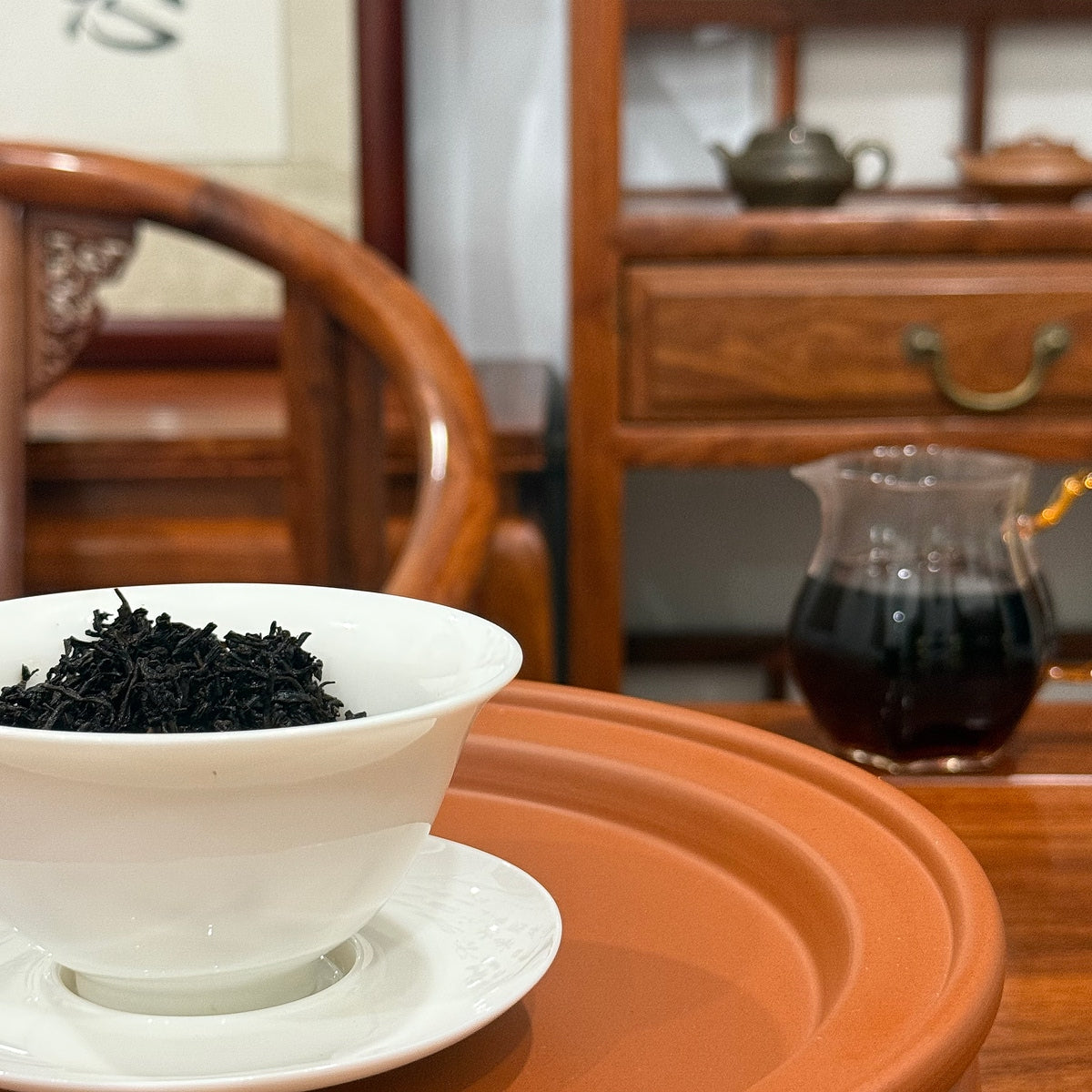
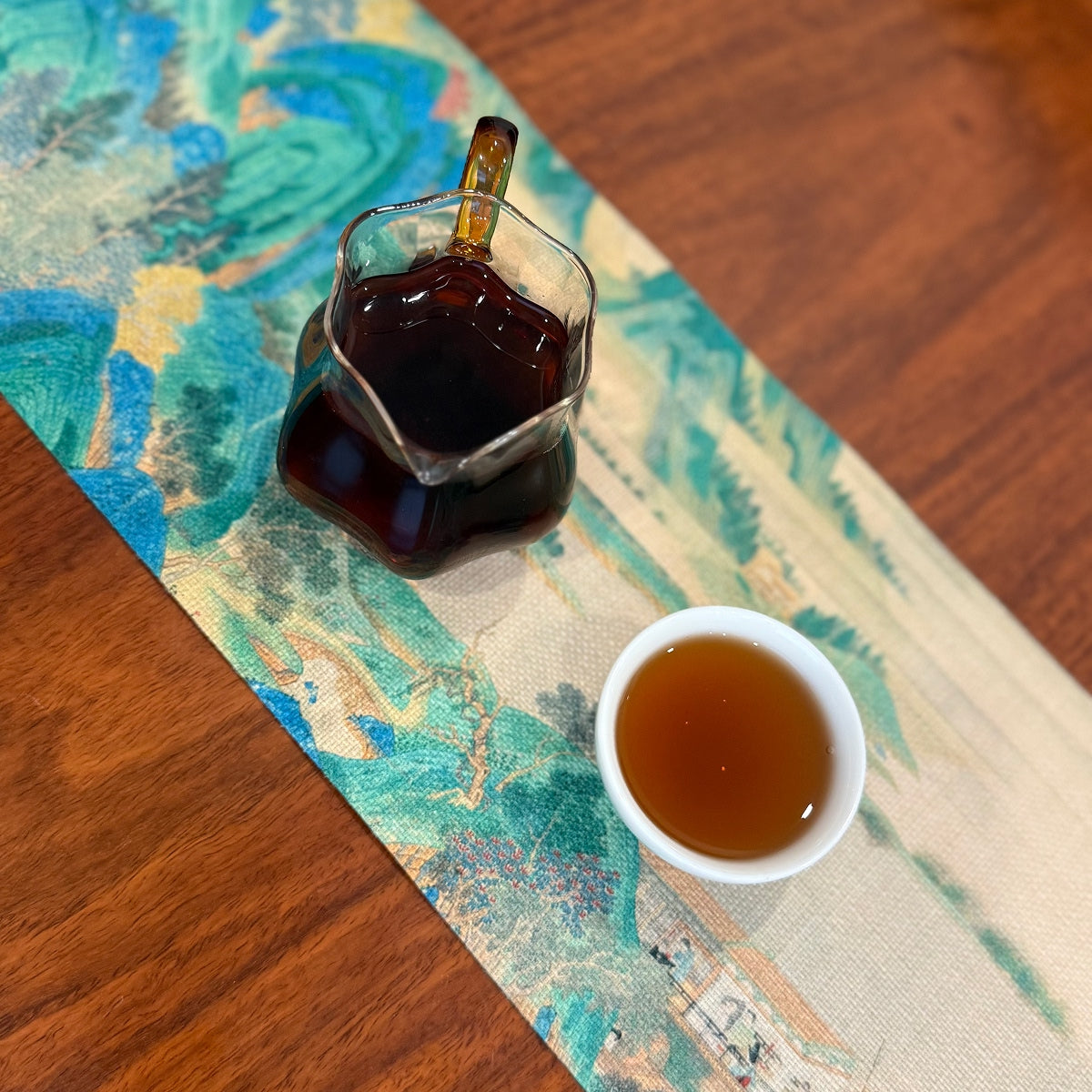
When tasting Ripe Pu-erh, pay particular attention to its aroma, flavor, mouthfeel, and how the tea develops across multiple infusions.
Aroma
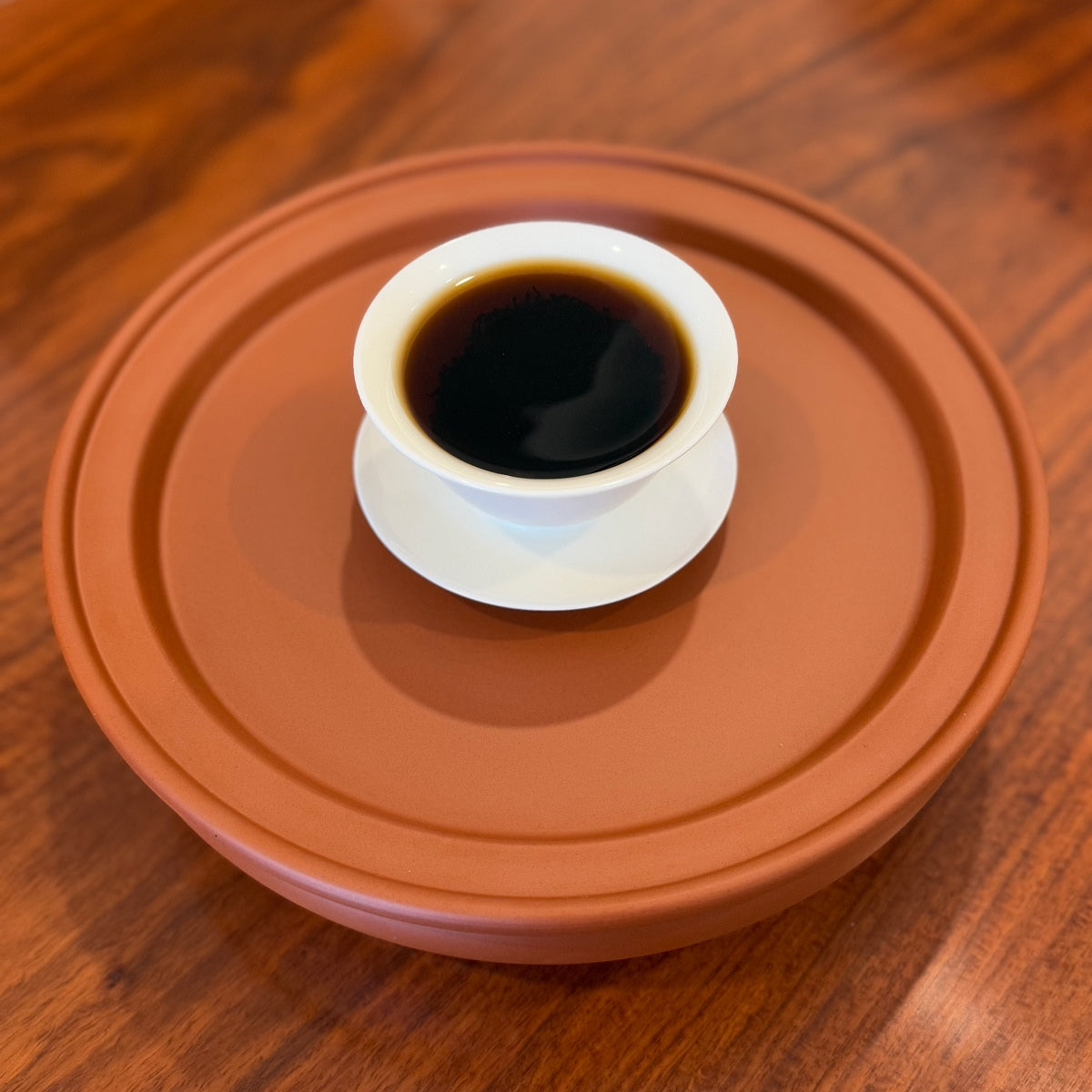
A good Ripe Pu-erh should have a clean aroma without unpleasant sour, musty, or mold-like notes. Depending on its raw material, fermentation, and age, its aromatic character may include woody, earthy, sweet, nutty, jujube-like, or other developed notes.
The aroma should also work naturally with the tea liquor rather than feeling disconnected from what you taste in the cup.
Flavor
Ripe Pu-erh is often appreciated for its mellow and rounded character, but this does not mean every good tea should taste the same. Look for balance and depth rather than one particular flavor.
Sweetness, mild bitterness or astringency, and other flavor characteristics should feel integrated rather than harsh or distracting. A pleasant finish that remains after swallowing can add to the overall drinking experience.
Mouthfeel
Mouthfeel is particularly important when evaluating Ripe Pu-erh. Consider the tea's body, texture, smoothness, and how it feels in the mouth and throat after swallowing.
A well-made Ripe Pu-erh may feel smooth, full, soft, or velvety, depending on the tea. Persistent roughness, excessive dryness, or an uncomfortable sensation may indicate that the tea is not well suited to your taste or that its fermentation or storage deserves closer consideration.
Performance Across Infusions
When brewed Gongfu style, Ripe Pu-erh can be evaluated across several infusions rather than from a single cup. Notice whether its aroma, flavor, and body develop naturally and whether the tea maintains a satisfying character as the infusions progress.
There is no fixed number of infusions that defines quality. Leaf quality, compression, brewing ratio, water temperature, and personal brewing style can all affect how long a tea lasts.
From Sampling to Choosing a Tea
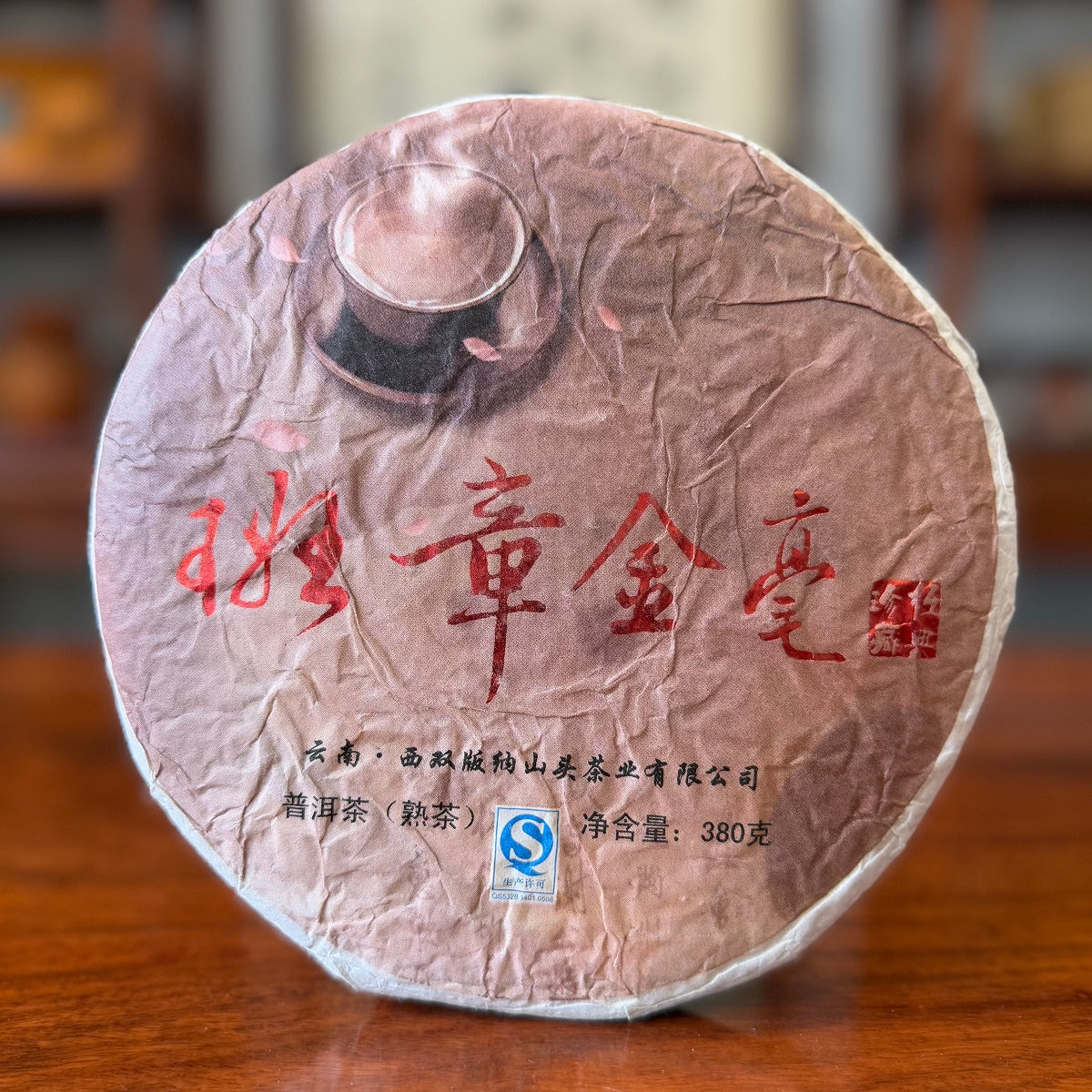
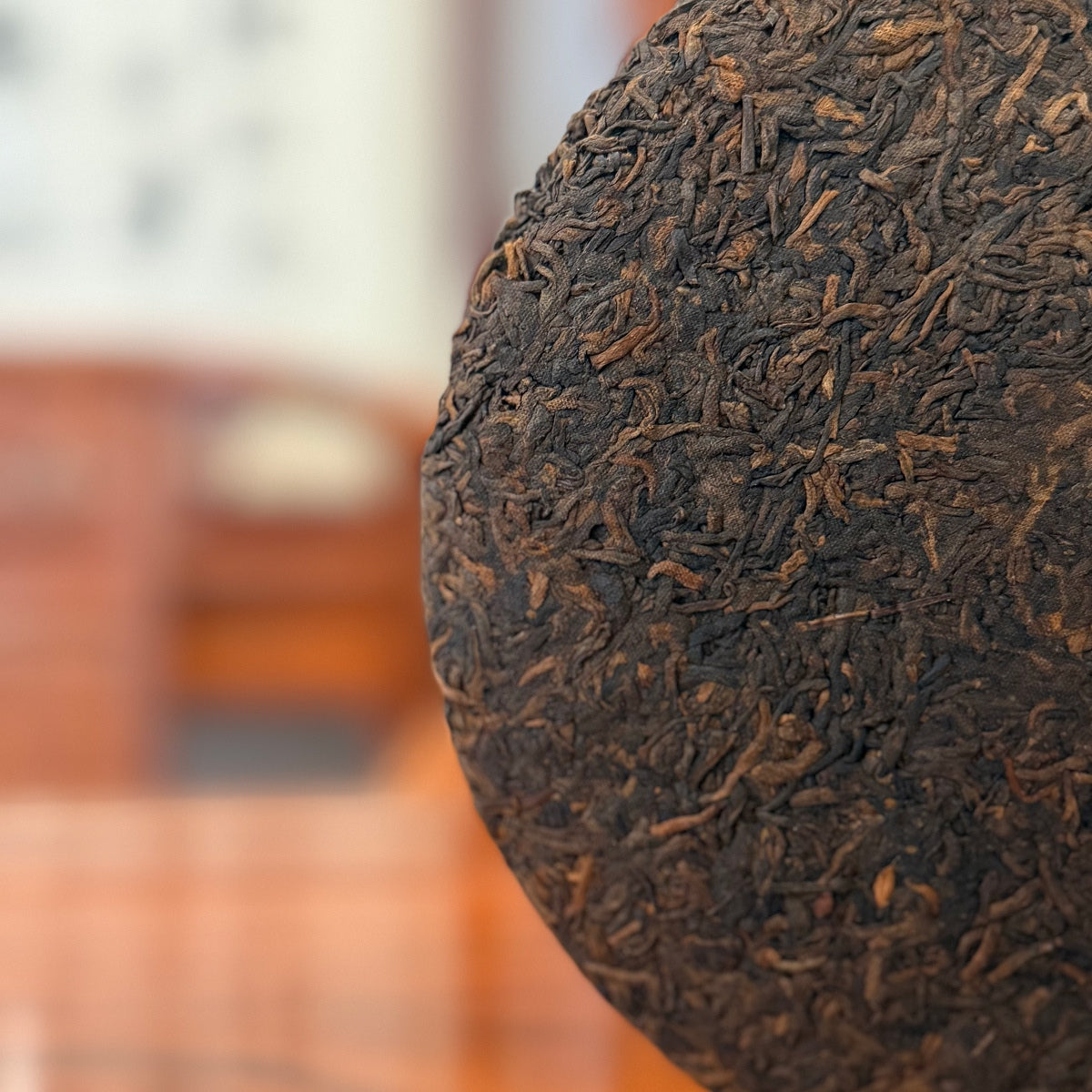
Whenever possible, tasting a sample before purchasing a full Pu-erh tea cake or larger quantity is one of the most practical ways to choose Ripe Pu-erh. It allows you to evaluate the tea using your own water, brewing method, and taste preferences rather than relying on age, descriptions, or appearance alone.
For teas available in sample sizes, sampling can also help you compare different origins, fermentation styles, and ages before deciding which Ripe Pu-erh best suits your taste.
You can also browse our Pu-erh Tea Collection to compare Ripe and Raw Pu-erh teas from Yunnan.