

Chinese Loose Leaf Tea
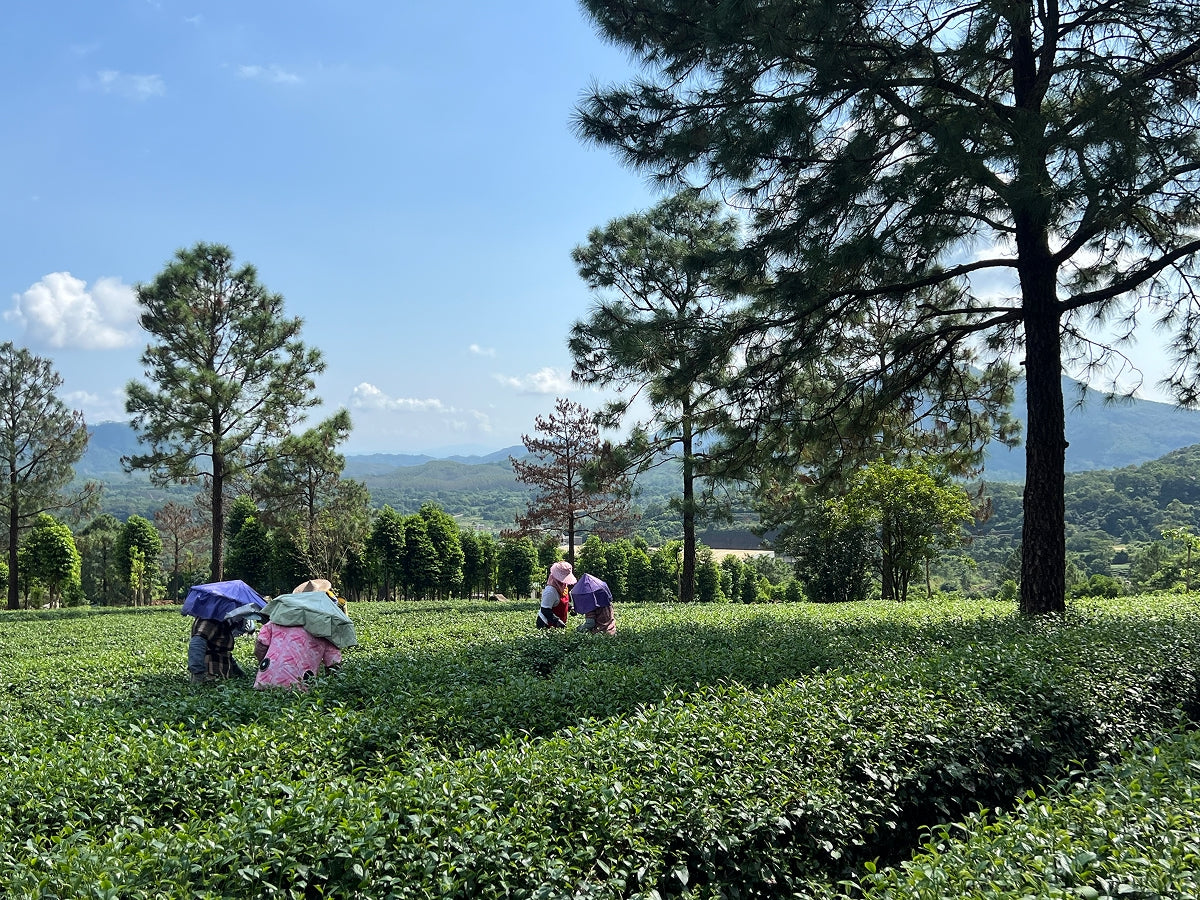
Sourced from China’s best loose leaf tea, grown in legendary tea mountains. From misty, pristine tea gardens and centuries-old traditional craftsmanship to authentic, unfiltered imagery from our own physical teahouses, everything is presented through our online store—dedicated to delivering you a truly pure loose leaf tea experience.
-

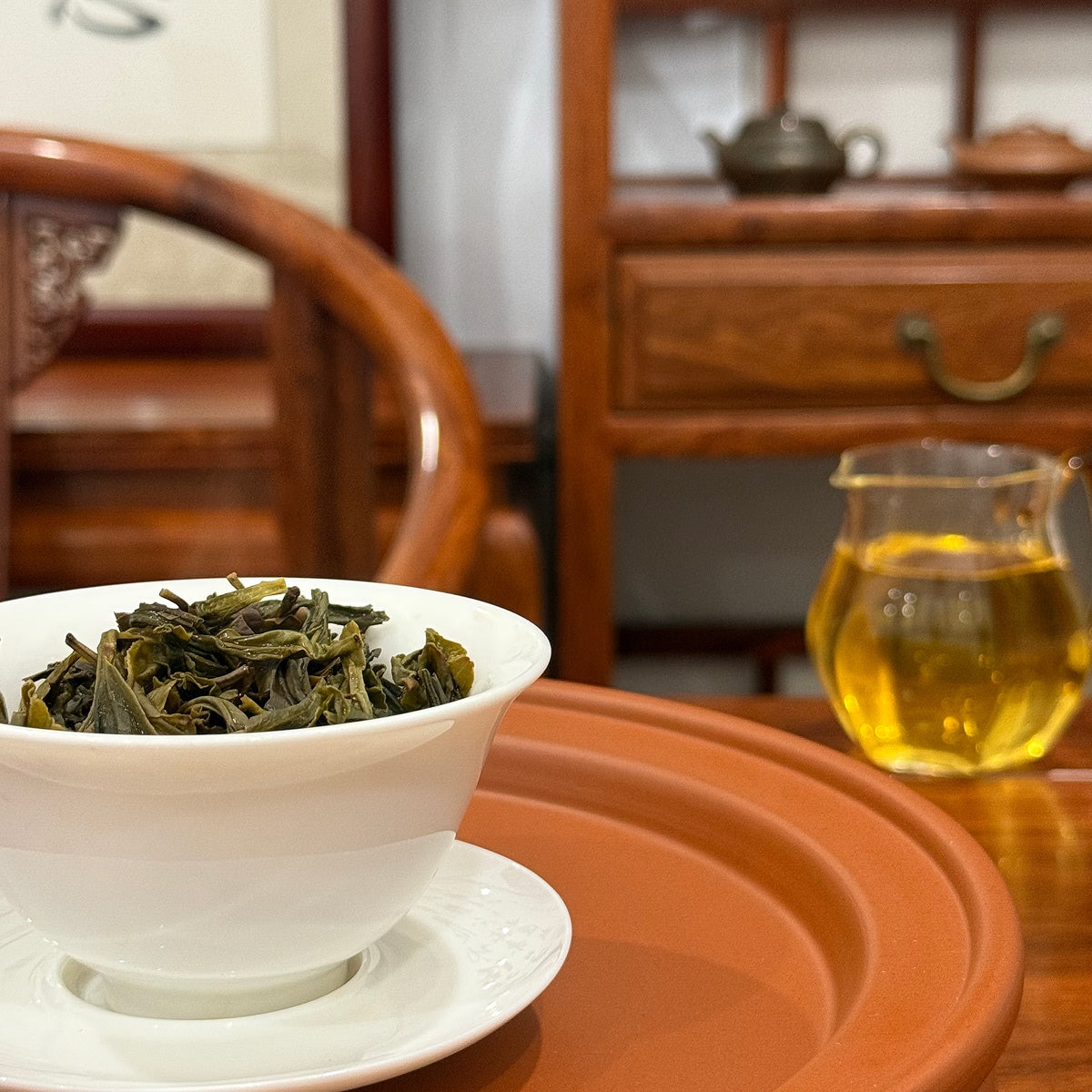
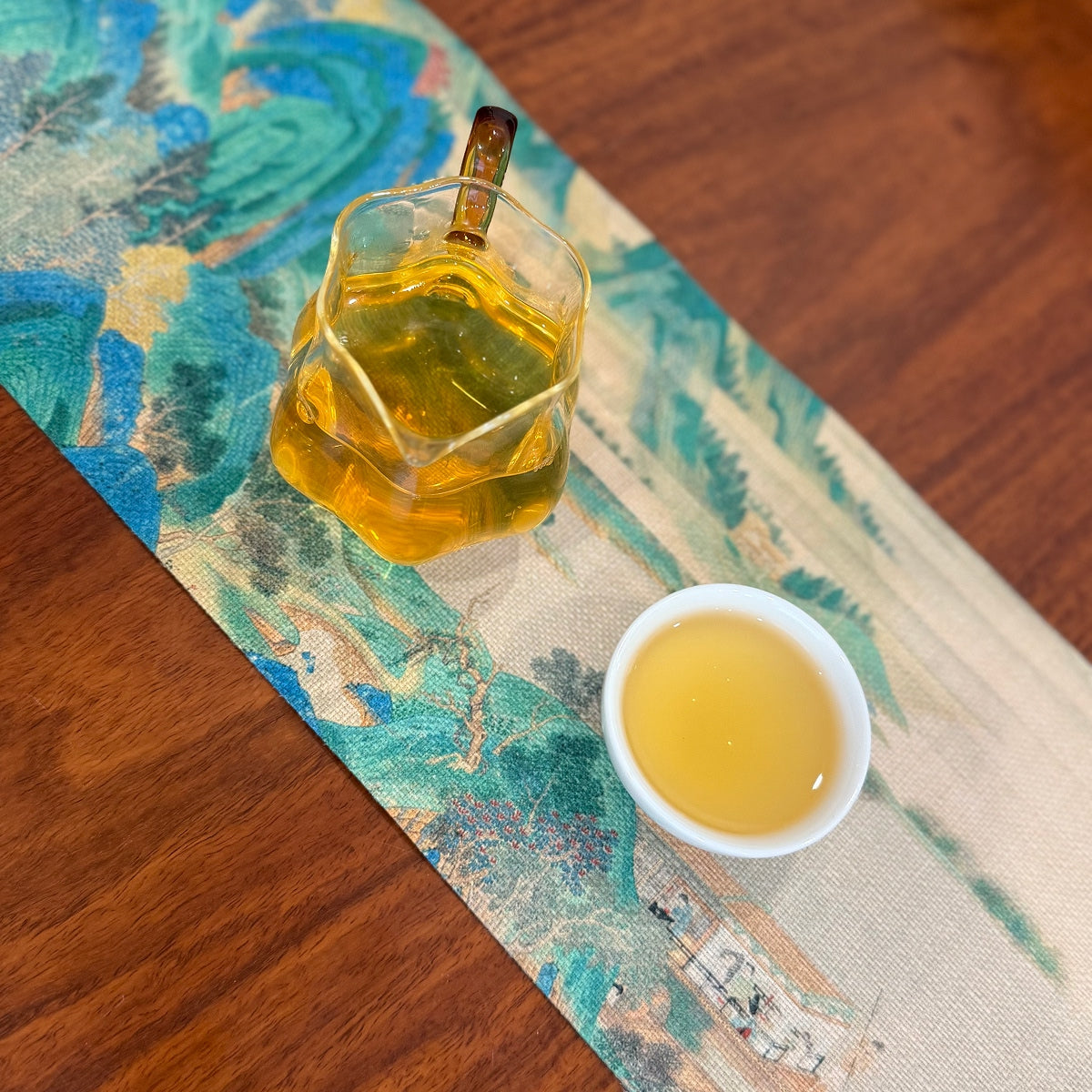
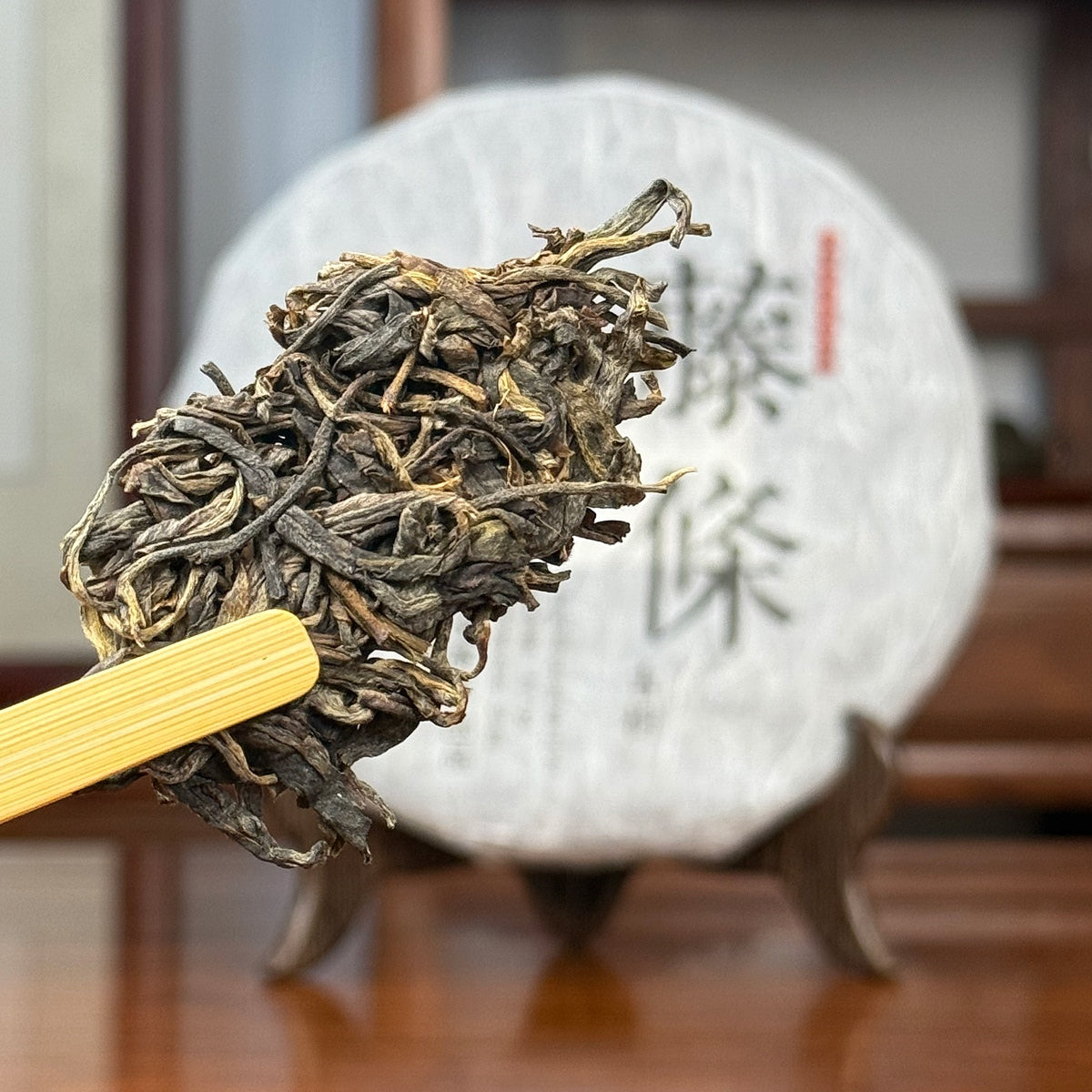
Loose Leaf Raw Pu-erh Tea – 2022 Bing Dao
-

Anji Bai Cha Green Tea (Anji White Tea) – Spring Harvest
-

Yunnan Golden Snail Black Tea (Dian Hong Jin Luo) – Feng Qing
-

Feng Huang Dan Cong Tea (Phoenix) – Classic
-

Tie Guan Yin Tea (Ti Kuan Yin / Iron Goddess) – Classic
-

Shui Xian Oolong Tea (Shui Hsien / Narcissus) – Classic
-

Rich Loose Leaf Green Tea – Spring Harvest
-

Xin Yang Mao Jian Green Tea (Green Tip Tea) – Spring Harvest
-
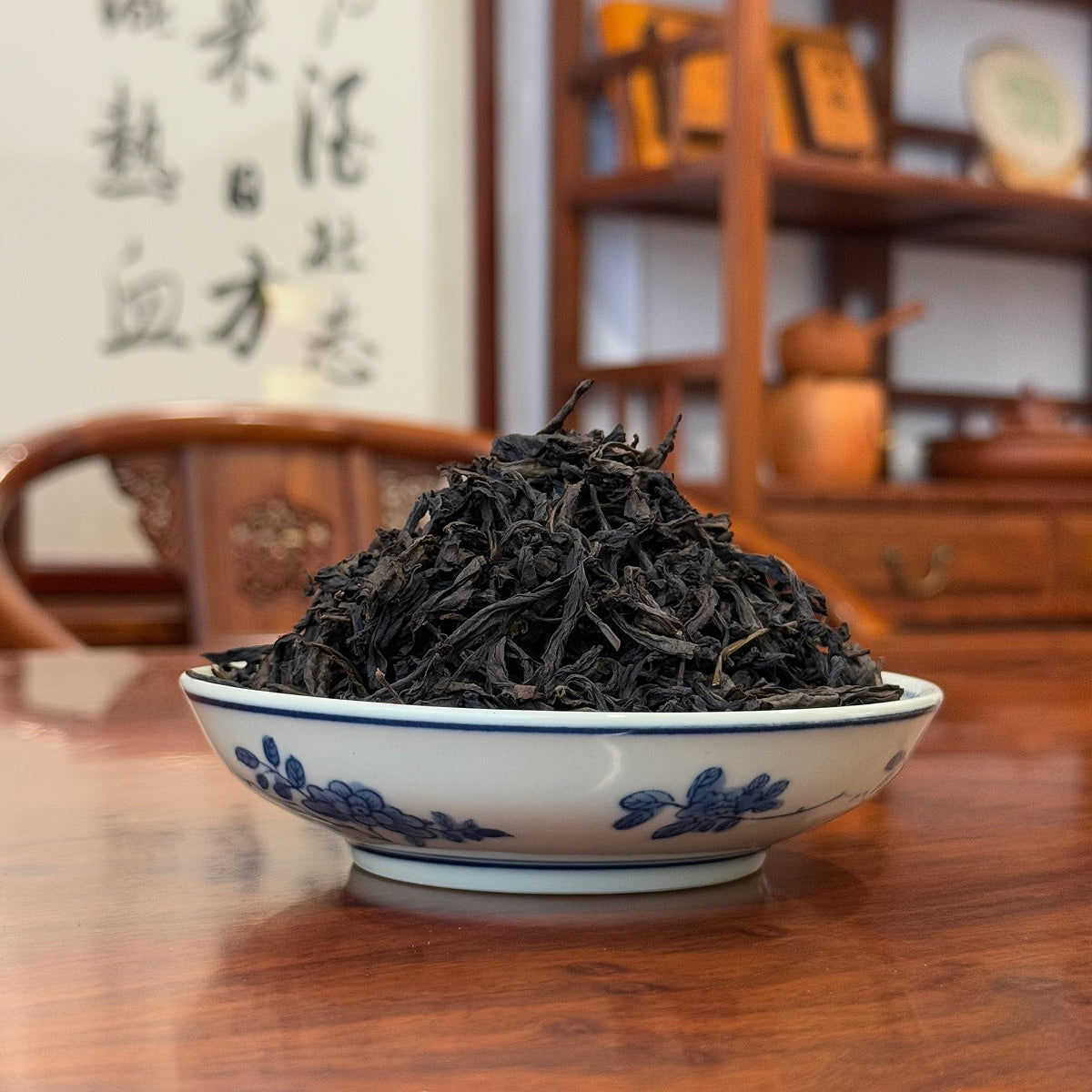
Da Hong Pao Oolong Tea (Big Red Robe) – 2024 Best Seller
-

Long Jing Green Tea (Dragon Well) – Pre-Qingming
-

Rou Gui Oolong Tea (Cinnamon) – Charcoal Roasted
-
-

Bai Hao Yin Zhen White Tea (Silver Needle) – Premium Grade
-
-

Wuyi Oolong Tea Gift Box – Da Hong Pao (Big Red Robe)
Wuyi Oolong Tea Gift Box – Da Hong Pao (Big Red Robe)
Best-Selling Tea Gifts from Our Tea House
$79.00 -

Keemun Xiang Luo Black Tea (Qimen Fragrant Spiral) – High Mountain
-
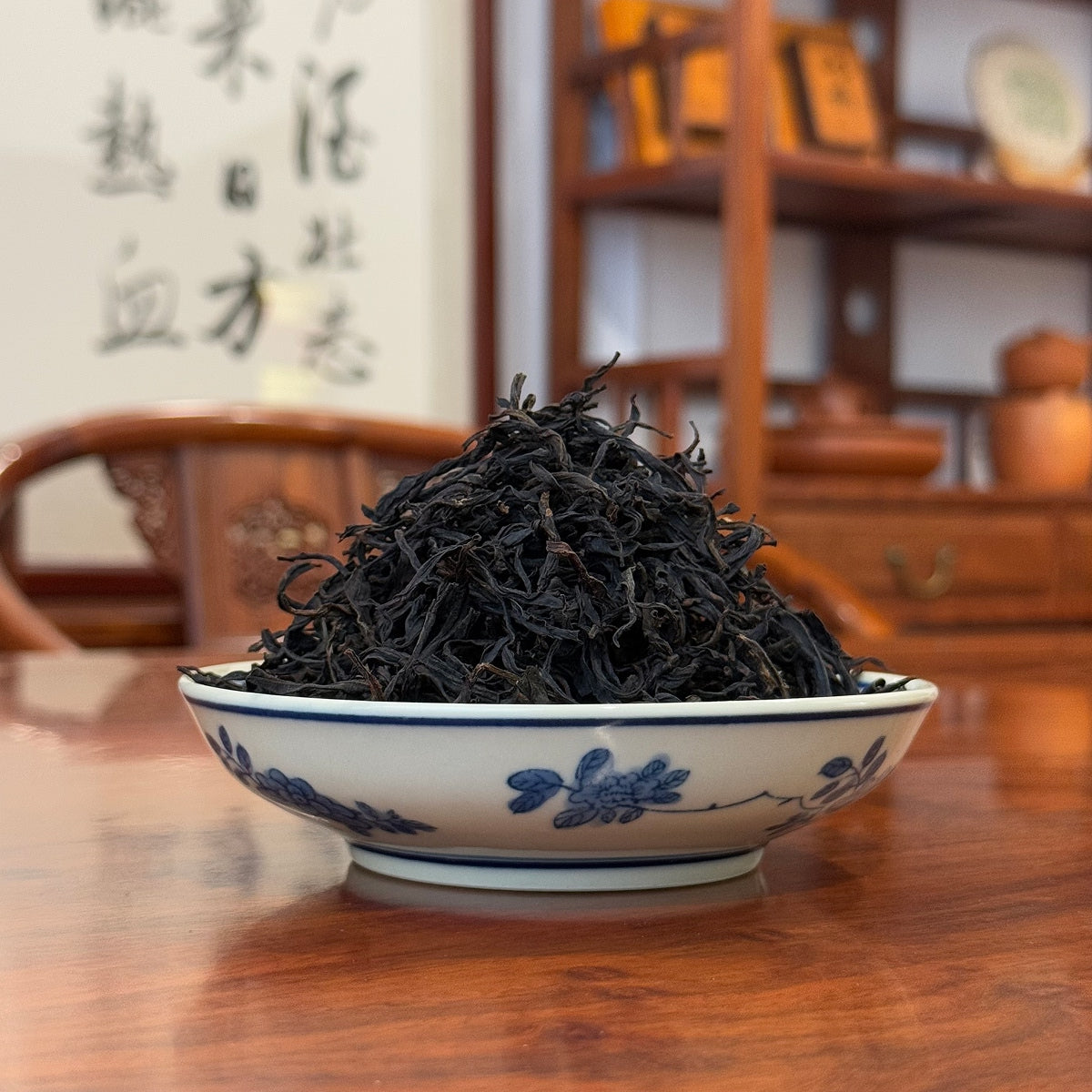
Mi Lan Xiang Dan Cong Tea (Honey Orchid Aroma) – 2020 Roasted
-

Mi Lan Xiang Dan Cong Tea (Honey Orchid Aroma) – Spring Harvest
-

Huang Zhi Xiang Dan Cong Tea (Yellow Branch Aroma) – Classic
-

Holiday Tea Gift Set – 2026
-
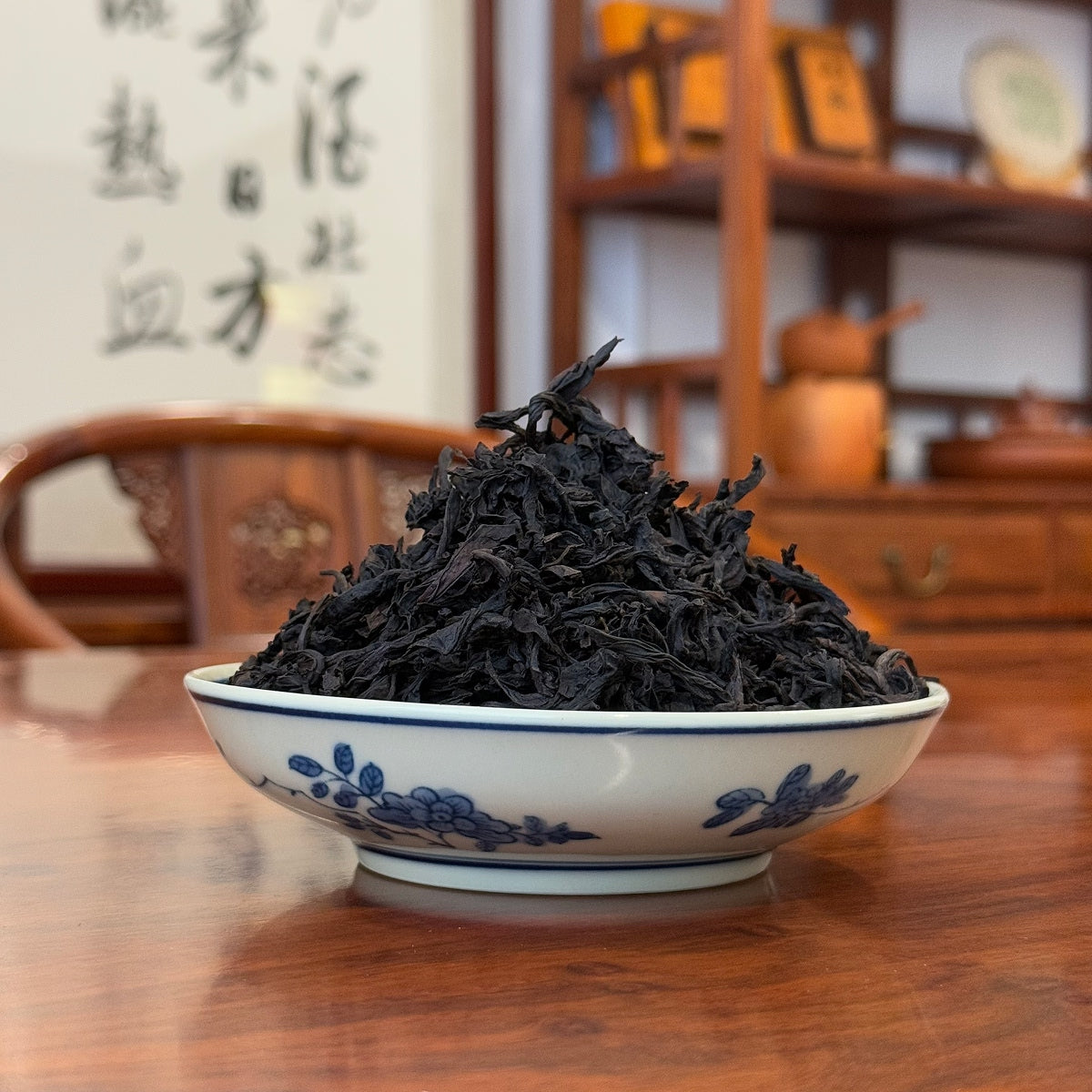
Da Hong Pao Oolong Tea (Big Red Robe) – 2019 Aged
-

Ya Shi Xiang Dan Cong Tea (Duck Shit Aroma) – Classic
-

Loose Leaf Shou Pu-erh Tea – 2012 Imperial Grade
-
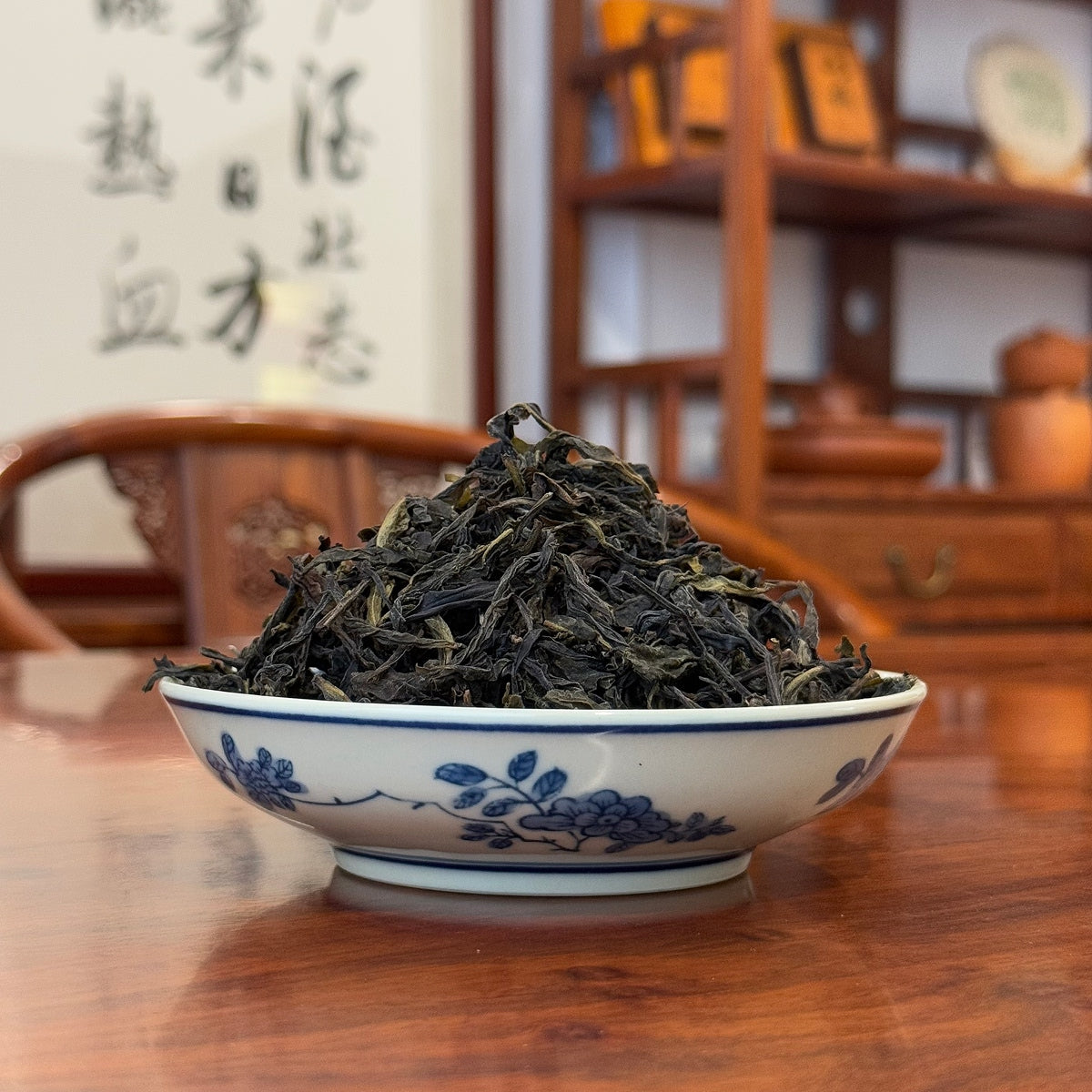
Ya Shi Xiang Dan Cong Tea (Duck Shit Aroma) – 2024 Aromatic Style


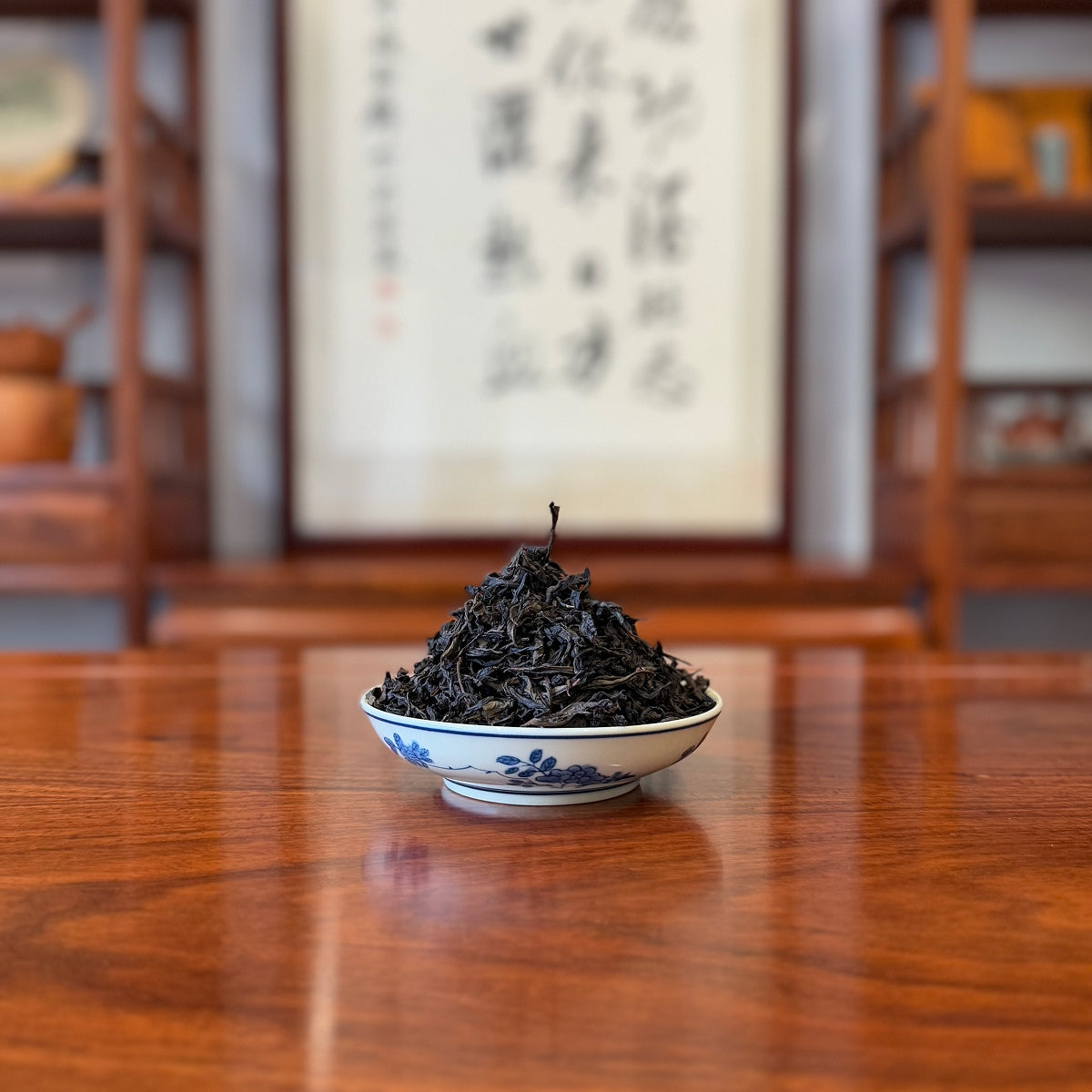
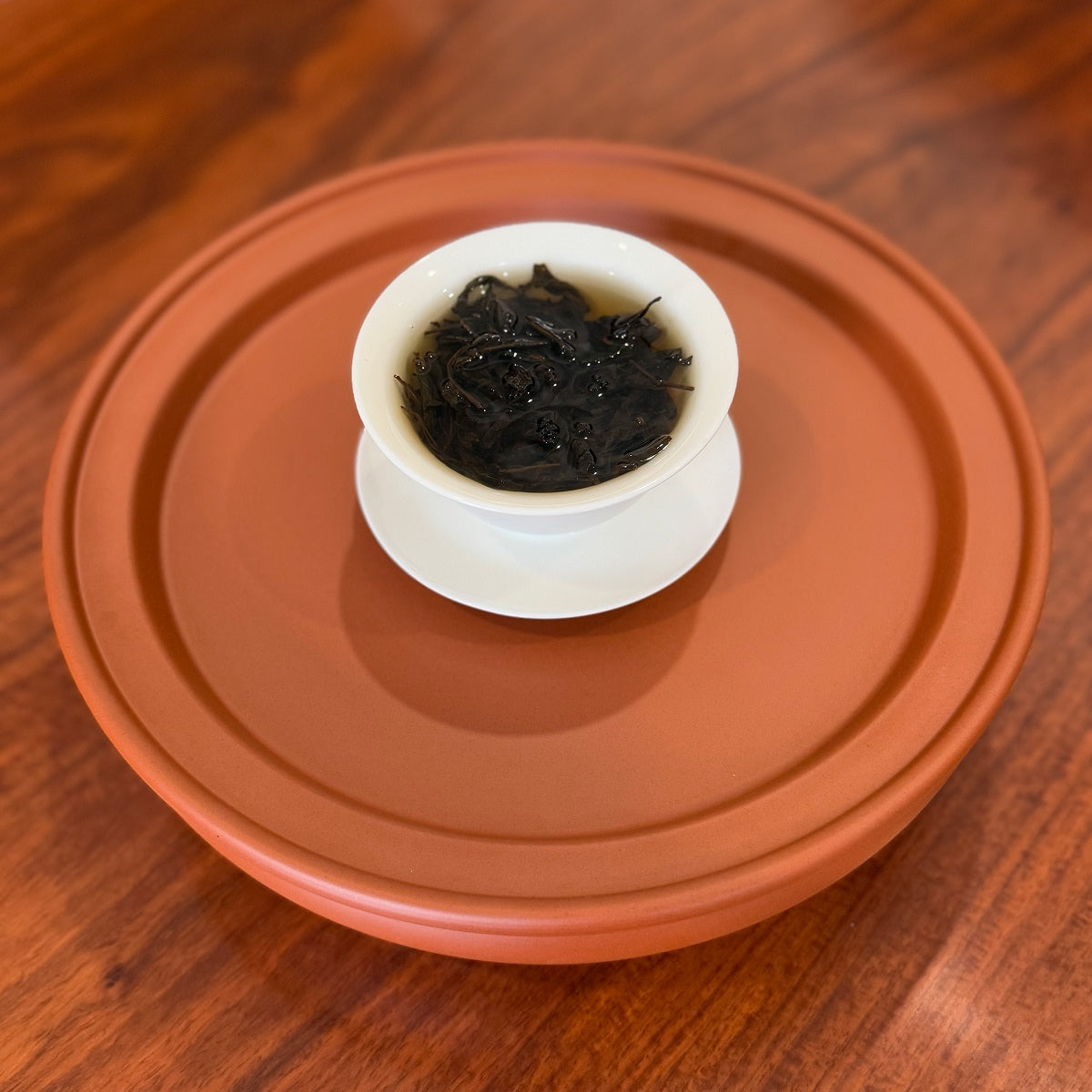
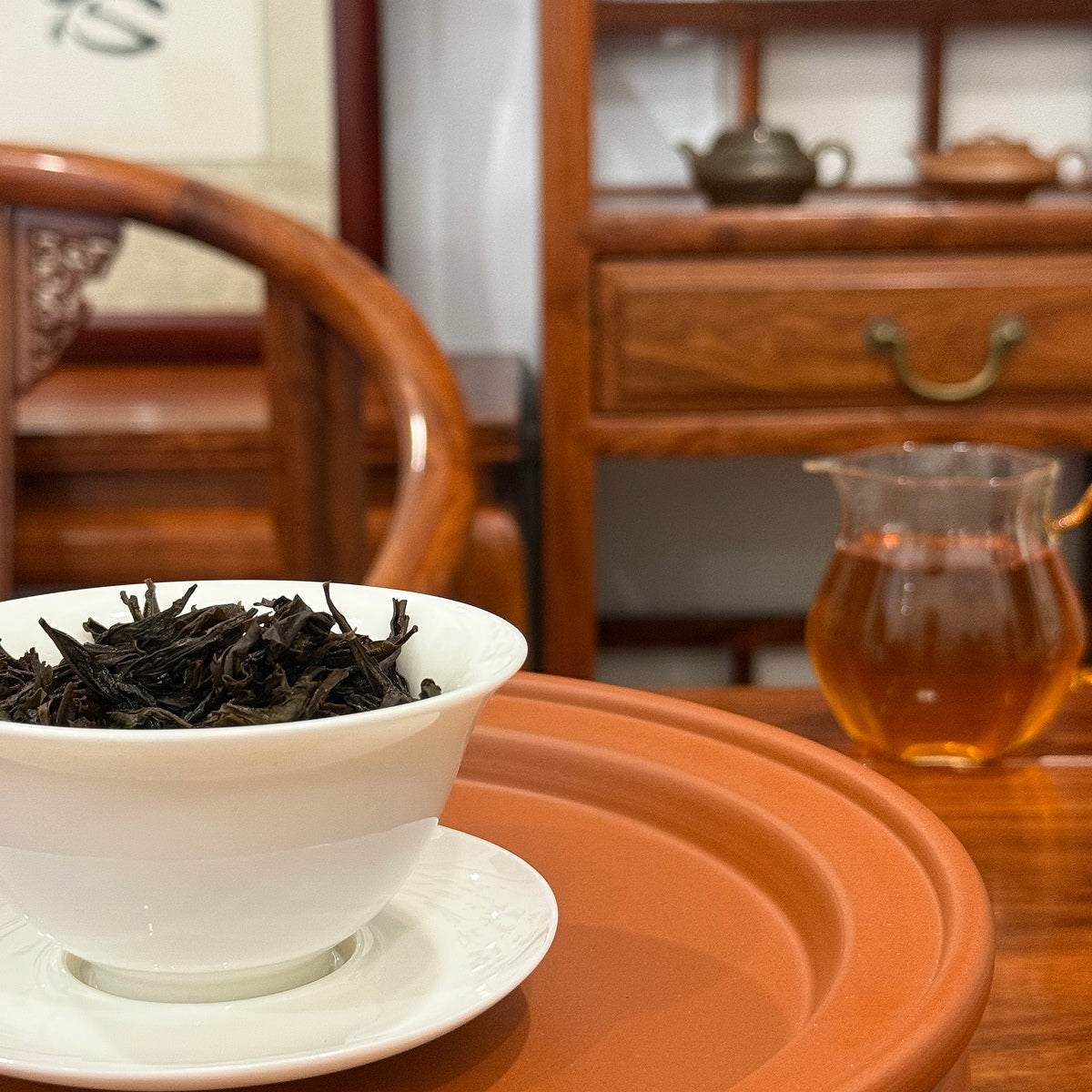






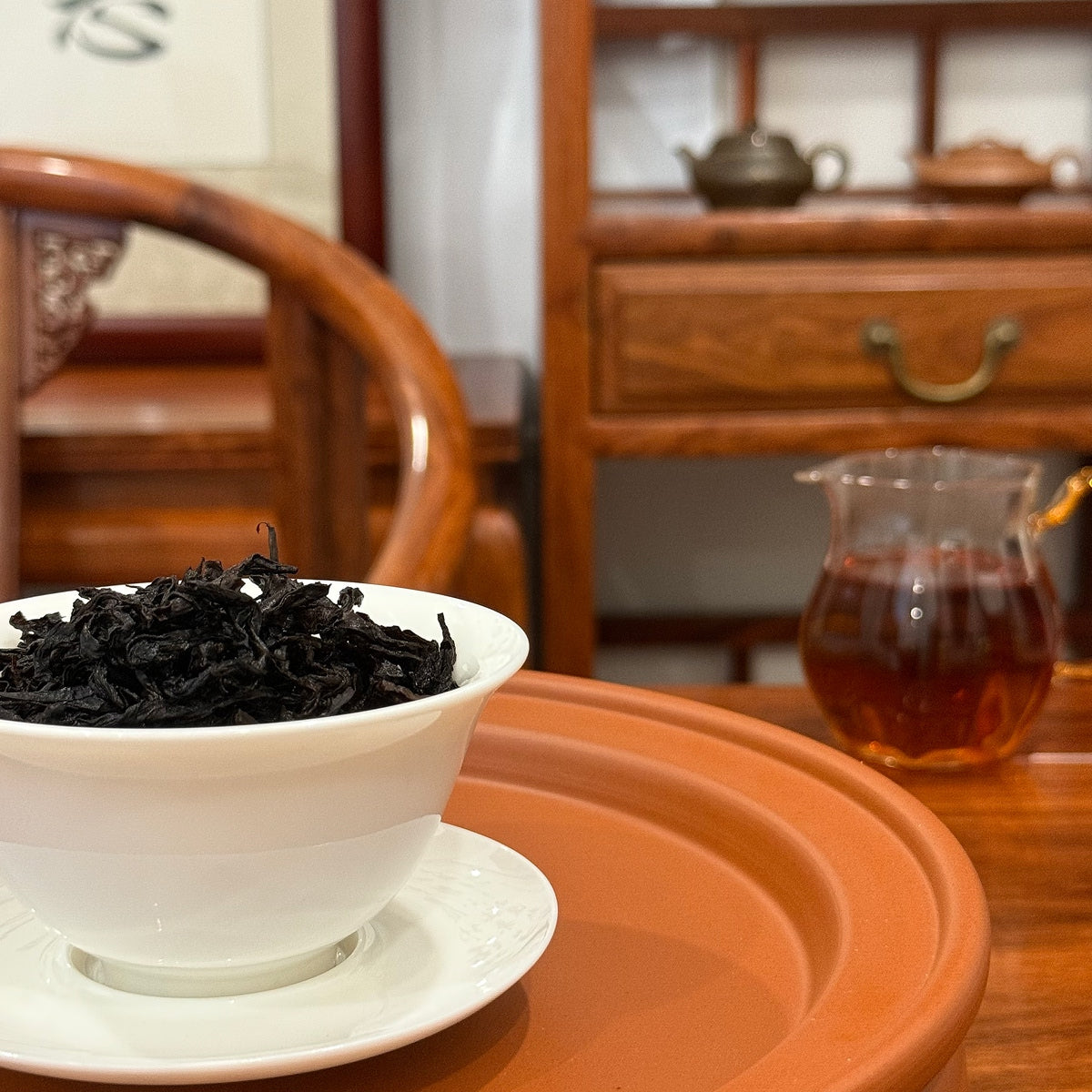
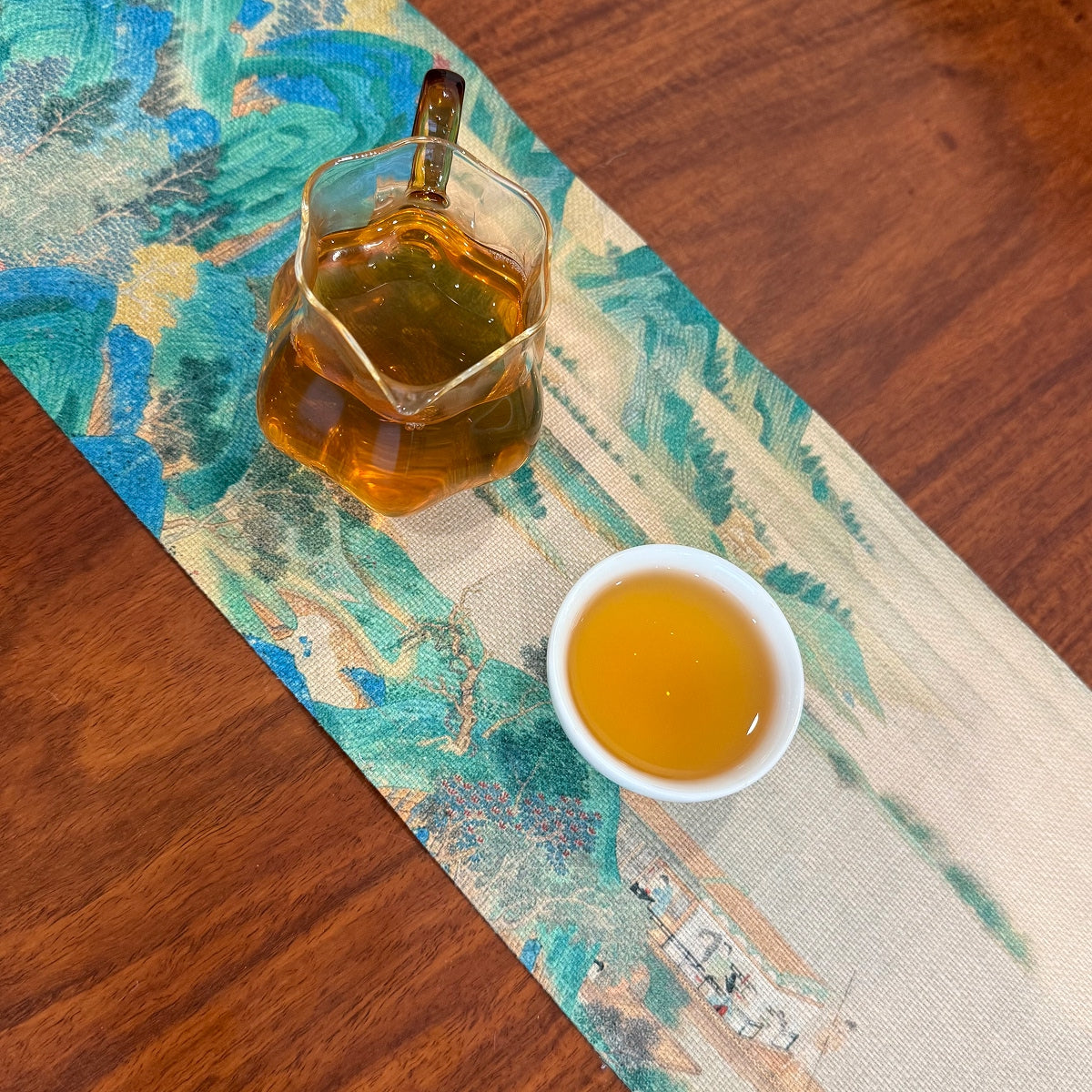


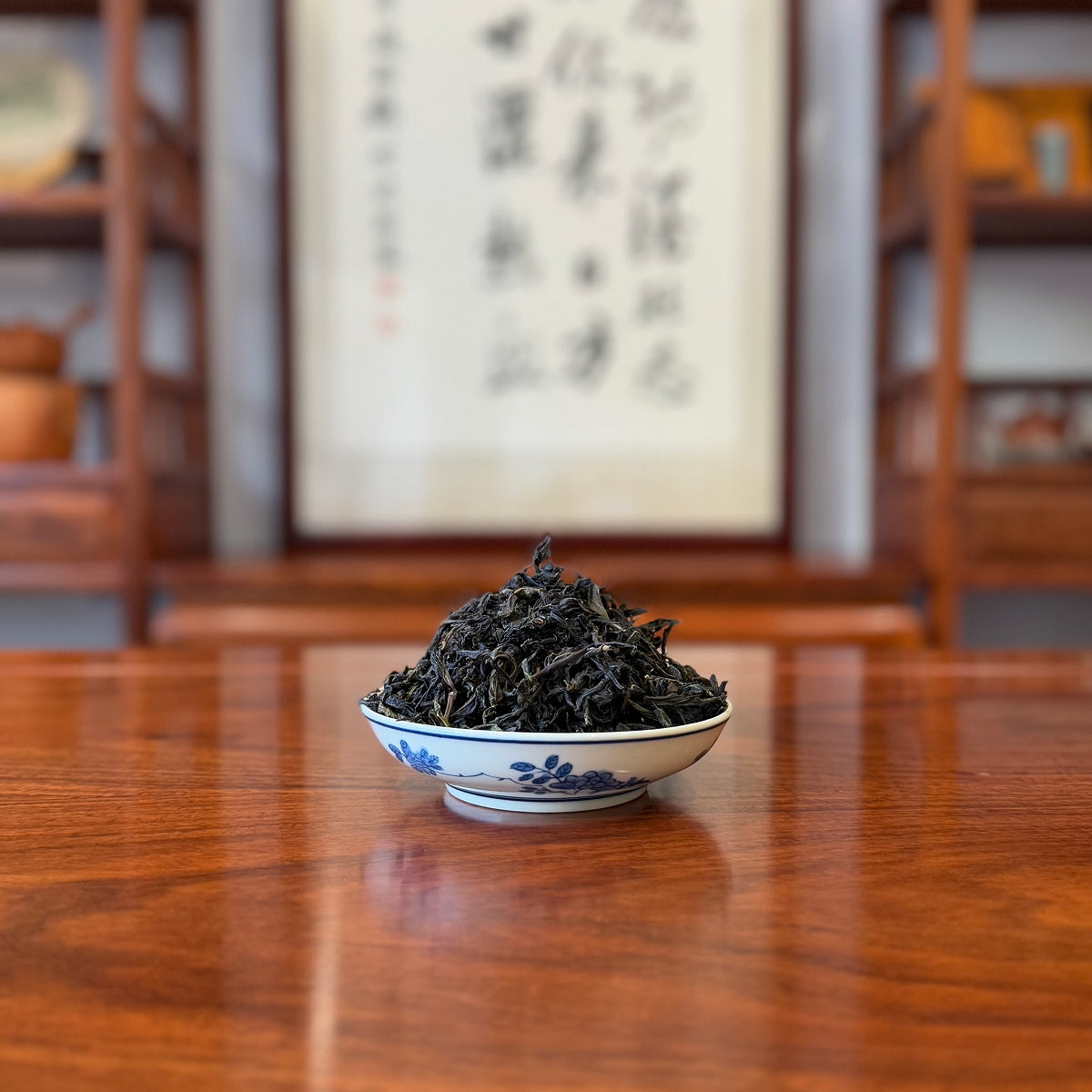
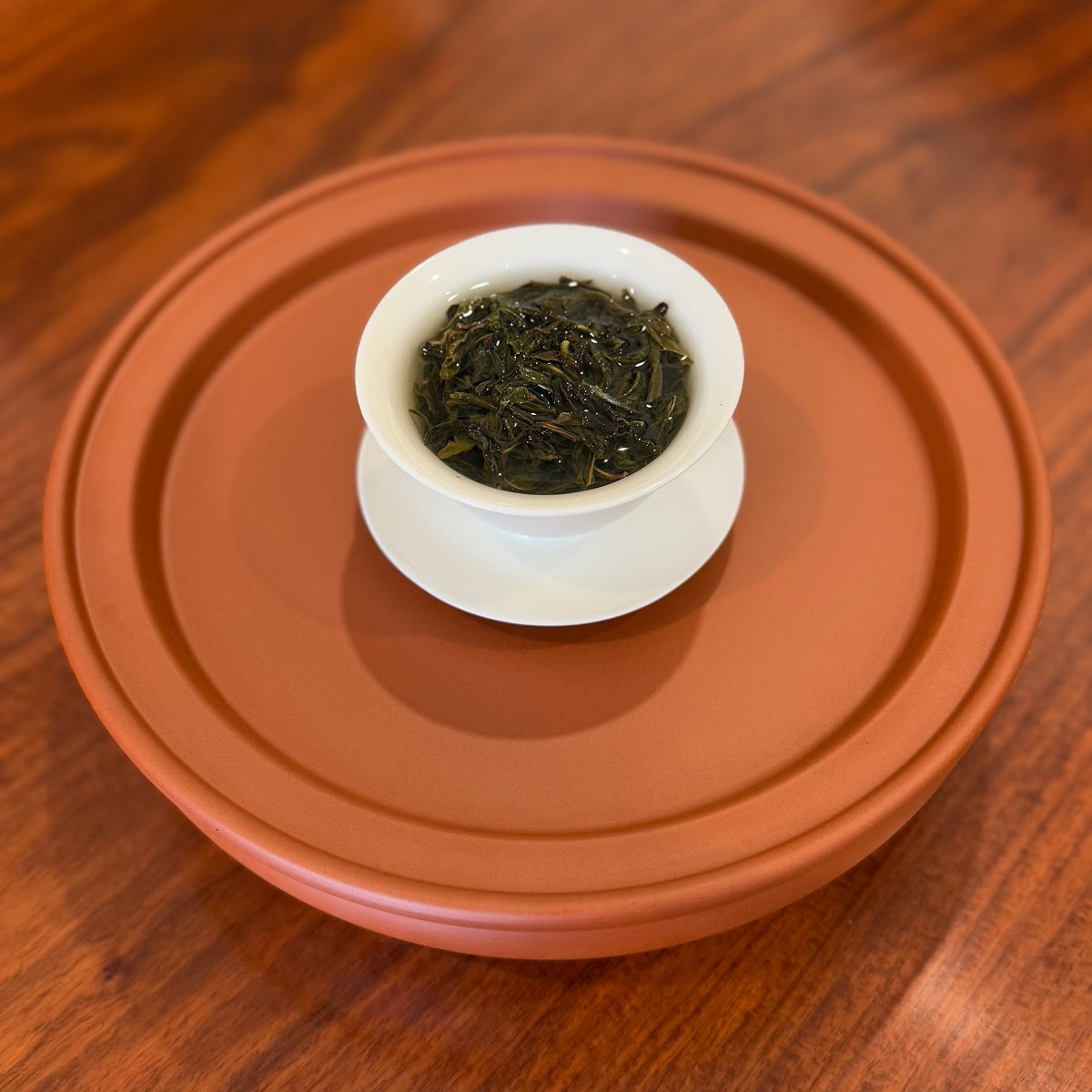
Curated Tea Samplers


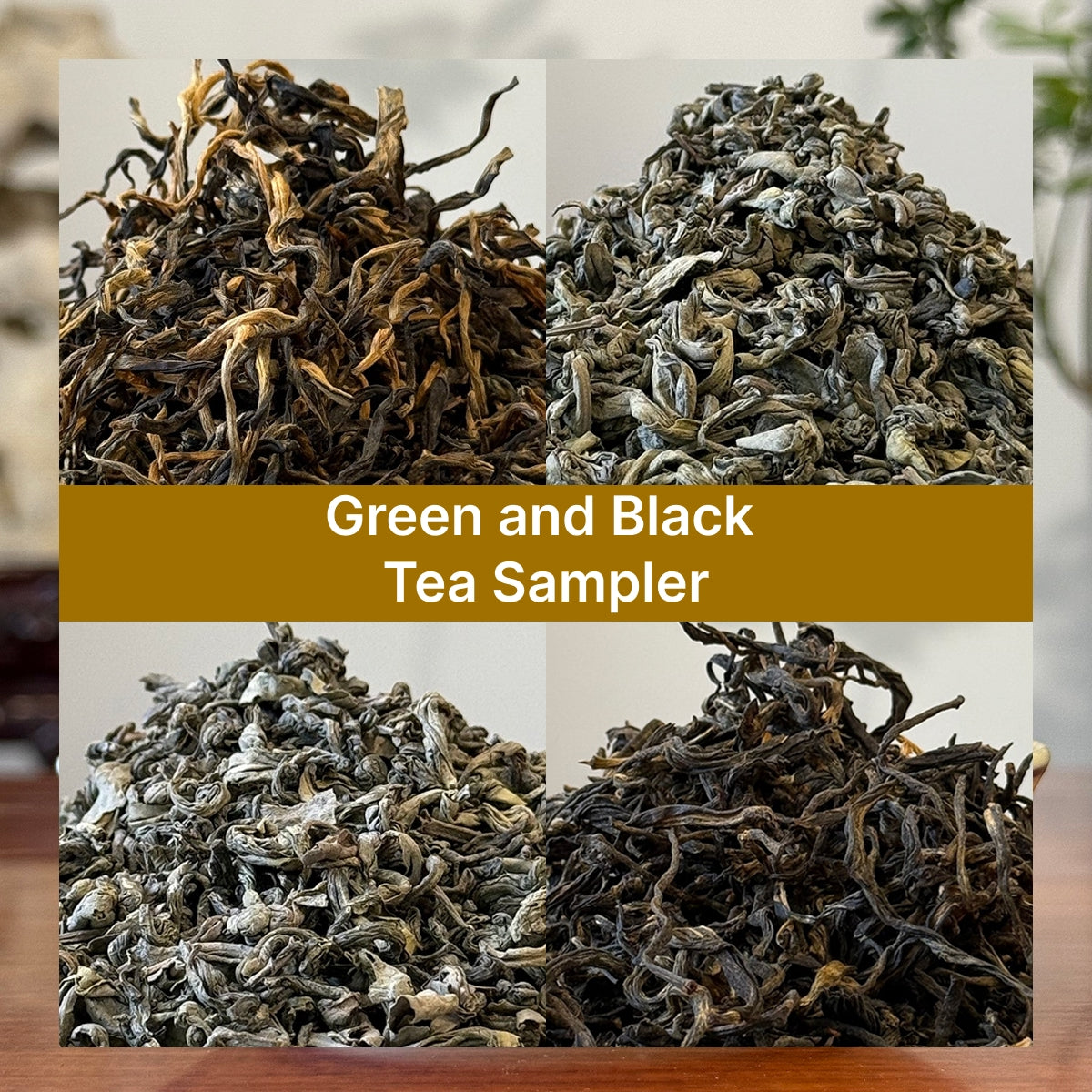
9 Best-Selling Chinese Loose Leaf Tea Sampler – 2026
9 Best-Selling Chinese Loose Leaf Tea Sampler – 2026
Exclusive Value Bundle




Why Choose Chinese Loose Leaf Tea
The Tradition of Chinese Loose Leaf Tea
Chinese Loose-Leaf Tea, in its most natural form, is tea’s most essential “original state.”
Origins of Chinese Loose-Leaf Tea
As the birthplace of tea, China has the longest tea history in the world. According to legend, around 2700 BCE, the mythical emperor Shennong, while sampling hundreds of herbs, was poisoned but discovered “tea” as the antidote. Tea first appeared as loose leaves, first used by humans as a medicinal plant.
Evidence from the Western Han Dynasty
By the Western Han dynasty (202 BCE–8 CE), the contract Tongyue records instructions to “prepare the utensils for boiling tea” and “buy tea in Wuyang.” These are recognized worldwide as the earliest concrete evidence of tea trade and daily tea consumption. The tea traded at that time was in its original loose-leaf form.
The Tang Dynasty and the Classic of Tea
During the Tang dynasty (618–907 CE), tea culture reached its peak. Lu Yu compiled the Classic of Tea (Cha Jing), which systematically summarized tea’s origins, production, processing, and consumption, and marked the birth of independent tea scholarship. Since then, countless documents and anecdotes on tea have emerged, and tea-making techniques and forms have continually evolved.
And yet, this original state—Chinese loose-leaf tea—has never vanished. It has endured, remaining to this day the most common and widely enjoyed form of tea in Chinese households.
Why Chinese Loose-Leaf Tea Is More Than Just Pure Tea
The Relationship Between Chinese Loose-Leaf Tea and Pure Tea
Generally, “Pure Tea” or “Pure Leaf Tea” refers to tea that is natural, additive-free, and made from whole leaves. For Chinese tea, however, this is only the starting point.
Redefining Pure: Origin, Craft, and Terroir
Within China’s tea culture and value system, over 85% of loose-leaf teas represent more than simple purity. This is because Chinese tea follows a strict geographical indication and classification system: a tea earns a name like West Lake Dragon Well, Anxi Tieguanyin, Wuyi Rock Tea, or Phoenix Dancong only when its region, cultivar, and processing method align perfectly. Most classic Chinese teas you know originate from this system.
Authentic loose-leaf teas are rarely blended across regions, and adding other ingredients is not practiced. Purity is not a selling point—it is the default.
The Artistry of the 15%: Forged in Practice
Thus, in Chinese tea culture, “Pure Tea” is just the baseline. The remaining approximately 15% are specialty teas crafted from natural ingredients, such as Chenpi Pu-erh (Pu-erh tea with Xinhui tangerine peel) and Jasmine Tea (tea scented with fresh jasmine flowers). To most tea enthusiasts, these form a separate and equally captivating category, distinct from basic pure loose-leaf tea.
Not Just a Leaf, But a Legacy of Place and Craft
This understanding is grounded in the long-term practice of the Chinese Tea Group’s physical tea shops and teahouses, where our tea artisans continuously refine this insight through serving tea lovers and visiting core tea-growing regions.
Traditional Chinese loose-leaf teas are therefore not only pure leaf teas by definition but also a living testament to their terroir and the artistry behind their craft.
Redefining the Best Loose Leaf Tea
What Is the Best Loose Leaf Tea?
Best Loose Leaf Tea is the answer countless tea enthusiasts have been seeking. This form of tea has evolved over thousands of years in China. Through traditional processes such as sun-withering, pan-firing, and fermentation, loose leaf tea has developed into tens of thousands of varieties.
The Six Families of Loose Leaf Tea
Based on core processing methods—primarily the degree of oxidation and type of fermentation—loose leaf teas are categorized into six families:
• Loose Leaf Green Tea (Unoxidized)
• Loose Leaf White Tea (Lightly Withered)
• Loose Leaf Yellow Tea (Mellowed)
• Loose Leaf Oolong Tea (Partially Oxidized)
• Loose Leaf Black Tea (Fully Oxidized)
• Loose Leaf Dark Tea (Post-Fermented)
This includes special cases like Raw Pu-erh (unaged, classified as green tea) and Ripe Pu-erh (classified as Hei Cha or “Dark Tea”). This post-fermented category is distinct from oxidized black tea, and each is considered a pinnacle Best Loose Leaf Tea within its own tradition.
The Four Pillars of Quality
From a professional perspective, the “best” loose leaf tea is built upon four essential pillars:
1.Origin – Sourced from core tea-growing regions with distinctive terroir.
2.Variety – Made from authentic, local tea plant cultivars.
3.Timing – Harvested in the optimal season.
4.Craftsmanship – Processed according to traditional techniques.
Your Personal “Best”: Taste, Experience, and Time
For tea drinkers, “the best” is ultimately personal. It should match your taste preferences and desired effects—whether for relaxation, energy, or other benefits for the body and mind.
Traditional Chinese medicine suggests that different teas carry distinct properties and physiological effects. As a national-level tea master, I fully support this view. Beyond the four external pillars, a tea’s vitality comes from the natural evolution of its compounds, which continuously refine its flavor and functional qualities, offering a unique and evolving experience.
Begin Your Discovery
The best loose leaf tea is a journey waiting for you to explore. Before deciding which tea suits you best, we recommend sampling small quantities or consulting our online tea masters for guidance. While we cannot define a universal standard, our expertise can help you select the right tea—and even the ideal batch—so you can discover your truly Best Loose Leaf Tea.
Where to Buy Loose Leaf Tea Online
Loose Leaf Tea Online: Direct from China’s Source
If your search for where to buy loose leaf tea has led you here, you’ve found the answer.
Chinese Tea Group is rooted in physical tea houses and supported by a professional on-the-ground team, bringing locally respected Chinese teas to tea drinkers worldwide. Our mission is simple: to offer high-quality, authentic, and naturally crafted loose leaf tea, directly from its origin.
Authentic Loose Leaf Tea from Core Growing Regions
Every tea in our Loose Leaf Tea Online collection is sourced from China’s core, premium tea-growing regions. Our selection spans major traditional categories, including Pu-erh tea, Oolong tea, White tea, Dark tea (Hei Cha), Black tea (Hong Cha), and Green tea.
These teas are grown, harvested, and processed by trusted local farmers and multi-generational family tea gardens. Cultivation is completely pesticide-free, exceeding common organic standards. This approach is not simply a commercial promise—it reflects a long-standing relationship between tea growers and their land, grounded in sustainability and the preservation of traditional craftsmanship as a living cultural heritage.
Professional Guidance and Tea Culture Insights
Beyond offering authentic loose leaf tea, we provide practical Gongfu tea brewing guides and evidence-based information on tea characteristics, including caffeine levels, polyphenol content, and general tea properties.
Staying true to our teahouse origins, each tea is presented with real, unfiltered photographs and videos taken inside our own tea houses, alongside transparent and detailed tea profiles. Years of immersion in Chinese tea culture allow us to offer thoughtful, personalized recommendations based on your preferences.
The Advantage of Buying Direct
Here, you purchase pure loose leaf tea directly from its source in China. As an award-winning heritage brand with physical roots, we remain committed to traditional service standards and uncompromising quality.
Our Loose Leaf Tea Online offering is not simply a place to buy tea—it is an opportunity to access carefully selected teas and specific batches chosen for their character, integrity, and consistency.
To begin your own exploration, we invite you to Explore Our Tea Collections.