Which Wuyi Rock Oolong Tea Suits You Best?
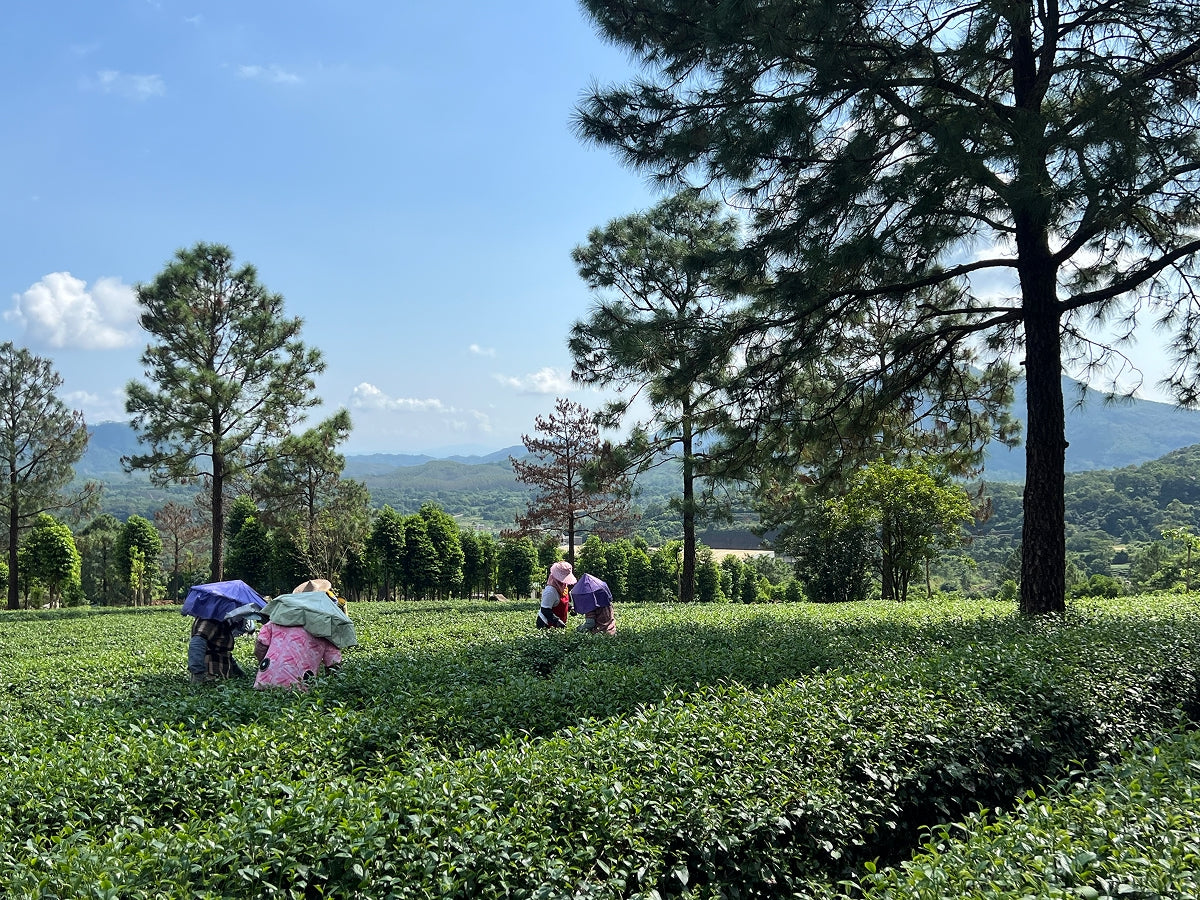
The Wuyi Mountains in southeastern Fujian, China, have long been celebrated as the “Kingdom of Tea Trees.” Historical records show that over a thousand original tea cultivars once thrived here, with more than a hundred still commonly found today. However, not all tea trees are suitable for producing Oolong tea.
In theory, any tea tree can be used to make Oolong through semi-fermentation, but suitability is essential. The tree’s characteristics must align with the semi-fermentation process. These include proper leaf structure to withstand withering, adequate internal compounds for a smooth taste, abundant aroma precursors for floral notes, and sufficient sugars to endure roasting. Only tea trees meeting these criteria can produce high-quality Wuyi Rock Oolong Tea.
Among Wuyi’s indigenous tea trees, those suitable for Rock Oolong are generally divided into three categories: traditional heirloom cultivars passed down for centuries, mainstream cultivars widely grown today, and introduced or hybrid specialty varieties. Next, we will detail each category and their representative teas, helping you choose the Wuyi Rock Oolong that best suits your palate.
Traditional Heirloom Cultivars: The Timeless Classics of Rock Tea
These tea trees were developed over generations by local farmers from native tea plants. They are the earliest tea trees found suitable for Wuyi Rock Oolong Tea, growing in harmony with the Danxia landforms and best reflecting the signature "Yan Yun" (rock rhyme) flavor.
Da Hong Pao (Big Red Robe)
Historical Background: The most famous of Wuyi Rock teas, mother trees located in Tianxin Rock, Jiulongku, are over 360 years old. Legend says a scholar cured by monks at Tianxin Temple draped his imperial red robe over the tea tree after passing exams, giving the tea its name. In the 1980s, pure Da Hong Pao (Qidan) was propagated through asexual reproduction, making it widely available.
Suitability: Buds and leaves have balanced compounds—polyphenols for structure and amino acids for freshness. Brewed tea exhibits the signature qualities of Wuyi Rock Tea: aroma, clarity, sweetness, and liveliness.
Tie Luo Han (Iron Arhat)
Historical Background: The earliest recorded among the “Four Famous Cultivars,” dating back to the Song Dynasty. Named for thick green leaves resembling a monk’s robe, it originated from Huiyuan Rock and later spread to other mountain areas. Qing Dynasty records note it as “a Song tree of Wuyi.”
Suitability: Thick, resilient leaves with ester catechins that transform into rich flavors and medicinal notes after fermentation. Favored by tea lovers who appreciate bold, robust flavors.
Bai Ji Guan (White Cockscomb)
Historical Background: Most visually distinctive, originating near Zhi Zhi Temple. Its pale green-yellow leaves resemble a rooster’s comb. Described in the Ming Dynasty as a Daoist health tea, valued for elegance.
Suitability: Thin, soft leaves with high amino acids and lower polyphenols, suitable for light roasting. Brewed tea is pale yellow, smooth, sweet, with a unique corn silk aroma.
Shui Jin Gui (Golden Water Turtle)
Historical Background: Originates from Niulan Keng, Dugezhai Peak. Leaves have shallow patterns like a turtle shell. Gained fame in the early Republic era due to a lawsuit over its ownership.
Suitability: Glossy leaves with moderate wax and unique aroma precursors. Semi-fermentation brings out a long-lasting wax plum fragrance, sweetness, and finesse.
Ban Tian Yao (Half-Day Demon)
Historical Background: Grows on the mid-slopes of Sanhua Peak, difficult to access. Qing Dynasty records describe its fragrance as “seductive and ever-changing.”
Suitability: Soft leaves with complex terpenes. Semi-fermented, the tea displays layered floral and fruity aromas, prized for its complex, ever-changing aroma.
Mainstream Cultivars: The Pillars of Modern Rock Tea
Currently the most widely planted and recognized cultivars, tested for suitability in modern tea production, representing the peak of aroma and body.
Rou Gui (Cinnamon)
Historical Background: Originated in Huiyuan Rock and rose to prominence after the 1980s. Known for its strong, spicy aroma like cinnamon. Recognized as a provincial elite cultivar in 1985, it has been widely planted since.
Suitability: Terpenes such as nerolidol activate during semi-fermentation, producing bold cinnamon fragrance. Medium-sized leaves allow smooth processing, yielding both high aroma and a rich base. Emphasizes “power” and mountain character.
Shui Xian (Shui Hsien / Narcissus)
Historical Background: Originated in Jianyang, introduced during the Daoguang era. Tall, thick-leaved trees; specimens over 50 years old (“Old Bush Shui Xian”) are considered the benchmark for rich, full-bodied texture.
Suitability: Large leaves with high polyphenols and soft tannins produce smooth, mellow soup. Moss on trunks contributes a unique “Bush flavor” (green moss and woody notes), highlighting richness and smoothness.
Introduced and Hybrid Specialty Cultivars
These cultivars originated from southern Fujian or were hybridized by research institutions. After years of adaptation in Wuyi, they show excellent suitability and add flavor diversity.
Qi Lan – Strong orchid fragrance, “fragrant but not flamboyant,” blends well with Yan Yun, ideal for light, elegant rock teas.
Huang Guanyin (Yellow Guanyin) – Tieguanyin × Huangdan hybrid, intense gardenia/milky notes, suitable for lightly roasted teas.
Jin Guanyin (Golden Guanyin) – Similar to Huang Guanyin, slightly thicker leaves, works well for medium to full roast styles.
Fo Shou (Buddha’s Hand) – Very large leaves, rich in pectin; brewed tea has “snow pear” or citrus aroma, sweet and dense, highly distinctive.
From centuries-old heirlooms like Da Hong Pao, to mainstream Rou Gui and Shui Xian, to introduced specialty cultivars, these tea trees have thrived in Wuyi and become the preferred sources for Rock Oolong Tea—earning worldwide acclaim sip by sip.
Whatever your palate, there’s a Wuyi Rock Oolong Tea waiting to become your next favorite.