Pu-erh Tea (Pu’er Tea)

Authentic Yunnan Pu-erh (Pu’er) tea, a legendary Chinese tea, comes in both raw (Sheng) and ripe (Shou/Shu) varieties, all sharing a singular promise: their character deepens and flavor becomes more mellow and rounded over time.
We bring you the complete story behind every tea—from its origin and craftsmanship to its aging journey—while offering the same genuine quality and fair pricing found in our physical tea houses across China.

Skip to results list
Tea Category
Tea Style
Tea Form
Tea Age
Region
28 items

Filter

Tea Category
Tea Style
Tea Form
Tea Age
Region

Curated Tea Samplers

View all
The Legendary Origins of Pu’er Tea

Pu-erh Tea (Pu’er): History and Origin

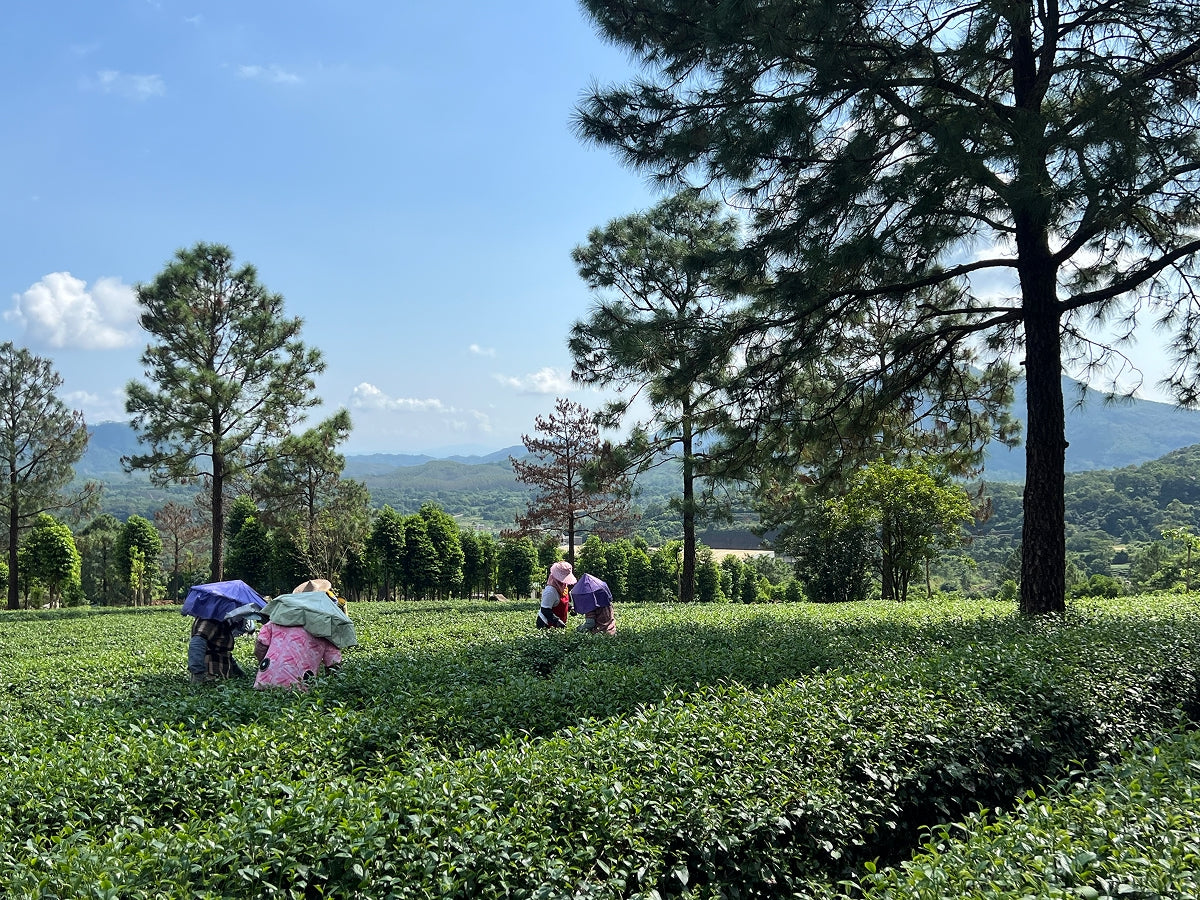
Pu-erh tea (also spelled Pu’er) originates from China's Yunnan Province, crafted from large-leaf tea trees.
Like most Chinese teas, it is named after its place of origin. Interestingly, its fame eventually defined the place itself. The tea transformed Pu’er from a remote border area into a city named after and synonymous with tea. This perfectly illustrates the adage, “the tea elevates the land, and the land glorifies the tea.”

The Meaning Behind the Name “Pu’er”

With a documented history spanning over 1,100 years, the name “Pu’er” comes from local ethnic languages and carries two primary interpretations:

‘A Village by the Water’

This interpretation reflects the traditional lifestyle of communities settling near mountains and rivers.

‘Brotherhood Among Ethnic Groups’

This interpretation highlights the area’s long-standing heritage of harmonious multiethnic coexistence.
The precise etymology and the relative significance of these meanings remain engaging topics of discussion among scholars and local communities.

The Geographical Core

Despite these interpretive variations, the historical and geographical core that the name refers to is unequivocal: today’s Pu’er City (formerly Simao) in Yunnan Province, specifically Ning’er County.

Spelling Variations: Pu-erh vs. Pu’er

“Pu’er” is both a place name and a tea name, with the pinyin “puer cha.” In English, it is commonly rendered as Pu’er Tea, though the traditional spelling Pu-erh (or puerh) Tea is equally prevalent. To respect tea enthusiasts’ diverse spelling preferences, Chinese Tea Group presents this collection under multiple recognized names. Regardless of transliteration, all refer to the same precious tea: a sun-dried tea from Yunnan’s large-leaf variety, also known as Chinese puer tea.

Discover More: A Linguistic Journey

Pu-erh tea boasts a rich history of names and spellings across different cultures. For a deeper dive into this fascinating evolution, please visit our dedicated blog: The Many Names of Pu’er.

Exploring the Cultural Origins of Pu-erh Tea

The Early History and Cultural Roots of Yunnan Pu-erh Tea

Around 862 CE, during the Tang Dynasty, Fan Chuo recorded Yunnan Pu-erh Tea in his Man Shu (Book of the Barbarians), documenting an ancient practice: consuming tea as a food.
Fresh leaves from large-leaf tea trees were picked, given a light roll, sun-dried, and tossed with chili, ginger, salt, and other seasonings to create a cold salad, served as a dish or side. This traditional preparation is still preserved today among the Bulang and Jino ethnic groups in Yunnan.
Another common method was “roasting and boiling”: tea leaves were roasted in clay pots or bamboo tubes until fragrant, then boiled in water, sometimes with a pinch of salt. This simple, direct method aimed to harness the tea’s stimulating and fatigue-relieving properties, meeting the needs of people working in the mountains and fields.

The Tibetan Tea Trade and the Birth of Compressed Tea

From the Song and Yuan periods (roughly the 10th–14th centuries), Yunnan Pu-erh Tea began to be sold to the Tibetan region. To withstand long-distance transport, loose tea was steamed and pressed into dense cakes and bricks. This represented the early form of compressed Pu-erh Tea and laid the foundation for the classic shapes of Chinese tea cakes, bricks, and tuocha.
In the high-altitude, protein-rich diet of Tibet, this precious tea transcended its role as a mere beverage to become a dietary essential – crucial for aiding digestion, cutting through grease, and supplementing vital nutrients. This core demand gave rise to unique preparation methods:

Butter Tea

Compressed tea was crushed, boiled into a strong decoction, poured into a butter tea churn, and mixed with butter and salt, then vigorously whipped until emulsified. This is the most classic and representative way of drinking Tibetan tea.

Milk Tea

Strong tea decoction was boiled directly with cow or yak milk, salt, or milk solids, another ancient and widely used preparation.
This centuries-long exchange did more than shape Tibetan tea culture; it fundamentally redirected the evolution of its production, with Pu-erh Tea at its core.

Official Recognition: From “Pu Cha” to Pu’er Prefecture

By the early Ming Dynasty (14th–16th centuries), the region gradually became officially known as “Pu’er,” and the tea produced there was recorded as “Pu Cha” in administrative documents.
In 1729 CE (the seventh year of the Yongzheng reign, Qing Dynasty), the government, recognizing the strategic economic value of Yunnan Pu-erh Tea, established Pu’er Prefecture, elevating it to a core administrative region overseeing the “Six Great Tea Mountains,” and set up a dedicated Tea Bureau to manage production and trade.
From that point on, Yunnan Pu-erh Tea became not only an imperial tribute tea but also gained fame through official channels, truly ushering in a glorious era where “the land is honored because of tea.”

The Secret Value of Aged Pu-erh

Why Aged Pu-erh Tea Cakes Are So Valuable

Why are aged Pu-erh tea cakes so highly prized—beyond the commonly cited fact that their numbers decline with time?
The answer lies in a process far more complex than simple aging.
The true value of aged Pu-erh tea is formed through a years-long biochemical transformation known as post-fermentation, driven by specific microbial communities. This process is not simple oxidation, as seen in black tea (red tea). Instead, microorganisms continuously break down large molecular compounds in the tea—such as proteins, cellulose, and catechins—while synthesizing new, more stable small-molecule compounds and aromatic substances.
This irreversible biochemical restructuring—unfolding over decades and repeatedly reshaping the tea—is what gives aged Pu-erh its distinctive and irreplaceable character: deep aged aromas (chenxiang), a mellow and rounded mouthfeel, and subtle medicinal notes.
For this reason, every truly well-preserved aged Pu-erh tea represents a singular outcome of time and environment. Within a specific storage context, each tea cake becomes an unrepeatable biological record—where time is the sole director, microorganisms are the protagonists, and the final tea liquor is the artistic expression of this slow biochemical evolution. This is the true origin of the phrase “the older, the better” in Pu-erh tea.

Aging Potential Across Different Forms of Pu-erh Tea

From a professional tasting and collecting perspective, under stable and appropriate storage conditions, all forms of aged Pu-erh tea—whether cakes, bricks, tuocha, or loose leaf—can reach a mature drinking stage and possess varying degrees of collectible value.
Why, then, when discussing long-term value on this collection page, do we place particular emphasis on Pu-erh tea cakes, rather than bricks, tuocha, dragon balls, or loose tea?

The Pu-erh Tea Cake as an Industry Standard

The answer lies not in subjective preference, but in history, practicality, and market structure.
Pu-erh tea cakes—especially the traditional 357g Yunnan Seven Sons Tea Cake (Qizi Bing)—have long been regarded as the industry’s “hard currency.” This status was forged through centuries of use, trade, and consensus, rather than modern marketing.
The name “Yunnan Seven Sons Tea Cake” is not symbolic. Its classic weight originates from the traditional standard of seven cakes per bundle, totaling approximately 2.5 kilograms. Along the ancient Tea Horse Road, this specification met two essential needs: logistical efficiency for caravan transport, and standardized measurement for trade and taxation. Through repeated commercial practice over hundreds of years, this format became deeply entrenched as the most authoritative and widely recognized form of Pu-erh tea.

Structural Advantages for Long-Term Aging

From a physical and structural perspective, Pu-erh tea cakes offer clear advantages for long-term aging when compared with other forms.
Their moderate compression allows for gradual and even internal transformation, while their thickness supports balanced airflow and microbial activity over time. The stable, stackable shape is naturally suited to long-term storage, circulation, and exchange—qualities essential for teas intended to age over decades.

From Beverage to Time-Based Asset

These inherent qualities—historical legitimacy, structural advantages, and long-standing market consensus—are what transform aged Pu-erh tea cakes from a consumable product into a verifiable time-based asset.
When further layered with factors such as specific mountain origins, ancient tree material, and spring harvests, Pu-erh tea transcends sensory appreciation alone. It enters a category defined by long-term collectibility and clearly articulated appreciation potential, with its value jointly underwritten by time, quality, and market recognition.
This reality is corroborated by the auction record: to date, every Pu-erh tea that has achieved multi-million-dollar prices at international auctions has been presented in cake form.

The Definitive Vessel of Pu-erh Tea Value

Our emphasis on aged Pu-erh tea cakes does not diminish the quality or cultural importance of other forms. Rather, it acknowledges a historical outcome shaped by centuries of practice and market selection.
The Pu-erh tea cake stands as the definitive physical vessel through which Pu-erh tea transcended its origins as a beverage to become both a cultural icon and a store of value. It is the form in which Yunnan Pu-erh Tea completed its transformation—from daily drink to collectible heritage.

Shou/Shu Pu-erh: A Historical Turning Point

The 1973 Milestone – Birth of Ripe Pu-erh Tea (Shou/Shu Pu-erh)

The year 1973 stands as a great divide in the history of Pu-erh tea. Prior to this period, all Pu-erh consisted of sun-dried green tea leaves (mao cha) and their compressed forms—the only Pu-erh available worldwide was what we now define as raw Pu-erh (Sheng Pu-erh), and aging relied entirely on natural time.

From Observation to Innovation – Wo Dui (Pile Fermentation)

To replicate the desired depth and smoothness of aged tea within a shorter timeframe, technicians developed the accelerated post-fermentation technique known as wo dui (pile fermentation). This innovation allowed the tea to acquire the mellow, mature flavor of aged Pu-erh at the moment it was processed into finished products. From this point onward, Shou/Shu Pu-erh was born.

Classification – Raw vs. Ripe Pu-erh

It is important to note that within China’s traditional six tea categories, only ripe Pu-erh—due to its pile-fermentation process—can be formally classified as dark tea. In contrast, raw Pu-erh (Sheng Pu-erh), after fixation (sha qing) and sun-drying, shares its fundamental technical definition with green tea.
Thus, in modern tea classification and consumer markets, Sheng and Shu Pu-erh are nonetheless grouped together under the singular category of “Pu-erh tea.” This acknowledges both their shared origin, raw material, and the core value of “improving with age,” while clearly recognizing their fundamental differences in processing and aging mechanisms.

Authentic Pu-erh Tea: Direct from Yunnan

Where to Buy Authentic Pu-erh Tea at the Best Price

“Where to buy Pu-erh Tea?” — For newcomers and connoisseurs alike, this is the essential question that begins the quest for the finest leaves at a fair price.
Yunnan Province cultivates Pu-erh across a vast expanse of 7.8 million mu (approx. 520,000 hectares). Even within a single mountain, factors like altitude, sun exposure, and microclimate create dramatic variations in flavor. Leaves from the same ancient trees can yield a profile that is sweet or bitter, floral or robust, depending on their precise growing conditions. Therefore, the “best” Pu-erh is ultimately the one that best suits your personal palate.
This makes choosing a reputable and transparent supplier—one that clearly discloses origin and flavor characteristics—your most critical step.
The Importance of Professional Aging & Storage

While Pu-erh is celebrated for improving with age, not all storage leads to improvement. Proper aging is a specialized discipline.
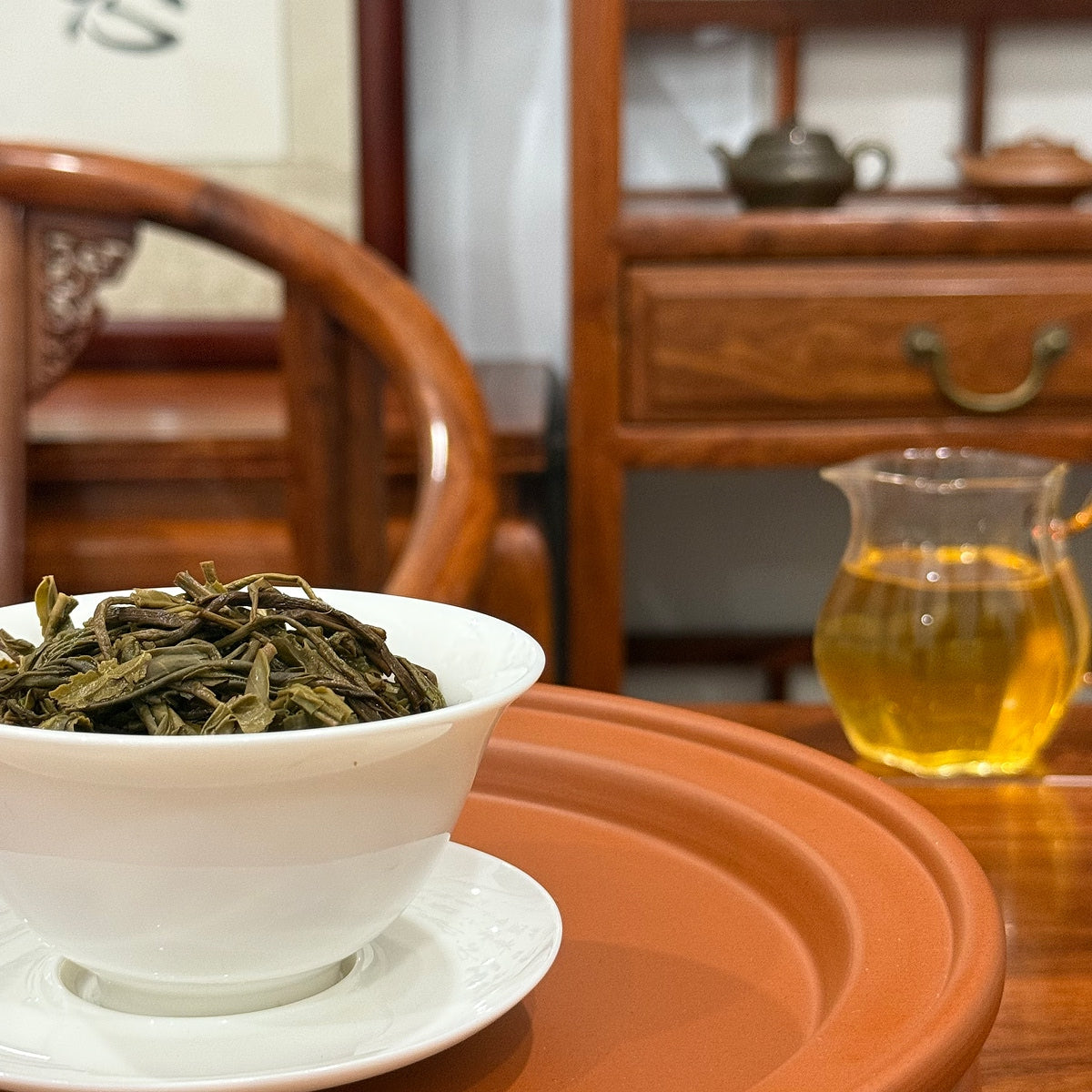
At Chinese Tea Group, we leverage decades of expertise in tea warehousing. Each year, we source premium fresh teas, which are then meticulously curated and aged in our controlled environment. We release these teas in limited quantities only when their flavor profile has matured, ensuring a consistent supply of genuinely aged Pu-erh.
We also directly source treasured teas from long-trusted tea gardens, where they have been carefully preserved. The provenance of these selections is clearly noted, and every lot is approved by our professional tasting panel before offering.

Our Commitment: Authenticity & Consistent Value

All Pu-erh teas in our online store are priced identically to those in our physical shops and tea houses across China. Our mission is to bridge the distance between Yunnan’s tea mountains and global enthusiasts, delivering authentic origin Pu-erh at transparent prices.
Explore the Pu-erh Tea Collection