

No Secrets
The Terroir Speaks Through Every Leaf


Anji Bai Cha Green Tea (Anji White Tea) – Spring Harvest

Anji Bai Cha (Anji White Tea) Loose-Leaf Green Tea may surprise first-time tea drinkers: why is it called “White Tea” when it is actually a green tea?
It comes from the “Bai Ye Yi Hao” (White Leaf No. 1) albino tea cultivar in Anji County, Zhejiang Province, and is processed using green tea methods. This distinguishes it from the white teas you may know, such as Fuding White Tea or Yunnan White Tea.
Anji Bai Cha is named after the tea cultivar, while Fuding and Yunnan white teas are classified by processing method.
Following the conventional Chinese tea naming system of “cultivar + processing method”, its accurate name is Anji Bai Cha (Anji White Tea) Green Tea.
When describing tea flavor, our tea masters often use the term “hui gan” (returning sweetness).
Anji White Tea Green Tea is known for its:
As a result, the brewed tea is fresh, sweet, and mellow, with a delicate milky note.
It has very low bitterness, is gentle on the stomach, highly palatable, and is often considered the “freshest” Chinese green tea.
However, this composition also brings one limitation: low suitability for multiple infusions.
In Chinese Tea Group’s physical tea houses, tea drinkers’ preferences vary:
This Anji Bai Cha Green Tea (Anji White Tea) – Spring Harvest is:
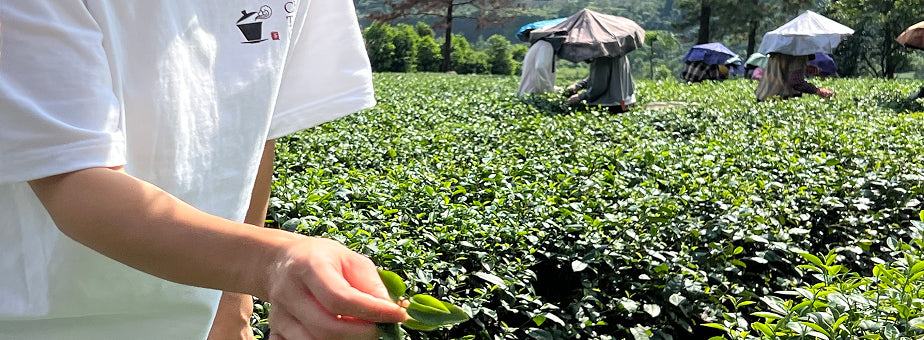
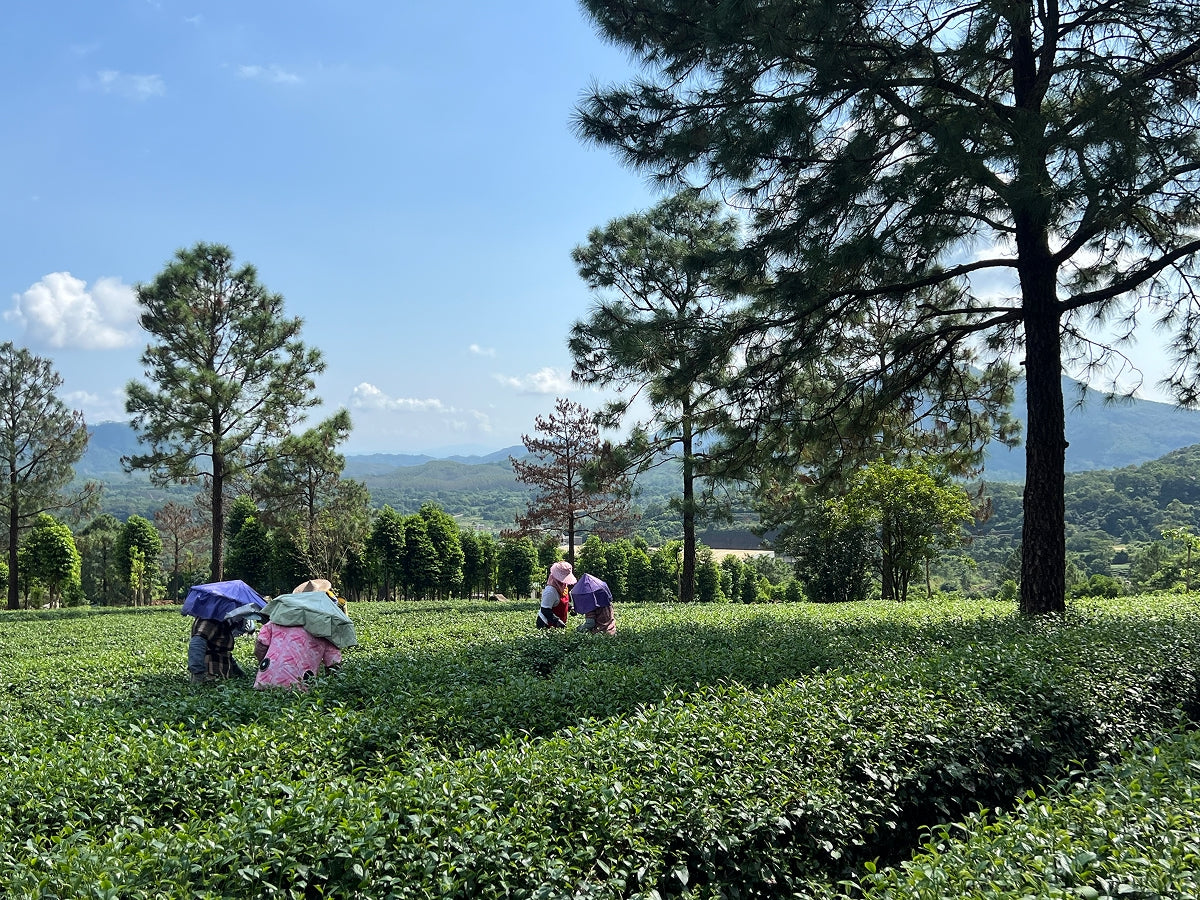
Some gardens produce two harvests per year (spring and autumn). While this increases yield, it compromises quality. By focusing on one careful spring harvest, pruning tea trees, and maintaining the plantation, the garden ensures superior tea for the following year.
Considering all these factors, we present this tea from a professional perspective, rather than offering unreserved praise. Our aim is to help you quickly and accurately select the tea you will enjoy most.
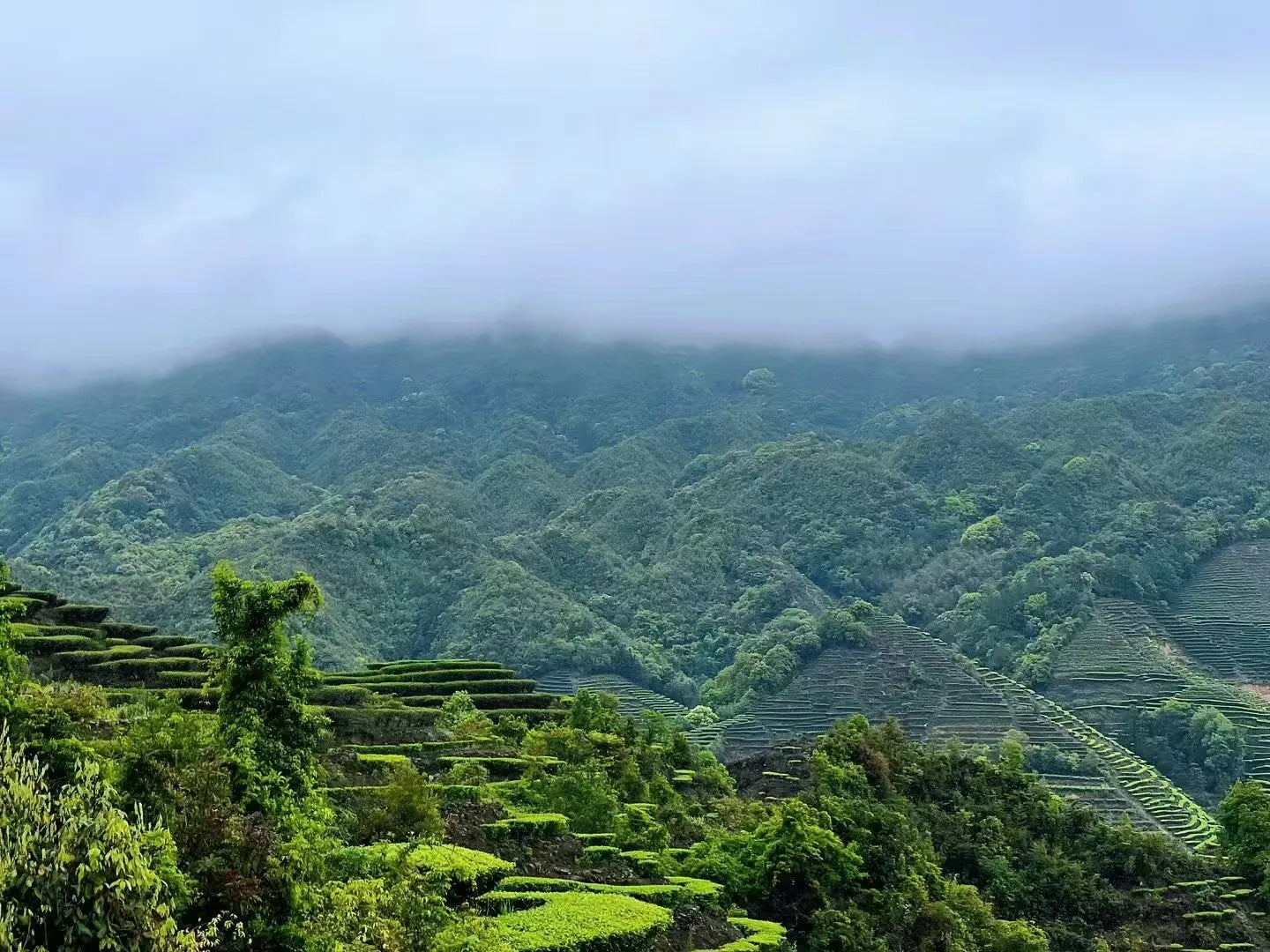
The Terroir Speaks Through Every Leaf
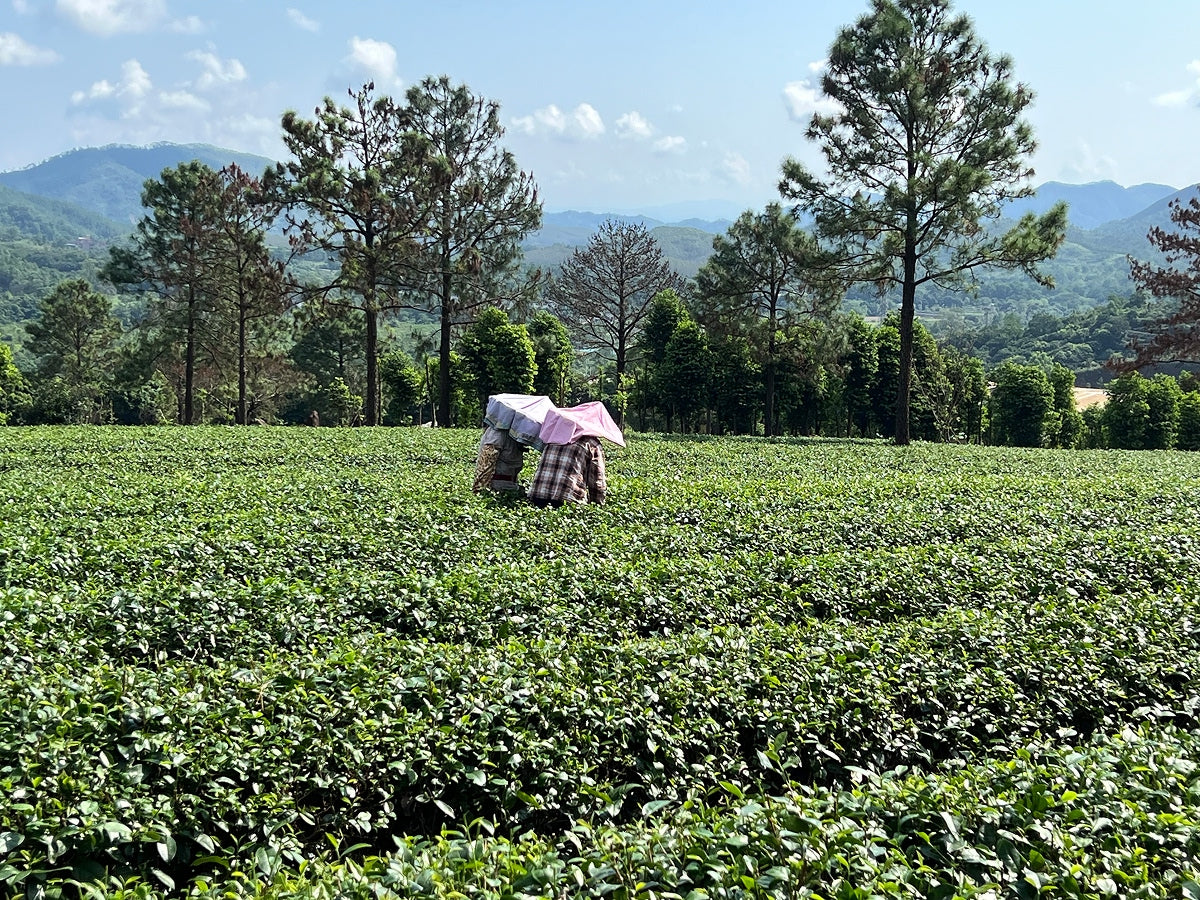
Origin isn’t just a label — it’s the soul of the tea.
It is the land and the tea trees tended by generations of tea farmers, a living heritage passed down through time in harmony with nature.
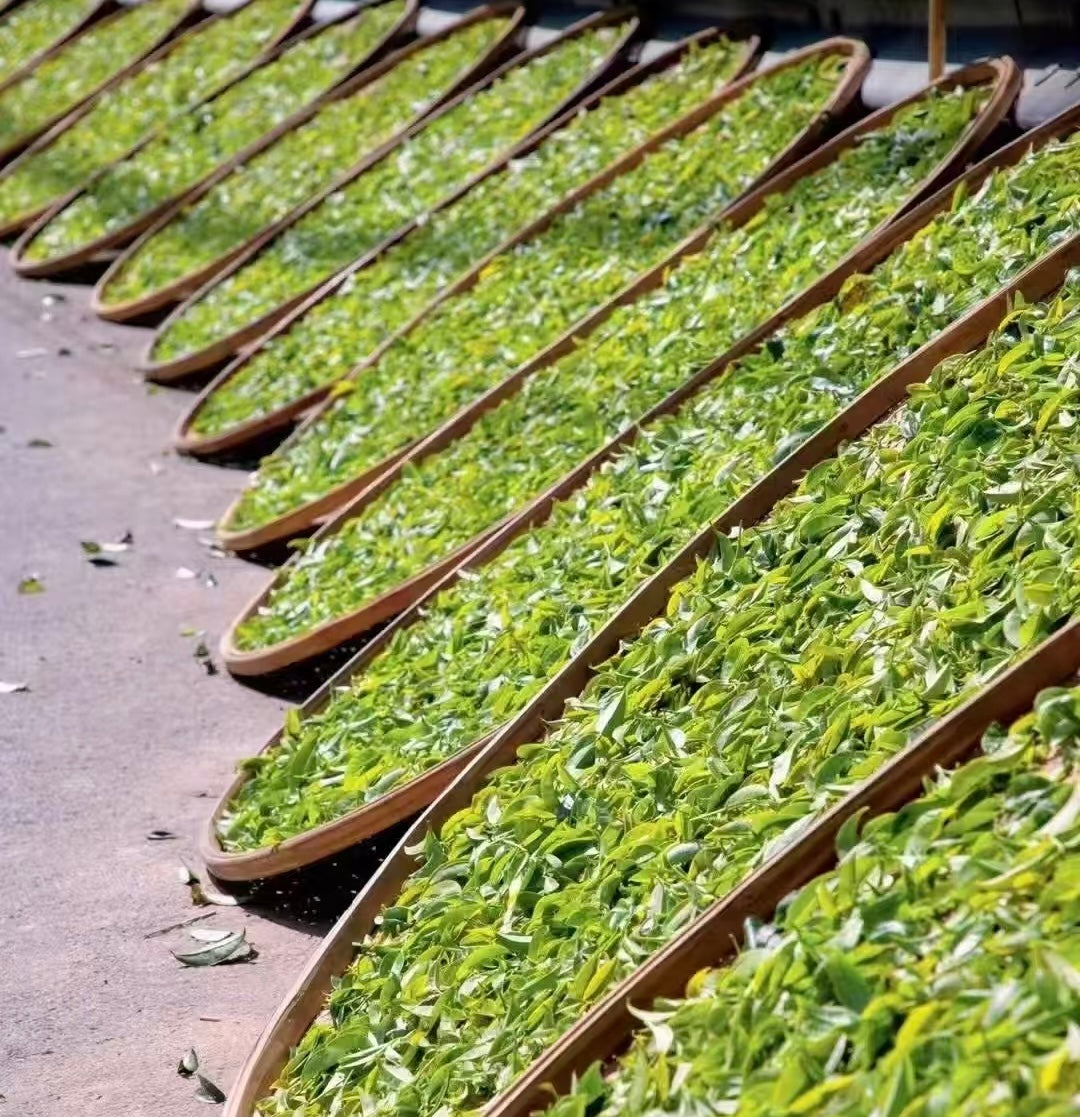
Traditional craftsmanship cannot scale to mass production.
We honor this authentic essence, preserving every genuine step.
We could produce more tea, but we choose to craft better.