What Gives Aged Pu-erh Tea Its Value?
One of the defining characteristics of Pu-erh tea is its ability to continue developing through aging. Over years of appropriate storage, its aroma, taste, and mouthfeel can gradually change, often developing deeper aged aromas (chenxiang) and a more mellow, rounded character.
But age alone does not make a Pu-erh tea better.
The quality of an aged Pu-erh depends both on the tea itself and on the conditions under which it has developed. Origin, raw materials, craftsmanship, storage, and time all influence what eventually appears in the cup. A well-aged Pu-erh is therefore not simply an old tea, but a tea that has developed well over time.
Why Storage Matters in Aged Pu-erh
Pu-erh does not age independently of its environment. Temperature, humidity, airflow, cleanliness, and surrounding odors can all influence how a tea develops during storage.
Under suitable conditions, aging can gradually soften harsher characteristics, integrate aromas and flavors, and bring greater depth and smoothness to the tea. Poor storage, however, cannot be corrected simply by waiting longer.
This is why two Pu-erh teas from the same year can taste remarkably different after years of aging. When considering an aged Pu-erh, how and where it was stored can be just as important as the year itself.
Aging Across Different Forms of Pu-erh Tea
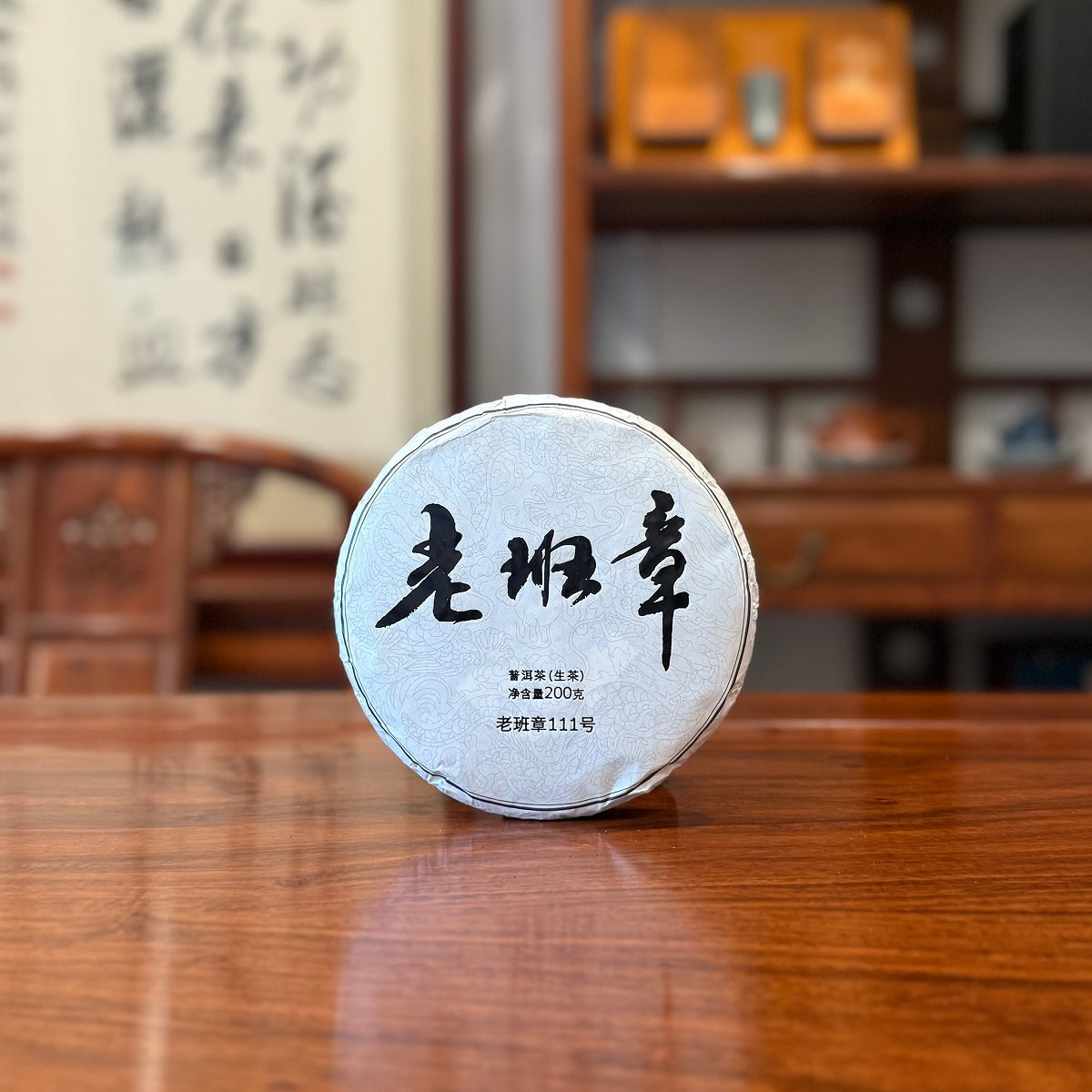
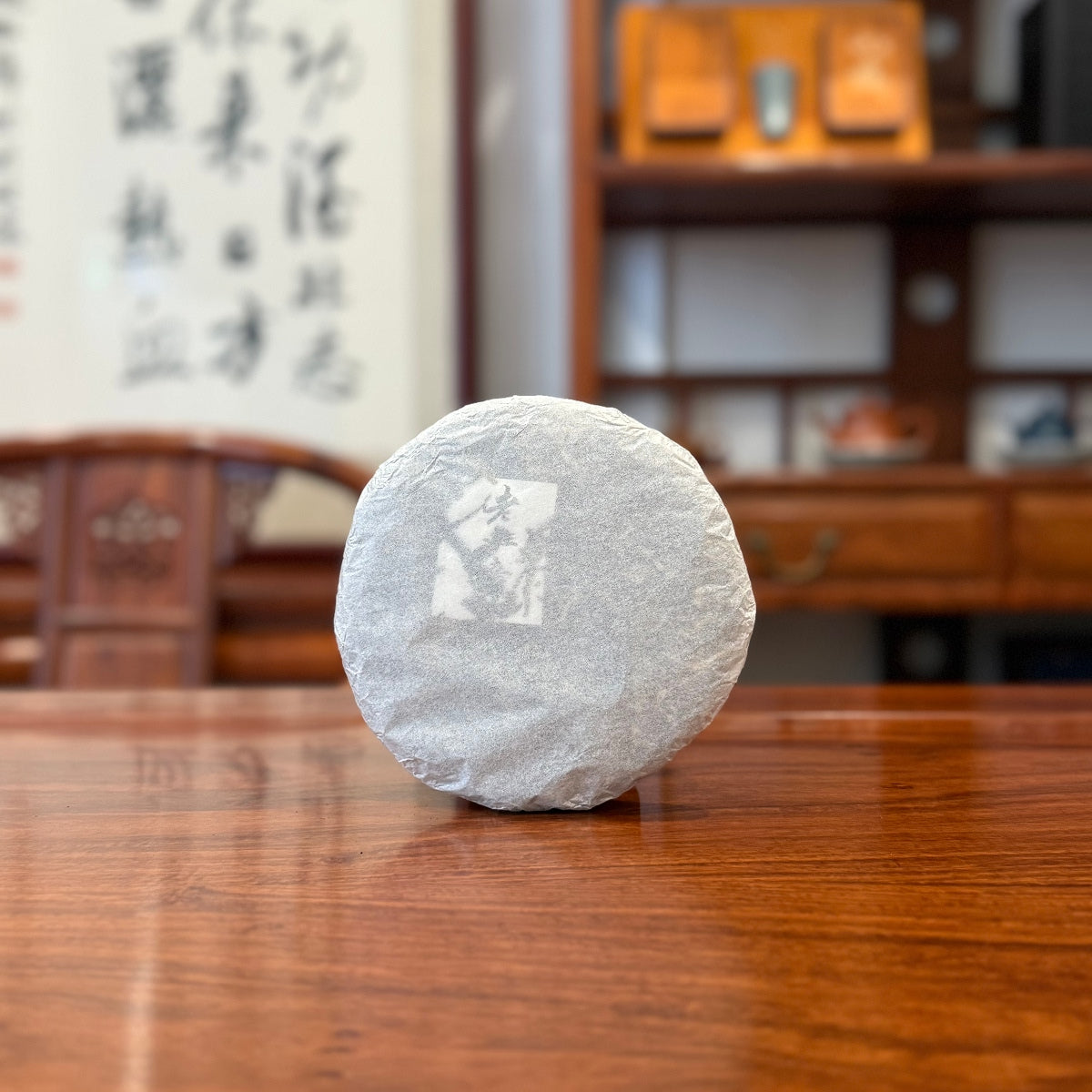
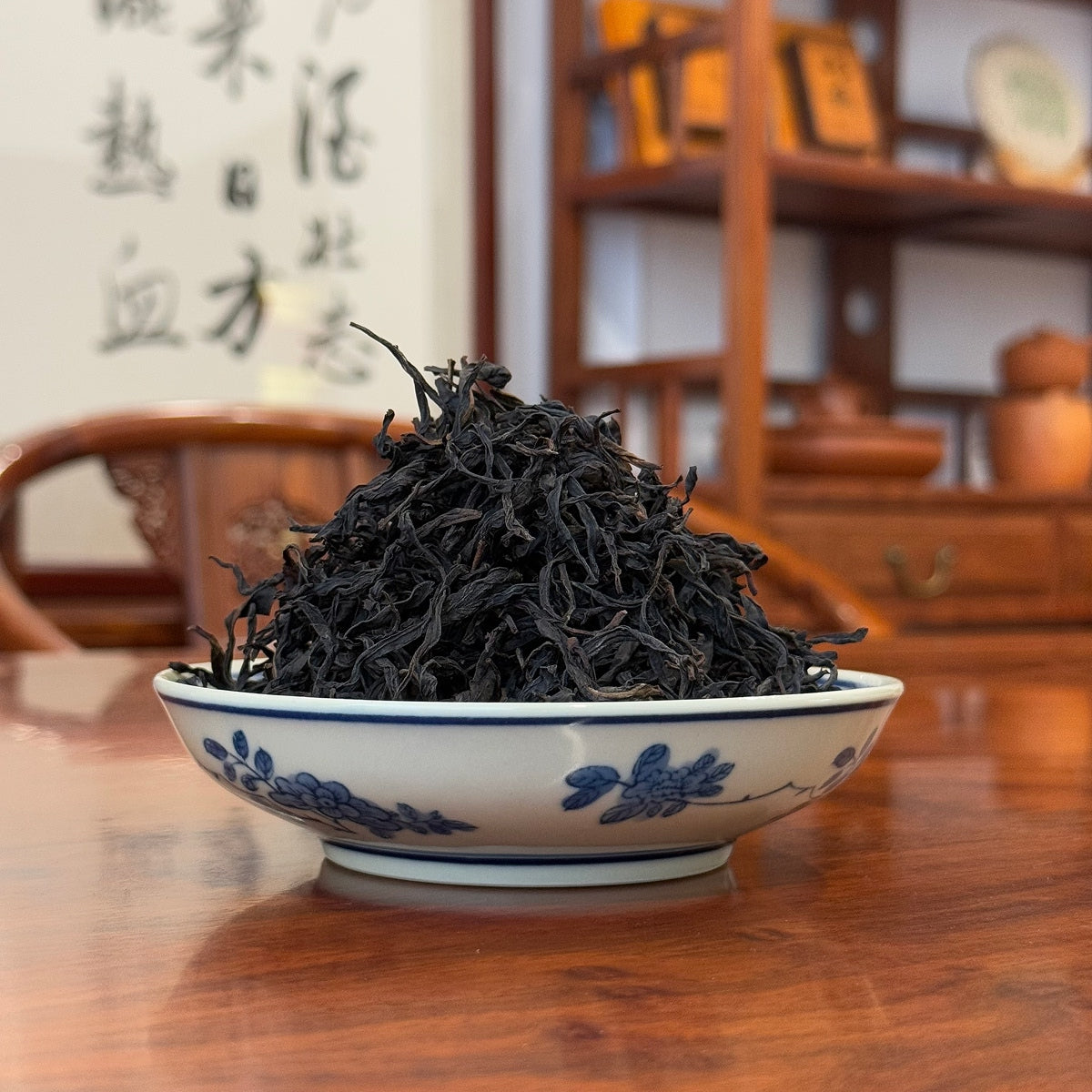
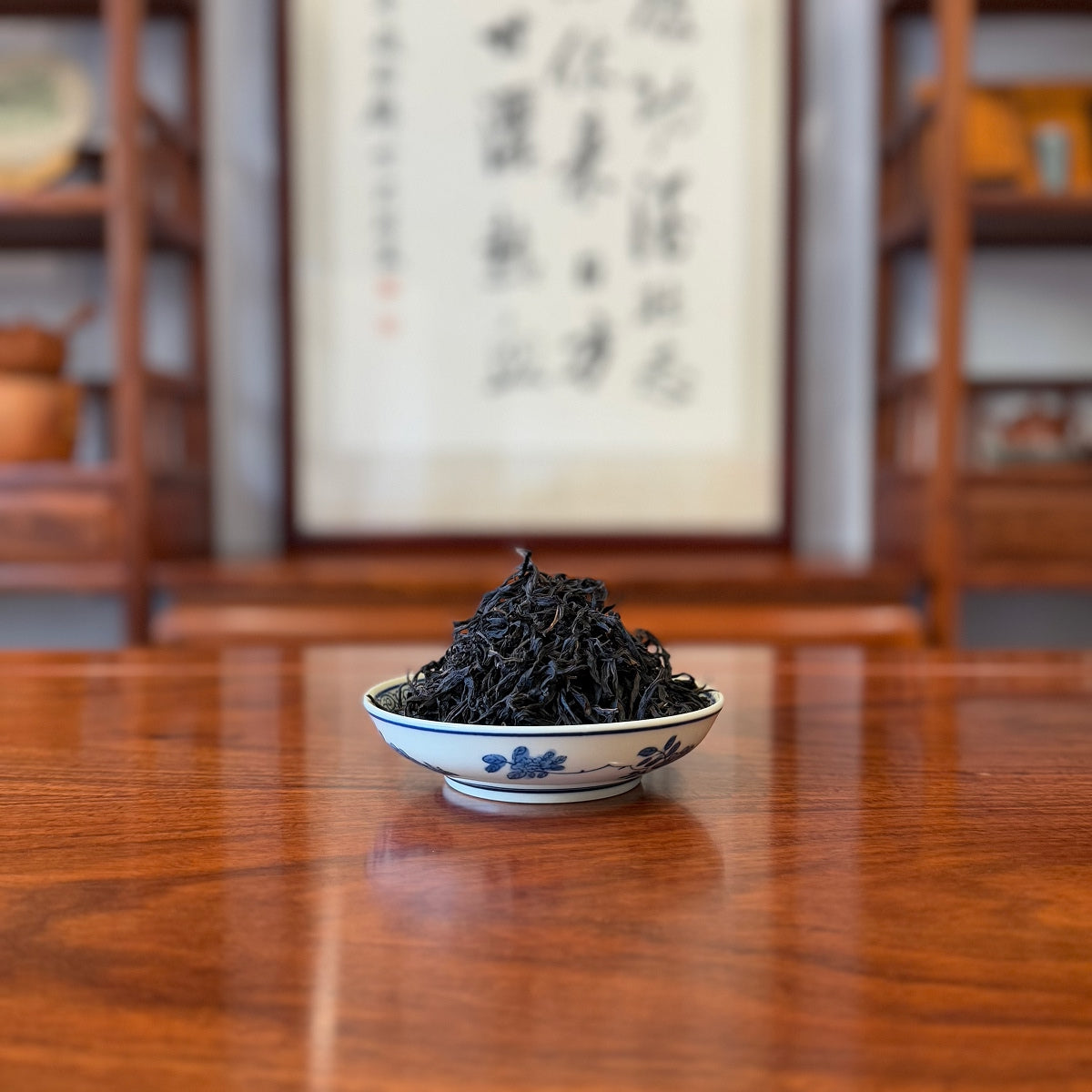
Pu-erh can age in different forms, including tea cakes, bricks, tuocha, and loose leaf tea. Each form creates a different relationship between the leaves and their storage environment, which can influence how the tea develops over time.
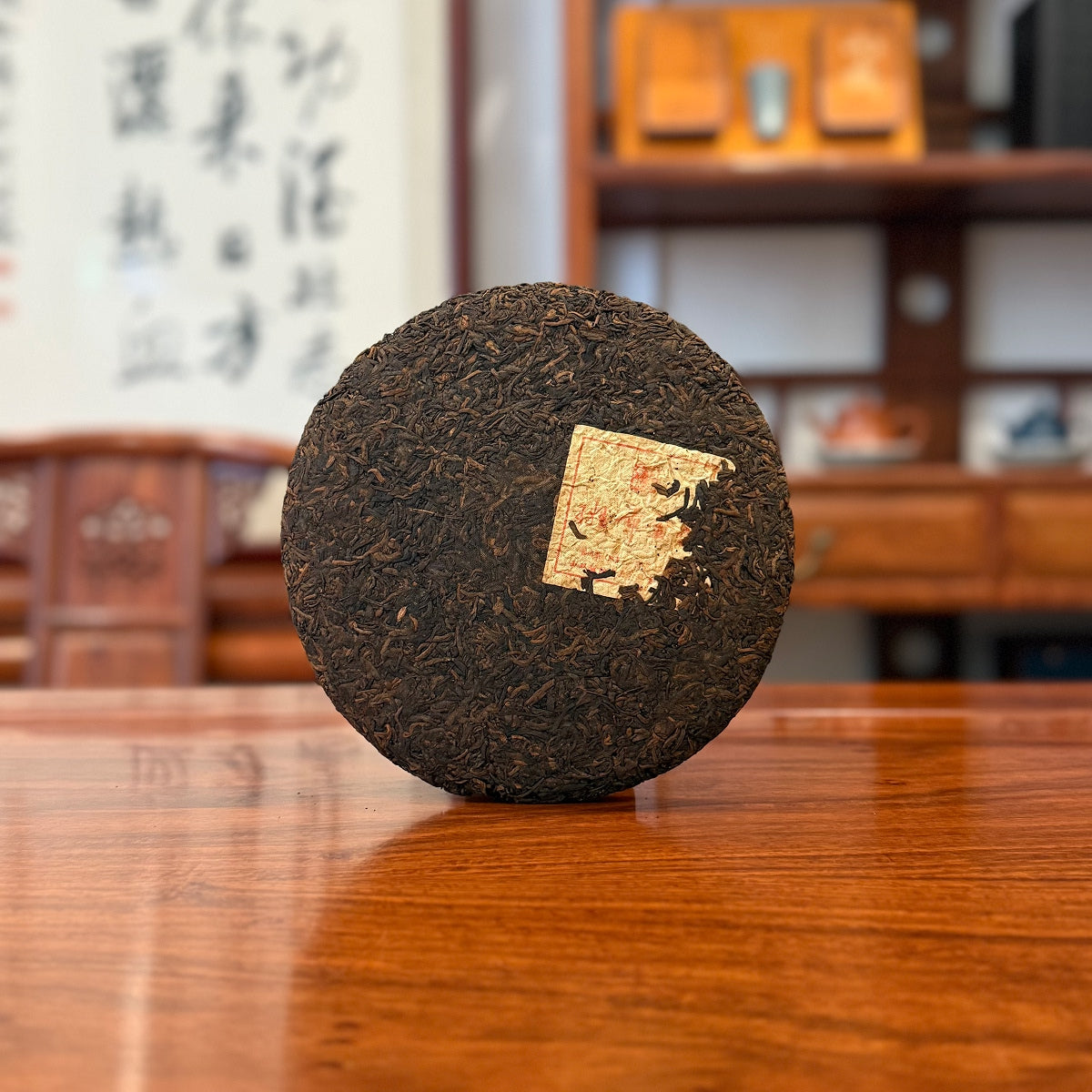
Among these traditional forms, the Pu-erh tea cake has become especially closely associated with long-term storage and aged Pu-erh.
Why Pu-erh Tea Cakes Became a Traditional Standard
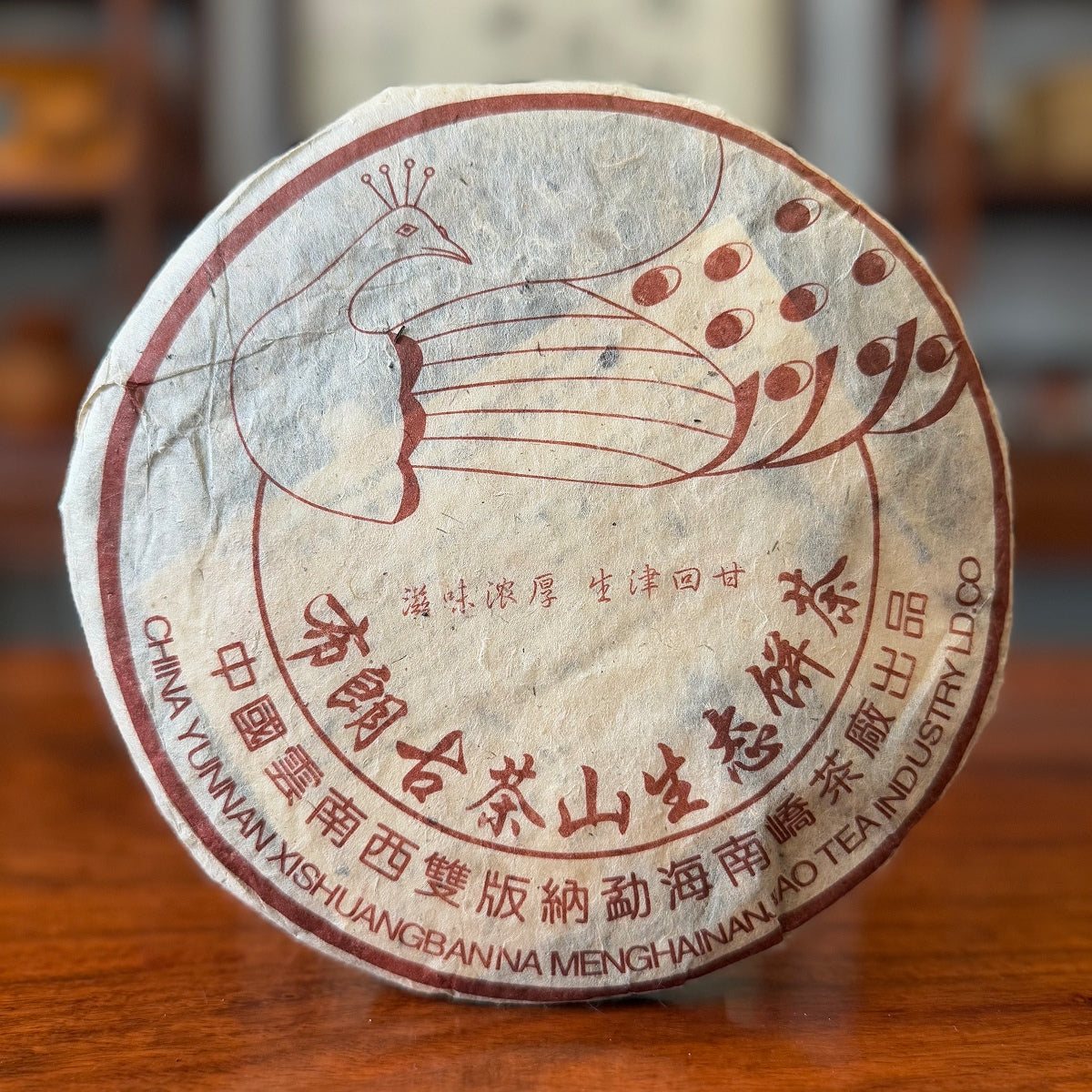
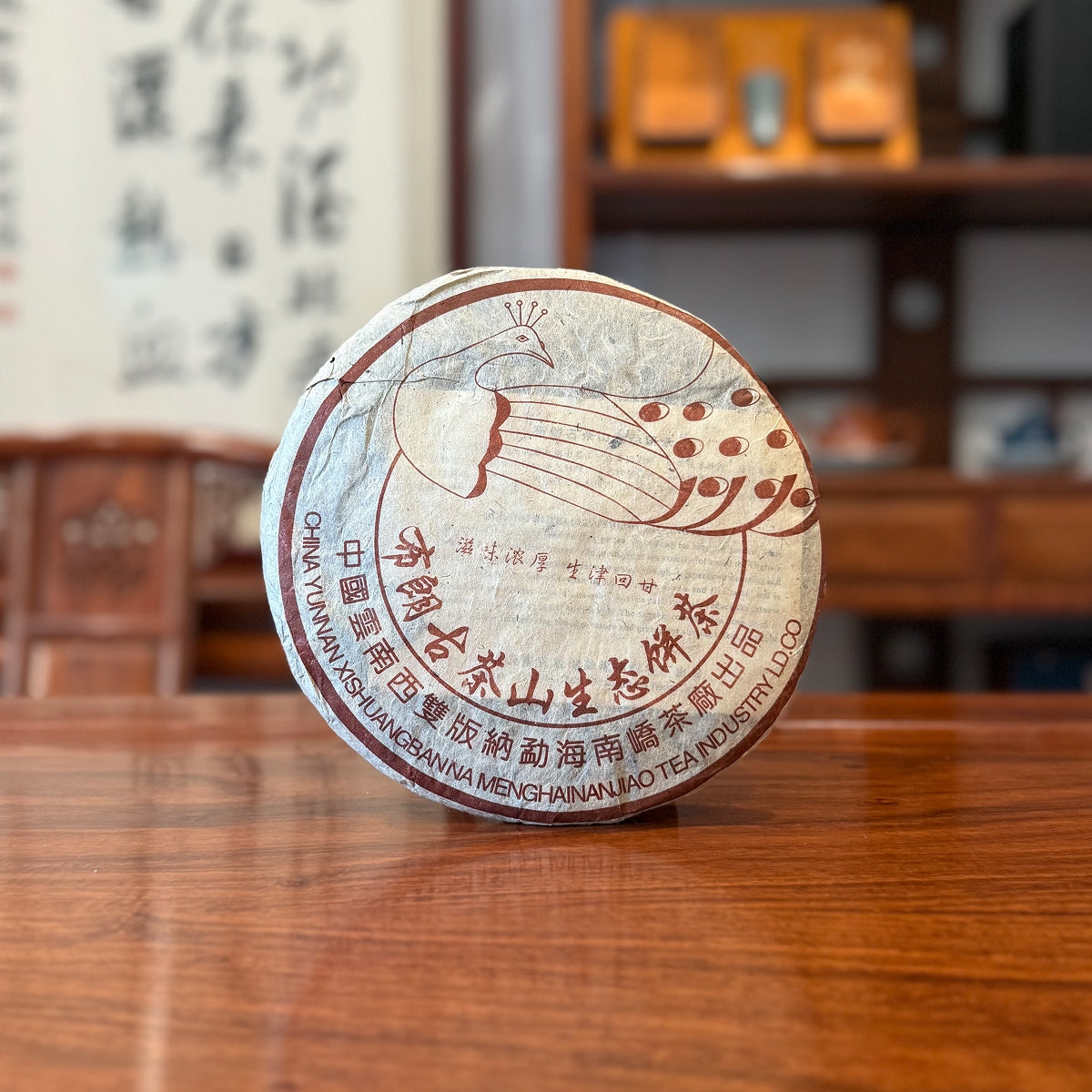
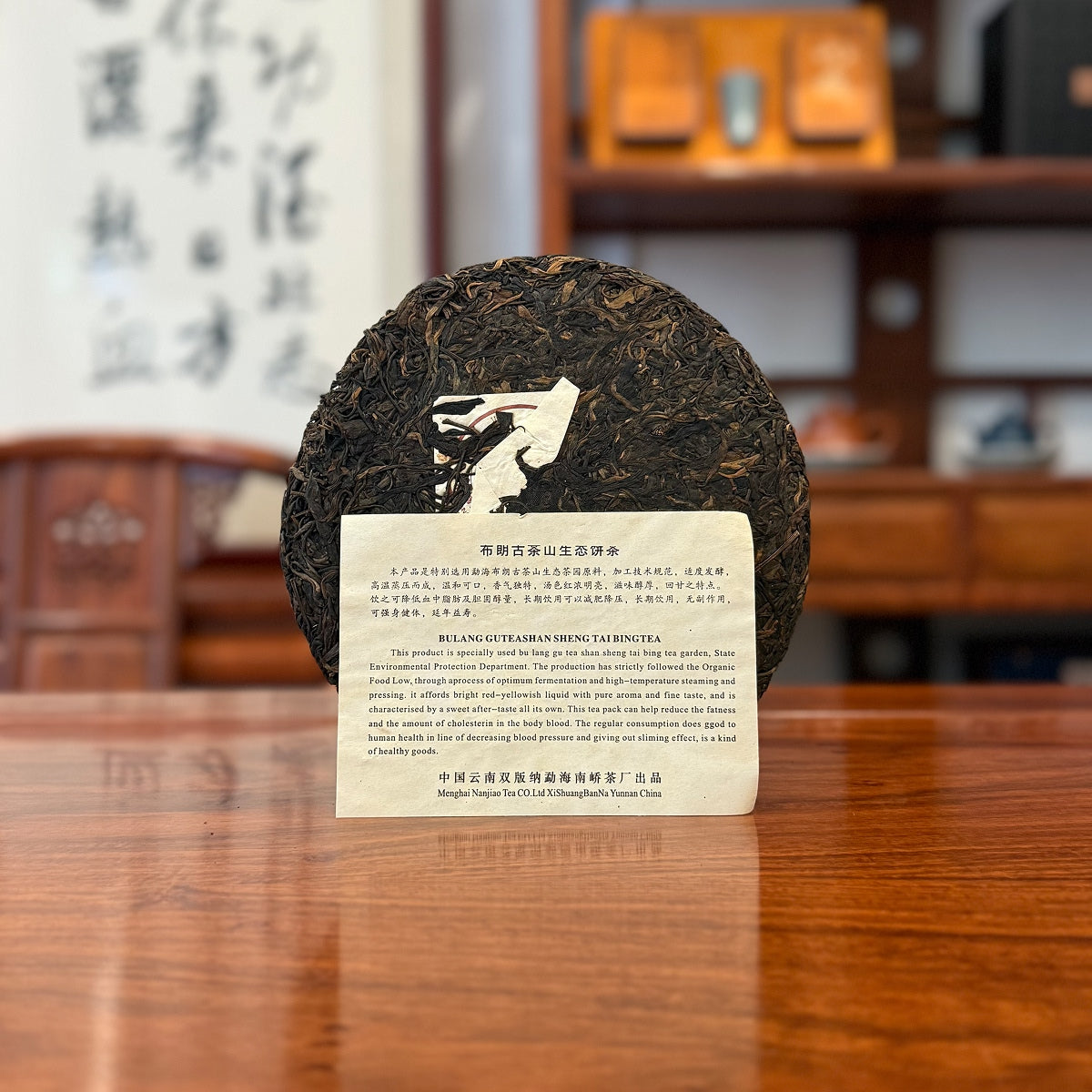
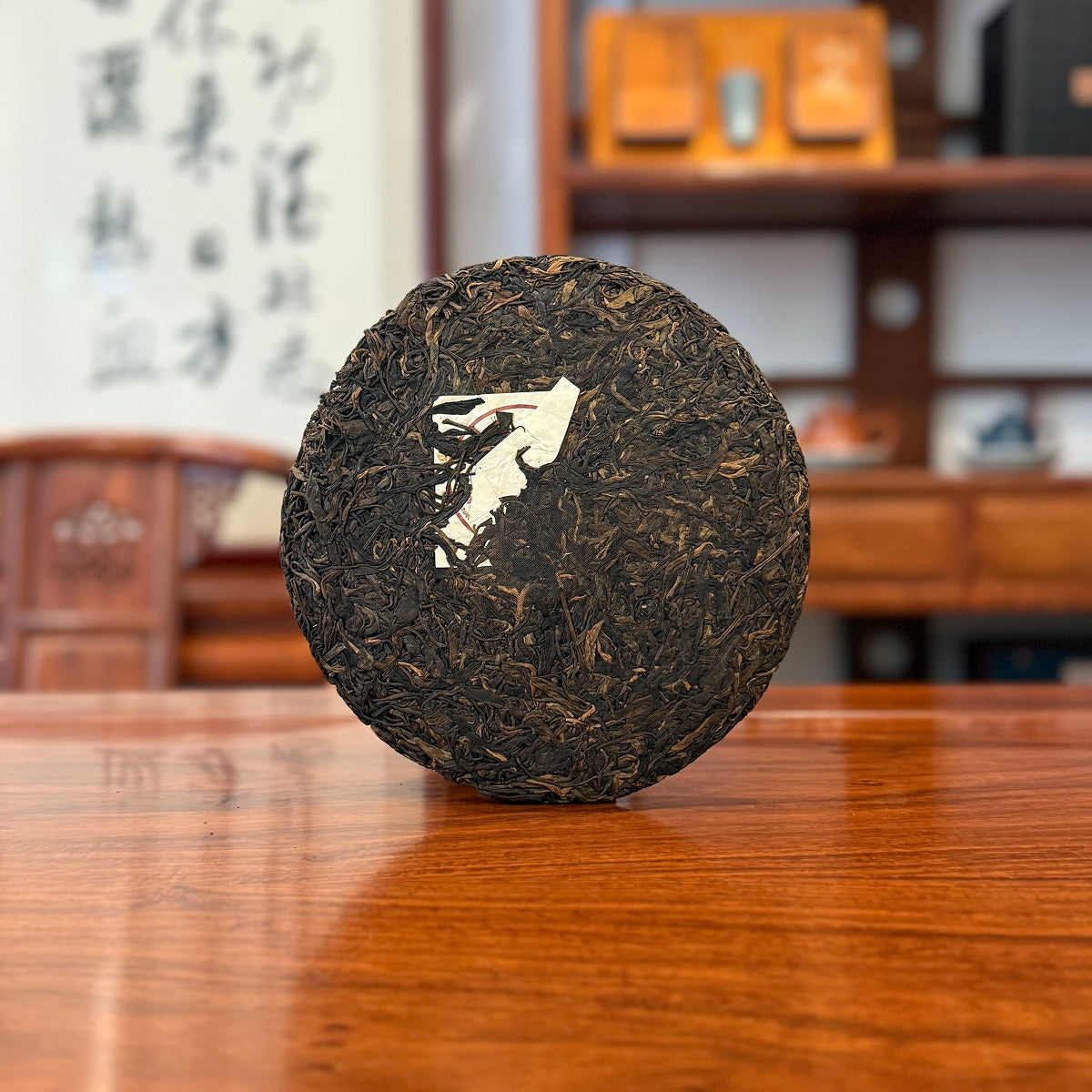
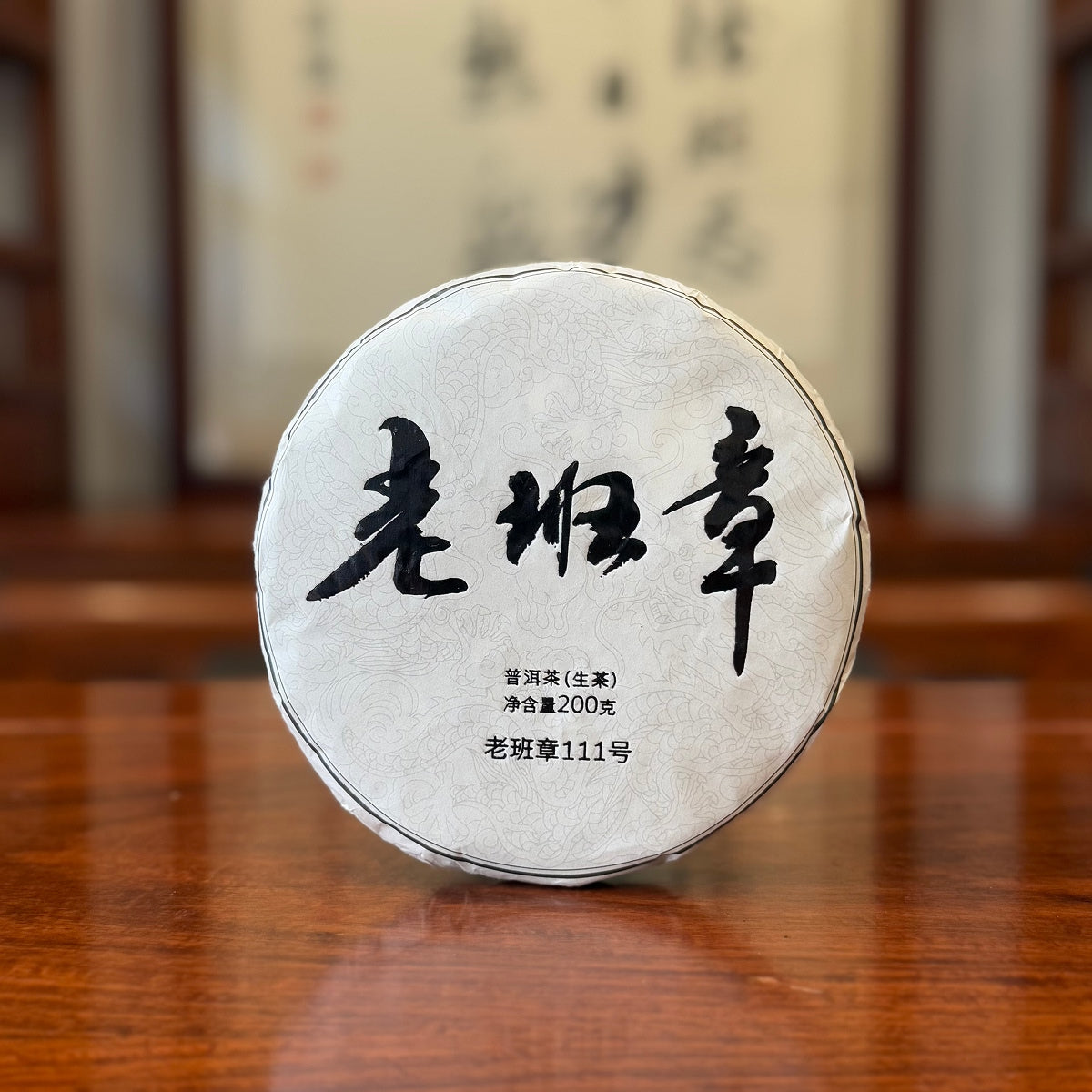
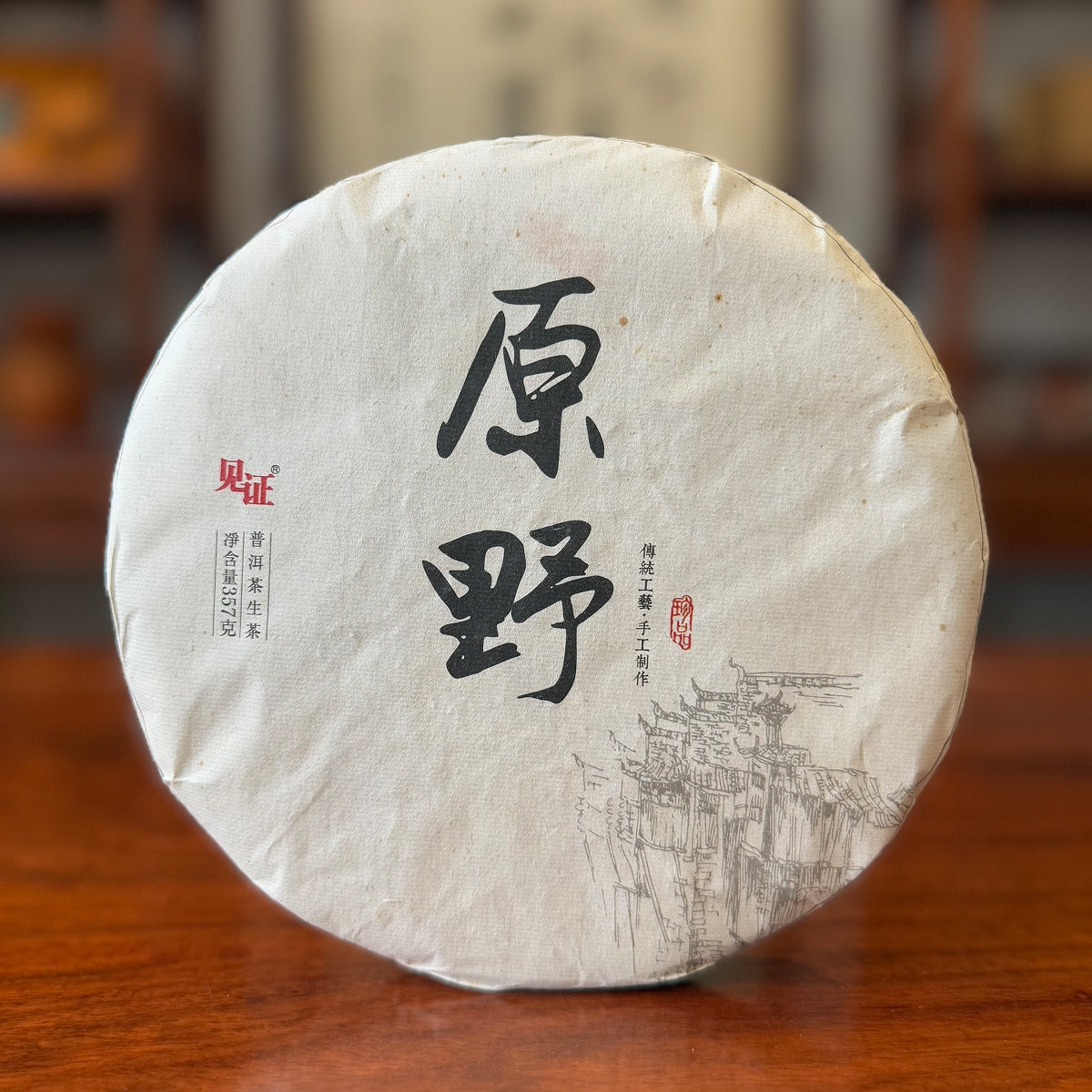
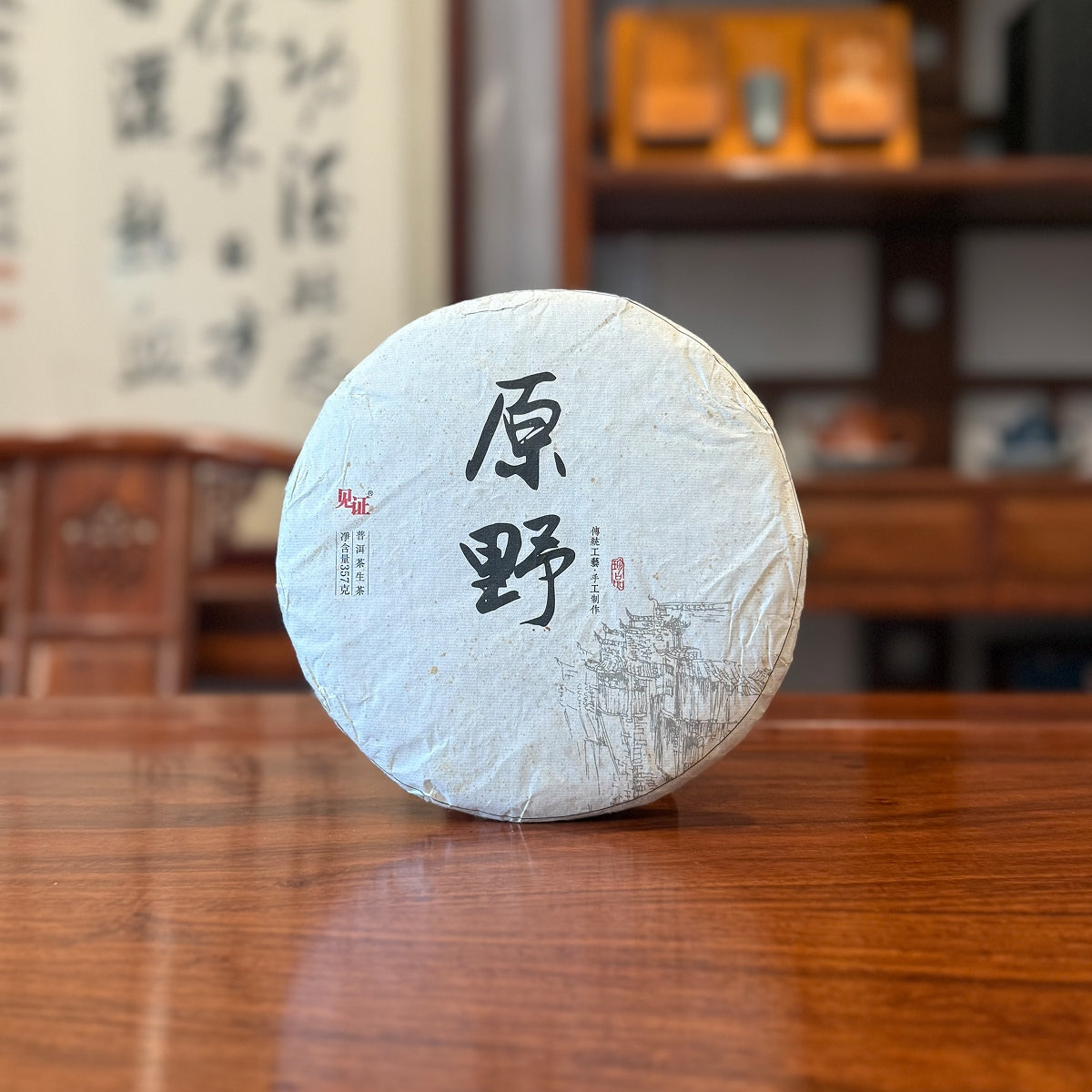
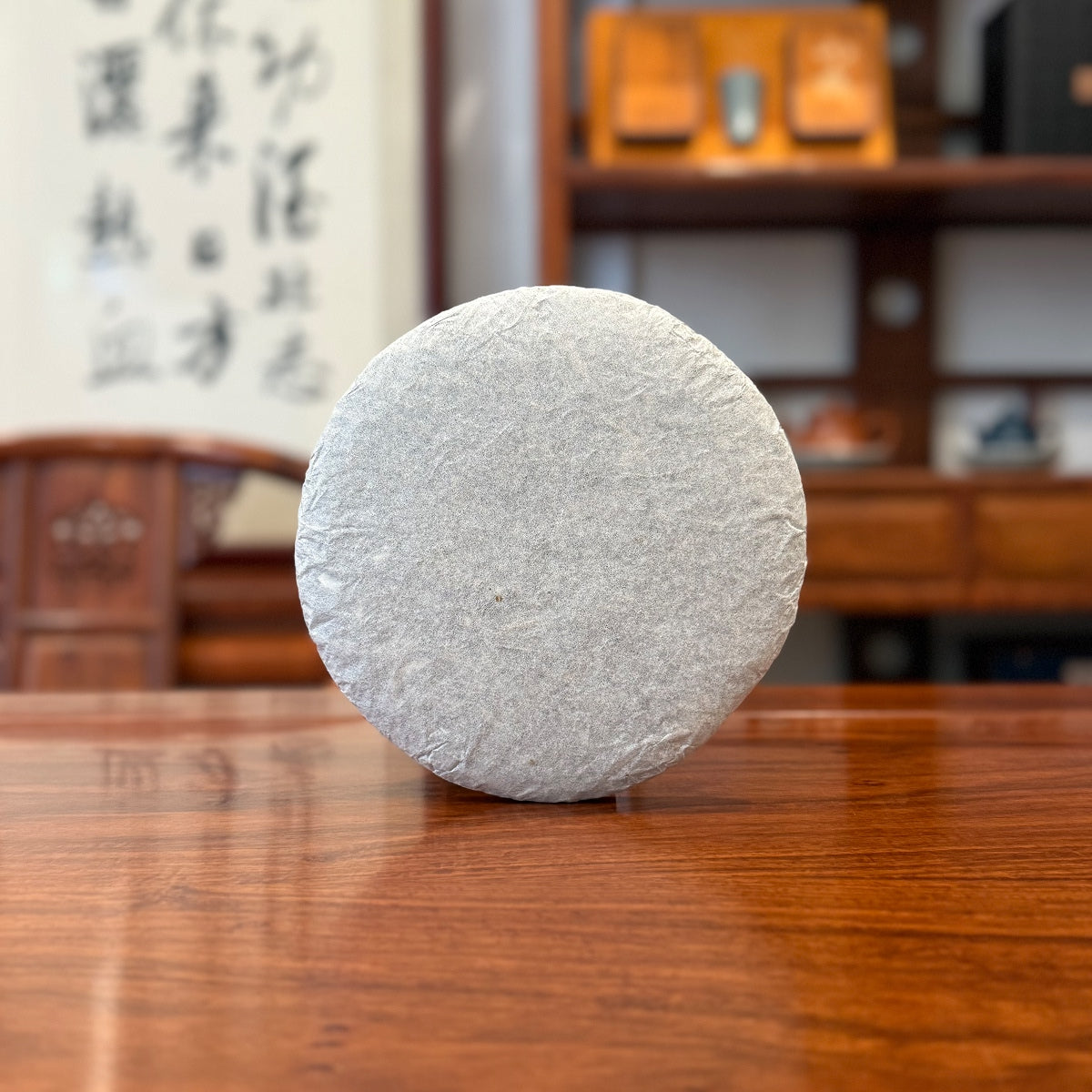
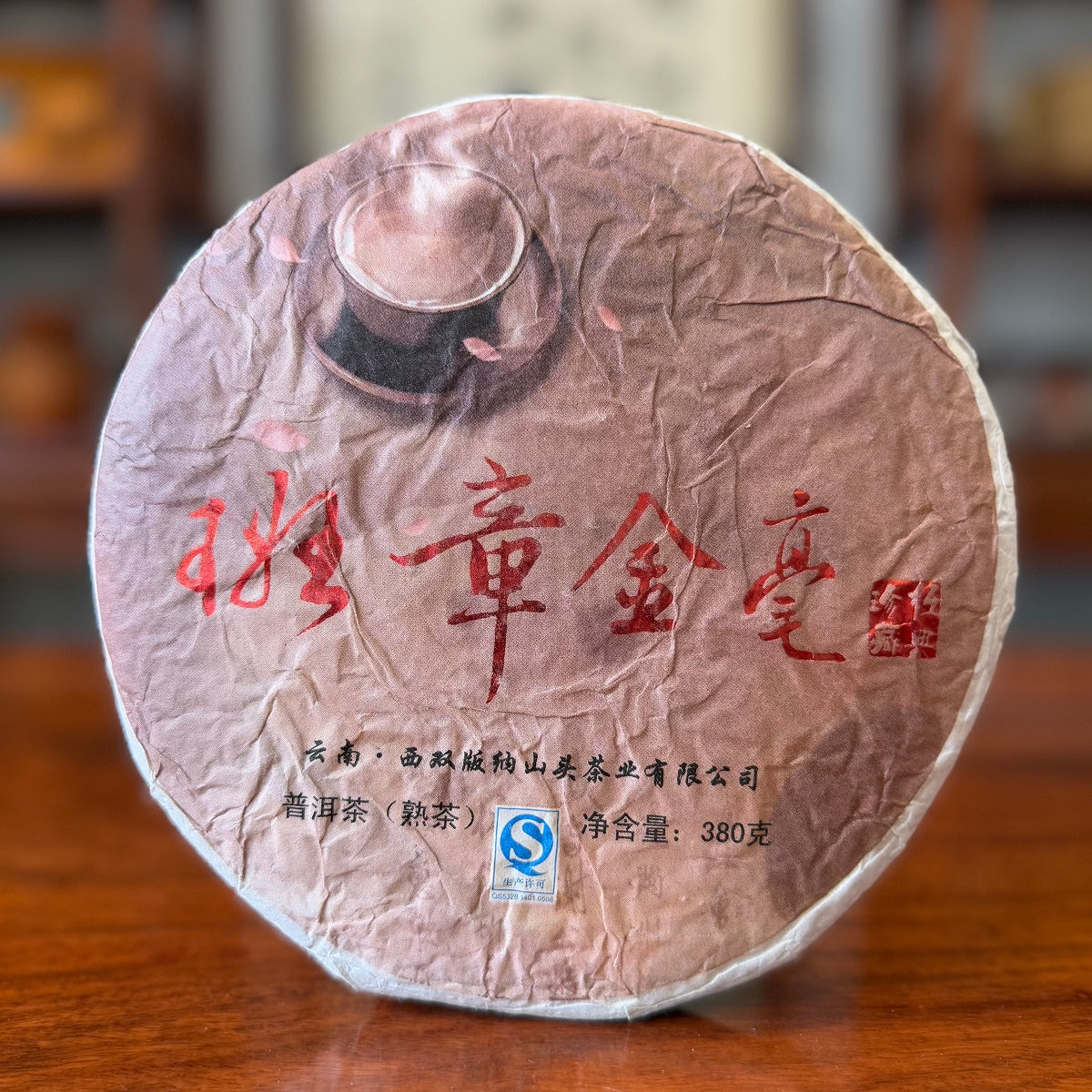
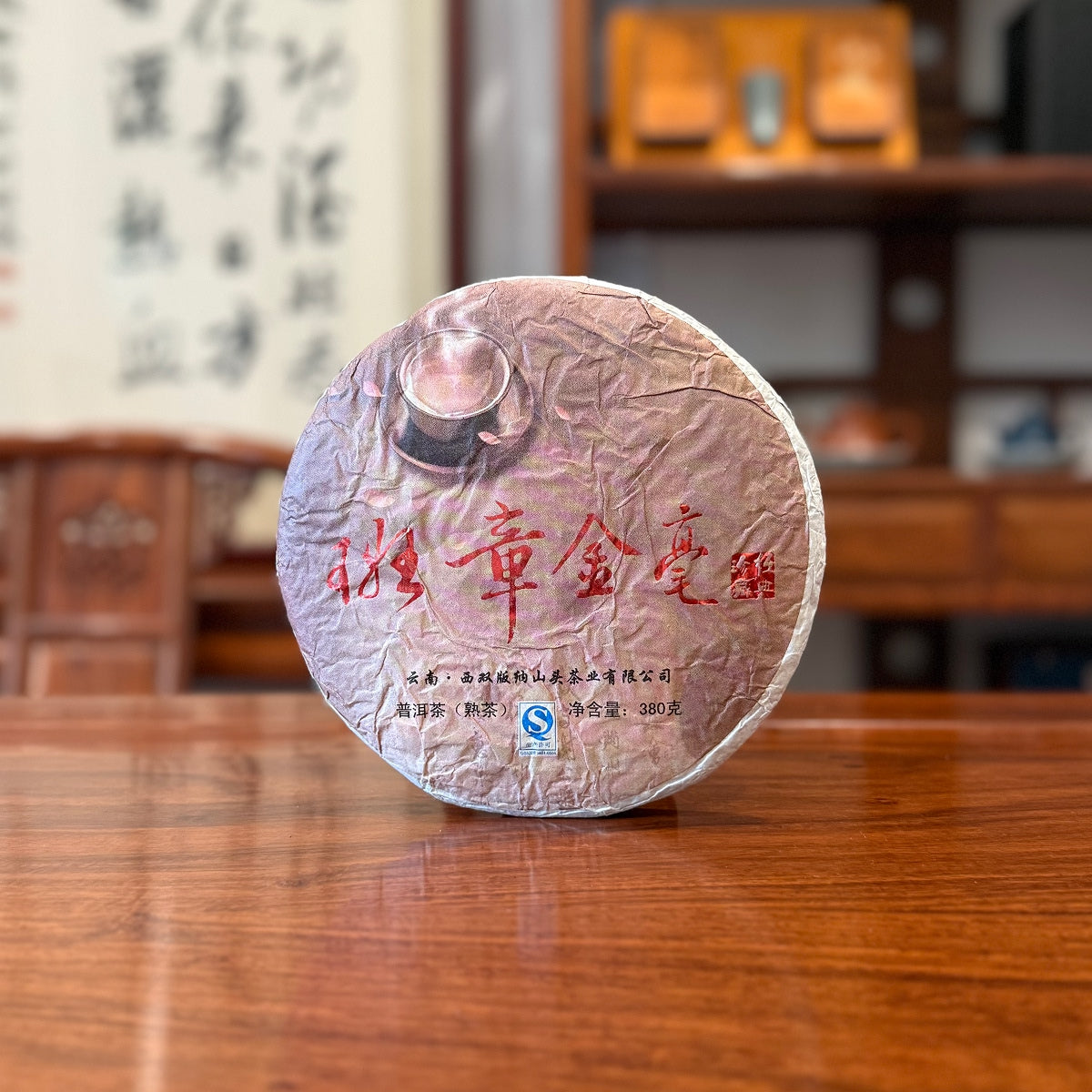
One of the best-known traditional formats is the 357g Yunnan Seven Sons Tea Cake (Qizi Bing). Traditionally, seven cakes are packed together as one bundle, totaling approximately 2.5 kilograms.
This standardized format made Pu-erh convenient to pack, measure, transport, store, and trade. Through generations of use, the round tea cake became one of the most recognizable and enduring forms of Yunnan Pu-erh.
Over time, the tea cake also became one of the most standardized and widely recognized forms for the long-term storage, circulation, and trade of aged Pu-erh.
Its significance therefore comes not from the number 357g itself, but from the long history and practical system that developed around this traditional format.
Why Tea Cakes Are Well Suited to Long-Term Aging
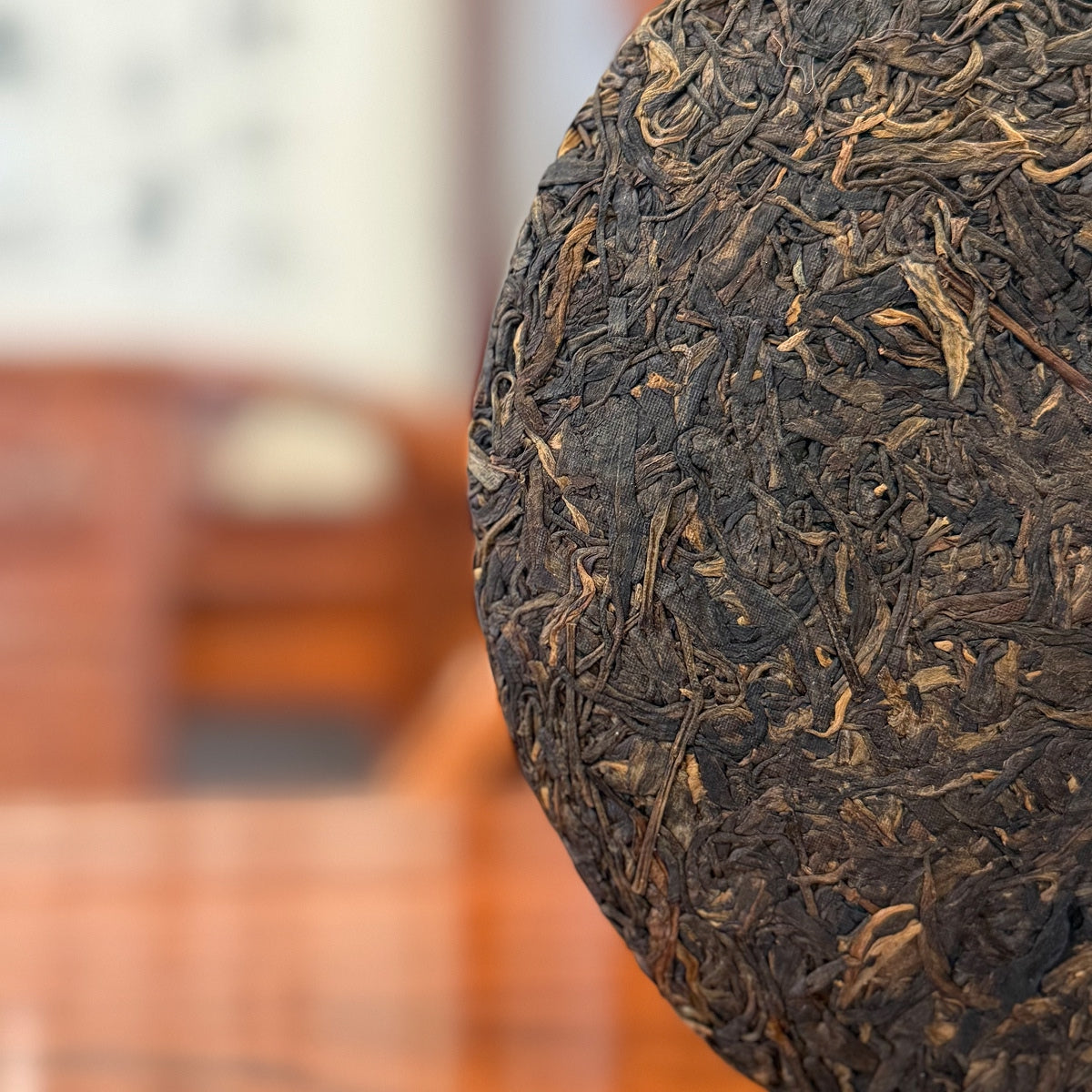
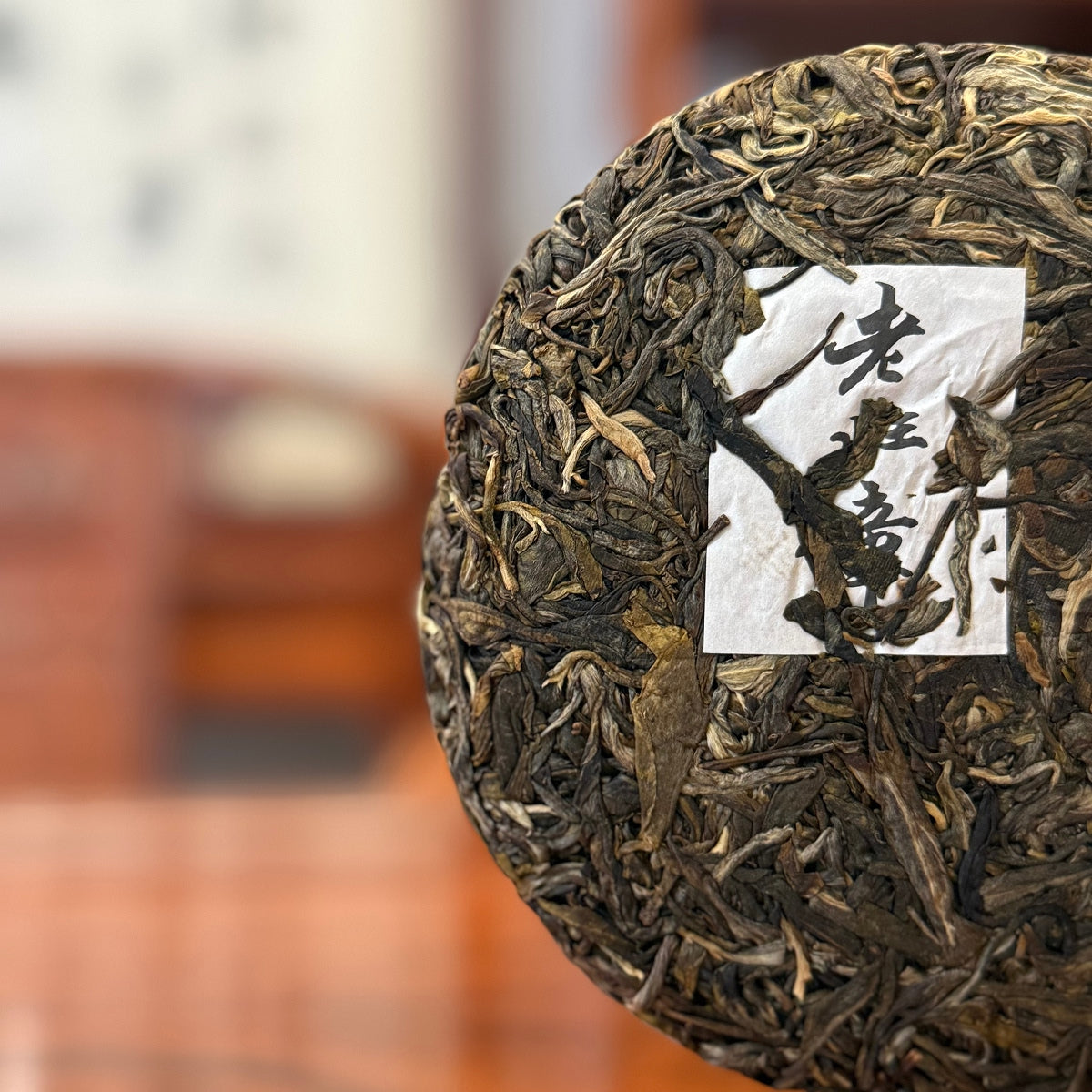
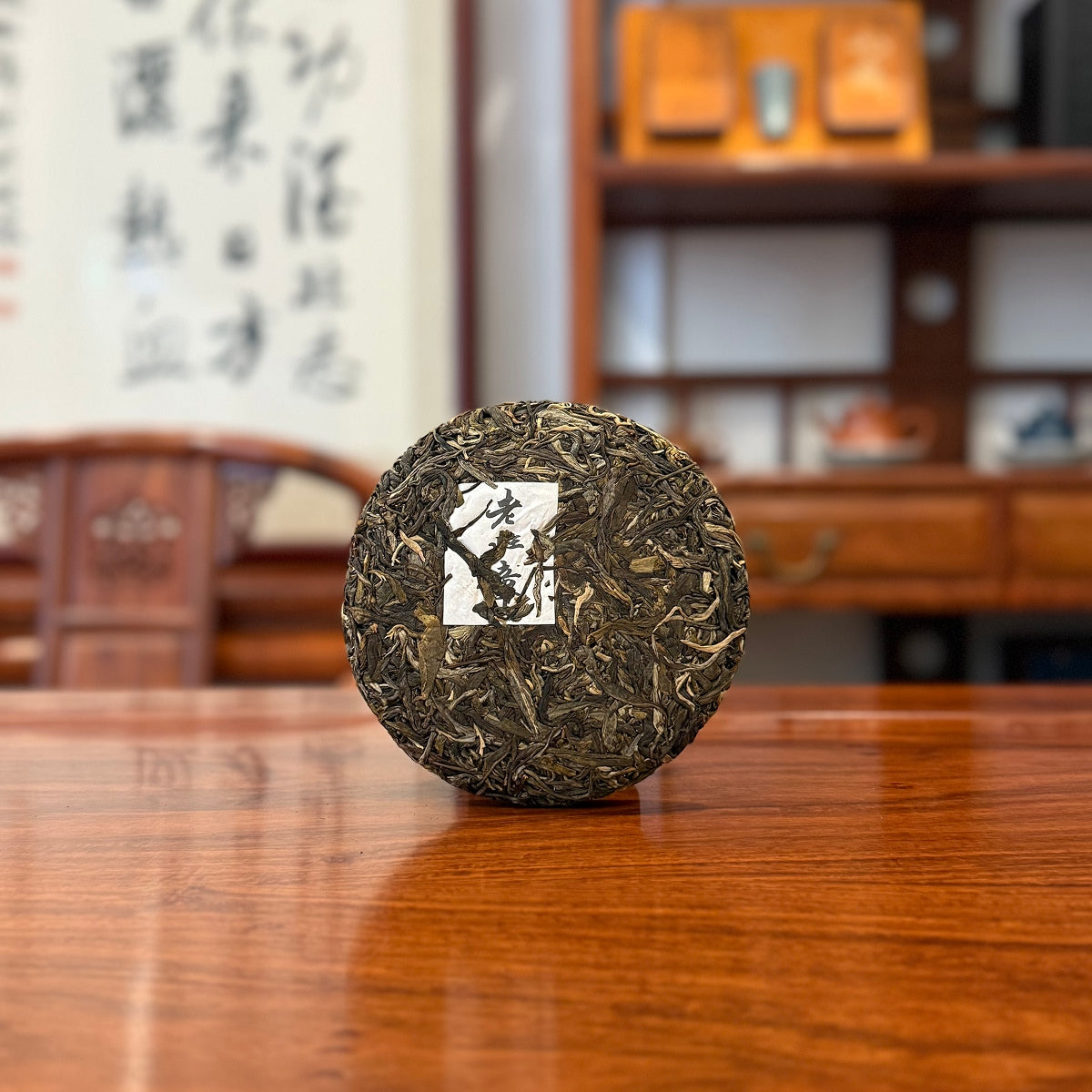
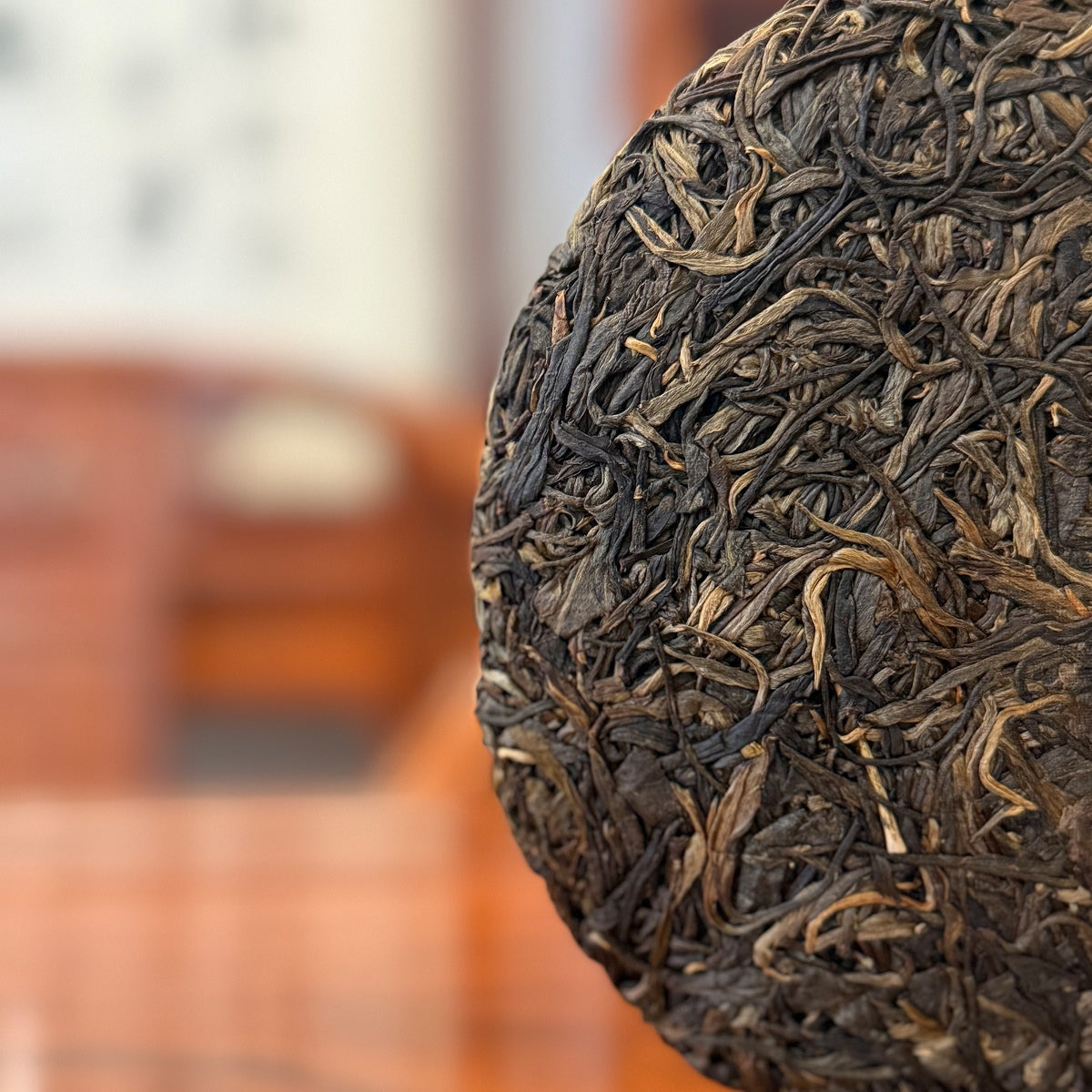
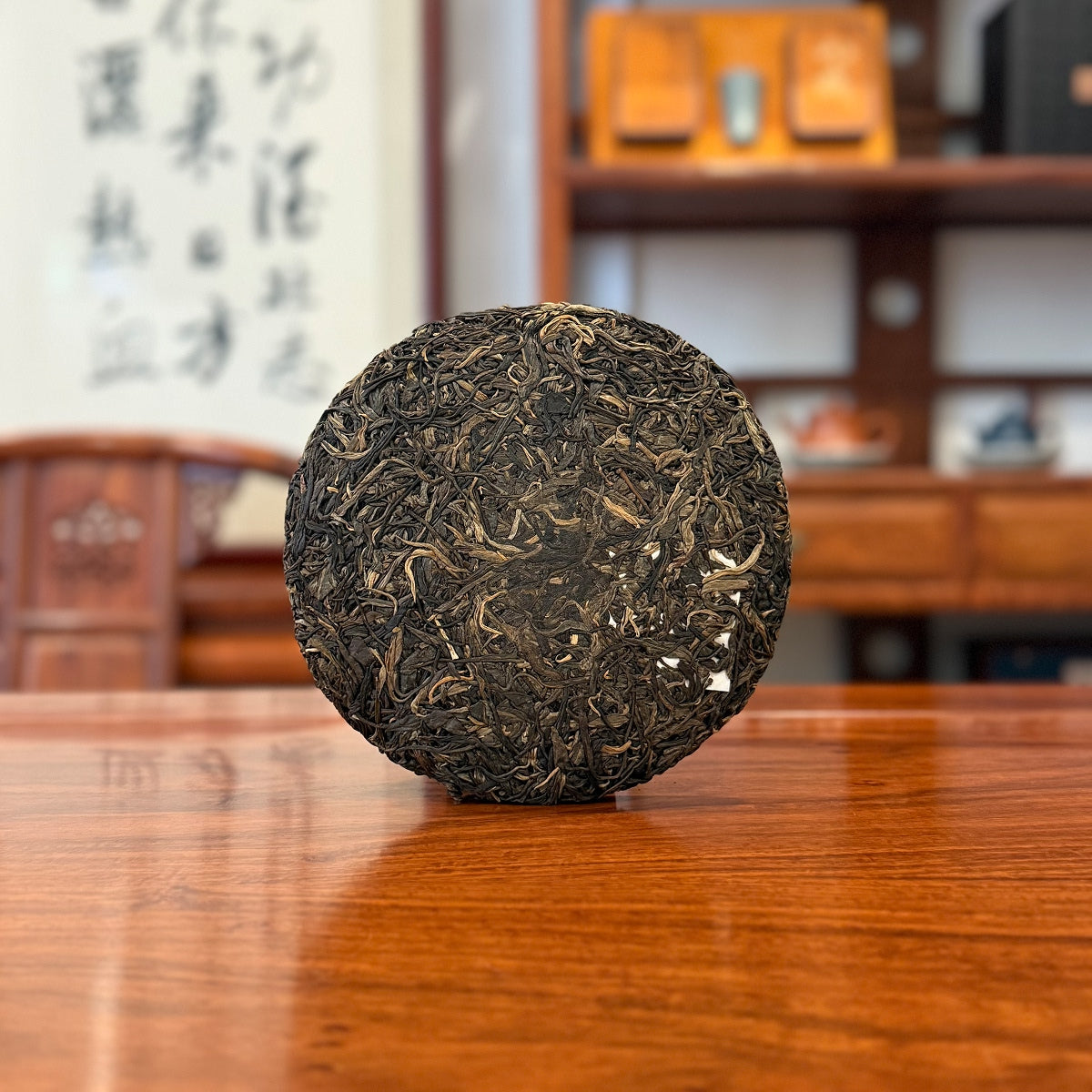
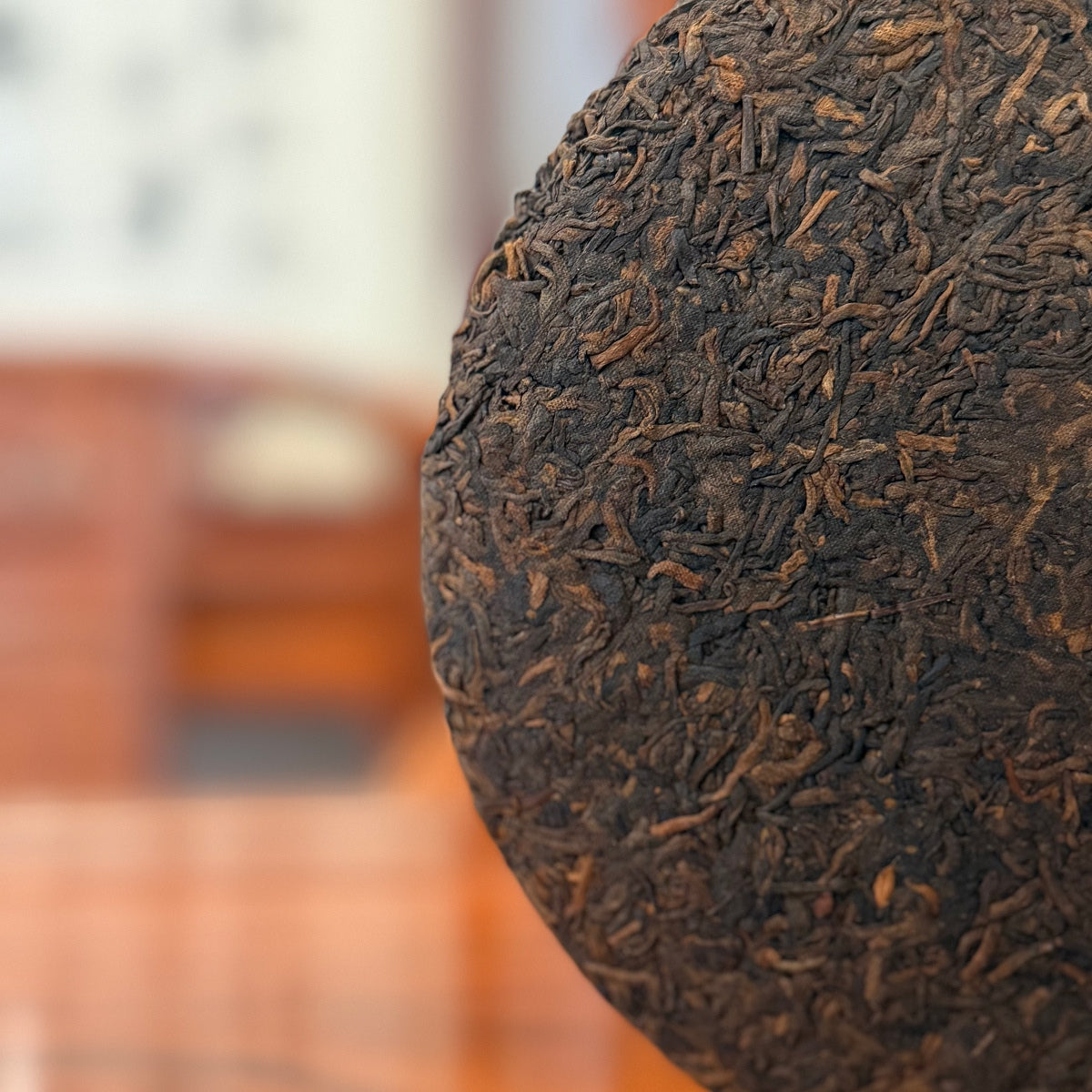
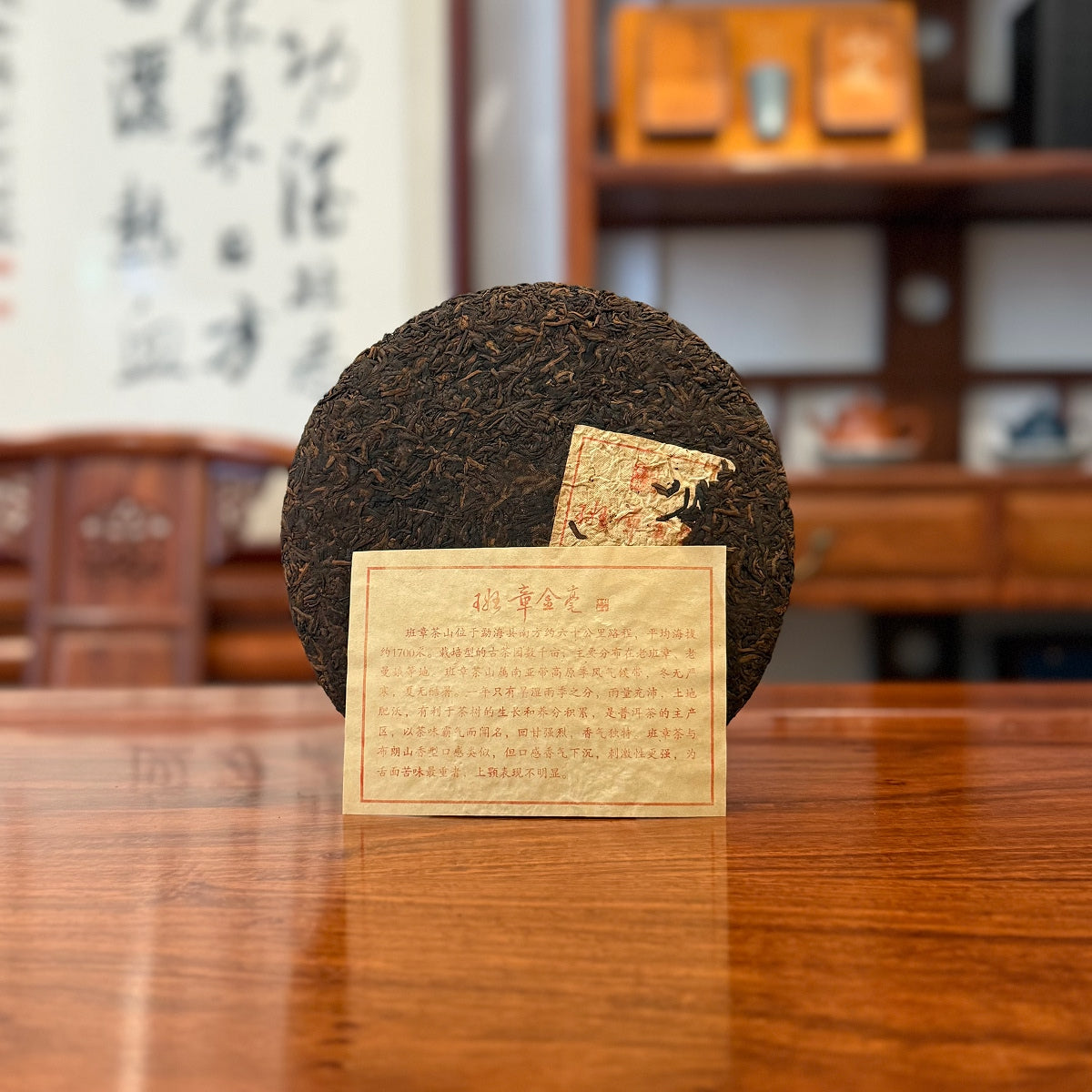
The structure of a tea cake also makes it well suited to long-term storage. Compression reduces the amount of leaf surface directly exposed to the surrounding environment, allowing the interior of the cake to develop more gradually.
How a cake develops still depends on many factors, including its degree of compression, the original tea, and the storage environment. A tea cake does not age well simply because it is compressed.
Its compact and stable shape also makes it practical to store over long periods, helping explain why tea cakes have remained so closely associated with aged Pu-erh.
Looking Beyond the Age of Pu-erh Tea
When choosing aged Pu-erh, the year is a useful reference, but it should be considered together with the tea’s origin, raw materials, craftsmanship, and—especially—its storage history.
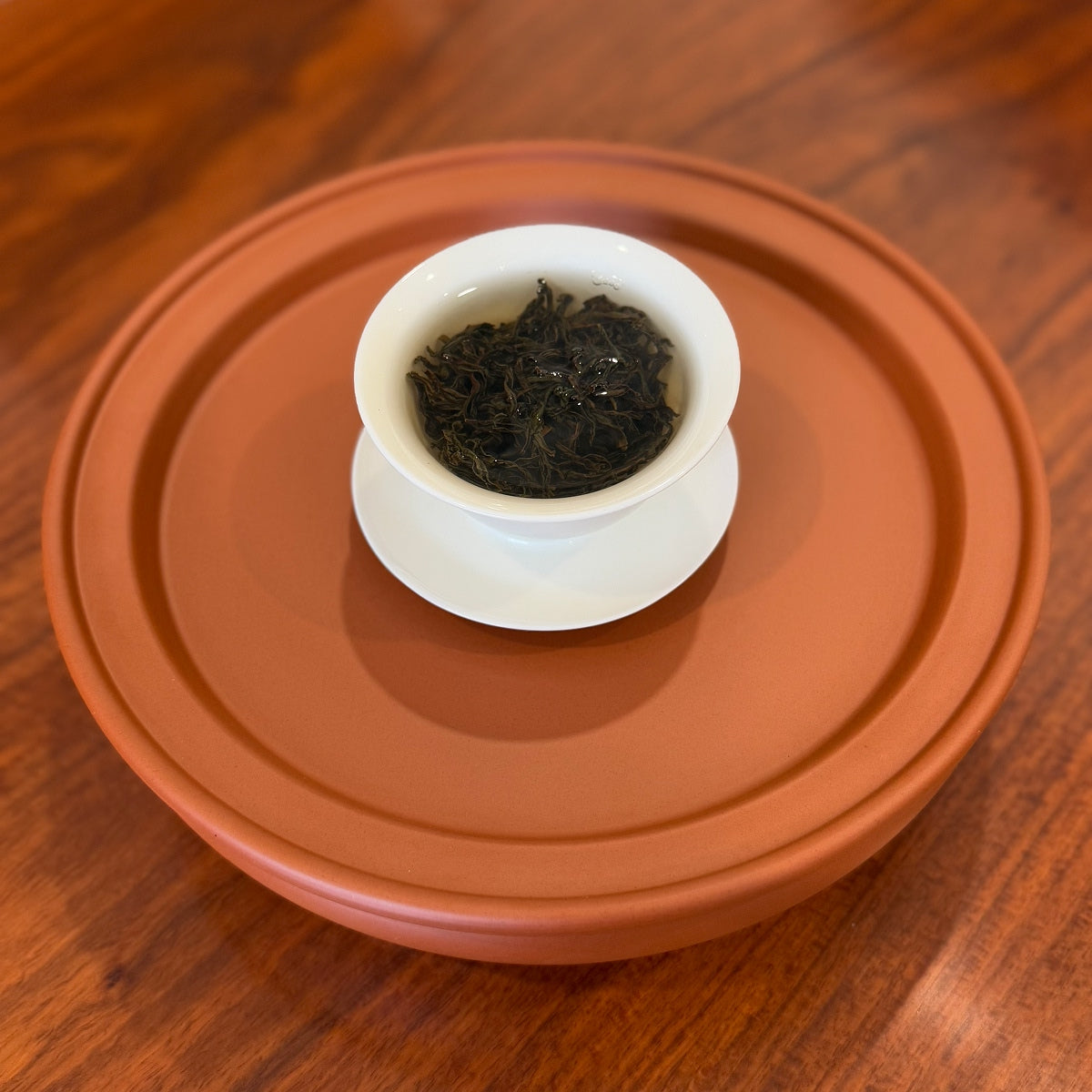
Two teas of the same age can develop very differently. What ultimately matters is not simply how old the tea is, but how it has developed and what it has become in the cup.