

2019 Yunnan Qizi Bing Raw Pu-erh Tea Cake (Sheng)


2019 Yunnan Qizi Bing Raw Pu-erh Tea Cake (Sheng)
Yunnan Pu-erh (Pu’er)
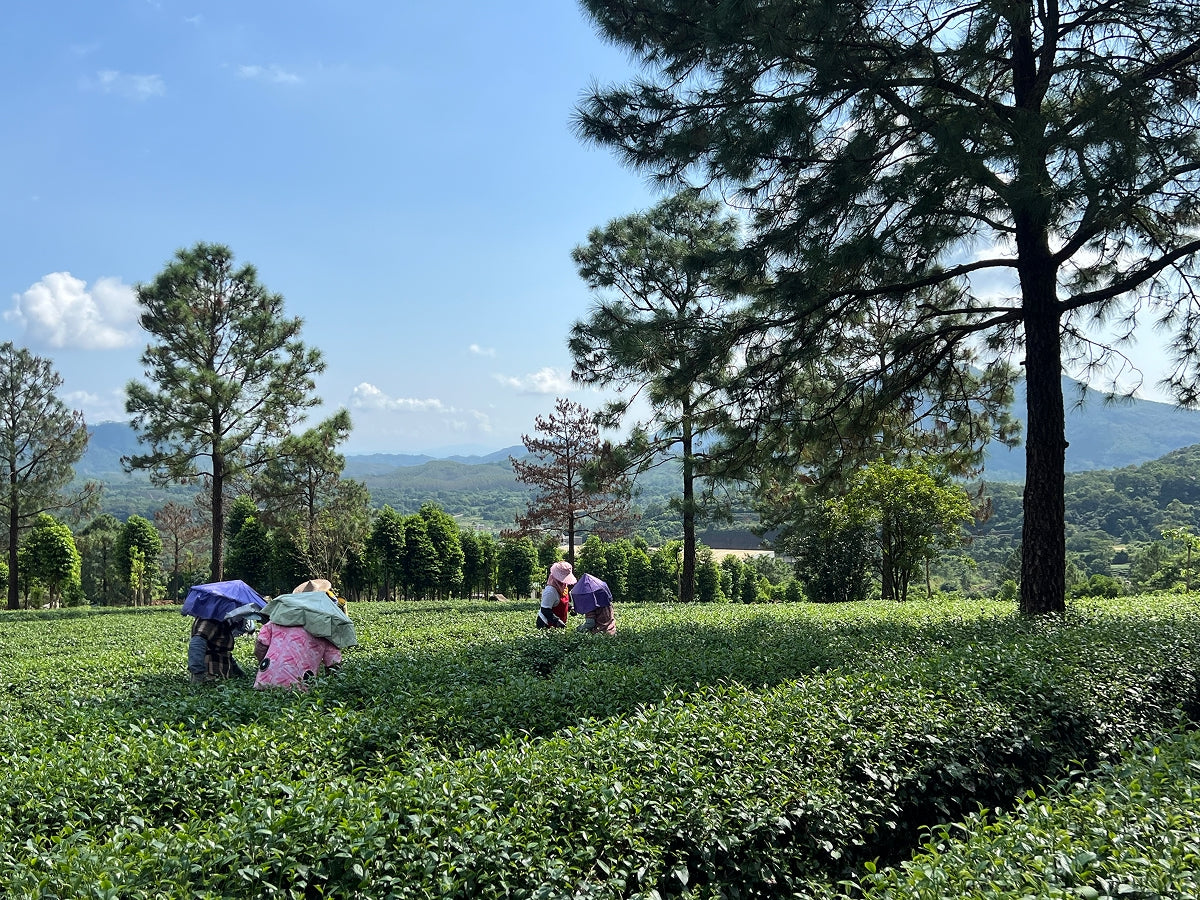
This 2019 Yunnan Qizi Bing Raw (Sheng) Pu-erh Tea Cake was produced jointly by one of our tea shops, Chunming Tea, and local tea farmers in Mengku, Yunnan. It is crafted from spring-harvested large-leaf sun-dried tea leaves sourced from ancient tea trees over 100 years old, representing a classic expression of Mengku raw Pu-erh tea.
What is Qizi Bing (Seven-Cake Pu-erh Tea)?
The term “Qizi Bing” (literally “Seven-Cake Tea”, sometimes loosely translated as “Seven Sons Cake”) refers to the traditional compressed Pu-erh tea cakes of Yunnan.
In 1729, during the 7th year of Emperor Yongzheng’s reign, the Qing government issued the Yunnan Tea Regulation, standardizing Pu-erh tea into compressed tea cakes (round cakes, known as “Yuancha”):
Standard Traditional System
- Weight per cake: 7 taels (357g)
- 7 cakes per bamboo-wrapped bundle
- Total weight per bundle: approximately 2.5 kg
- Packaging: bamboo compression system
This system unified trade standards and enabled long-distance transportation of Pu-erh tea.
Yunnan Climate and Its Influence on Pu-erh Tea
As a traditional tea merchant with a long-established direct sourcing system, we closely monitor climatic conditions in Yunnan, as they directly affect the quality and yield of raw Pu-erh tea.
According to our records, 2023 and 2019 were among the driest years in the past decade.
Drought conditions slow tea tree growth while increasing the concentration of key compounds such as tea polyphenols and caffeine. As a result, the tea develops a richer aroma and a fuller, more concentrated taste profile.
At the same time, reduced rainfall leads to 15–30% lower spring tea yields, while some ancient tea gardens may experience reductions of up to 50%.
These natural variations collectively shape the distinctive character of Mengku raw Pu-erh tea from drought years, but they also place significant pressure on local tea farmers.
Collaboration with Mengku Tea Farmers
Through long-term partnerships with Mengku tea farmers, we source tea leaves from ancient tea trees over 100 years old under stable and fair purchasing agreements.
The tea is traditionally processed by local tea farmers, who then naturally store and age it in Yunnan's dry and stable climate.
We release the tea gradually in batches, covering storage costs and sharing the value gained from aging with the farmers. This approach takes full advantage of Yunnan’s dry climate to enhance tea aging while also improving the income of local tea-growing communities.
Appearance of the Raw Pu-erh Tea Cake
The 2019 Yunnan Qizi Bing Raw Pu-erh Tea Cake has naturally aged for seven years.
- Deep olive-brown surface with natural oil sheen
- Transition from fresh green to mature brown tones
- Tight compression with clean, slightly matte texture
- Typical structure of mid-aged raw Pu-erh tea cake
Brewing Aroma and Taste
Aroma Profile
Opening notes: honey-like sweetness with dried longan aroma
Mid-notes: woody aroma with aged Mengku characteristics
Taste Profile
The tea delivers a smooth and mellow body, a clean and structured mouthfeel, rich layered complexity, and long-lasting natural sweetness. This profile is typical of aged Mengku raw Pu-erh tea.
Ripe and Raw Pu-erh Tea Experience from the Same Batch
Because this batch of raw material is abundant and of high quality, in addition to pressing it into raw Pu-erh tea cakes (2019 Yunnan Qizi Bing Raw Pu-erh Tea), we also used the same sun-dried tea leaves and applied traditional wet-piling fermentation to produce a ripe (Shou) Pu-erh tea version.
We offer two distinct tasting experiences from the same harvest and same year: raw Pu-erh tea and ripe Pu-erh tea.
Bundle discount: Purchase one raw cake and one ripe cake together and enjoy a 10% discount – automatically applied at checkout (no coupon needed).
View the corresponding ripe Pu-erh tea:
2019 Yunnan Qizi Bing Ripe (Shou) Pu-erh Tea Cake

Gongfu Tea Brewing Guide
(Traditional Method)
Always rinse tea before the first infusion. For compressed teas, adjust the rinsing time according to the compression level, allowing the leaves to gently loosen before the first infusion.
| Water Temperature | 100°C (212°F) |
| Tea-to-Water Ratio | 8g tea per 150ml water |
| Steeping Time | |
| Brews 1–5 | Steep for 3–8 sec |
| Brews 6–10 | Steep for 9–15 sec |
| Brews 11–15 | Steep for 16–30 sec |
| Brews 16+ | Steep for 31+ sec |
Tips: Tea masters recommend steeping times based on each tea's unique flavor, starting the timer after pouring the water.
Common Brewing Guide
(Easy Everyday Preparation)
| Water Temperature | 100°C (212°F) |
| Leaf-to-Water Ratio | 2g per 100ml |
| Steeping Time | About 1–2 minutes |
| Subsequent Infusions | Increase by 30 seconds each time |
Tips: You can adjust the steeping time or leaf-to-water ratio to suit your taste—shorten the infusion for a lighter brew or extend it for a stronger one.