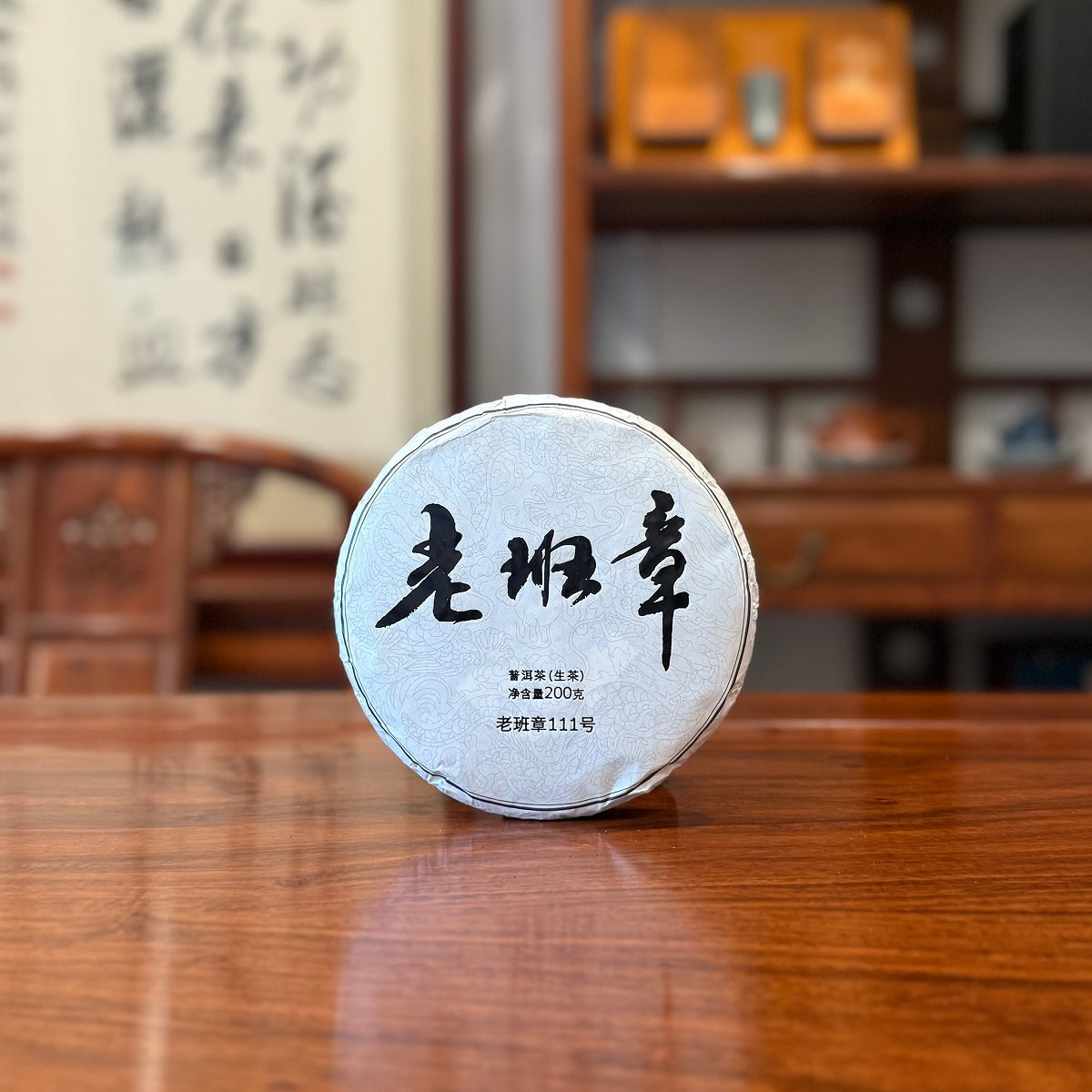
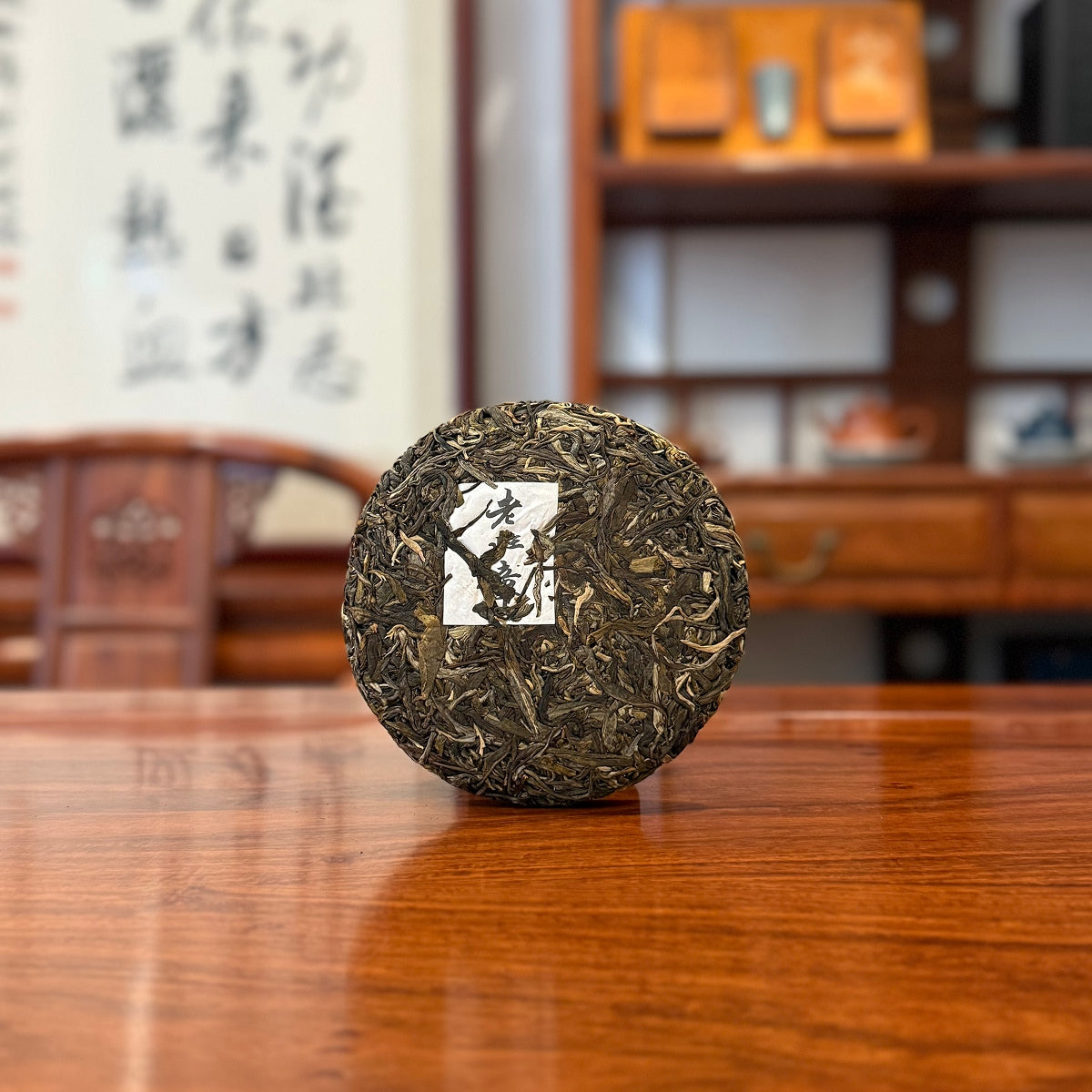
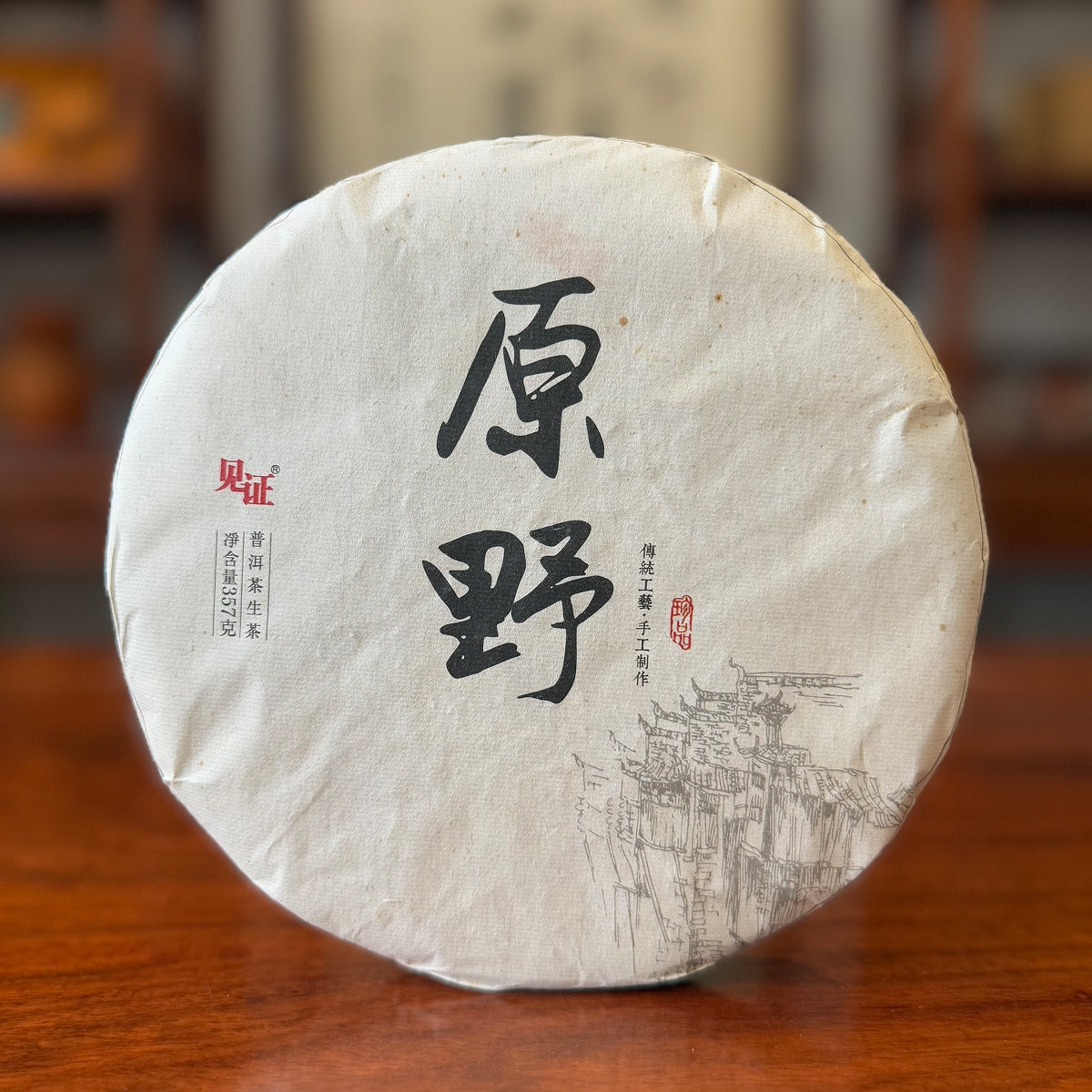
Pu-erh Tea Cake

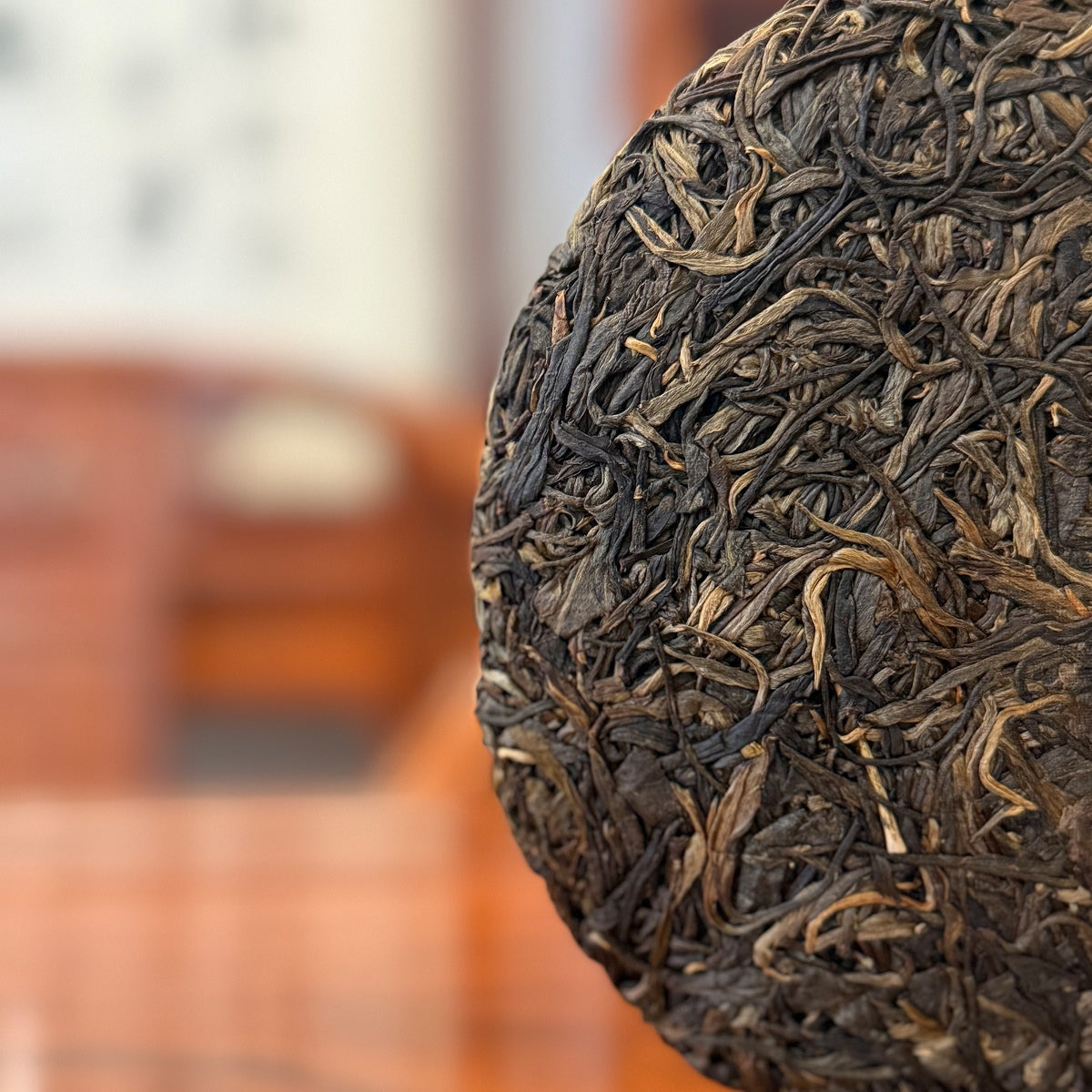
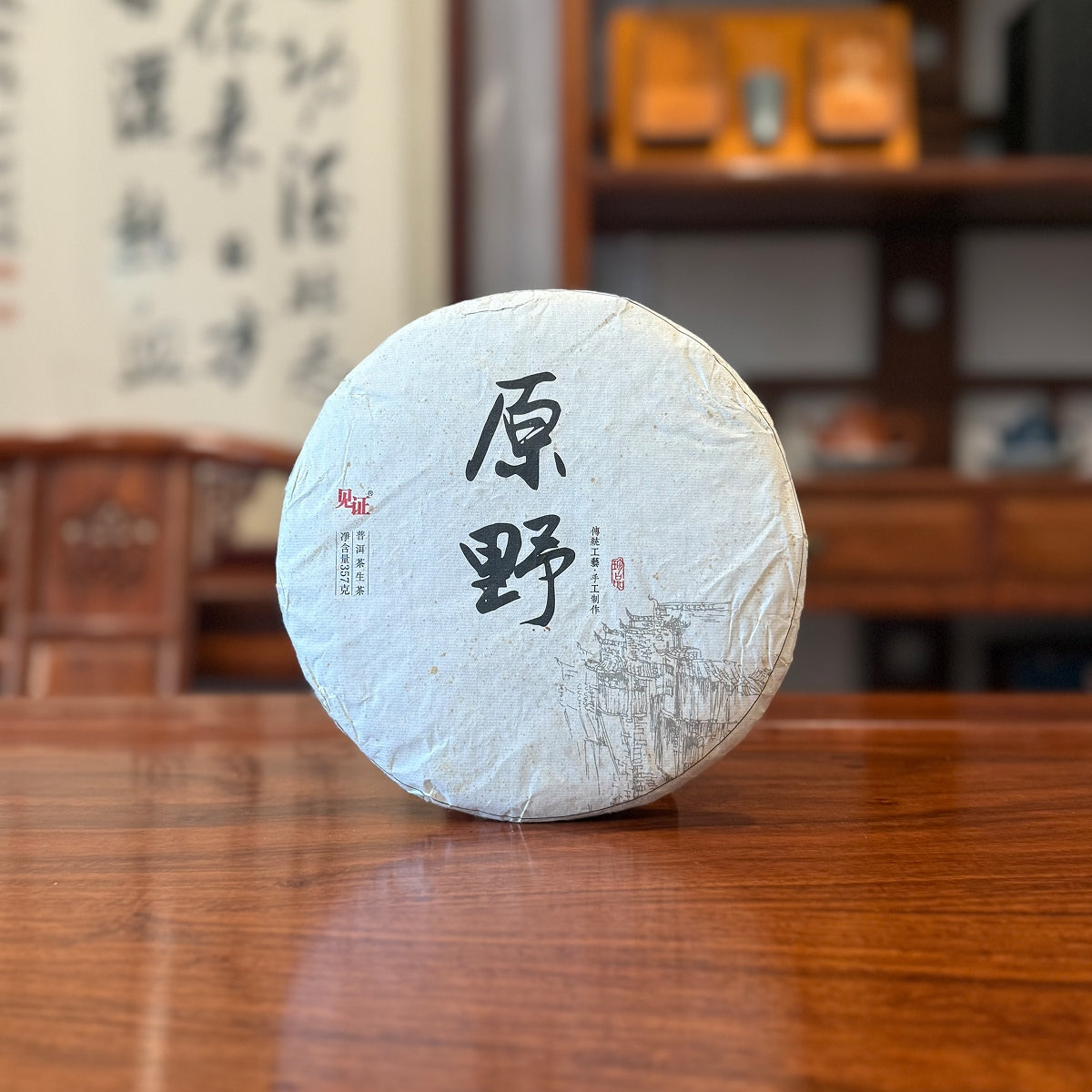
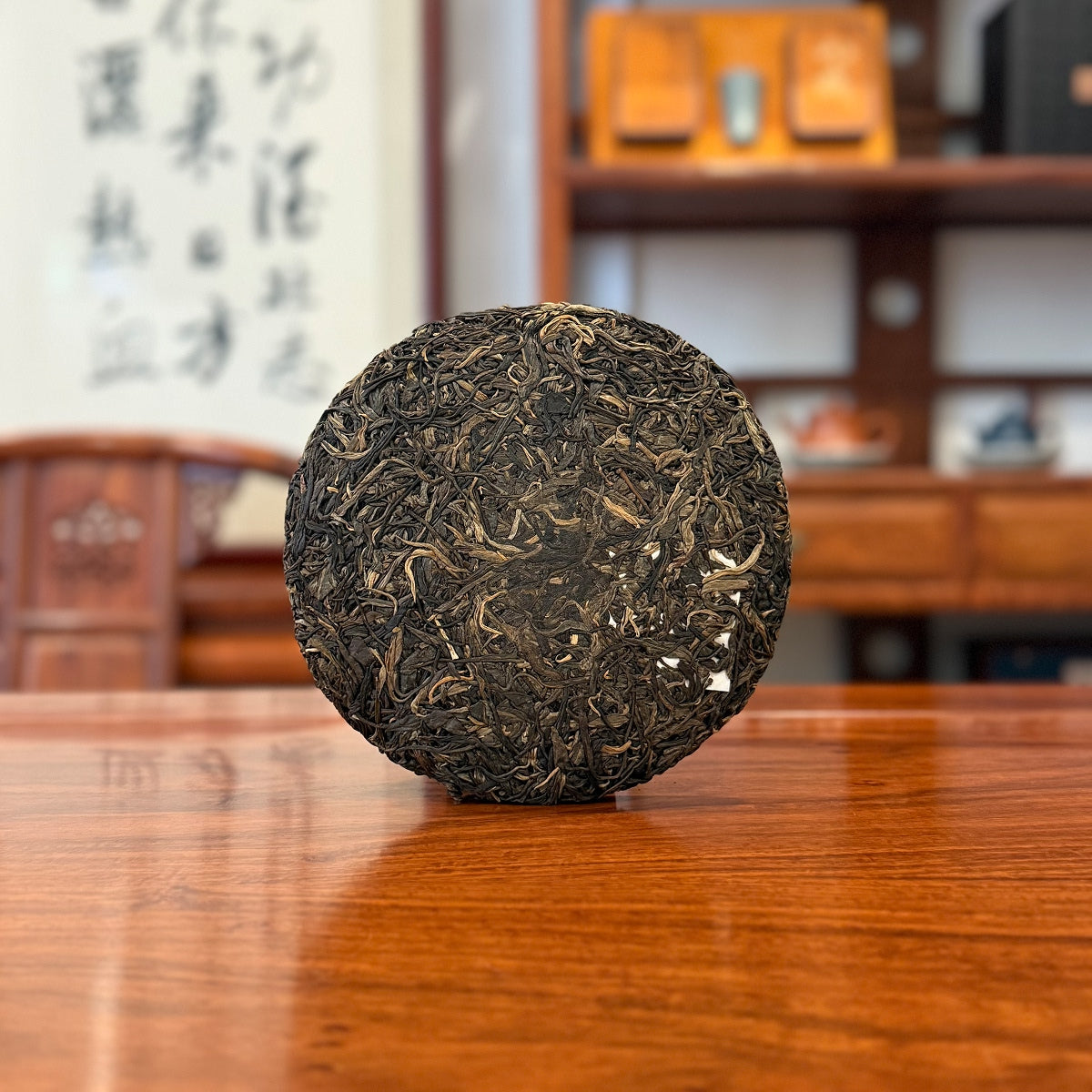
Authentic Yunnan Pu-erh tea pressed into traditional cakes — not merely a shape, but a timeless expression of Pu-erh craftsmanship.
Featuring both raw and ripe Pu-erh cakes, this collection presents each product with authentic photography and accurate descriptions to help you choose with confidence.

Skip to results list

Active filters:

40 items

Filter

Active filters:

  • 2012 Raw Pu-erh Tea Cake

    2012 Raw Pu-erh Tea Cake

    Yunnan Pu-erh (Pu’er)

    $62.00
  • 2012 Yunnan Lincang Mengku Raw Pu-erh Tea Cake

  • 2023 Single Tree Lao Ban Zhang Raw Pu-erh Tea Cake

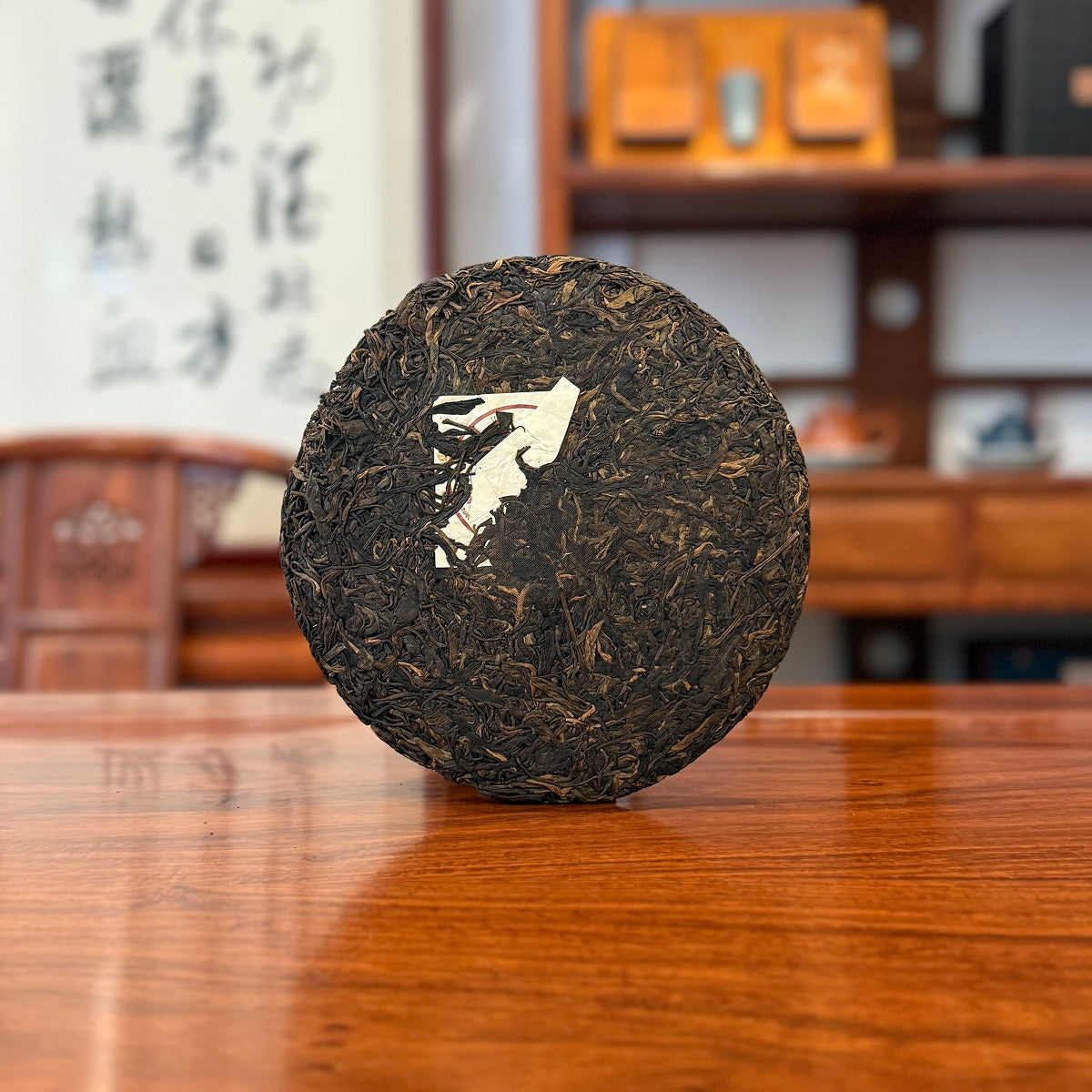
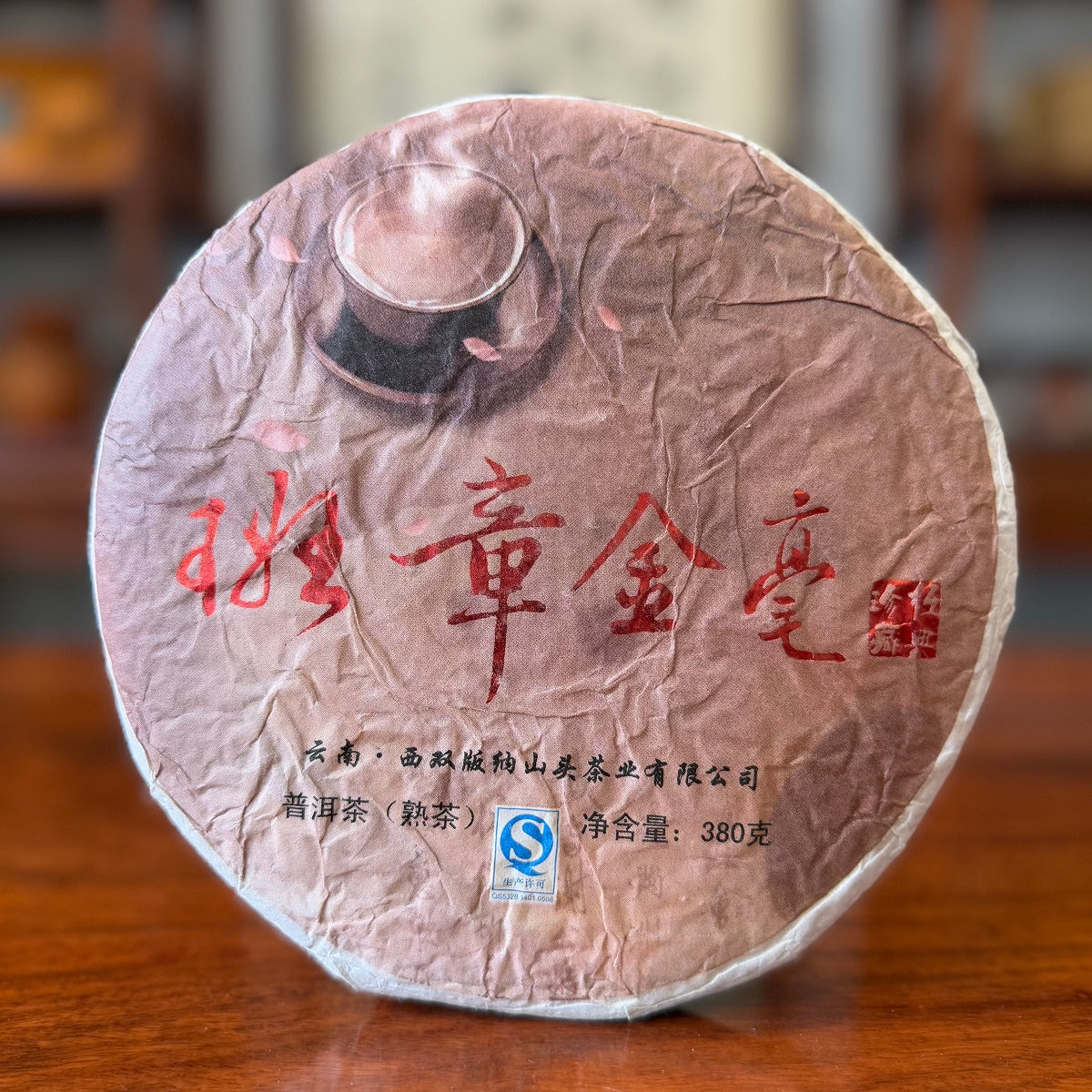
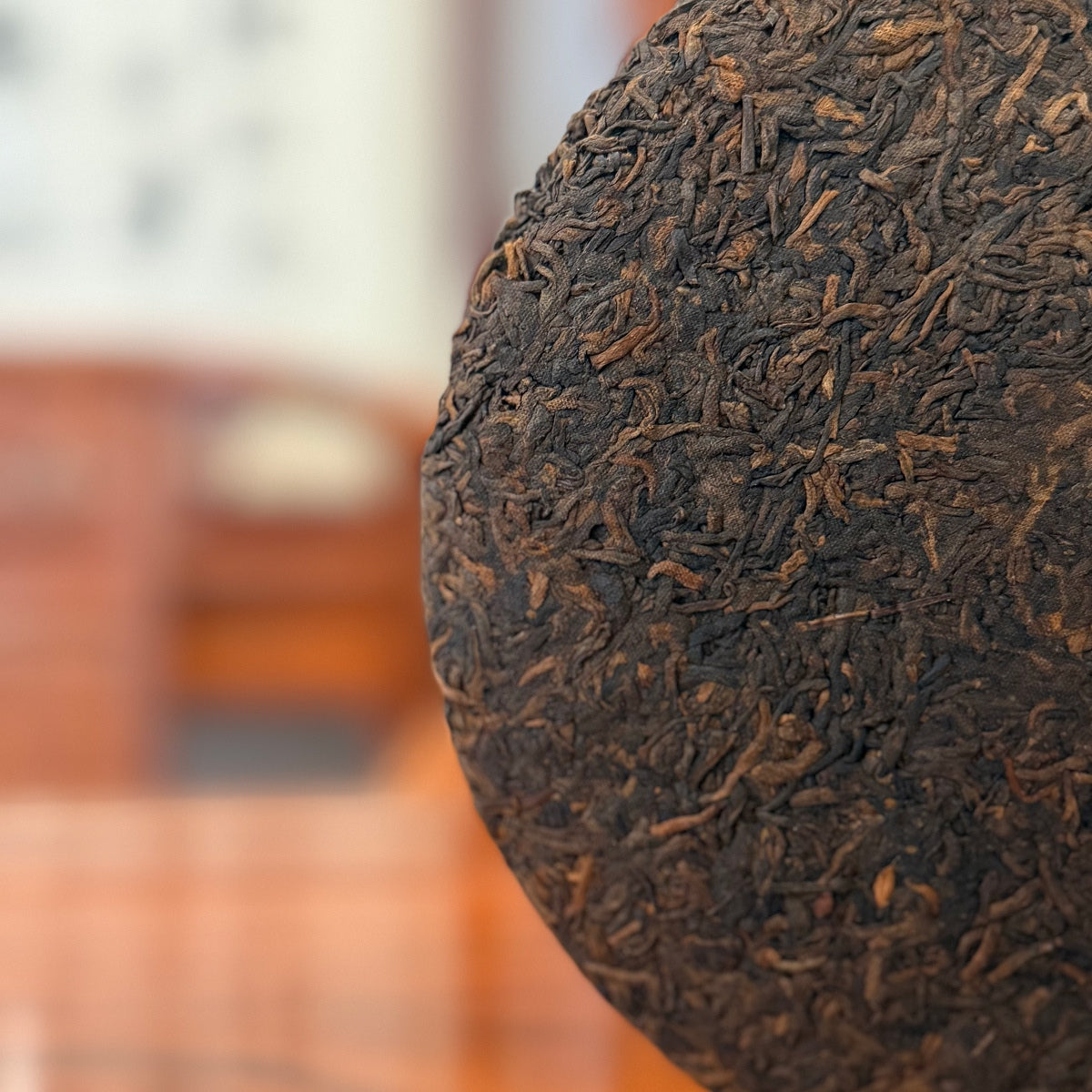
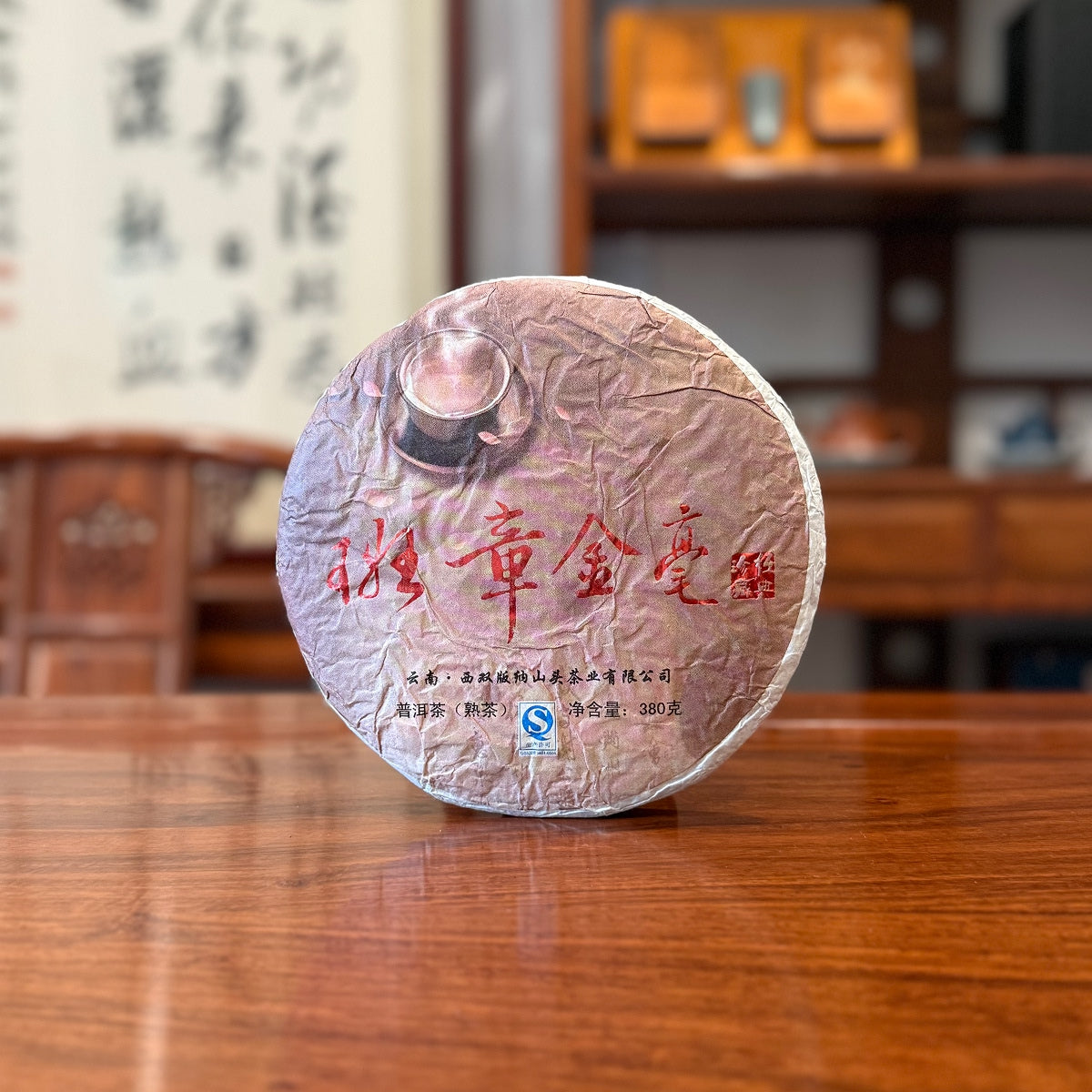
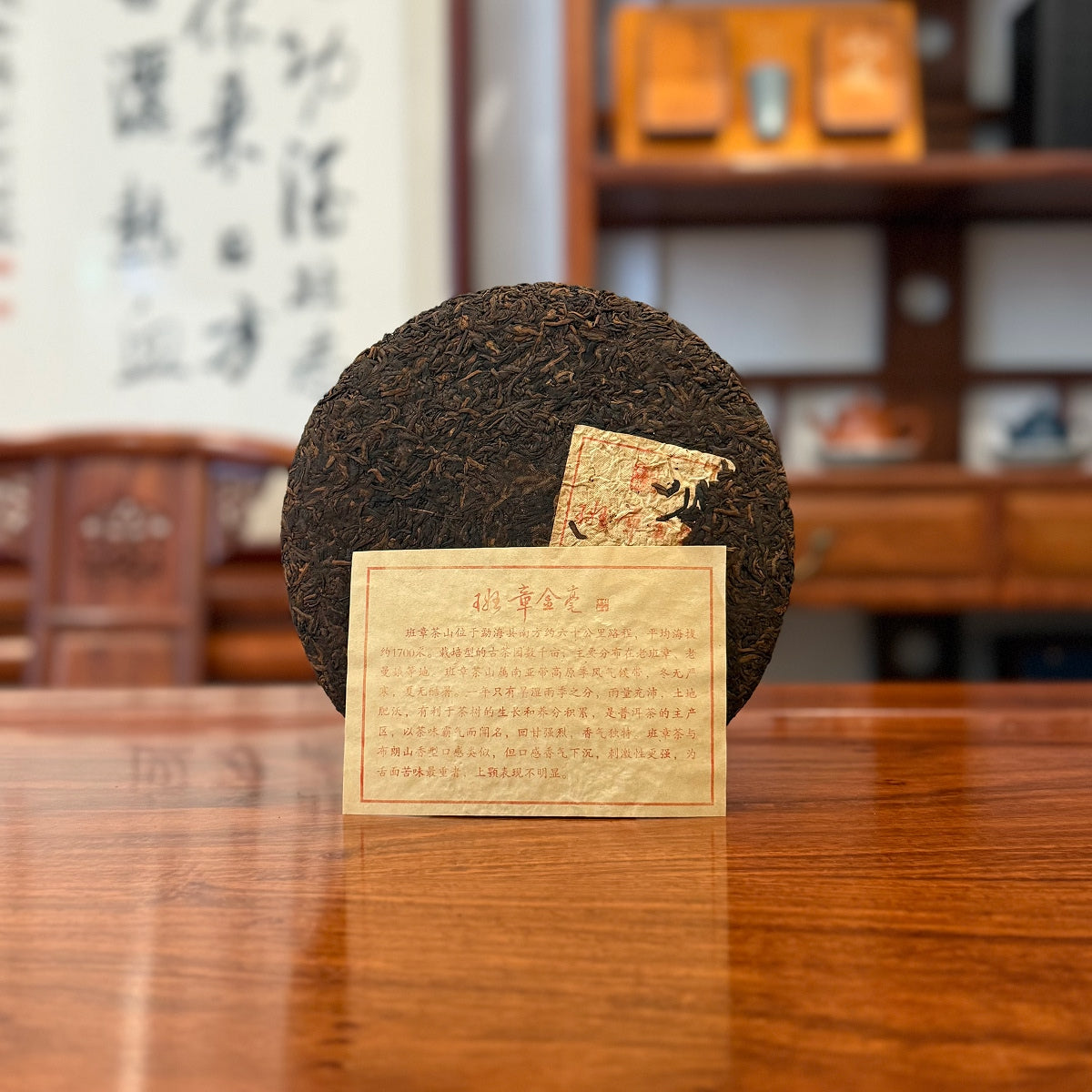
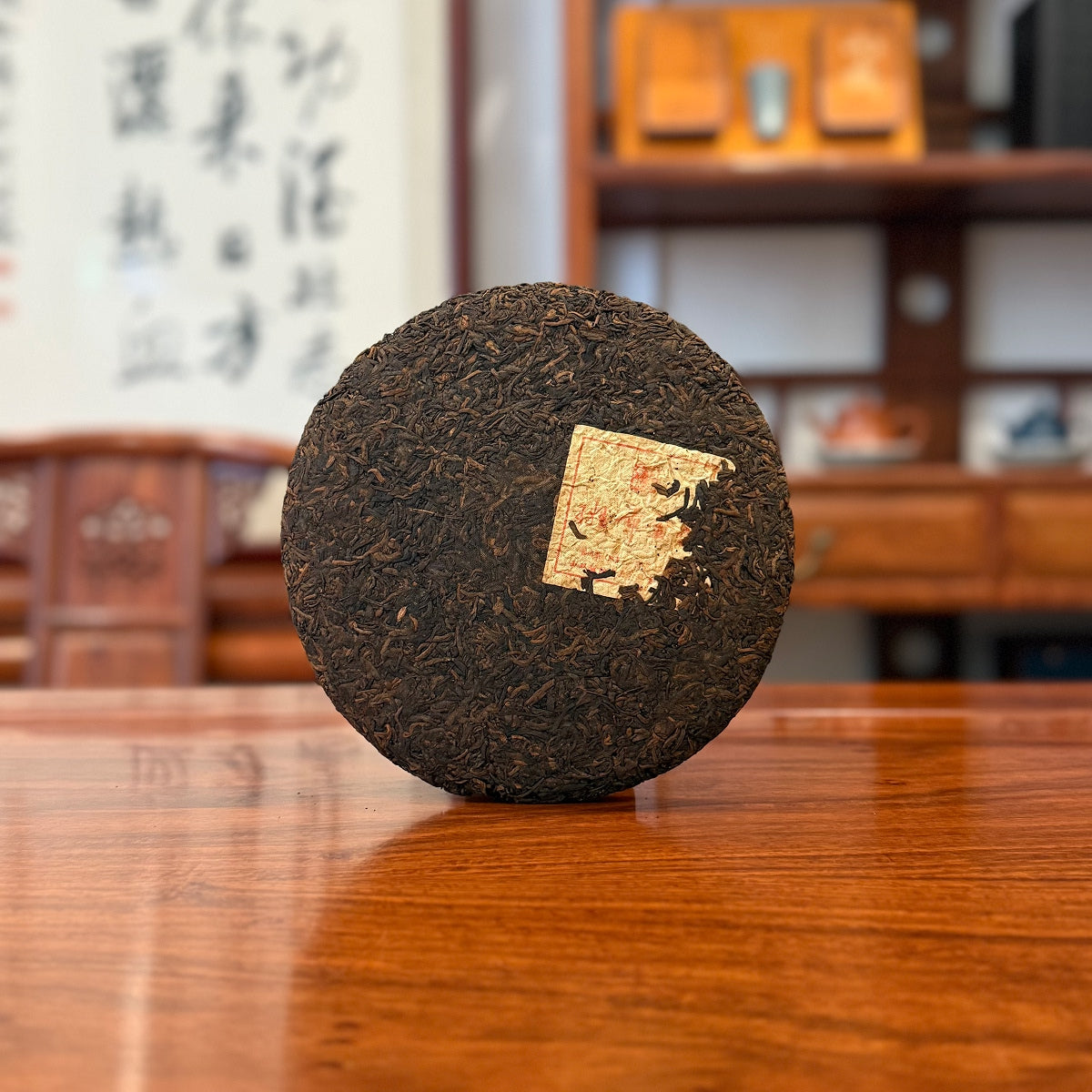
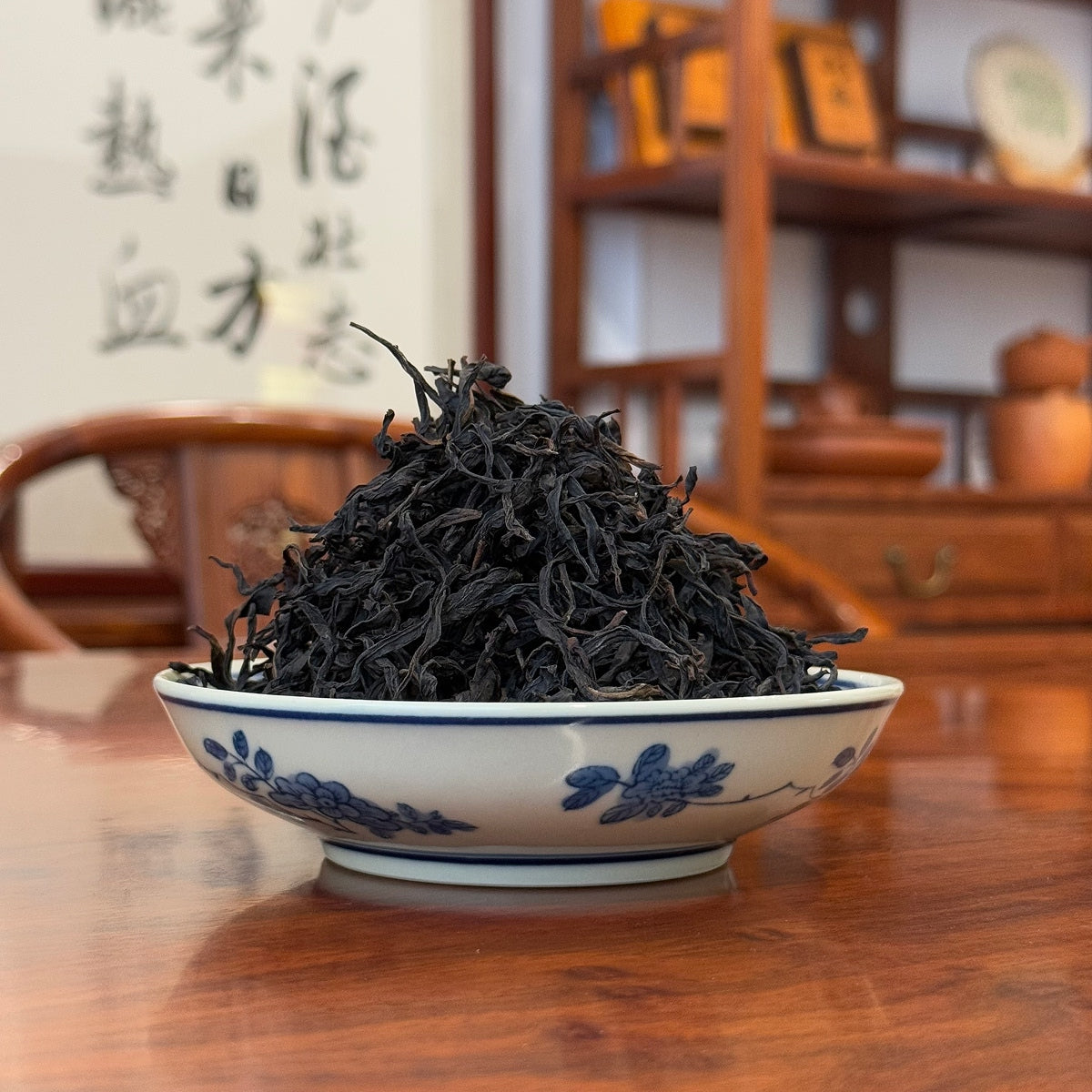
  • 2019 Lao Ban Zhang Golden Tips Ripe Pu-erh Tea Cake

  • 2019 Wilds Raw Pu-erh Tea Cake

    2019 Wilds Raw Pu-erh Tea Cake

    Yunnan Pu-erh (Pu’er)

    $199.00
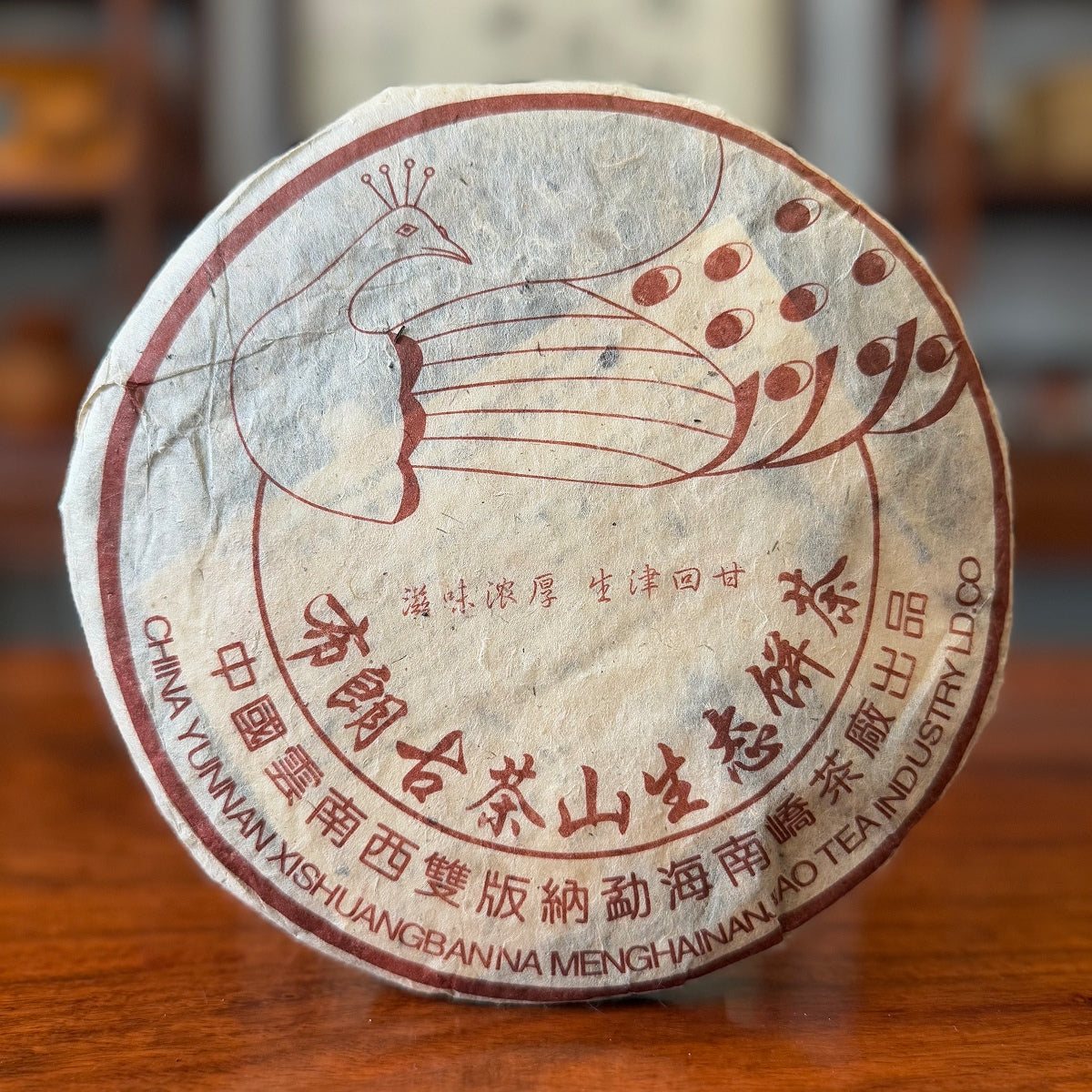
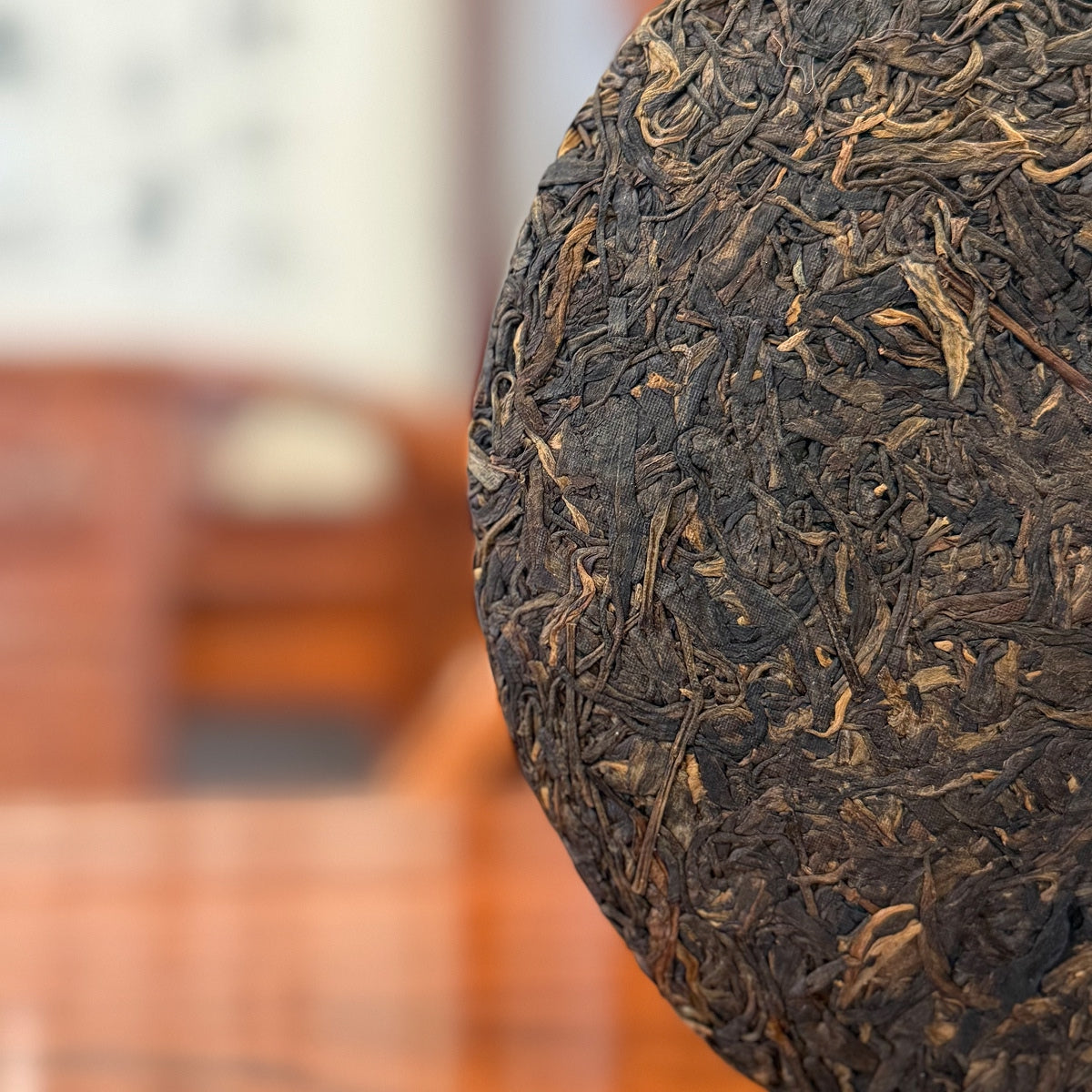
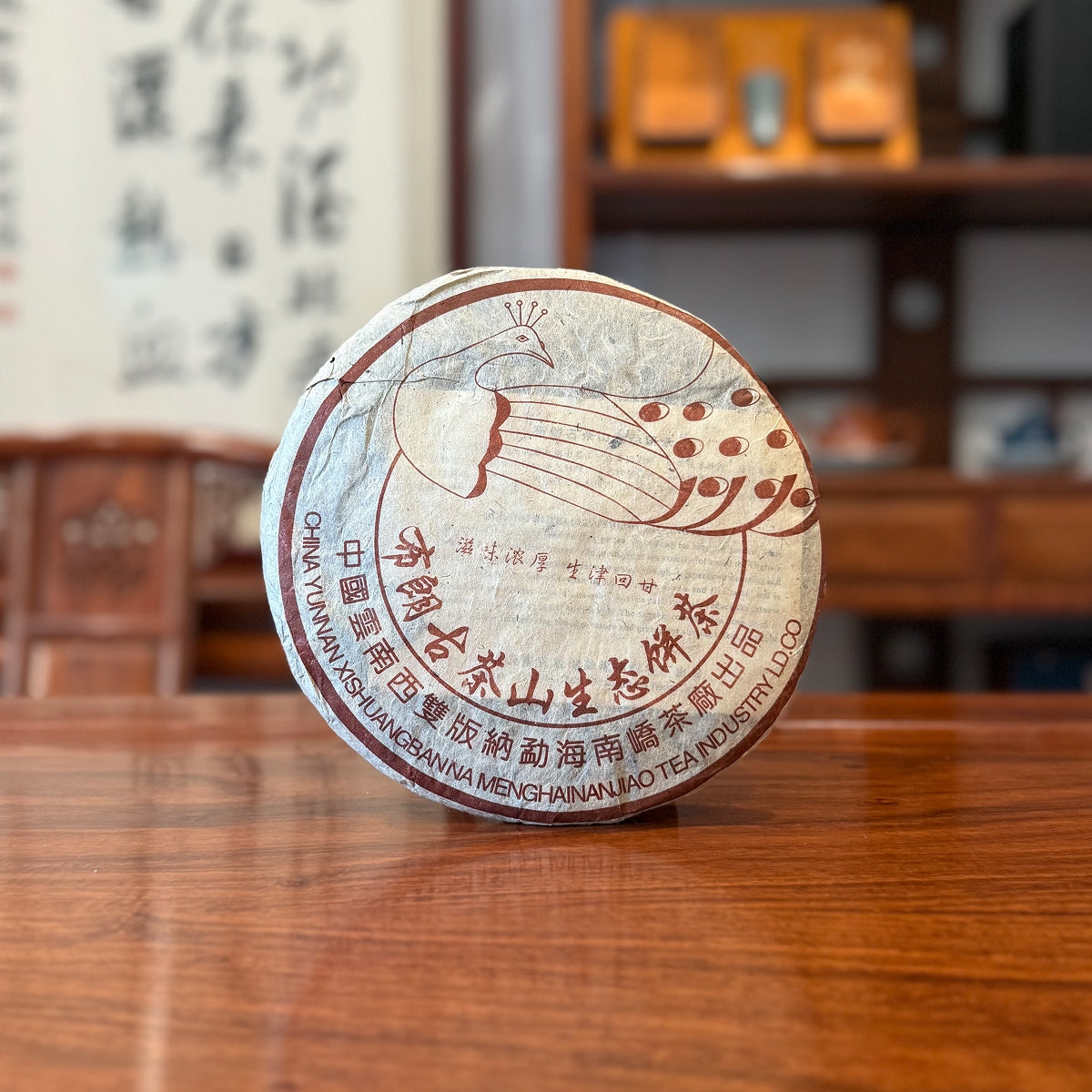
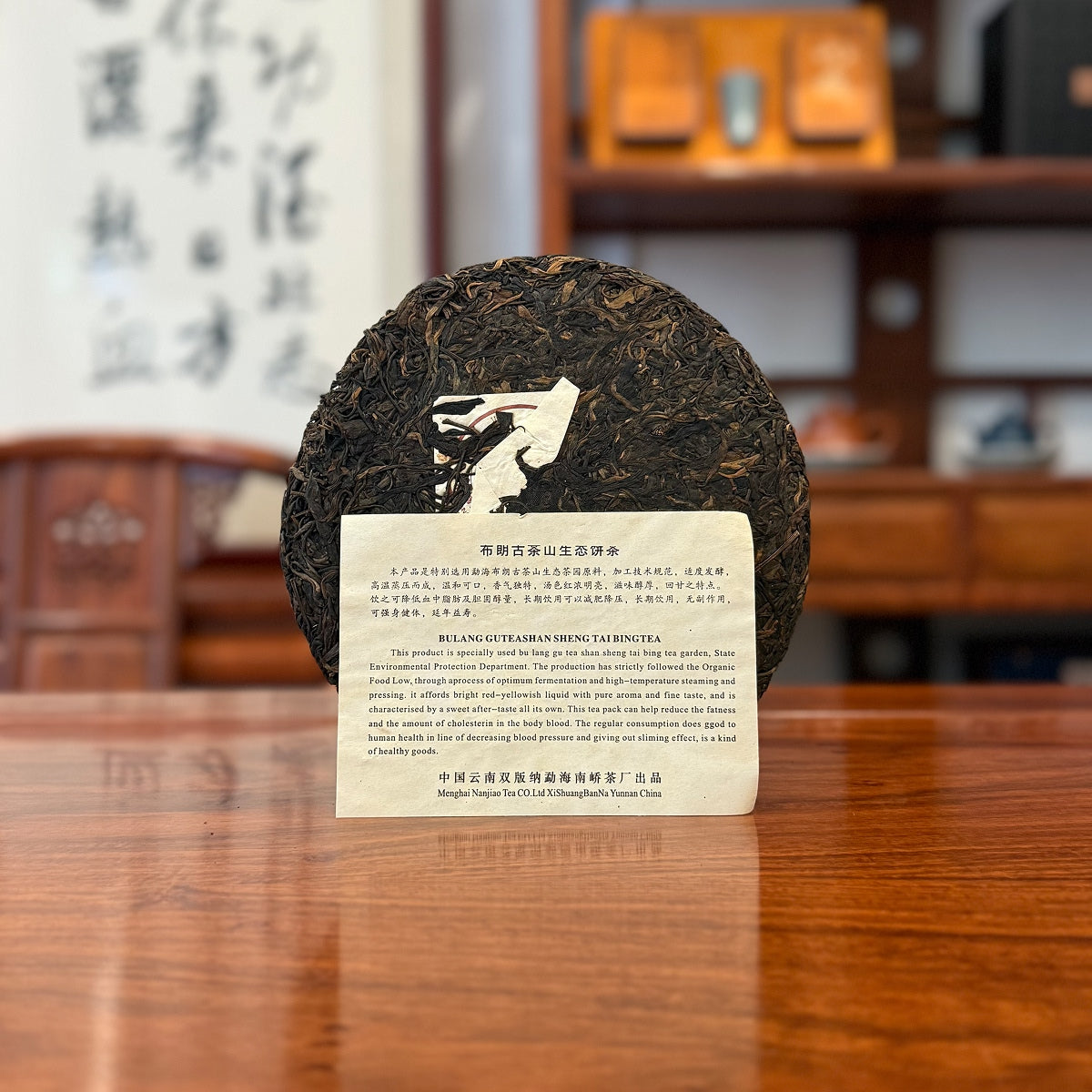
  • 2003 Bulang Mountain Raw Pu-erh Tea Cake

    2003 Bulang Mountain Raw Pu-erh Tea Cake

    Yunnan Pu-erh (Pu’er)

    $900.00
  • 2020 Wan Gong Raw Pu-erh Tea Cake

    2020 Wan Gong Raw Pu-erh Tea Cake

    Yunnan Pu-erh (Pu’er)

    $299.00
  • 2017 Ming Qian Raw Pu-erh Tea Cake

    2017 Ming Qian Raw Pu-erh Tea Cake

    Yunnan Pu-erh (Pu’er)

    $78.00
  • 2017 Xigui "Gu Yun" Raw Pu'er Tea Cake

    2017 Xigui "Gu Yun" Raw Pu'er Tea Cake

    Yunnan Pu-erh (Pu’er)

    $69.00
  • 2013 Yiwu Ancient Tree Pure Material Pu'er Tea Cake

  • 2009 Xigui Raw Puerh Tea Cake

    2009 Xigui Raw Puerh Tea Cake

    Yunnan Pu-erh (Pu’er)

    $368.00
  • 2017 Golden Charm Raw Pu'er Tea Cake

    2017 Golden Charm Raw Pu'er Tea Cake

    Yunnan Pu-erh (Pu’er)

    $228.00
  • 2019 Ripe Pu-erh Tea Brick

    2019 Ripe Pu-erh Tea Brick

    Yunnan Pu-erh (Pu’er)

    $49.90
  • 2008 Big Snow Mountain Aged Raw Pu-erh Tea Cake

  • 2008 Ban Zhang Golden Tips Ripe Pu-erh Tea Cake

  • 2015 Xishuangbanna Raw Pu-erh Tea Cake

    2015 Xishuangbanna Raw Pu-erh Tea Cake

    Yunnan Pu-erh (Pu’er)

    $99.00

Signature Teas

View all
What Is a Pu-erh Tea Cake and Why Is It Traditionally Compressed?

What Is a Pu-erh Tea Cake?

In the modern Pu-erh tea market, a Pu-erh tea cake commonly refers to round-shaped compressed Pu-erh tea. In a broader sense, compressed Pu-erh tea includes raw (Sheng) Pu-erh tea cakes, ripe (Shou) Pu-erh tea cakes, as well as other forms such as tea bricks and tuocha.
Before the development of wet-piling fermentation in 1973, modern ripe Pu-erh tea had not yet emerged. At that time, traditional Pu-erh tea was mainly produced and traded in compressed forms, with round Pu-erh tea cakes being the most common style. The steaming and pressing process was an essential step in transforming Yunnan large-leaf sun-dried raw tea into traditional compressed Pu-erh tea cakes.
After wet-piling fermentation was developed in 1973, modern ripe Pu-erh gradually began to develop and was initially produced mainly in loose-leaf form. As a result, loose ripe Pu-erh and compressed Pu-erh tea cakes began to coexist in the market.
In traditional Pu-erh production, loose raw Pu-erh tea before steaming and pressing is generally classified as Yunnan large-leaf sun-dried raw tea (Mao Cha), which serves as the primary material for producing compressed Pu-erh tea cakes.

The Evolution From Loose Tea to Compressed Tea

Following the implementation of the 2008 national standard for “Geographical Indication Product Pu-erh Tea,” the definition of Pu-erh tea was further clarified. Qualified refined raw loose tea was also officially included within the category of Pu-erh tea products.
Today, among tea professionals and collectors, some still use the term “sun-dried raw tea” to distinguish the original loose tea material from traditionally compressed Pu-erh tea cakes.
Therefore, when exploring traditional Pu-erh tea, compressed forms remain the most representative expression, with the round Pu-erh tea cake being the most classic and widely recognized form.

Why Is Pu-erh Tea Pressed Into Cakes Instead of Sold Loose?

Why Is Pu-erh Tea Pressed Into Cakes?

Throughout thousands of years of Chinese tea history, Pu-erh tea cakes were not the earliest form of compressed tea. As early as the mid-Tang Dynasty (around 760 AD), Lu Yu’s The Classic of Tea recorded the production of “cake tea” (Tuan Cha). At that time, tea leaves were steamed, crushed, and pressed into cake shapes for easier storage.
What makes Pu-erh tea unique is that it has preserved this ancient form and given it new meaning. Pu-erh tea cakes were originally created mainly to meet the needs of long-distance transportation and storage. However, through the rich characteristics of Yunnan large-leaf tea and traditional processing techniques, this simple form gradually developed its own unique value.

How Traditional Pressing Shapes Pu-erh Tea Cakes

Let us take a closer look at how this traditional process helped create the Pu-erh tea cakes we know today.
Before being shaped, Yunnan large-leaf sun-dried raw tea (loose-leaf Pu-erh) must first undergo high-temperature steaming. This softens the tea leaves, allowing them to be pressed into shape.
During this process, the structure and storage conditions of the tea are changed, creating favorable conditions for enzymatic reactions, oxidation, and microbial activity during long-term aging. Over time, these natural transformations gradually reshape the aroma, flavor, and character of Pu-erh tea cakes.

Why Pressed Pu-erh Tea Cakes Age Differently

Compared with loose-leaf Pu-erh, pressed Pu-erh tea cakes have slower contact with air, allowing internal changes to occur at a more gradual and balanced pace.
During long-term storage, the tea develops in a more stable manner, allowing aromas and flavors to slowly integrate.
For this reason, although loose-leaf Pu-erh can often show noticeable changes within a shorter period, many experienced tea drinkers still appreciate Pu-erh tea cakes for their slower and more balanced transformation.
Over time, this process can create deeper flavors, richer texture, and a more complex aged character — one of the unique charms that time brings to Pu-erh tea.

The Timeless Value of Compressed Pu-erh Tea

Compressed tea was originally created thousands of years ago for transportation and storage, while today’s Pu-erh tea cakes reveal their value through long-term aging.
The same form carries different meanings across different eras, allowing this ancient tea tradition to continue into the modern world.

Why Are Pu-erh Tea Cakes the Classic Form of Traditional Pu-erh Tea?

Why Pu-erh Cakes Represent Traditional Pu-erh Tea

The world of compressed Pu-erh tea is far richer than many people imagine. Besides the most common round Pu-erh cakes, there are square tea bricks, bowl-shaped tuocha, and smaller forms such as Dragon Balls and mini cakes, which have become increasingly popular in recent years for their convenience.
Each form has its own characteristics and is suited to different drinking occasions.

Why Pu-erh Cakes Became the Classic Form

However, among the many compressed forms, Pu-erh cakes have always held the most representative position.
When discussing traditional Pu-erh tea cakes, it is impossible to overlook the classic name “Yunnan Qizi Cake” (Seven Sons Cake), a name that has become one of the most recognizable symbols of Pu-erh cakes.
This name combines geographical origin, shape, and traditional packaging methods, gradually becoming an important cultural symbol associated with Pu-erh cakes.

The Meaning Behind “Yunnan Qizi Cake”

“Yunnan” — The Connection Between Origin and Tradition

“Yunnan” represents the geographical origin and reflects the deep connection between Pu-erh cakes, Yunnan large-leaf tea varieties, and traditional sun-drying techniques.

“Qizi” (Seven Sons) — A Symbol of Packaging and Culture

“Qizi” (Seven Sons) comes from the traditional packaging method of placing seven tea cakes together as one bundle.
This format was not only practical for transportation but also carried cultural meaning. In Chinese tradition, “seven sons” is often associated with family unity, prosperity, and good fortune.
From the Qing Dynasty to the Republic of China period (approximately 1644–1949 AD), Qizi Cakes were mainly transported through tea trade routes to Southeast Asia, Hong Kong, Macao, and Taiwan, becoming a familiar traditional tea for many overseas Chinese communities.

“Cake” — The Most Classic Compressed Form

“Cake” refers to the round shape, which remains the most classic and well-preserved form among compressed Pu-erh teas.
From the round tribute teas of the Qing Dynasty to the widespread use of the name “Yunnan Qizi Cake Tea” in the 1970s, this traditional form has witnessed the transformation of Pu-erh cakes from historical trade goods into modern collectible teas.

The Cultural Meaning of Yunnan Qizi Cake

The name “Yunnan Qizi Cake” represents far more than a product name.
It carries the identity of origin, shape, history, and cultural memory. It explains why, among all compressed tea forms, Pu-erh cakes remain the most representative expression of traditional Pu-erh tea.
For this reason, we regard Yunnan Qizi Cake as the classic symbol of traditional Pu-erh cakes.
A Pu-erh cake is a form shaped by both time and history.
Continuing this tradition, the standard 357g Yunnan Pu-erh cakes offered by Chinese Tea Group follow the classic Qizi Cake specification, allowing every tea cake to carry forward traditional Pu-erh production methods and cultural heritage.

How to Choose Authentic Pu-erh Tea Cakes?

How to Choose Pu-erh Tea Cakes?

Through the previous three sections — “What Is a Pu-erh Tea Cake?”, “Why Is Pu-erh Tea Pressed Into Cakes?”, and “Why Pu-erh Cakes Represent Traditional Pu-erh Tea?” — we have gradually explored the origins, processing methods, and historical significance of Pu-erh tea cakes.
After understanding why tea cakes were created and why this form has continued through generations, the next practical question is: with so many Pu-erh tea cakes available on the market, how should we choose?

Check the Origin and Raw Materials

When purchasing Pu-erh tea cakes, the first thing to consider is whether the origin and raw materials meet recognized standards.
Not every tea produced in every region can be called Pu-erh tea. The geographical indication protection area for Pu-erh tea is located within specific regions of Yunnan Province, China, covering 11 prefecture-level cities, and the primary raw material must come from Yunnan large-leaf tea varieties.
Botanically, Yunnan large-leaf tea belongs to Camellia sinensis var. assamica, the Assam variety of the tea plant.
Through thousands of years of natural evolution and cultivation, it has developed unique internal characteristics that contribute to the distinctive flavor and long-term aging potential of Pu-erh tea cakes.

Understand Traditional Pu-erh Tea Processing

Once the origin and raw materials meet the required standards, the next important factor is whether traditional processing methods are followed.
Fresh tea leaves are sun-dried, rolled, and dried to produce sun-dried raw tea (Mao Cha), which then follows different production paths:

  • Raw Pu-erh Tea Cakes are typically steamed and pressed into shape.
  • Ripe Pu-erh Tea Cakes undergo wet-piling fermentation before pressing.
  • Only after these key steps can traditional Pu-erh tea cakes be formed.

Consider the Importance of Storage

Many people believe that the price of Pu-erh tea cakes mainly depends on factors such as raw material origin (mountain region), age, and rarity.
However, one important factor is often overlooked — storage.
Unlike many other types of tea, Pu-erh tea develops much of its value through the passage of time. Traditional compressed Pu-erh tea cakes, especially aged ones, require years of storage space and continuous management from the fresh tea stage to maturity.
During this process, several factors gradually become part of the value of each Pu-erh tea cake:

  • Warehouse space required for long-term storage
  • Environmental maintenance to protect tea quality
  • Time investment during the aging process
  • Professional management and care

Why Professional Storage Matters

Proper storage is not simply leaving tea untouched while waiting for years to pass.
It requires maintaining a suitable environment with stable temperature and humidity, protecting the tea from moisture, unwanted odors, and environmental changes.
At the same time, years of storage also represent long-term capital investment and unavoidable risks.
Therefore, the value of an aged Pu-erh tea cake comes not only from the tea itself, but also from the years of time, space, and professional management invested throughout the aging process.

Age Is Important, But Not the Only Factor

Of course, age alone does not determine the value of Pu-erh tea.
The true quality of Pu-erh tea cakes depends on the foundation of the raw material, production techniques, storage conditions, and the final expression of aroma, flavor, and aged character.
When encountering aged Pu-erh tea cakes offered at prices far below normal market levels, consumers should carefully consider the authenticity of the claimed age and the actual storage conditions.

Choose Transparent and Reliable Sources

For these reasons, we always recommend purchasing Pu-erh tea cakes through reliable and transparent sources.
The Yunnan Qizi Cakes offered through the Chinese Tea Group official website follow relevant Pu-erh tea standards, with product information clearly presenting raw material sources, production methods, and storage details.
We believe that tea taste is highly personal, and every tea drinker has their own preferences.
However, providing honest and accurate information about a tea’s origin, production, quality, and characteristics is our fundamental commitment to every customer.
Welcome to explore our Pu-erh Tea Cake collection.
These teas are carefully selected from products that have earned recognition through our physical tea shops and tea houses in China, and are now presented in our online store for tea lovers around the world.