

No Secrets
The Terroir Speaks Through Every Leaf


Lapsang Souchong Black Tea (Zheng Shan Xiao Zhong) – Classic

Lapsang Souchong (Zheng Shan Xiao Zhong) is celebrated as the world’s first black tea. This fully fermented tea is defined in China as “red tea” and dates back to the late Ming Dynasty (1600–1644).
According to legend, a passing army once camped overnight in the Wuyi Mountains of northern Fujian. The soldiers used freshly plucked tea leaves as bedding, and the leaves fermented overnight from their body heat.
To salvage the harvest, local farmers dried the leaves over pinewood fires, which imparted a distinctive smoky aroma. This became the prototype of Lapsang Souchong black tea.
Since then, the Wuyi Mountains have remained the only authentic origin of Zheng Shan Xiao Zhong. The region’s unique terroir and traditional processing combine to produce a tea with the following distinctive characteristics:
Producing this loose-leaf black tea today is more challenging than ever. As the Wuyi Mountains are now a national nature reserve, cutting down pine trees is prohibited.
Tea masters must trek into the forest to collect scattered fallen pinewood—ensuring that each batch preserves the pure, classic pine smoke character.
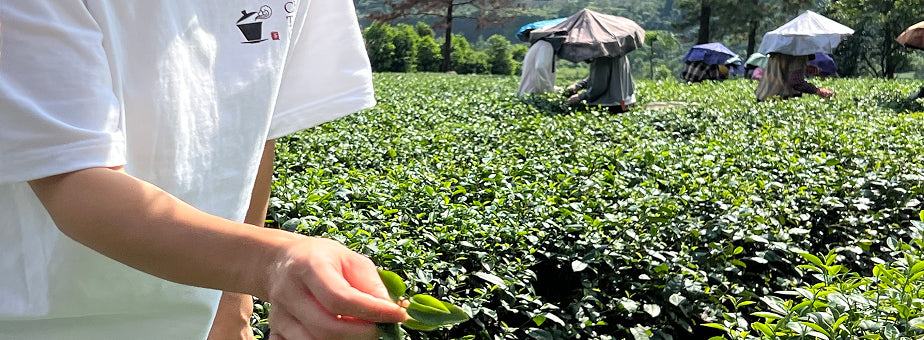
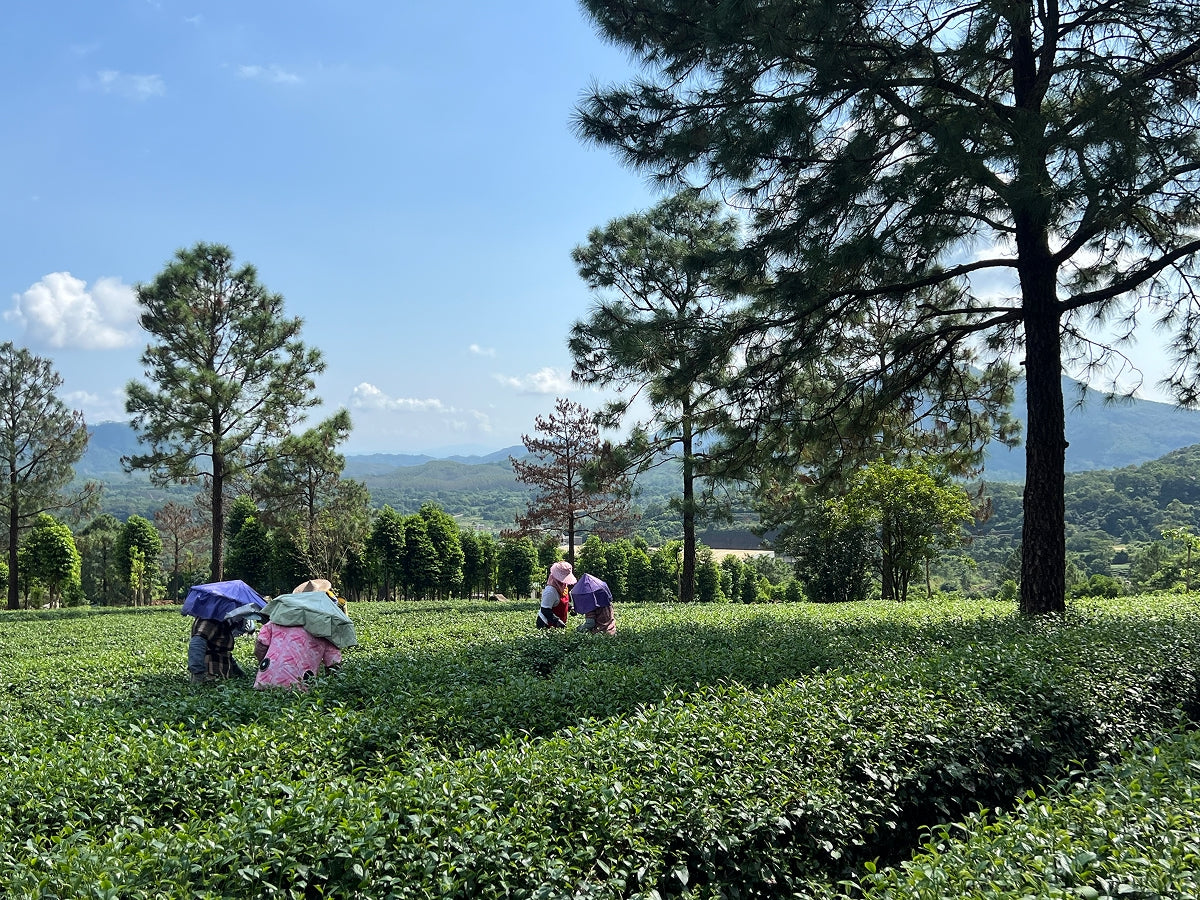
Our Lapsang Souchong Black Tea – Classic comes from the same family-owned tea garden as our Spring Harvest edition. This multi-generational tea family follows traditional, eco-conscious farming—no pesticides or chemical fertilizers.
They rely on fertile soil and careful pruning to allow natural growth, protecting the land inherited from their ancestors for future generations.
The tea garden is long and narrow, with altitudes ranging from about 800 to 1,200 meters, and its narrowest section measuring only 19 meters. This layout allows for a multi-altitude harvest, meaning leaves from different elevations are blended in each batch, resulting in a more complex tea with a deeper, more solid aromatic foundation.
The family-owned tea garden has partnered with Chinese Tea Group’s physical stores for over seven years, ensuring stable flavor and preserving traditional character.
We believe in transparency. Product photos taken at the tea house clearly show the differences between these two styles.
Among traditionally crafted teas from the authentic Wuyi core, our Lapsang Souchong Black Tea (Zheng Shan Xiao Zhong) – Classic offers outstanding value.
It allows you to enjoy a legendary tea that spans four centuries—every day.
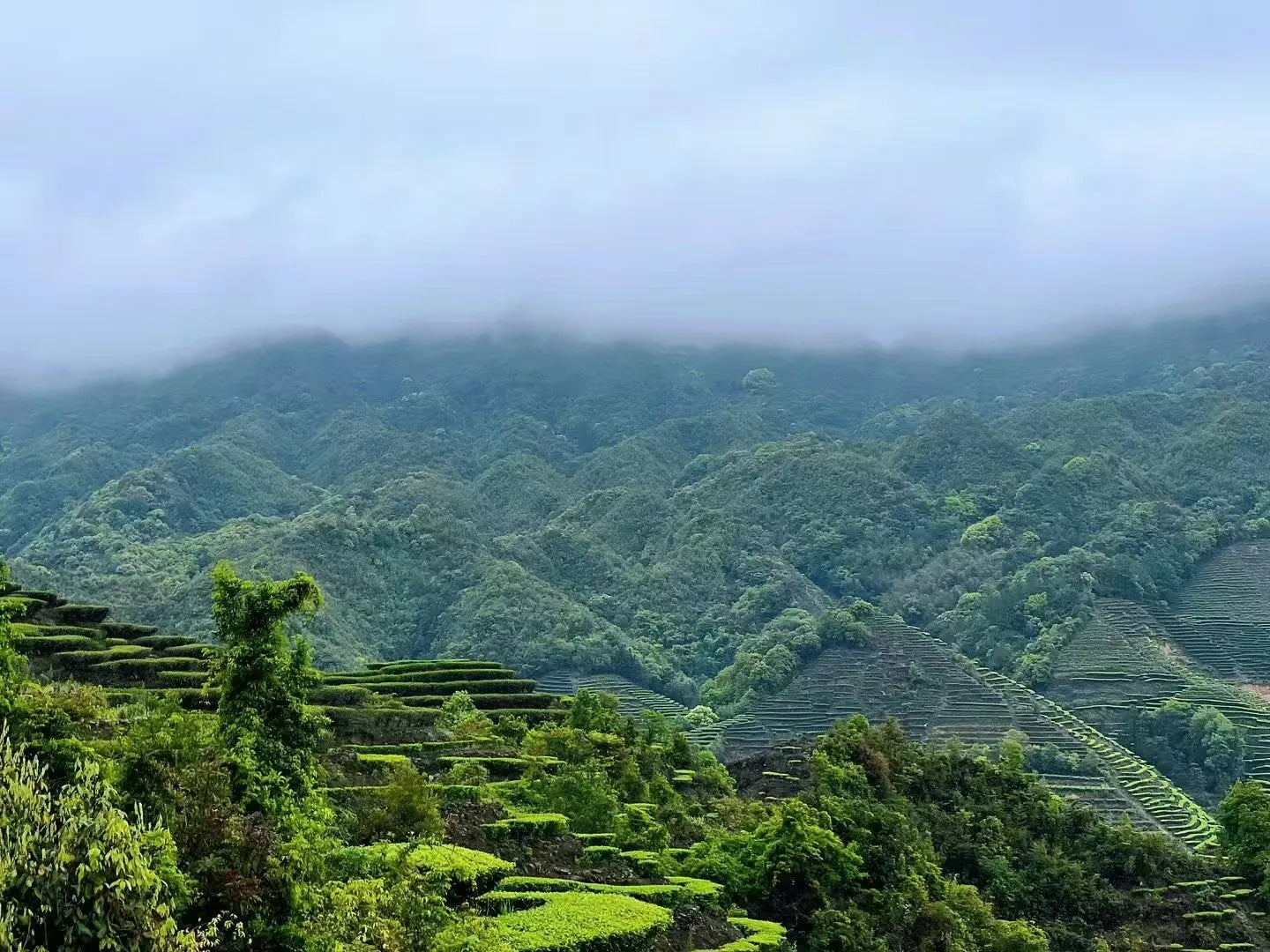
The Terroir Speaks Through Every Leaf
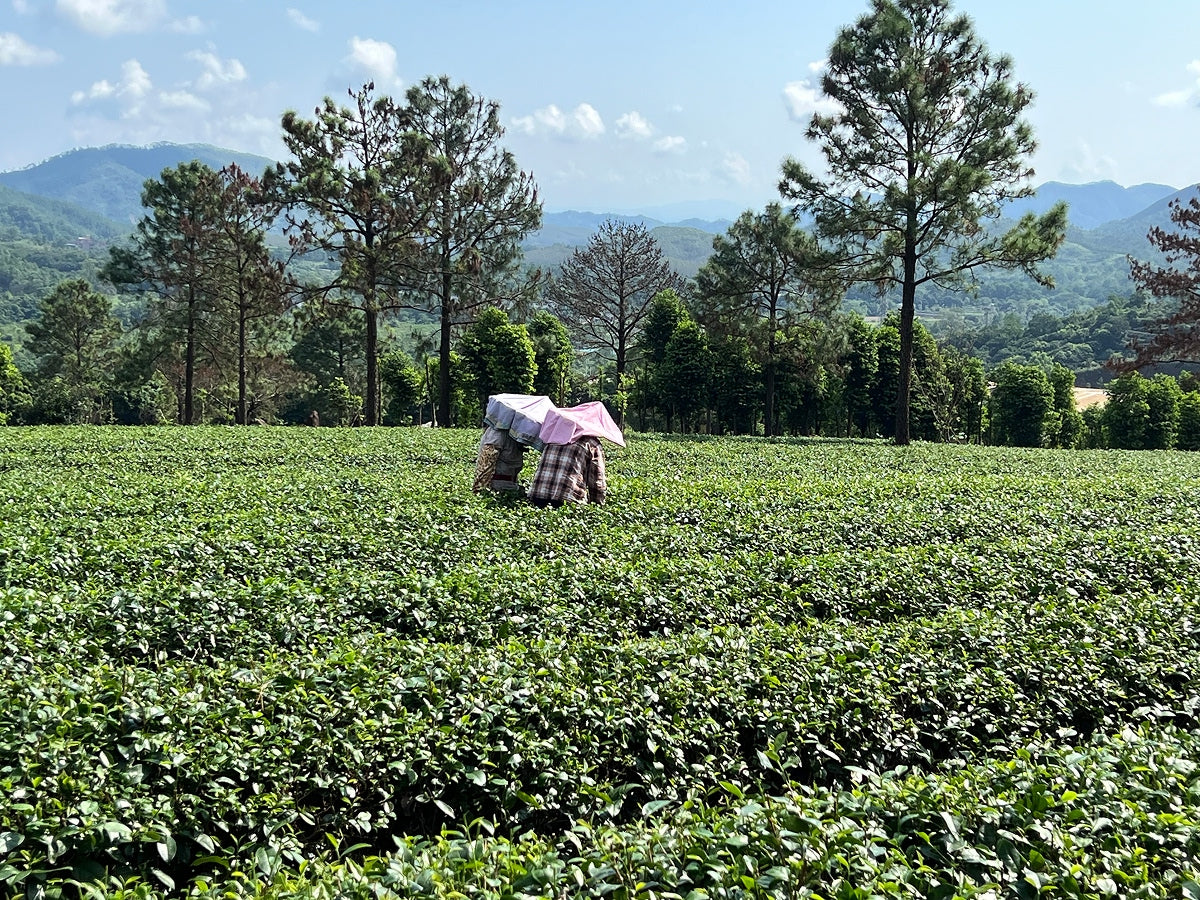
Origin isn’t just a label — it’s the soul of the tea.
It is the land and the tea trees tended by generations of tea farmers, a living heritage passed down through time in harmony with nature.
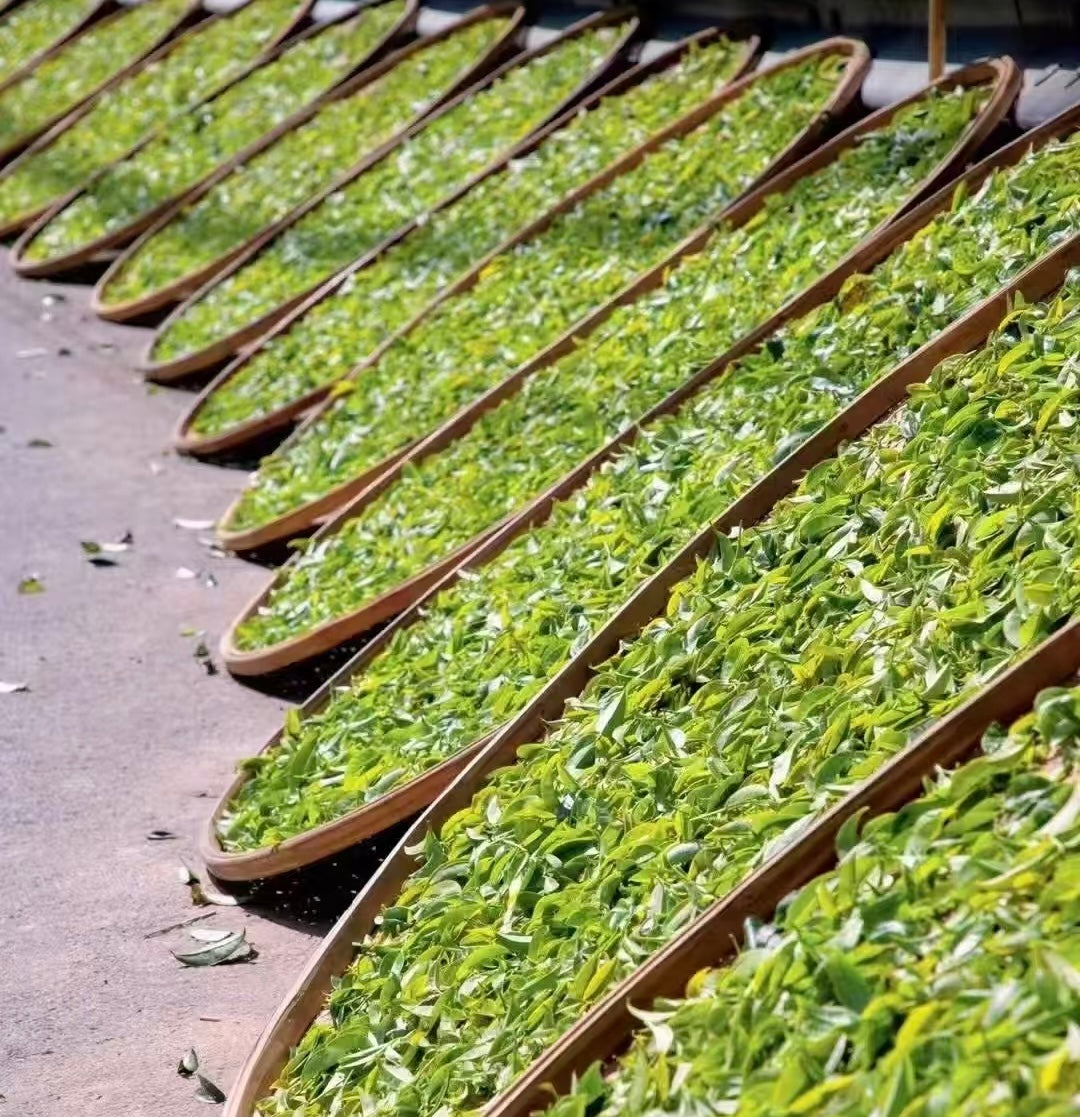
Traditional craftsmanship cannot scale to mass production.
We honor this authentic essence, preserving every genuine step.
We could produce more tea, but we choose to craft better.