Pu-erh Tea (Pu’er Tea)

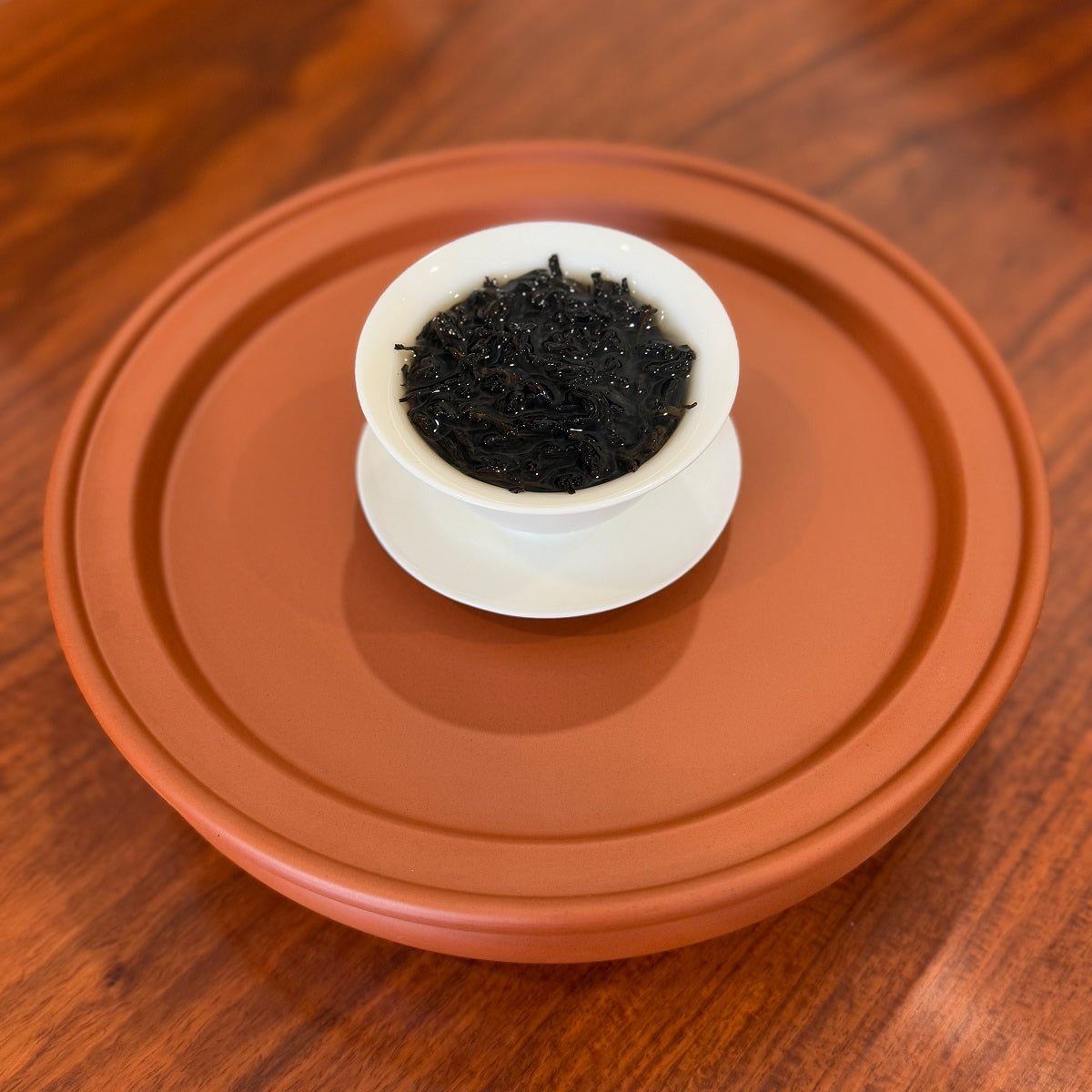
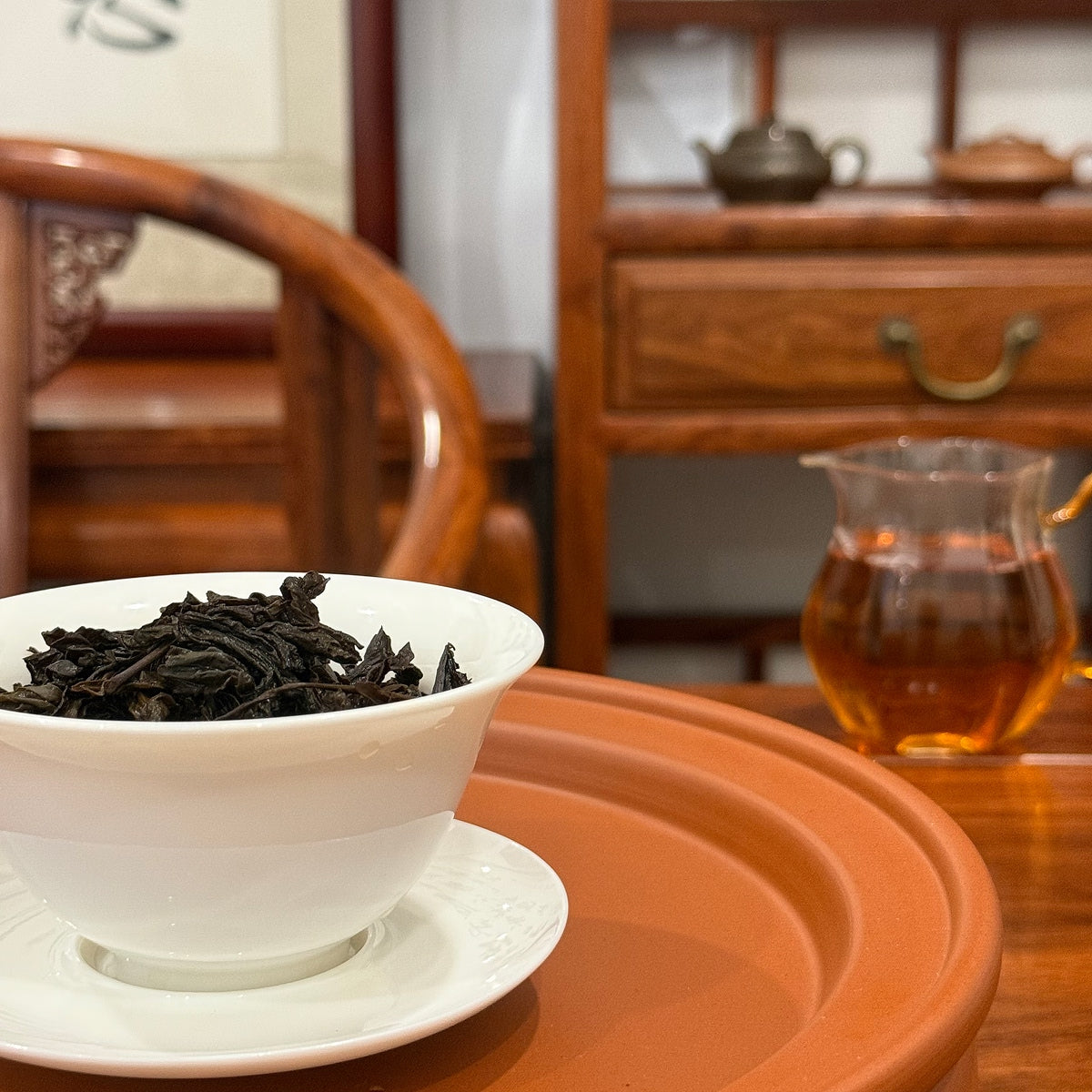
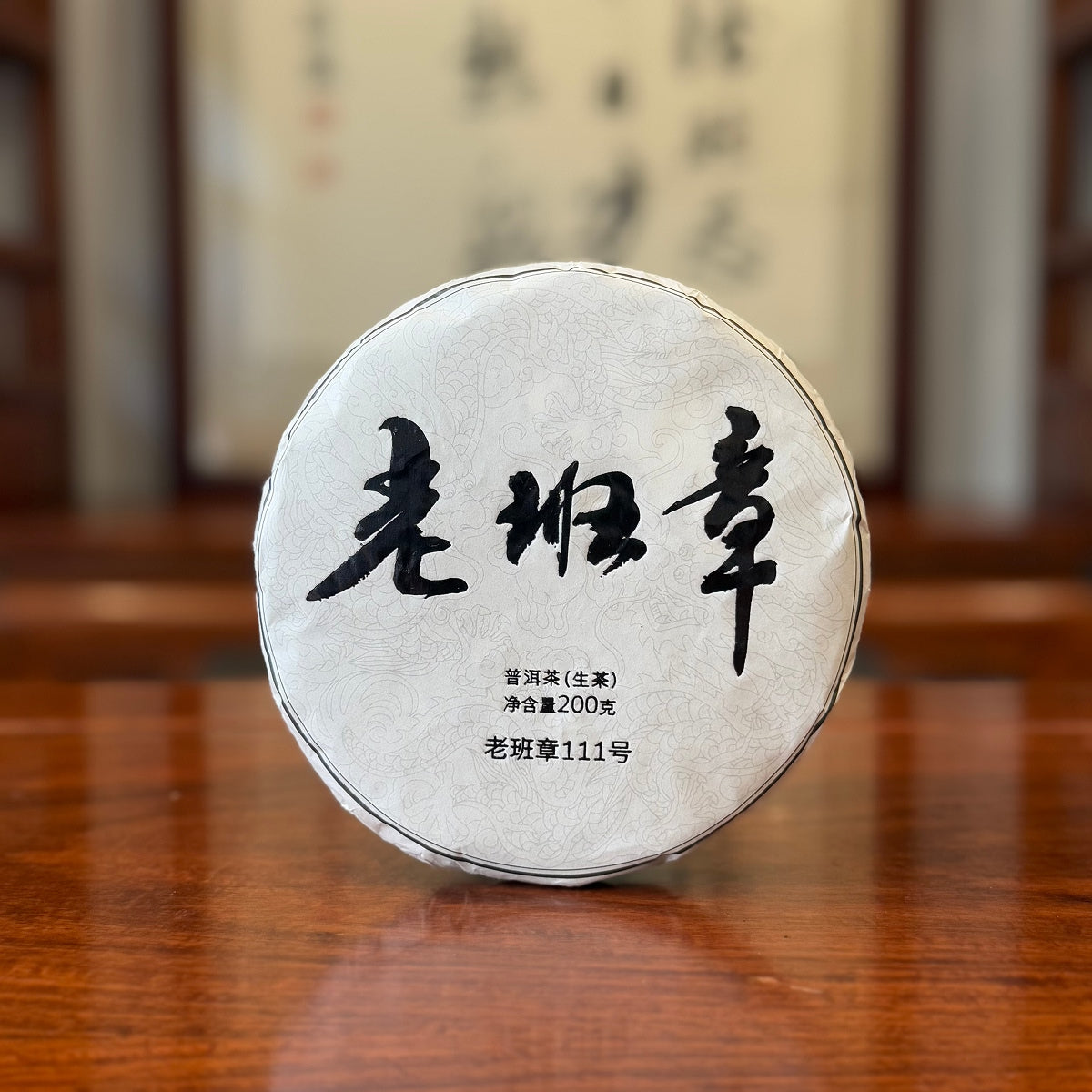
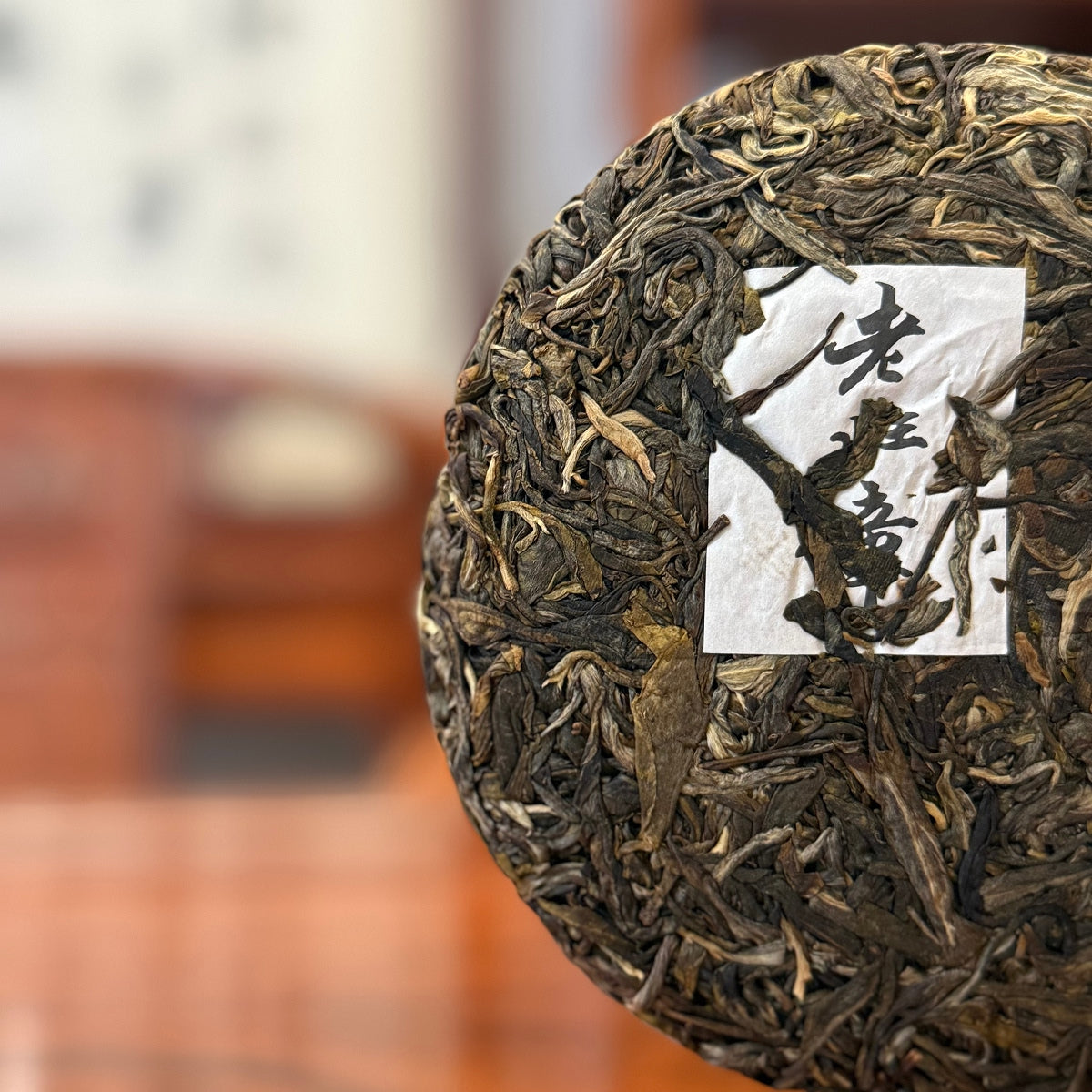
Shop Yunnan Pu-erh (Pu’er) tea from China, including both raw (Sheng) and ripe (Shou) Pu-erh. These teas continue to develop through aging, becoming more mellow and rounded over time.
Each tea is carefully selected through our traditional tea houses, and we clearly share its origin, raw materials, craftsmanship, and aging journey, helping you understand its character and the story behind it.

Skip to results list

Active filters:

49 items

Filter

Active filters:

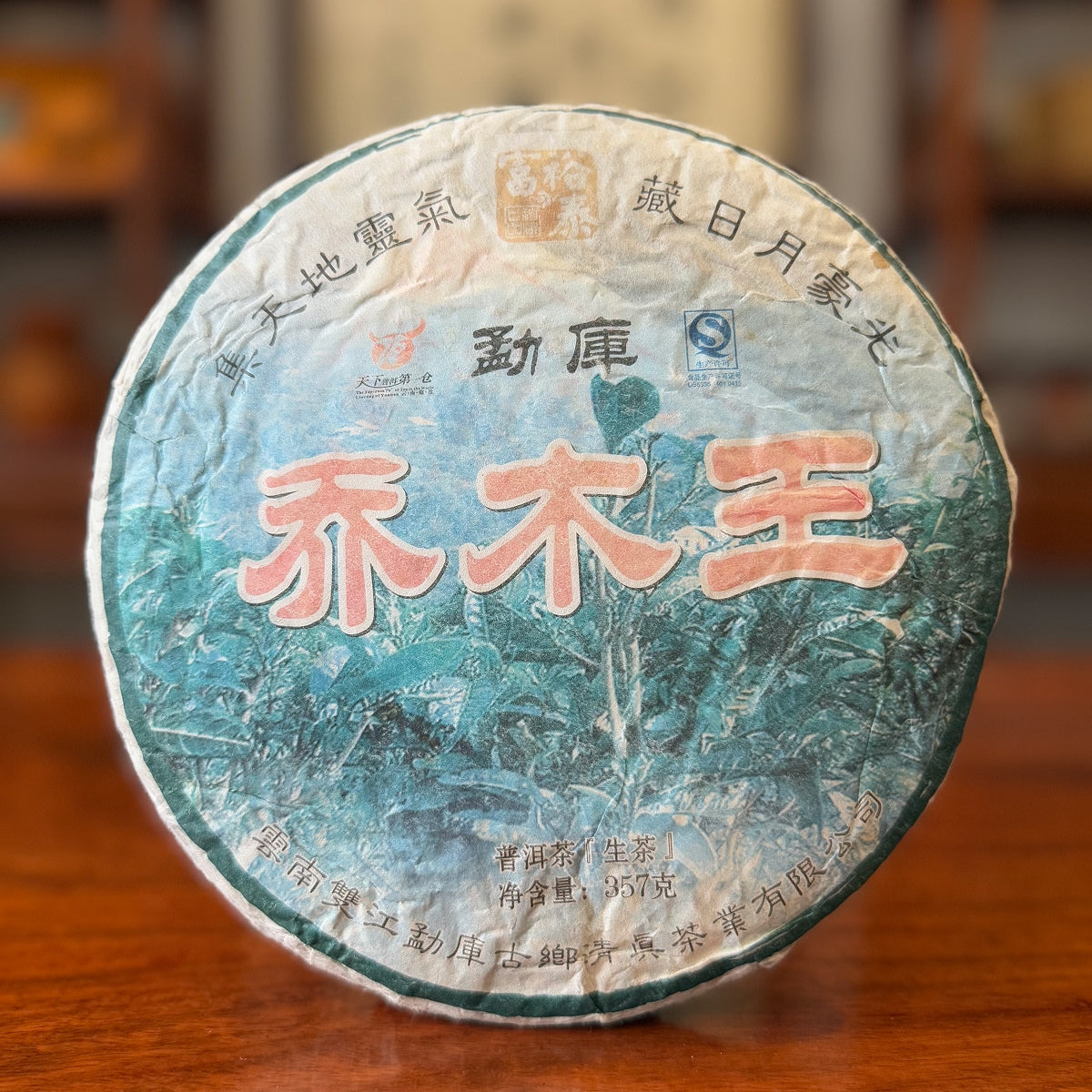
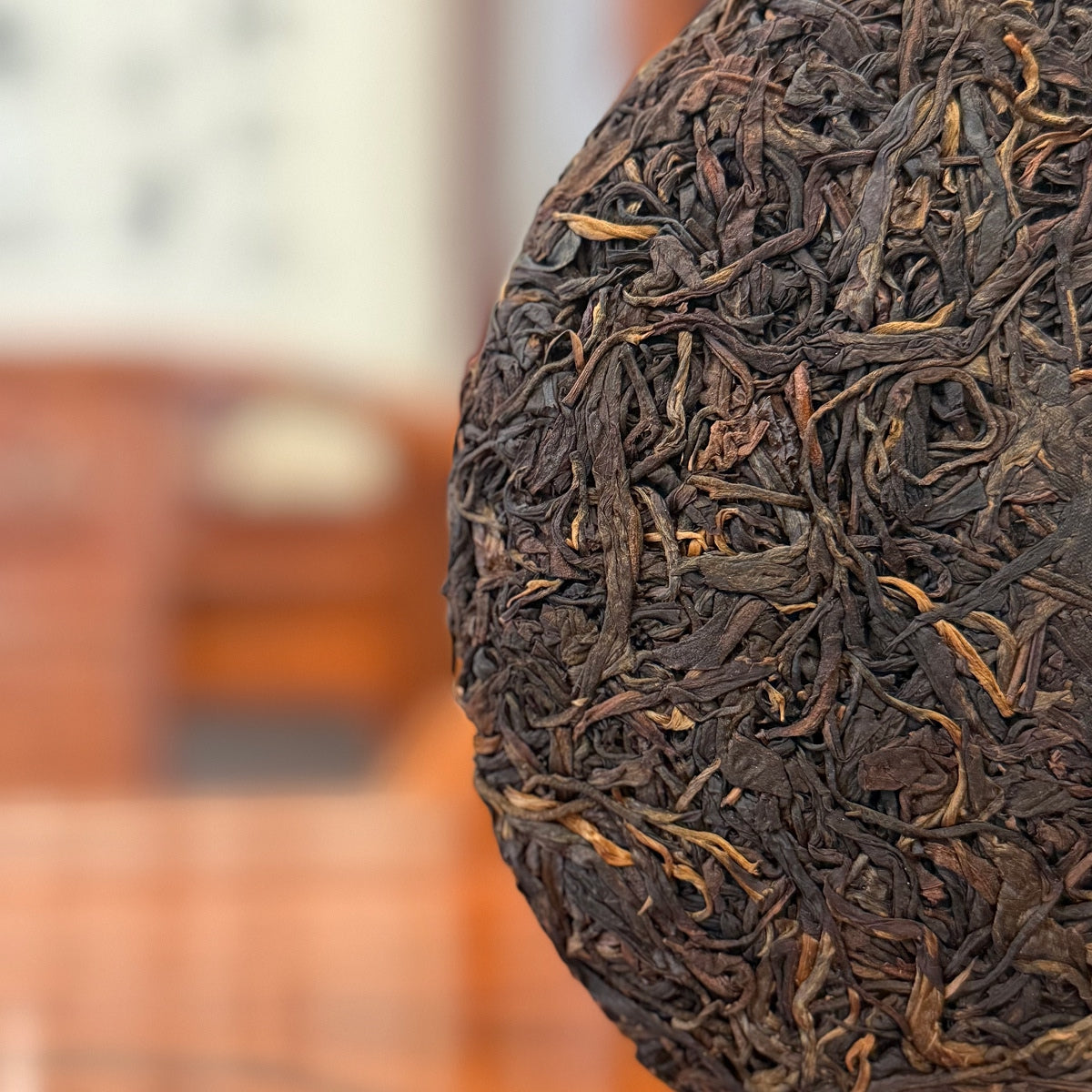
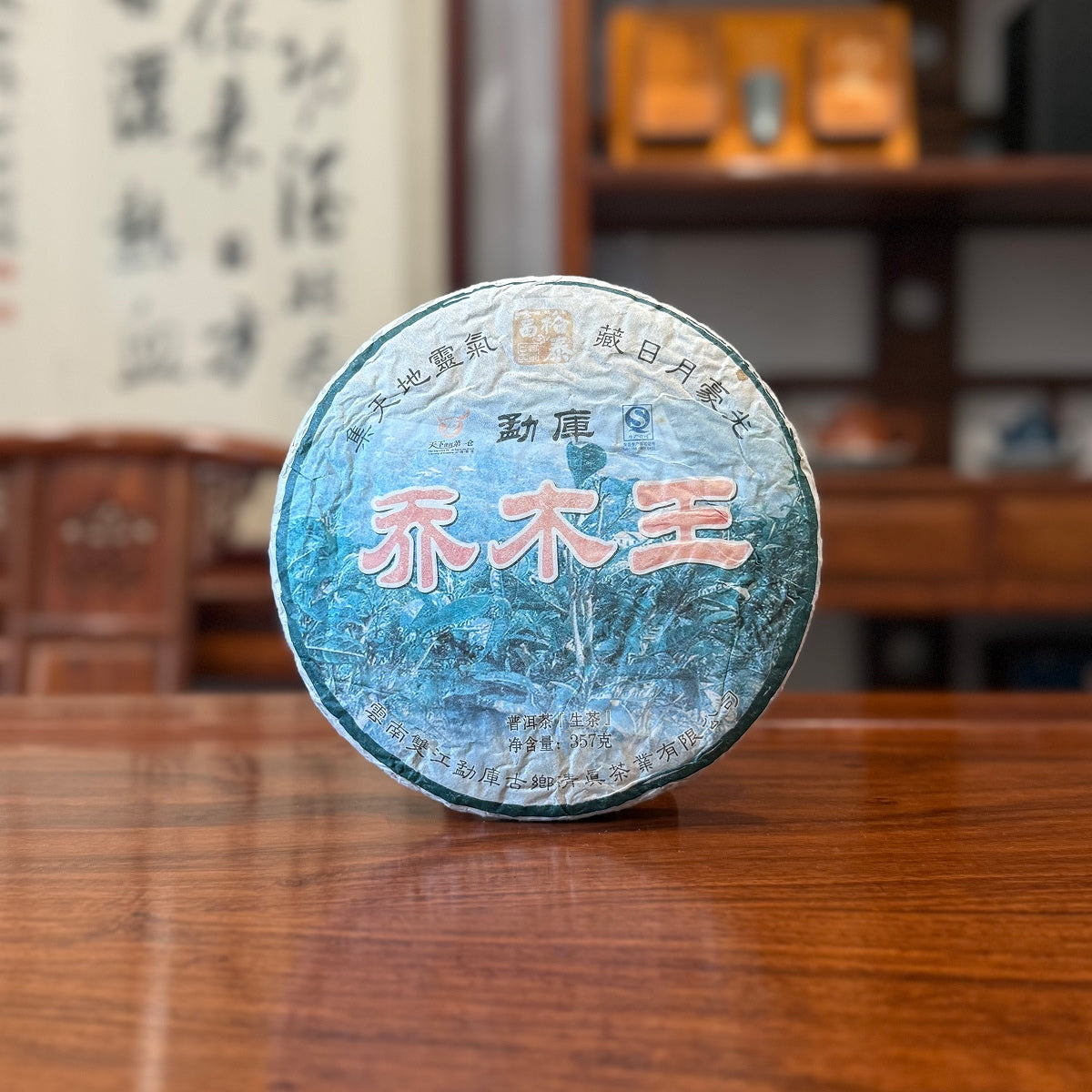
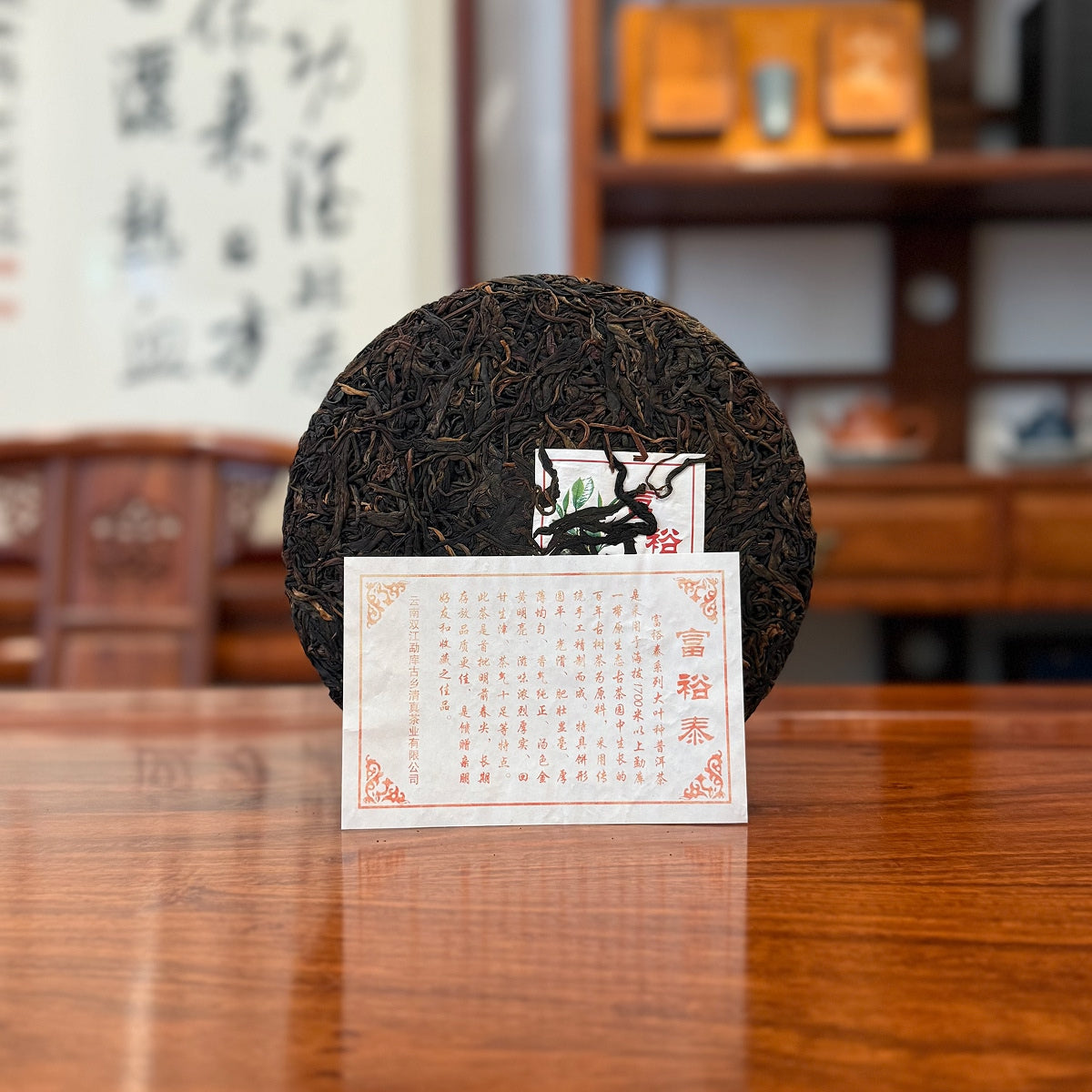
  • 2012 Yunnan Lincang Mengku Raw Pu-erh Tea Cake

Signature Teas

View all

About Our Pu-erh Tea Collection

Pu-erh tea comes from a remarkably broad range of tea-growing regions across Yunnan, and its quality and pricing can vary considerably. At Chinese Tea Group, we aim not only to offer the same quality and fair pricing online as in our tea houses and tea shops in China, but also to help tea drinkers around the world understand where each tea comes from, what raw materials are used, and how it has been crafted and aged.
Origin, raw materials, craftsmanship, age, and form are all important factors when choosing Pu-erh tea. The sections below explore these aspects to help you better understand the teas in this collection and buy the Pu-erh that best suits your taste.

The Legendary Origins of Pu’er Tea

Pu-erh Tea (Pu’er): Origin and History

Pu-erh tea (also spelled Pu’er) originates in Yunnan Province, China, and is traditionally made from Yunnan large-leaf tea varieties. Its name is closely associated with Pu’er, a historic center of the tea trade in southern Yunnan.
Like many Chinese teas, Pu-erh is closely tied to its place of origin. Over centuries of tea production and trade, the name Pu’er became associated not only with the region, but also with the distinctive tea produced and traded there.

The Meaning Behind the Name “Pu’er”

The name “Pu’er” has a long history and has been interpreted through the languages and traditions of the ethnic communities of the region. Two commonly cited interpretations are:

“A Village by the Water”

This interpretation reflects communities historically established among the mountains and rivers of the region.

“Brotherhood Among Ethnic Groups”

This interpretation reflects the area’s long history of interaction and coexistence among different ethnic communities.
The exact etymology remains a subject of historical and linguistic discussion. For tea drinkers, however, the geographical connection is much clearer.

The Geographical Core of Pu-erh Tea

The historical geographical center associated with the name is present-day Pu’er City (formerly Simao) in Yunnan Province, particularly Ning’er County. More broadly, Pu-erh tea is associated with tea-growing regions across Yunnan, where differences in origin, tea-growing environment, and raw materials contribute to the distinctive character of individual teas.
For this reason, origin is one of the first things worth considering when choosing Pu-erh tea.

Pu-erh, Pu’er, Puerh, and Puer Cha

“Pu’er” is both a place name and a tea name. In Chinese pinyin, the tea is written pǔ'ěr chá (普洱茶). In English, several spellings are widely used, including Pu-erh tea, Pu’er tea, and puerh tea. You may also encounter puer tea or puer cha.
Although the spellings differ, they all refer to Pu-erh tea from Yunnan.
For a deeper look at how these names and spellings developed, read our guide, The Many Names of Pu’er.

Exploring the Cultural Origins of Pu-erh Tea

The Early History and Cultural Roots of Yunnan Pu-erh Tea

Around 862 CE, during the Tang Dynasty, Fan Chuo recorded tea practices in Yunnan in his Man Shu (Book of the Barbarians), documenting an ancient tradition of consuming tea as food.
Fresh leaves from large-leaf tea trees were picked, lightly rolled, sun-dried, and tossed with chili, ginger, salt, and other seasonings to make a cold tea salad, served as a dish or side. Variations of this traditional way of eating tea are still preserved today among the Bulang and Jino ethnic groups in Yunnan.
Another common method was “roasting and boiling”: tea leaves were roasted in clay pots or bamboo tubes until fragrant, then boiled in water, sometimes with a pinch of salt. These simple preparations reflect how deeply tea was woven into everyday life among the communities of Yunnan long before Pu-erh developed into the forms familiar to tea drinkers today.

The Tibetan Tea Trade and the Development of Compressed Pu-erh Tea

From the Song and Yuan periods (roughly the 10th–14th centuries), Yunnan tea increasingly traveled along long-distance trade routes toward Tibet. To make the tea easier to transport and store over these long journeys, loose tea was steamed and pressed into dense cakes and bricks. This helped shape the development of compressed Pu-erh tea and laid the foundation for the tea cakes, bricks, tuocha, and other compressed forms that remain closely associated with Pu-erh today.
In Tibet, tea became deeply integrated into local food and drinking traditions, giving rise to distinctive ways of preparation:

Butter Tea

Compressed tea was broken apart and boiled into a strong tea liquor, then poured into a traditional butter tea churn and mixed with butter and salt before being vigorously churned until fully blended. It remains one of the most characteristic ways of preparing tea in Tibetan culture.

Milk Tea

Strong tea liquor was prepared with cow or yak milk and salt, creating another longstanding way of drinking tea in the region.
This centuries-long exchange did more than shape Tibetan tea culture. The demands of long-distance transportation and storage also influenced how Yunnan tea was processed and formed, helping compressed tea become an enduring part of the Pu-erh tradition.
Over time, it also became clear that compressed forms offered advantages beyond transportation and storage. The compact structure of the tea allows for gradual interaction with air, supporting the slow aging and development for which Pu-erh is known. This is one reason these traditional forms have endured for centuries.
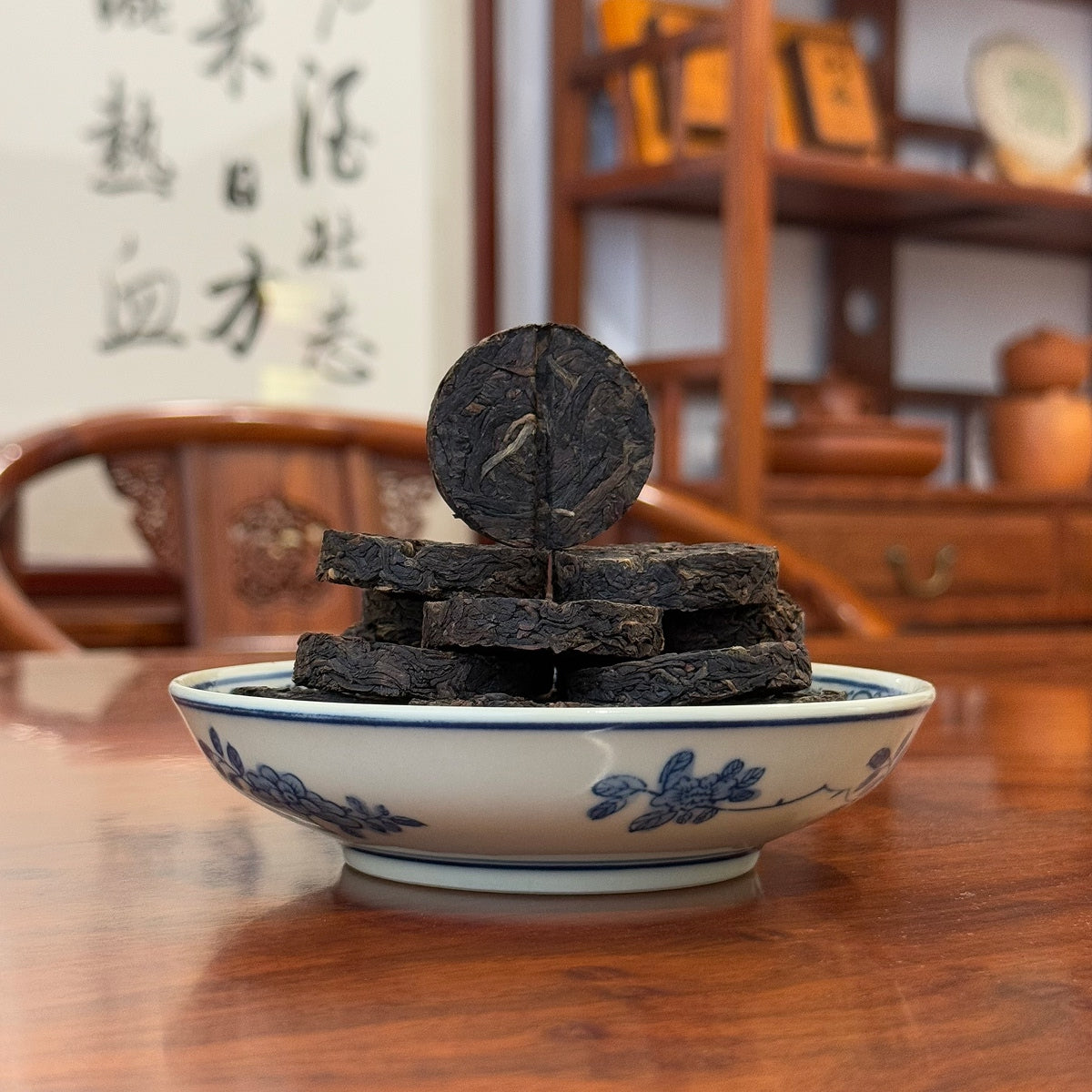
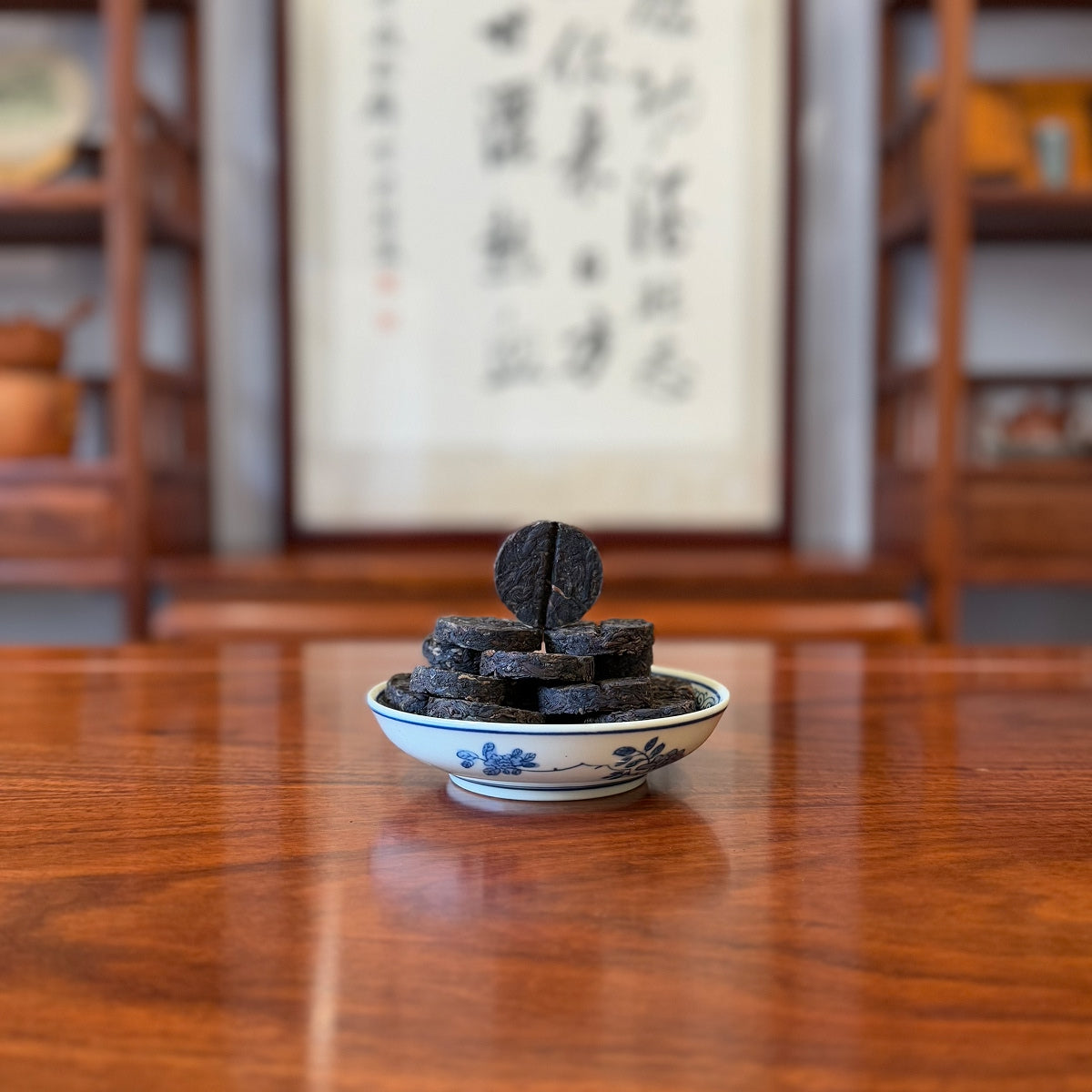
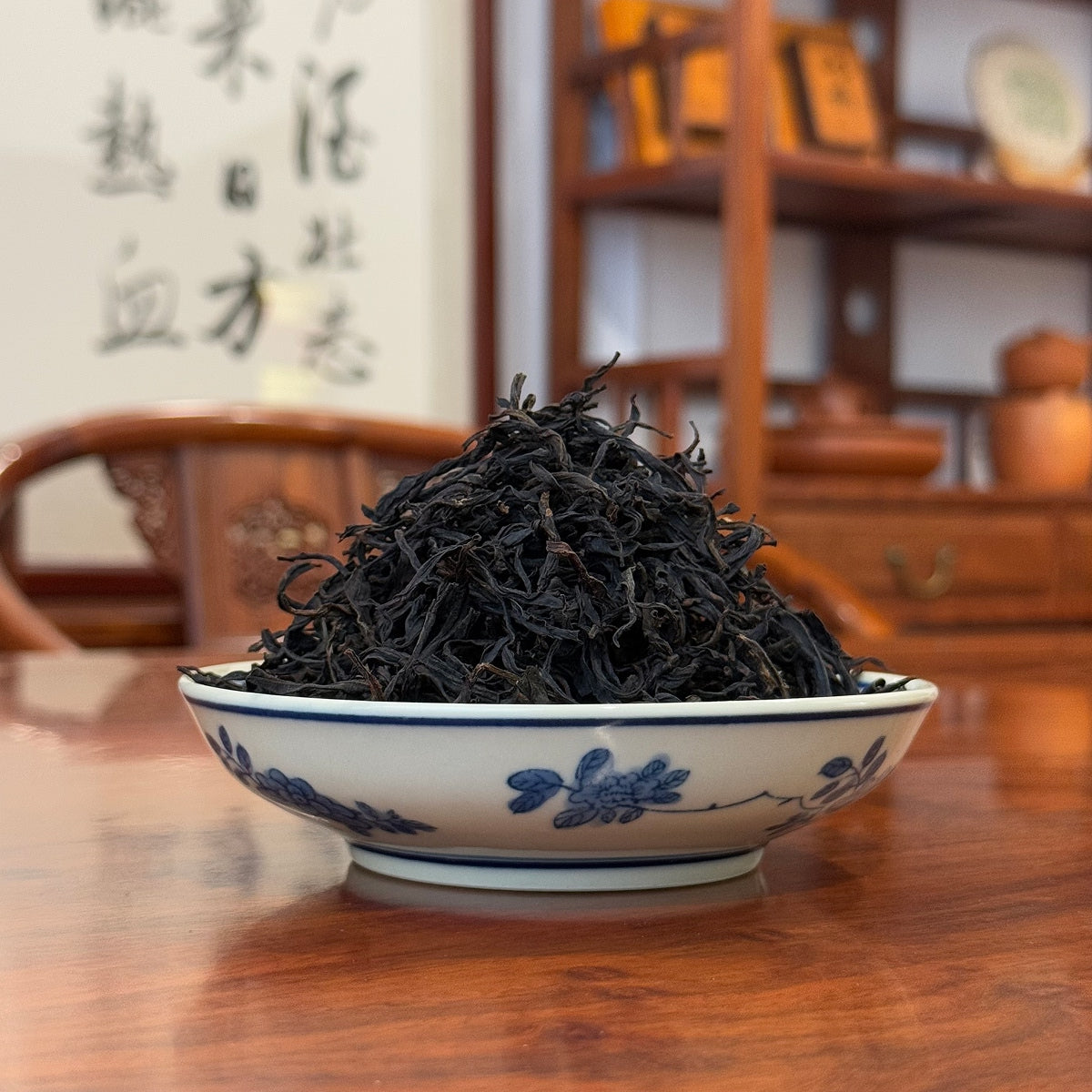
Today, most Pu-erh teas are still made in traditional compressed forms such as cakes, bricks, and tuocha, alongside loose leaf Pu-erh tea. Because loose leaves have greater exposure to air than compressed tea, they generally develop more quickly during aging. Understanding how these forms developed and endured can help explain their differences in aging—and why form remains an important factor to consider when choosing Pu-erh tea today.

From “Pu Cha” to Pu’er Prefecture

By the early Ming Dynasty (14th–16th centuries), the region gradually became known as “Pu’er,” while the tea associated with the area appeared in historical records as “Pu Cha.”
In 1729 CE, during the seventh year of the Yongzheng reign of the Qing Dynasty, Pu’er Prefecture was established as an important administrative center in Yunnan. Its jurisdiction was closely connected with major tea-producing areas, including the historic Six Great Tea Mountains, further strengthening Pu’er’s role in the production and trade of Yunnan tea.
Through centuries of local tea traditions, long-distance trade, and cultural exchange, Pu-erh gradually developed into the distinctive Yunnan tea tradition we know today.

Raw and Ripe Pu-erh: What You Need to Know

Raw vs. Ripe Pu-erh Tea: What’s the Difference?

If you’re new to Pu-erh tea, one of the first distinctions to understand is the difference between raw (Sheng) Pu-erh and ripe (Shou/Shu) Pu-erh.
Both originate in Yunnan and are traditionally made from Yunnan large-leaf tea varieties, beginning with sun-dried mao cha. From there, however, their processing and aging paths diverge, resulting in very different aromas, flavors, mouthfeel, and development over time.
Understanding these differences is one of the most useful ways to decide which type of Pu-erh best suits your taste.

Raw Pu-erh and the Development of Ripe Pu-erh

Raw Pu-erh (Sheng) follows the traditional processing path of Pu-erh tea. After fixation (sha qing), rolling, and sun-drying, the resulting mao cha develops naturally through aging.
During the 1970s, Yunnan tea producers developed wo dui (渥堆), or pile fermentation, to accelerate microbial transformation and create the mellow, dark character associated with aged tea in a much shorter period. This process gave rise to modern ripe Pu-erh (Shou/Shu).
The development of ripe Pu-erh created the two major types familiar to tea drinkers today: raw Pu-erh, which develops primarily through natural aging, and ripe Pu-erh, which undergoes wo dui fermentation before further aging and storage.

Raw vs. Ripe Pu-erh: Key Differences

Processing

  • Raw (Sheng): Fixation (sha qing) → Rolling → Sun-drying → Natural aging
  • Ripe (Shou/Shu): Sun-dried mao cha → Wo dui (pile fermentation) → Drying → Further aging and storage

Aroma

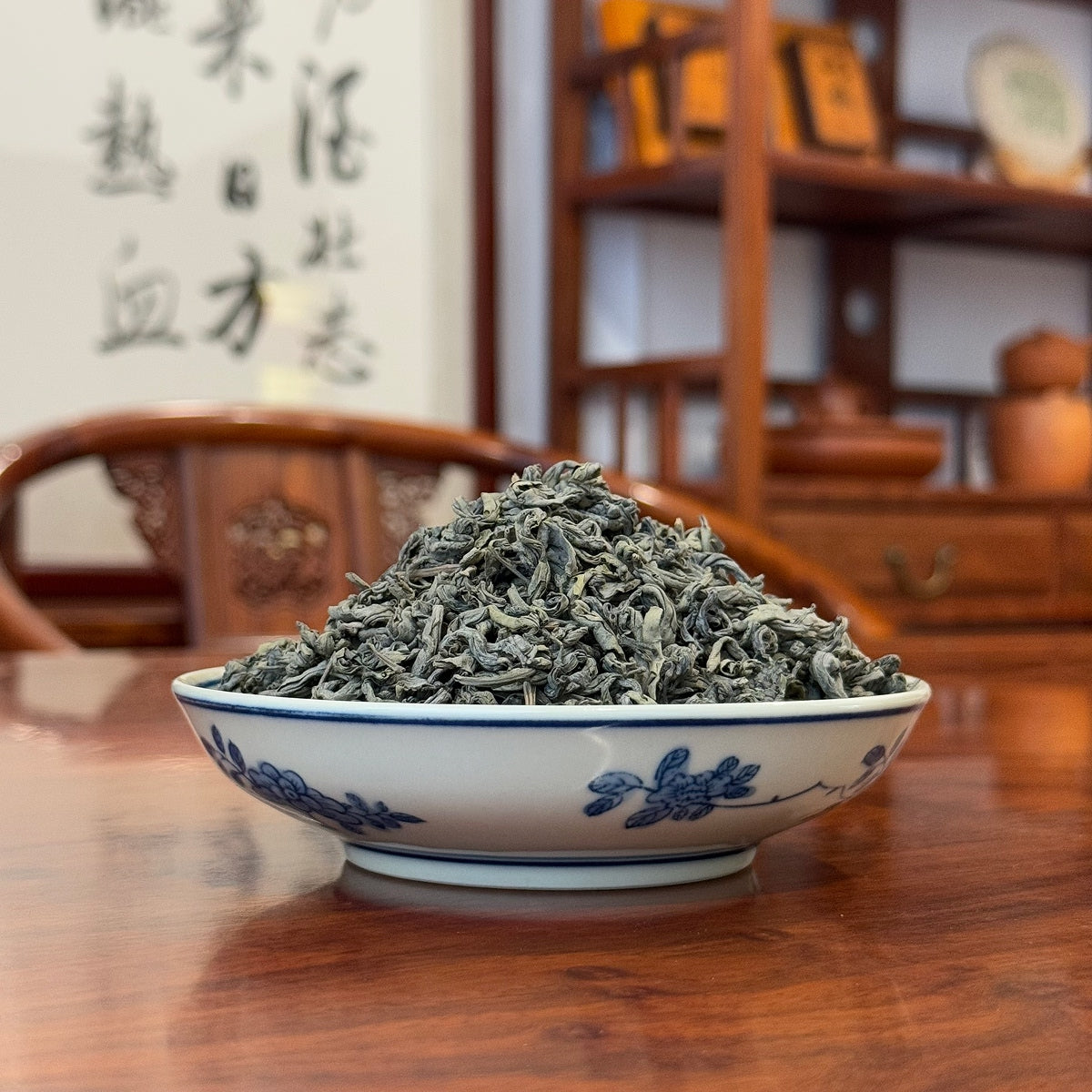
  • Raw: Young raw Pu-erh may show floral, honeyed, fruity, fresh, or forest-like aromas, gradually developing deeper and more mature aromas with age.
  • Ripe: Common profiles include earthy, woody, sweet, date-like, nutty, cocoa-like, and aged aromas, depending on the tea and its storage.

Taste & Mouthfeel

  • Raw: Often brighter and more lively, with varying levels of bitterness and astringency when young, followed by hui gan (returning sweetness). Its character can change considerably through aging.
  • Ripe: Generally darker, fuller, smoother, and more mellow, usually with lower bitterness and astringency.

Tea Liquor

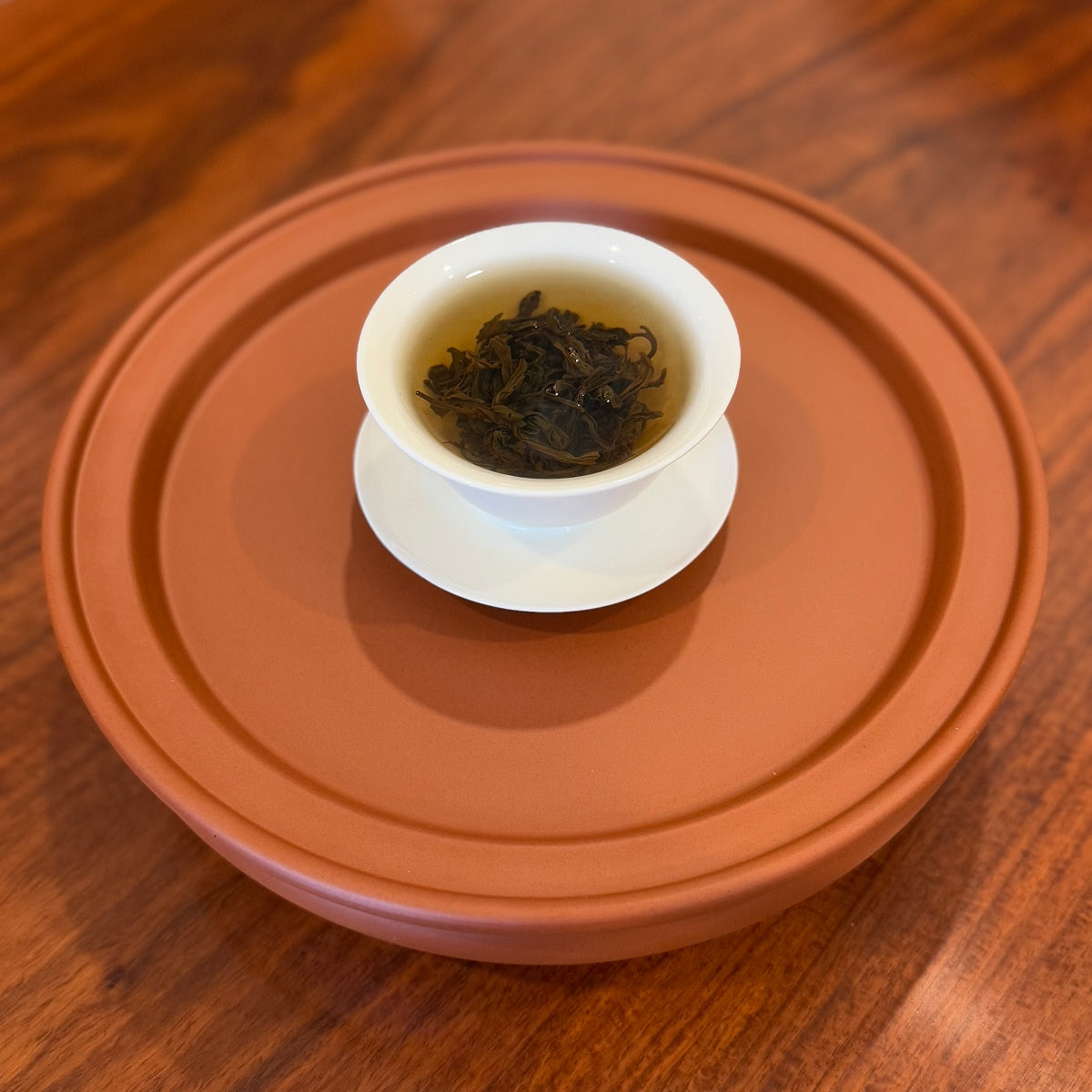
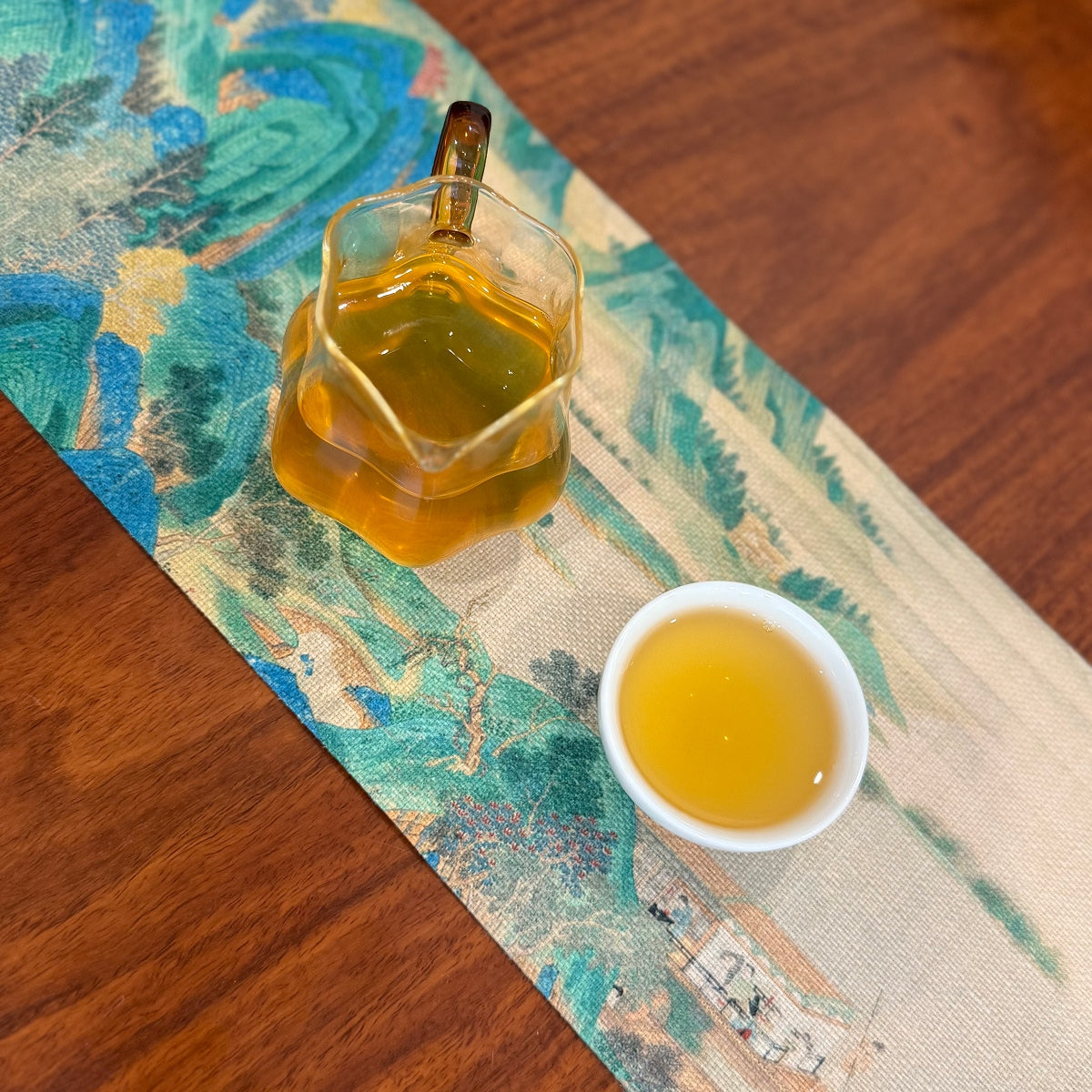
  • Raw: Young teas commonly produce pale yellow to golden liquor, gradually deepening toward orange, amber, or reddish tones as they age.
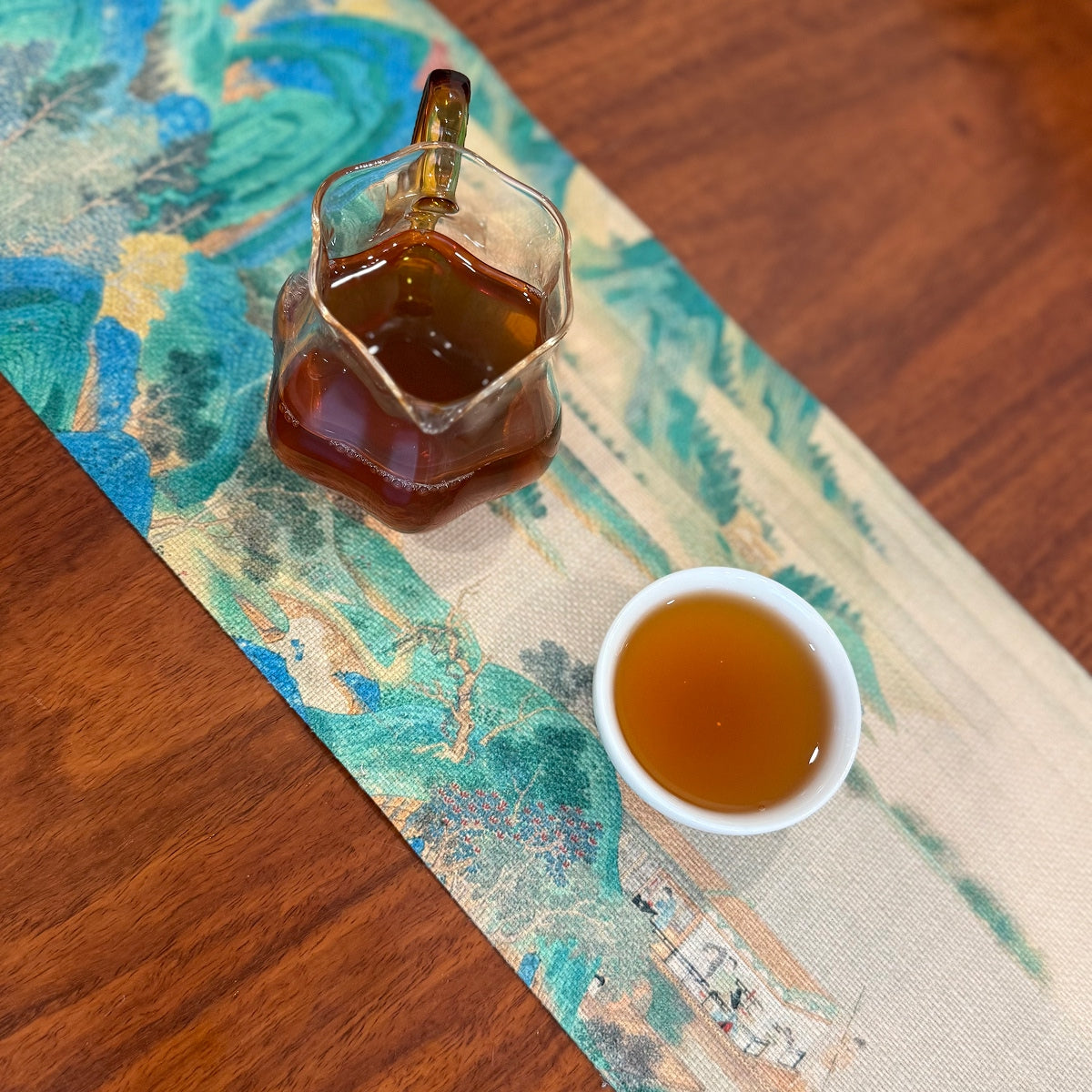
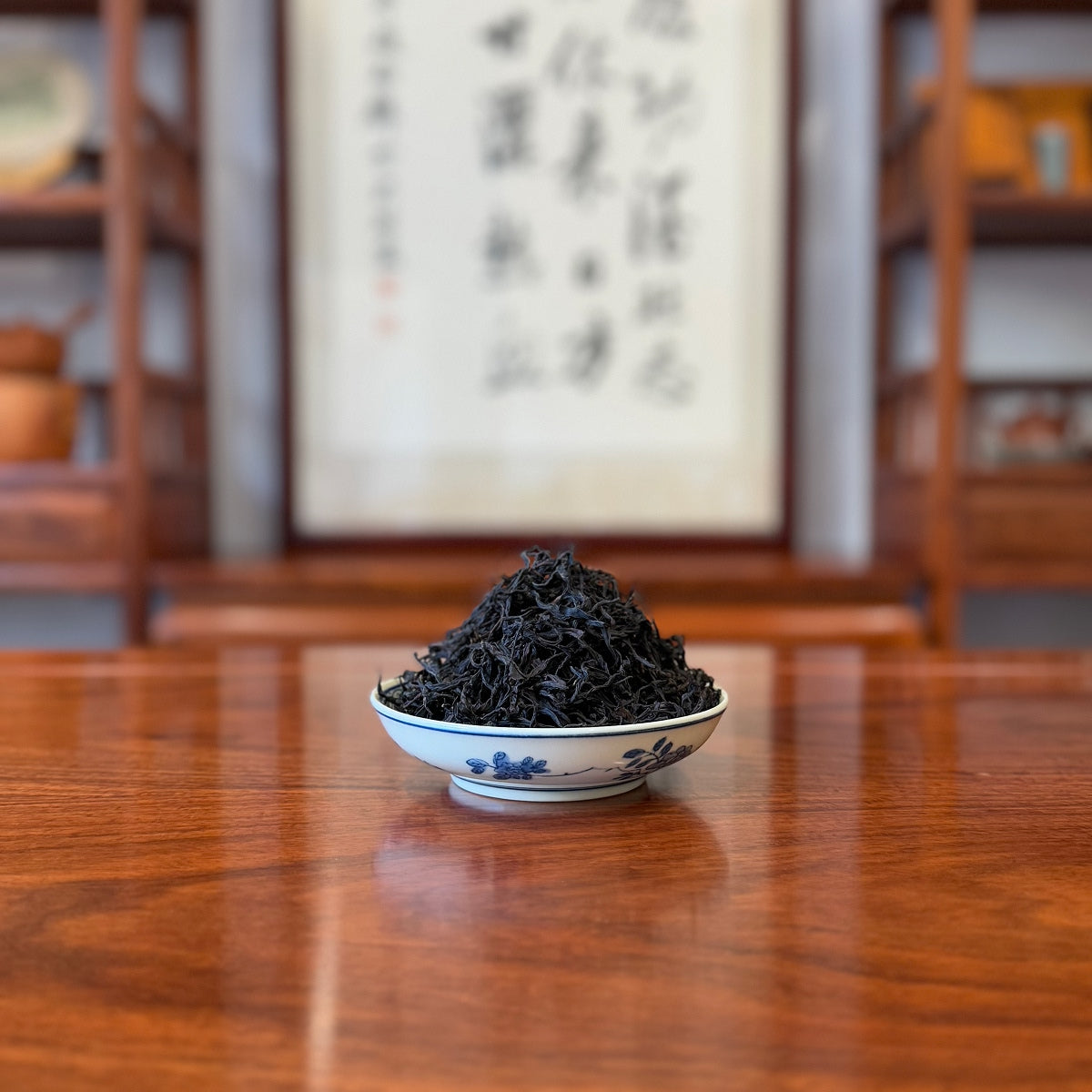
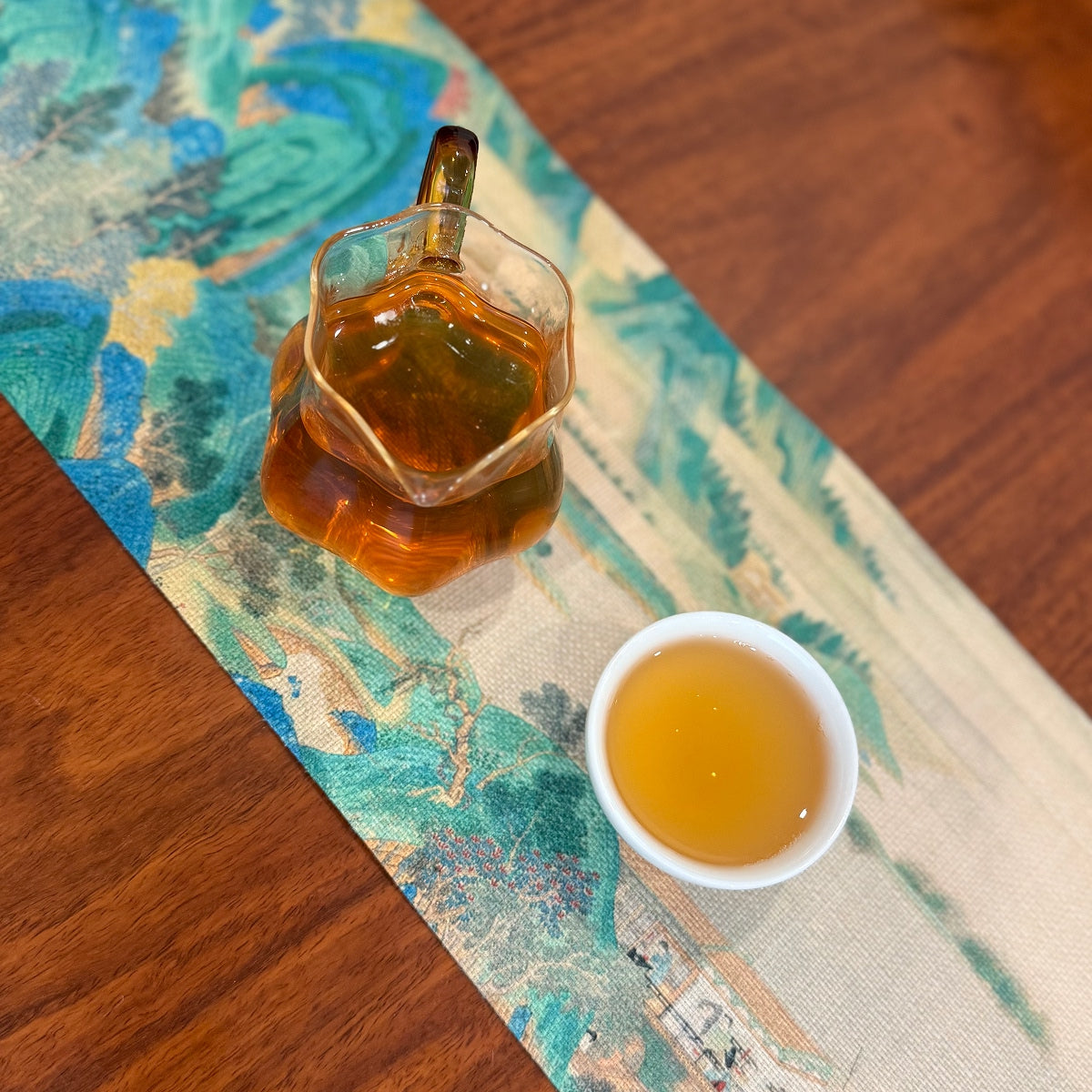
  • Ripe: Typically produces a deep red, reddish-brown, or dark burgundy liquor.

Aging

  • Raw: Can undergo substantial changes over years or decades, making age and storage particularly important when evaluating raw Pu-erh.
  • Ripe: Also continues to develop after wo dui fermentation, often becoming cleaner, smoother, and more integrated with appropriate storage, although its aging path differs from raw Pu-erh.

How to Choose Between Raw and Ripe Pu-erh

Neither raw nor ripe Pu-erh is inherently better. The more useful question is which style better matches the flavors and drinking experience you prefer.

Choose Raw Pu-erh (Sheng) if you:

  • Enjoy brighter, more layered flavors and noticeable changes from infusion to infusion.
  • Prefer floral, honeyed, fruity, fresh, or more complex aged profiles.
  • Appreciate bitterness, astringency, and pronounced hui gan in some teas.
  • Want to experience how Pu-erh changes through natural aging over time.

Explore our Raw Pu-erh Tea Collection to compare young and aged Sheng Pu-erh from different origins across Yunnan.

Choose Ripe Pu-erh (Shou/Shu) if you:

  • Prefer a darker, smoother, and more mellow cup.
  • Enjoy woody, earthy, sweet, nutty, cocoa-like, or aged aromas.
  • Prefer lower bitterness and astringency.
  • Want a Pu-erh with a mature drinking character without waiting years for natural aging.

Explore our Ripe Pu-erh Tea Collection to compare Shou Pu-erh from different origins, years, and styles.
Many tea drinkers enjoy both: raw Pu-erh for its natural evolution and wide range of young-to-aged profiles, and ripe Pu-erh for its mellow character and distinctive fermentation style.

Raw or Ripe: The Difference Is Time and Method

Raw Pu-erh develops gradually through natural aging; ripe Pu-erh uses wo dui fermentation to accelerate microbial transformation before continuing to develop in storage.
Once you understand this distinction, differences in flavor, color, mouthfeel, and aging potential become much easier to recognize—and choosing between raw and ripe Pu-erh becomes a matter of the character you prefer.

The Secret Value of Aged Pu-erh

What Gives Aged Pu-erh Tea Its Value?

One of the defining characteristics of Pu-erh tea is its ability to continue developing through aging. Over years of appropriate storage, its aroma, taste, and mouthfeel can gradually change, often developing deeper aged aromas (chenxiang) and a more mellow, rounded character.
But age alone does not make a Pu-erh tea better.
The quality of an aged Pu-erh depends both on the tea itself and on the conditions under which it has developed. Origin, raw materials, craftsmanship, storage, and time all influence what eventually appears in the cup. A well-aged Pu-erh is therefore not simply an old tea, but a tea that has developed well over time.

Why Storage Matters in Aged Pu-erh

Pu-erh does not age independently of its environment. Temperature, humidity, airflow, cleanliness, and surrounding odors can all influence how a tea develops during storage.
Under suitable conditions, aging can gradually soften harsher characteristics, integrate aromas and flavors, and bring greater depth and smoothness to the tea. Poor storage, however, cannot be corrected simply by waiting longer.
This is why two Pu-erh teas from the same year can taste remarkably different after years of aging. When considering an aged Pu-erh, how and where it was stored can be just as important as the year itself.

Aging Across Different Forms of Pu-erh Tea

Pu-erh can age in different forms, including tea cakes, bricks, tuocha, and loose leaf tea. Each form creates a different relationship between the leaves and their storage environment, which can influence how the tea develops over time.
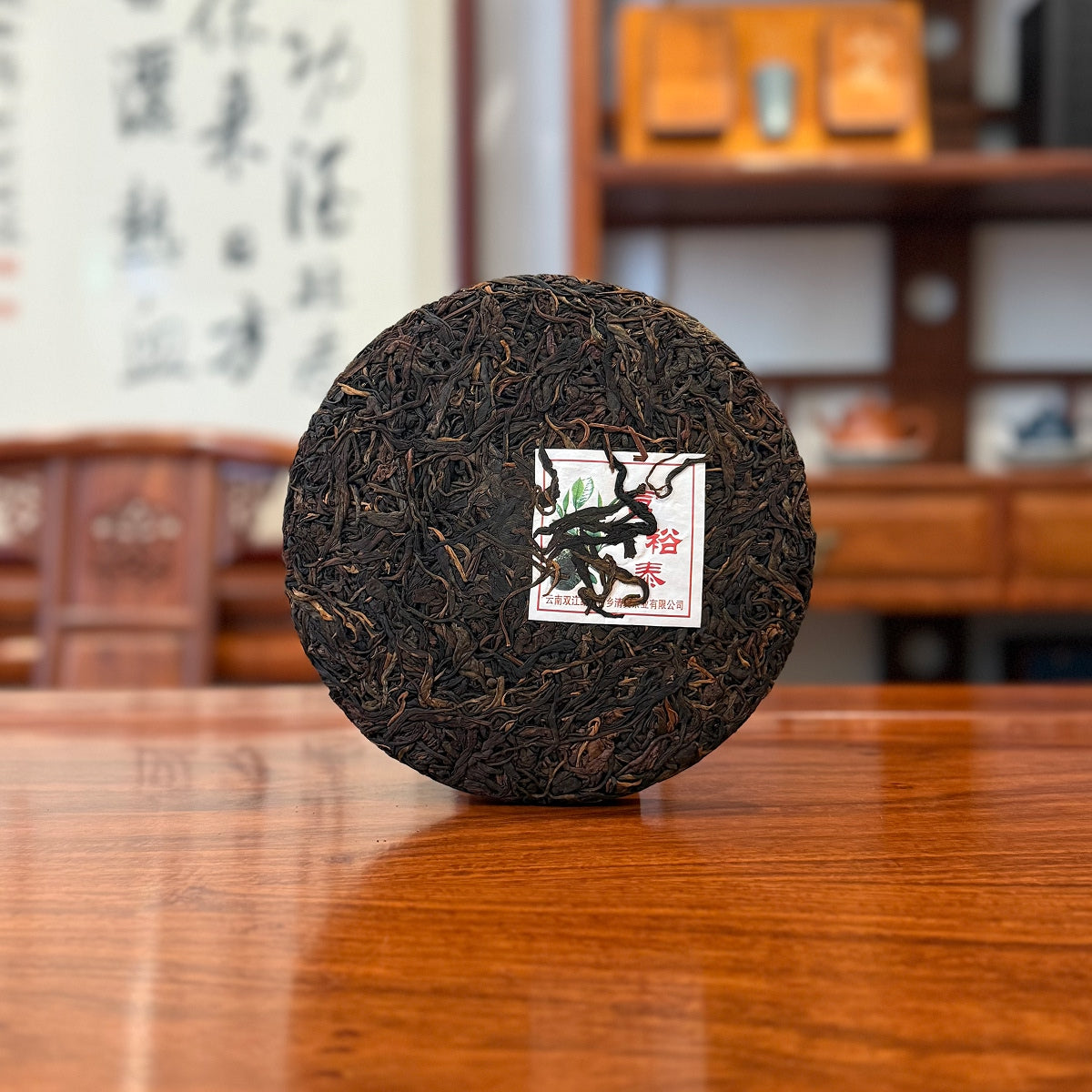
Among these traditional forms, the Pu-erh tea cake has become especially closely associated with long-term storage and aged Pu-erh.

Why Pu-erh Tea Cakes Became a Traditional Standard

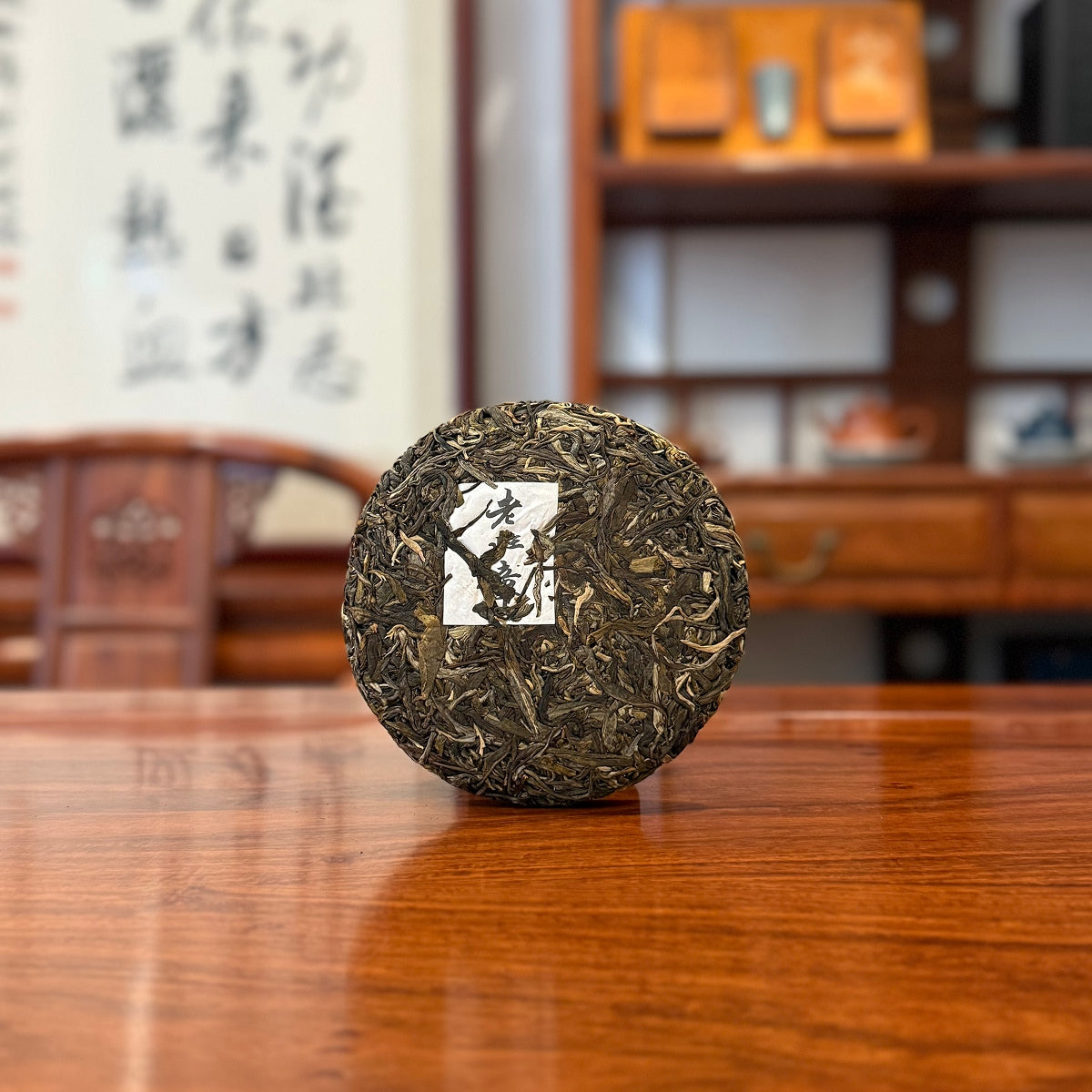
One of the best-known traditional formats is the 357g Yunnan Seven Sons Tea Cake (Qizi Bing). Traditionally, seven cakes are packed together as one bundle, totaling approximately 2.5 kilograms.
This standardized format made Pu-erh convenient to pack, measure, transport, store, and trade. Through generations of use, the round tea cake became one of the most recognizable and enduring forms of Yunnan Pu-erh.
Over time, the tea cake also became one of the most standardized and widely recognized forms for the long-term storage, circulation, and trade of aged Pu-erh.
Its significance therefore comes not from the number 357g itself, but from the long history and practical system that developed around this traditional format.

Why Tea Cakes Are Well Suited to Long-Term Aging

The structure of a tea cake also makes it well suited to long-term storage. Compression reduces the amount of leaf surface directly exposed to the surrounding environment, allowing the interior of the cake to develop more gradually.
How a cake develops still depends on many factors, including its degree of compression, the original tea, and the storage environment. A tea cake does not age well simply because it is compressed.
Its compact and stable shape also makes it practical to store over long periods, helping explain why tea cakes have remained so closely associated with aged Pu-erh.

Looking Beyond the Age of Pu-erh Tea

When choosing aged Pu-erh, the year is a useful reference, but it should be considered together with the tea’s origin, raw materials, craftsmanship, and—especially—its storage history.
Two teas of the same age can develop very differently. What ultimately matters is not simply how old the tea is, but how it has developed and what it has become in the cup.
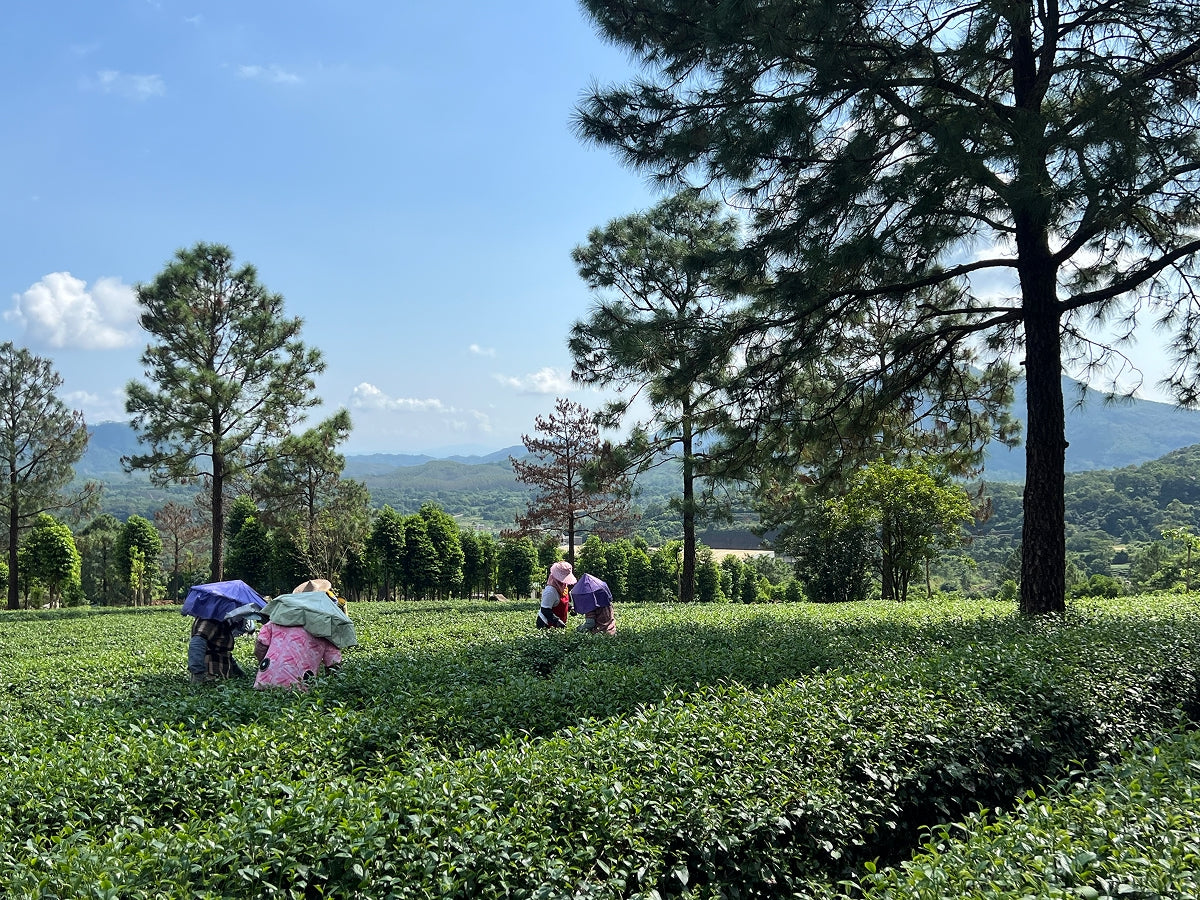
Authentic Pu-erh Tea: Direct from Yunnan

Choosing Yunnan Pu-erh Tea from China

Across Yunnan, differences in tea-growing region, altitude, sun exposure, growing environment, and raw materials can result in noticeably different aromas, flavors, and mouthfeel—even between teas produced within the same mountain area.
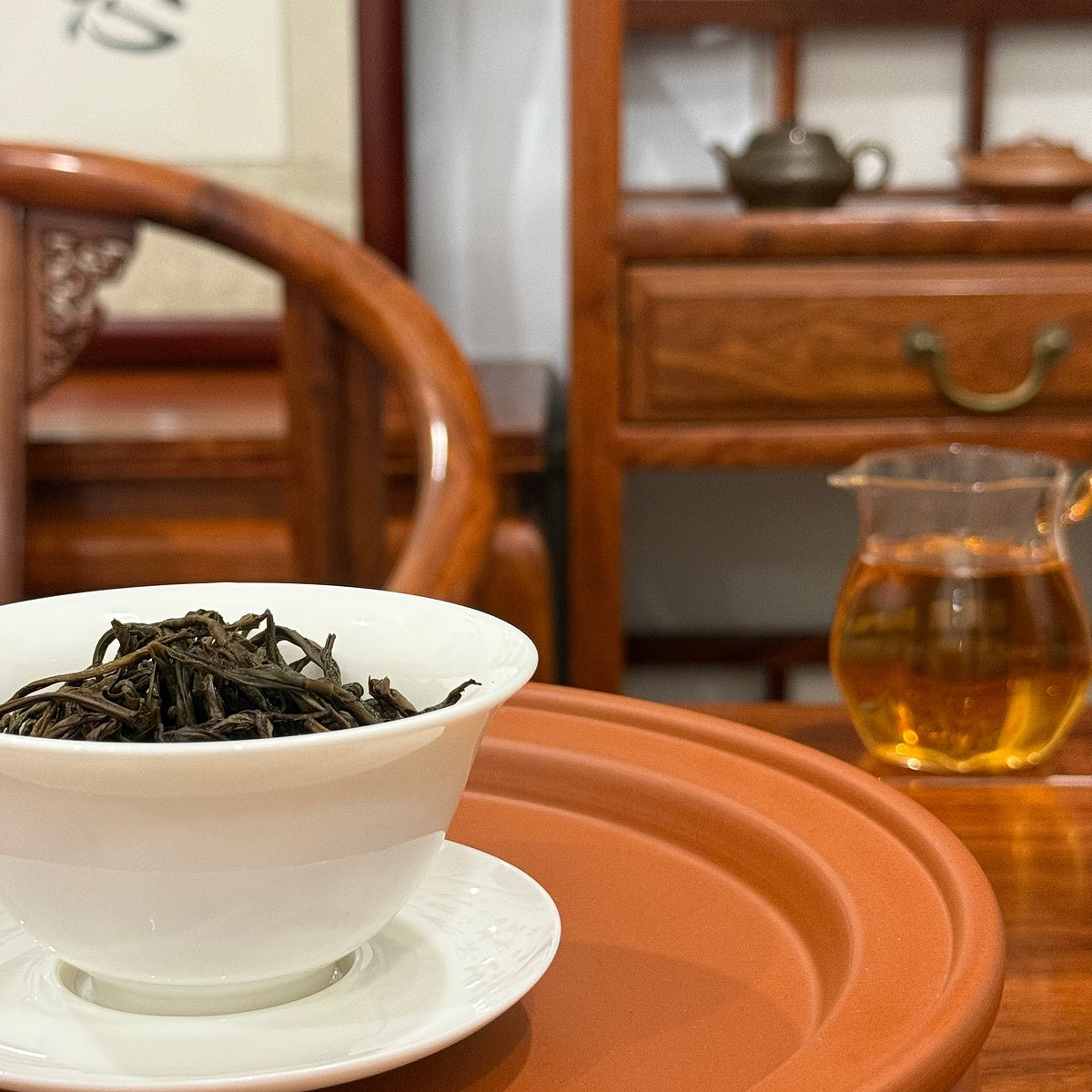
For this reason, there is no single Pu-erh tea that is “best” for everyone. A tea valued by one person for its sweetness and floral character may be very different from another tea drinker’s preference for bitterness, strength, or a deeper aged profile.
When choosing Pu-erh tea, understanding where the tea comes from, what it is made from, and what character you can expect from it is often more useful than simply looking for the oldest or most expensive tea.

Why Origin and Transparency Matter

Origin is an important part of understanding Pu-erh tea, but “Yunnan” alone tells only part of the story. Different tea regions, mountains, villages, and growing environments can produce teas with very different characteristics.
A trustworthy Pu-erh tea supplier should therefore provide clear information wherever possible about a tea’s origin, raw materials, production year, craftsmanship, and aging or storage history.
These details do not determine whether you will personally enjoy a tea, but they give you a much better foundation for understanding what you are buying, comparing different teas, and finding the Pu-erh that best suits your taste.

How We Source and Select Pu-erh Tea

At Chinese Tea Group, our Pu-erh selection follows the same approach we use in our traditional tea houses in China: source carefully, taste repeatedly, and understand the tea before offering it to customers.
Each year, our tea team evaluates teas from different origins across Yunnan. Some are fresh teas selected for their raw materials, craftsmanship, and potential to develop over time. Others are aged teas sourced from long-trusted tea gardens and suppliers, where their provenance and storage history can be clearly understood.
Every tea is evaluated through tasting before it enters our collection. We consider not only where it comes from and how old it is, but also what it actually presents in the cup—its aroma, taste, mouthfeel, balance, and overall character.

Aging and Storage Before Release

Some of the Pu-erh teas we select are stored and aged by us over time rather than released immediately. During this period, we continue to taste and evaluate how they are developing.
Other aged teas come from trusted sources where they have already been carefully preserved. For these teas, we consider their provenance, storage history, and current drinking quality before deciding whether to offer them.
An older year alone is therefore never the reason we select a tea. What matters is how the tea has developed and whether its present character meets our standards.

Authentic Tea, Clear Information, and Fair Pricing

Our goal is not simply to offer more Pu-erh teas, but to make each tea easier to understand and choose.
For the teas in this collection, we clearly share the information that matters—from origin and raw materials to craftsmanship, age, storage, and flavor characteristics—so that tea drinkers can understand the differences between them and choose according to their own preferences.
We also aim to offer the same genuine quality and fair pricing online that we provide through our tea houses and tea shops in China, bringing the experience of choosing Pu-erh in a traditional Chinese tea house to tea drinkers around the world.
Now that you know what to look for, you’re ready to buy the Pu-erh tea that best suits your taste.