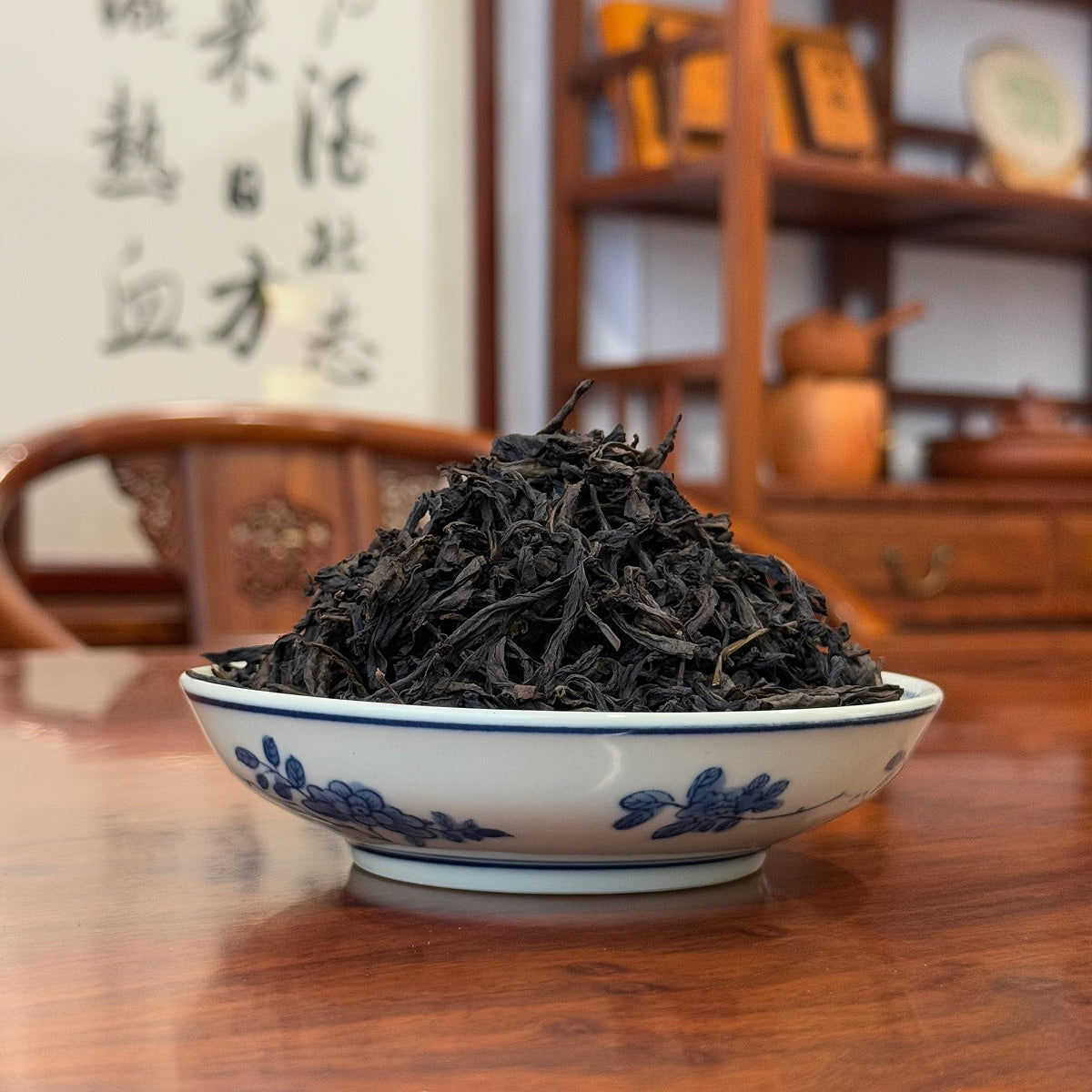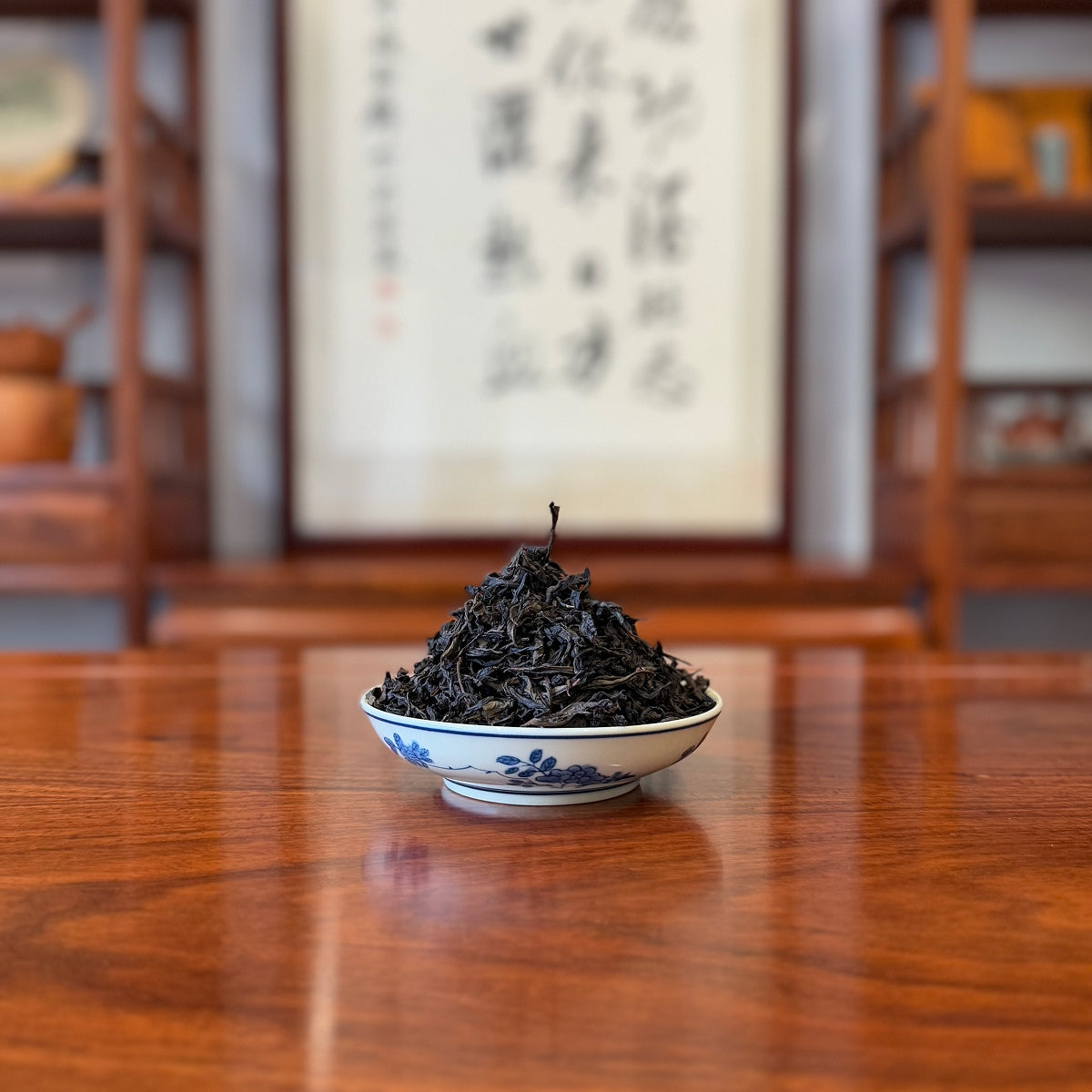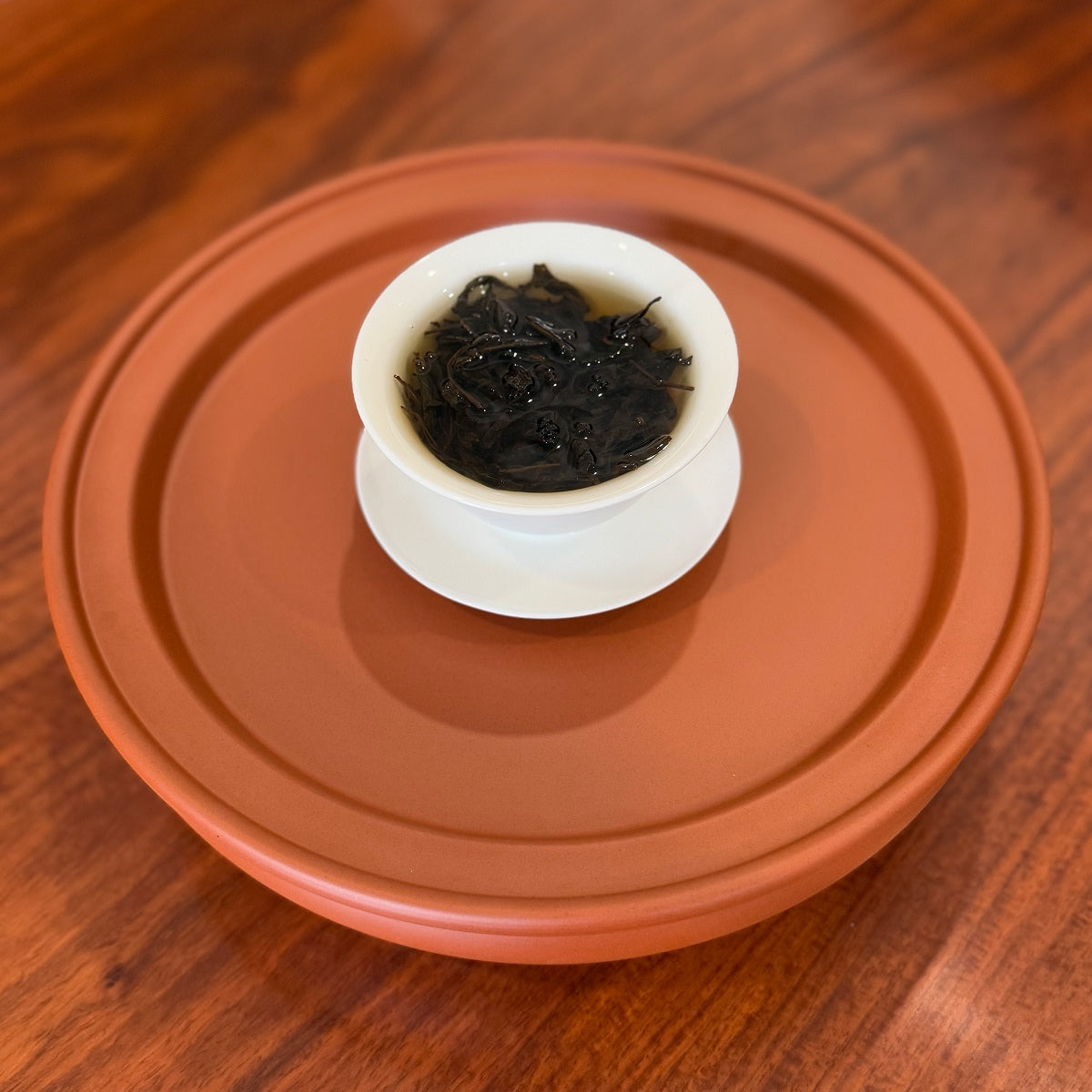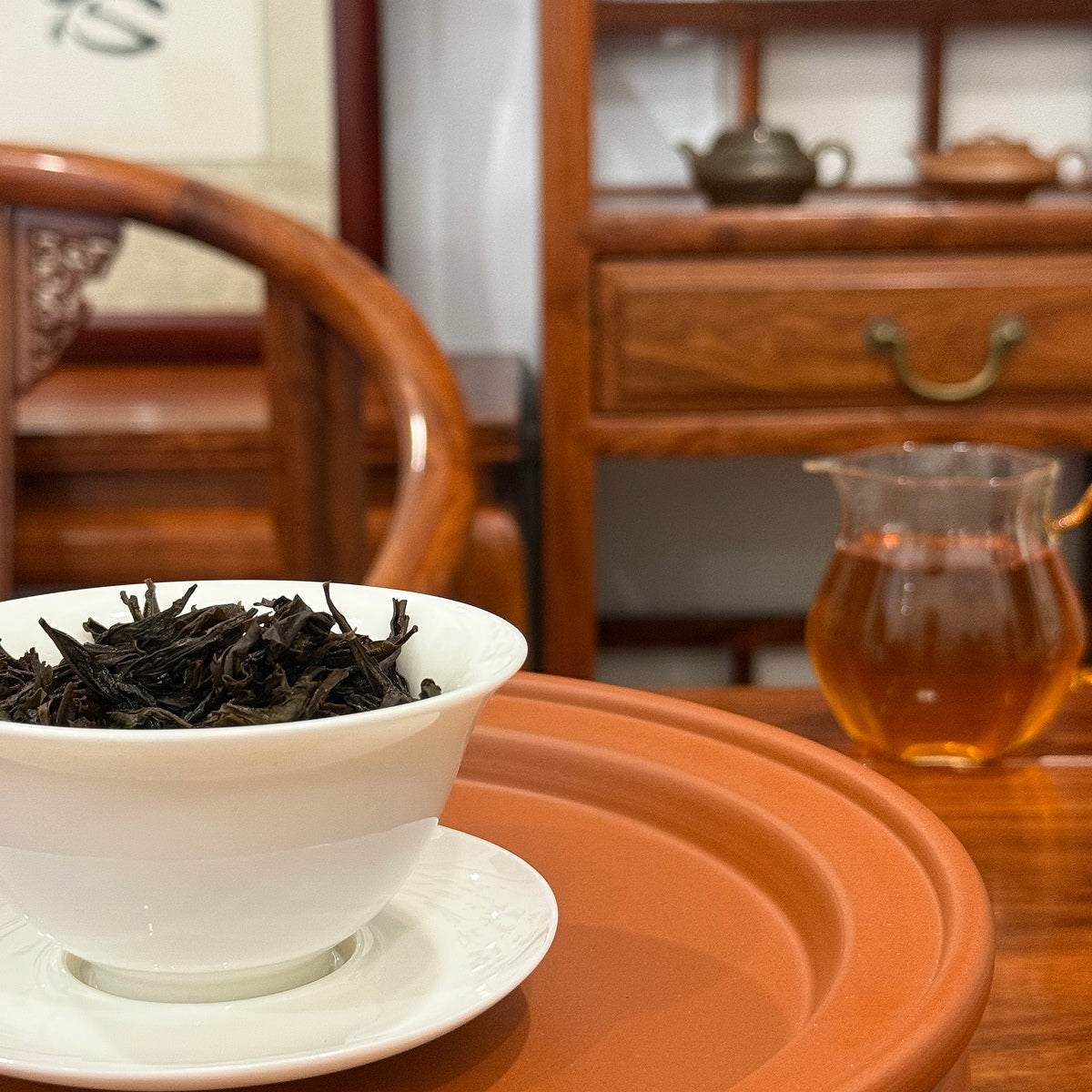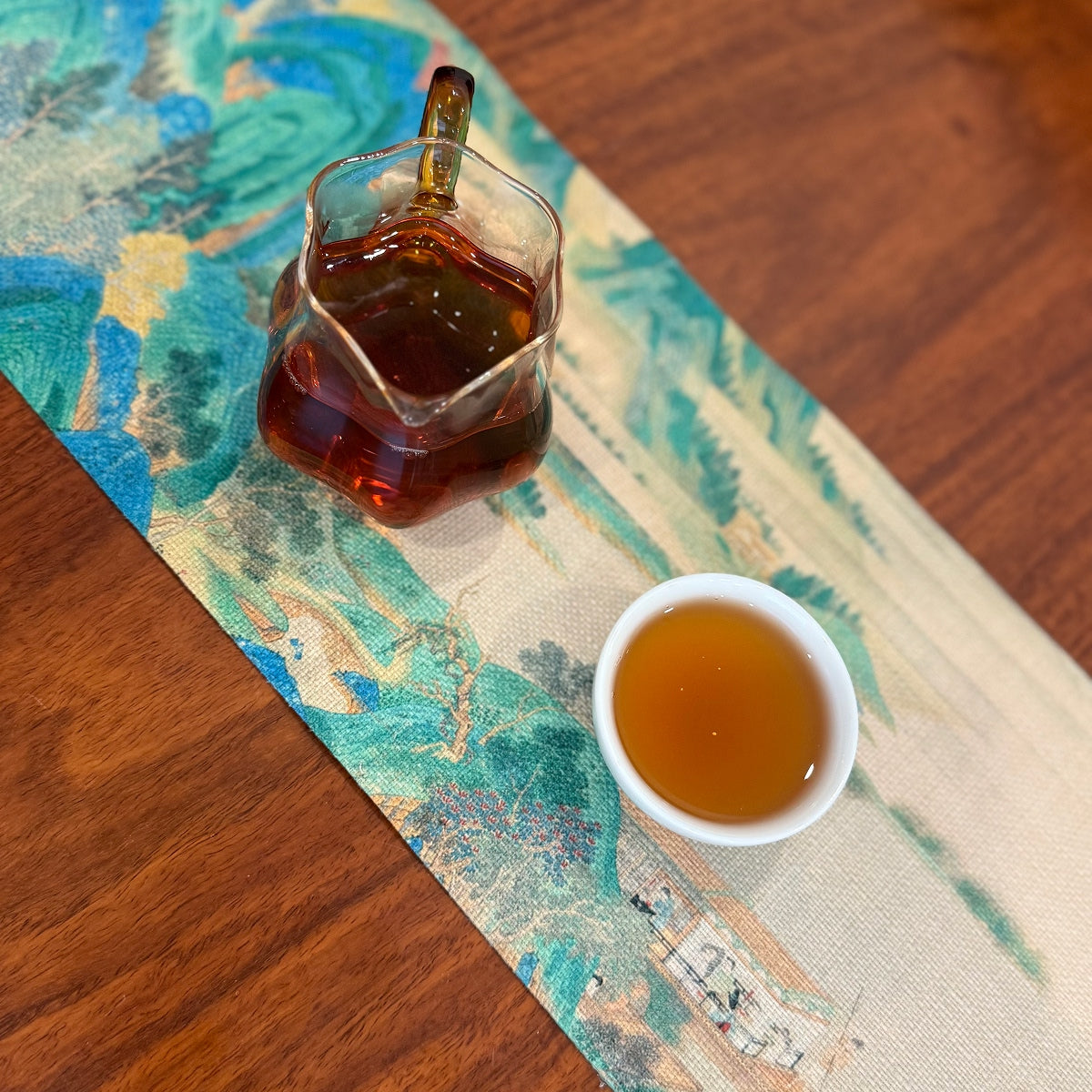


When summer arrives, there's nothing more refreshing than a glass of iced tea. While many people reach for sweetened bottled teas or flavored iced drinks, traditional Chinese loose leaf tea offers a naturally refreshing alternative with no need for added sugar or artificial flavors.
From the delicate sweetness of Bai Hao Yin Zhen White Tea (Silver Needle) to the floral elegance of Tie Guan Yin Tea (Ti Kuan Yin / Iron Goddess) and the fruity aroma of Mi Lan Xiang Dan Cong Tea (Honey Orchid Aroma), Chinese tea transforms beautifully when served cold. Whether you prefer a quick flash-chilled brew or an overnight cold brew, the right tea leaves can create a smooth, aromatic drink that highlights the true character of the tea.
In this guide, you'll learn what Chinese iced tea is, why loose leaf tea makes a superior iced drink, which teas are best for summer, and how to brew them for the best flavor.
What Is Chinese Iced Tea?
Chinese iced tea is simply traditional Chinese loose leaf tea that is brewed and served cold. Unlike many commercial iced teas, it isn't designed around sugar, syrups, or fruit concentrates. Instead, the focus is on the tea itself—allowing its natural sweetness, floral aromas, and layered flavors to shine.
Because Chinese tea is produced using carefully selected leaves and traditional craftsmanship, many varieties develop complex flavors without any added ingredients. A chilled cup of white tea may reveal notes of honey and melon, while a cold brewed oolong can offer orchid fragrance or tropical fruit aromas.
One of the greatest advantages of Chinese iced tea is its versatility. Different tea categories create completely different summer drinking experiences.
- White Tea – Light, smooth, naturally sweet, and refreshing.
- Green Tea – Crisp, fresh, and vibrant with delicate vegetal notes.
- Oolong Tea – Floral, fruity, creamy, and wonderfully aromatic.
- Black Tea – Rich, smooth, naturally sweet with honey and caramel notes.
Instead of masking the flavor with sweeteners, Chinese iced tea celebrates the character of the tea leaf itself.
Chinese Iced Tea vs. Sweet Iced Tea
Although both are served cold, traditional Chinese iced tea is quite different from the sweet iced tea commonly found in supermarkets or restaurants.
| Chinese Iced Tea | Traditional Sweet Iced Tea |
|---|---|
| Made with whole loose leaf tea | Often made with tea concentrate or tea bags |
| Naturally sweet | Sweetened with sugar or syrup |
| Complex floral and fruity aromas | Flavor mainly comes from sugar or added ingredients |
| Minimal ingredients | Frequently includes flavorings and preservatives |
| Highlights tea craftsmanship | Focuses on sweetness and refreshment |
If you're looking for a drink that lets you experience the authentic taste of tea, Chinese iced tea offers a completely different approach.

Why Chinese Tea Makes Better Iced Tea
Not every tea performs equally well when served cold.
Premium Chinese loose leaf teas are crafted to preserve the natural qualities of the tea leaves, which is why they retain remarkable flavor even after chilling. Rather than producing a flat or bitter drink, quality Chinese teas often become smoother, sweeter, and more refreshing when brewed correctly.
Here are the key reasons why.
1. Whole Leaves Create Better Flavor
The biggest difference between premium Chinese tea and many commercial teas is the leaf itself.
Most supermarket tea bags contain finely broken tea particles that release flavor quickly but can also produce bitterness and astringency.
Traditional Chinese tea is usually made from whole leaves or carefully picked buds. Because the leaves remain intact, they release flavor more gradually, creating a cleaner and more balanced cup.
For iced tea, this often means:
- A smoother mouthfeel
- More delicate floral aromas
- Longer-lasting sweetness
- Less harshness after chilling
The quality of the leaf matters far more than any recipe.

2. Natural Sweetness Becomes More Noticeable
One of the most surprising things about premium Chinese tea is that it can taste naturally sweet without adding sugar.
High-quality tea leaves contain naturally occurring amino acids and aromatic compounds that contribute to a soft, sweet impression. When tea is chilled—especially through cold brewing—these gentle flavors become easier to appreciate because bitterness is often less pronounced.
Depending on the tea, you may notice notes such as:
- Honey
- Peach
- Melon
- Orchid
- Chestnut
- Caramel
- Dried fruit
This natural complexity is one of the reasons many tea lovers enjoy Chinese iced tea without any sweeteners.

3. Traditional Craftsmanship Creates More Character
The flavor of Chinese tea is shaped long before it reaches your cup.
Factors such as the tea cultivar, mountain environment, harvest season, and traditional processing techniques all influence how a tea tastes.
For example:
- White tea is minimally processed, preserving its delicate floral sweetness.
- Green tea is heated soon after picking to maintain its fresh, vibrant character.
- Oolong tea is partially oxidized, creating layered floral and fruity aromas.
- Black tea is fully oxidized, developing rich honey, malt, and caramel notes.
These traditional methods allow each tea to express its own personality, whether enjoyed hot or cold.
4. Cold Brewing Brings Out a Smoother Side of Tea
Cold brewing has become one of the most popular ways to prepare loose leaf tea during summer—and for good reason.
Because cold water extracts flavor slowly, the resulting tea is often:
- Smoother
- Less bitter
- Naturally sweeter
- Exceptionally refreshing
This gentle extraction is especially well suited to white teas, green teas, and lightly oxidized oolongs, allowing their delicate aromas to shine without becoming overwhelming.
For many people, cold brew is the easiest way to discover just how enjoyable traditional Chinese tea can be.

5. Every Tea Offers a Different Summer Experience
One of the greatest joys of Chinese tea is its diversity.
Instead of relying on added fruit or flavorings, each tea naturally brings its own character to the cup.
For example:
- Looking for something light and refreshing? Try Bai Hao Yin Zhen (Silver Needle).
- Prefer a crisp, clean finish? Anji Baicha is an excellent choice.
- Love floral aromas? Tie Guan Yin offers elegant orchid notes.
- Want a naturally fruity tea? Mi Lan Xiang Dan Cong is famous for its honey-like sweetness and tropical fruit character.
- Prefer a richer iced tea? Dian Hong delivers a smooth body with honey and caramel notes.
Rather than searching for one "best" tea, the beauty of Chinese iced tea lies in exploring different styles and discovering the flavors you enjoy most.
A Better Way to Enjoy Summer Tea
Great iced tea doesn't need complicated recipes or excessive sweetness.
With premium Chinese loose leaf tea, fresh water, and a simple brewing method, you can create a naturally refreshing drink that reflects centuries of tea craftsmanship.
In the next section, we'll explore eight of the best Chinese teas for iced tea, explaining what each one tastes like, why it works so well when served cold, and which tea might become your new favorite summer companion.

The 8 Best Chinese Teas for Iced Tea
One of the best things about Chinese tea is its incredible diversity. From delicate white teas to floral oolongs and rich black teas, each variety offers a unique iced tea experience.
The teas below are excellent choices for both cold brewing and flash-chilled iced tea, offering natural sweetness, refreshing aromas, and smooth finishes without the need for added sugar.
1. Bai Hao Yin Zhen (Silver Needle)
Best For: Light, elegant, and naturally sweet iced tea
Tea Type: White Tea
Flavor Notes: Honey • Melon • Wildflowers
Cold Brew: ★★★★★
Made entirely from young tea buds, Bai Hao Yin Zhen is one of the most prized white teas in China. Its minimal processing preserves the tea's delicate sweetness and floral fragrance, making it one of the finest choices for summer.
When served cold, Silver Needle becomes exceptionally smooth with gentle honey notes, a hint of fresh melon, and a clean, silky finish. It is refreshing without feeling thin, making it ideal for all-day drinking.
Recommended Cold Brew
- 5g tea
- 500ml filtered water
- Refrigerate for 6–8 hours
Perfect For
- Beginners
- Warm summer mornings
- Anyone who enjoys light, delicate flavors

2. White Peony (Bai Mu Dan)
Best For: Naturally fruity and floral iced tea
Tea Type: White Tea
Flavor Notes: Peach • Apricot • Honey • Flowers
Cold Brew: ★★★★★
White Peony combines young buds with tender leaves, creating a fuller body than Silver Needle while maintaining the gentle sweetness that white tea is known for.
Cold brewing brings out juicy peach-like notes, delicate floral aromas, and a smooth honey finish. It feels richer than Silver Needle but remains wonderfully refreshing.
This is one of the easiest Chinese teas for newcomers because it is forgiving to brew and consistently produces a balanced cup.
Recommended Cold Brew
- 5g tea
- 500ml filtered water
- Refrigerate for 6–10 hours
Perfect For
- Afternoon refreshment
- Fans of naturally sweet teas
- First-time loose leaf tea drinkers

3. Anji Baicha
Best For: Crisp and refreshing green iced tea
Tea Type: Green Tea
Flavor Notes: Fresh Greens • Chestnut • Sweet Corn • Spring Vegetables
Cold Brew: ★★★★★
Despite its name, Anji Baicha is a green tea famous for its smooth texture and naturally sweet flavor.
Unlike many green teas that can become bitter when brewed incorrectly, Anji Baicha develops a fresh, clean taste when cold brewed. Its bright vegetal notes are balanced by gentle sweetness, creating an exceptionally refreshing summer drink.
Because of its high amino acid content, many tea lovers appreciate its smooth mouthfeel and lingering sweetness.
Recommended Cold Brew
- 4–5g tea
- 500ml filtered water
- Refrigerate for 4–8 hours
Perfect For
- Hot summer afternoons
- Daily iced tea
- Green tea lovers

4. Wild Green Tea
Best For: Fresh mountain character
Tea Type: Green Tea
Flavor Notes: Fresh Herbs • Mountain Greens • Minerals • Light Sweetness
Cold Brew: ★★★★☆
Wild Green Tea offers a different experience from cultivated green teas. Grown in natural mountain environments, it often reflects the freshness of its surroundings with clean, vibrant flavors and a pleasant mineral finish.
Served cold, it delivers crisp freshness with a lively character that pairs beautifully with warm weather.
If you enjoy the feeling of drinking tea that tastes close to nature, this is an excellent choice.
Recommended Cold Brew
- 5g tea
- 500ml filtered water
- Refrigerate for 6–8 hours
Perfect For
- Outdoor activities
- Hiking and picnics
- Tea drinkers who enjoy fresh, clean flavors

5. Tie Guan Yin (Iron Goddess of Mercy)
Best For: Floral and aromatic iced tea
Tea Type: Oolong Tea
Flavor Notes: Orchid • Cream • Fresh Flowers • Sweet Finish
Cold Brew: ★★★★★
Tie Guan Yin is one of China's most beloved oolong teas, celebrated for its elegant orchid fragrance and silky texture.
Cold brewing softens the tea while allowing its floral aromas to become beautifully expressive. The result is an iced tea that feels refreshing yet sophisticated, with layers of aroma that continue to develop as you drink.
Unlike heavily flavored beverages, Tie Guan Yin showcases the natural elegance that makes traditional Chinese oolong so distinctive.
Recommended Cold Brew
- 5g tea
- 500ml filtered water
- Refrigerate for 6–10 hours
Perfect For
- Floral tea lovers
- Afternoon relaxation
- Pairing with light desserts

6. Mi Lan Xiang Dan Cong (Honey Orchid Aroma)
Best For: Naturally fruity summer iced tea
Tea Type: Oolong Tea
Flavor Notes: Honey • Orchid • Peach • Tropical Fruit
Cold Brew: ★★★★★
If you enjoy fruit-flavored drinks but want something completely natural, Mi Lan Xiang Dan Cong is one of the best choices.
Grown in the Phoenix Mountains of Guangdong, this famous oolong is renowned for its naturally sweet honey aroma and orchid fragrance. No fruit or flavoring is added—the complex aroma comes entirely from the tea leaves and traditional craftsmanship.
Cold brewing highlights its silky texture and vibrant fruit character, creating an elegant alternative to sugary summer beverages.
Recommended Cold Brew
- 5g tea
- 500ml filtered water
- Refrigerate for 8–12 hours
Perfect For
- Fruit tea lovers
- Premium tea enthusiasts
- Replacing flavored iced drinks

7. Dian Hong (Yunnan Black Tea)
Best For: Rich and smooth iced black tea
Tea Type: Black Tea
Flavor Notes: Honey • Caramel • Malt • Dried Fruit
Cold Brew: ★★★★☆
Dian Hong proves that black tea can make exceptional iced tea.
Unlike many commercial black teas that become sharp or bitter when chilled, high-quality Dian Hong remains smooth, naturally sweet, and full-bodied.
Its honey and caramel notes create a comforting richness while maintaining excellent drinkability, making it a wonderful choice for those transitioning from traditional sweet iced tea.
Recommended Cold Brew
- 5g tea
- 500ml filtered water
- Refrigerate for 6–10 hours
Perfect For
- Black tea lovers
- Afternoon refreshment
- Pairing with breakfast or pastries

8. Aged White Tea
Best For: Deep, smooth, and complex iced tea
Tea Type: Aged White Tea
Flavor Notes: Honey • Dried Dates • Herbs • Woody Sweetness
Cold Brew: ★★★★☆
Aged white tea offers a completely different summer experience.
Over time, white tea develops deeper flavors while maintaining its smooth character. Cold brewing reveals notes of dried fruit, gentle herbal complexity, and mellow sweetness, creating a refreshing drink with surprising depth.
It may not be the first tea beginners choose, but experienced tea drinkers often appreciate its unique personality.
Recommended Cold Brew
- 5g tea
- 500ml filtered water
- Refrigerate for 8–12 hours
Perfect For
- Evening tea sessions
- Experienced tea drinkers
- Those exploring aged Chinese teas

Quick Comparison Guide
| Tea | Best Flavor Profile | Best For |
|---|---|---|
| Bai Hao Yin Zhen | Honey, floral, melon | Light and elegant refreshment |
| White Peony | Peach, apricot, honey | Naturally sweet everyday iced tea |
| Anji Baicha | Fresh, chestnut, crisp | Clean and refreshing summer drinks |
| Wild Green Tea | Herbal, mineral, fresh | Outdoor activities and nature lovers |
| Tie Guan Yin | Orchid, creamy, floral | Floral aroma enthusiasts |
| Mi Lan Xiang Dan Cong | Honey, tropical fruit | Fruity tea lovers |
| Dian Hong | Honey, caramel, malt | Rich and smooth iced tea |
| Aged White Tea | Herbs, dried fruit, sweet | Deep and complex flavors |
Which Chinese Tea Should You Try First?
If you're new to Chinese iced tea, start with White Peony or Anji Baicha. Both are easy to brew, naturally refreshing, and showcase the clean, balanced flavors that make loose leaf Chinese tea so enjoyable.
If you already love floral teas, Tie Guan Yin is an excellent introduction to Chinese oolong. For those who enjoy naturally fruity aromas, Mi Lan Xiang Dan Cong offers one of the most distinctive cold brew experiences without any added flavoring.
Ultimately, there is no single "best" Chinese tea for iced tea. Each variety tells a different story, shaped by its origin, harvest, and craftsmanship. Exploring these teas is part of the journey—and one of the most rewarding ways to experience traditional Chinese tea during the summer.

How to Make Chinese Iced Tea
Making Chinese iced tea at home is surprisingly simple. With quality loose leaf tea, fresh water, and the right brewing method, you can create a refreshing summer drink that highlights the tea's natural sweetness and aroma—without relying on sugar or artificial flavorings.
There are two popular methods for preparing Chinese iced tea:
- Cold Brew – Smooth, naturally sweet, and perfect for preparing ahead.
- Flash-Chilled (Hot Brew + Ice) – More aromatic and ready to enjoy in minutes.
Both methods work well. The best choice depends on your schedule and the type of tea you're brewing.
Method 1: Cold Brew (Our Recommended Method)
Cold brewing is the easiest way to enjoy Chinese tea during the summer. Because the tea steeps slowly in cold water, the result is often smoother, less bitter, and naturally sweeter.
What You'll Need
- 5g loose leaf Chinese tea
- 500ml filtered cold water
- A glass bottle, pitcher, or tea infuser
- A refrigerator
Step 1: Add the Tea Leaves
Place about 5 grams of loose leaf tea into your brewing container.
Step 2: Pour in Cold Water
Add 500ml of filtered water. Using filtered or spring water helps preserve the tea's clean flavor.
Step 3: Refrigerate
Steep according to the tea type:
| Tea Type | Cold Brew Time |
|---|---|
| Green Tea | 4–8 hours |
| White Tea | 6–10 hours |
| Oolong Tea | 6–12 hours |
| Black Tea | 6–10 hours |
Many people simply prepare the tea before bed and enjoy it the next morning.
Step 4: Strain and Serve
Remove the leaves, pour into a glass, and enjoy. Add a few ice cubes if you prefer an extra-chilled drink.
Method 2: Flash-Chilled Iced Tea
If you don't have time to wait, the flash-chilled method is an excellent alternative.
Brewing with hot water extracts more aroma, while cooling the tea quickly helps preserve its fresh flavor.
Step 1: Brew a Stronger Tea
Use:
- 5g tea
- 250–300ml hot water
Because the tea will be diluted by ice, brewing it slightly stronger produces a better balance.
Step 2: Use the Correct Water Temperature
| Tea Type | Water Temperature |
|---|---|
| Green Tea | 75–85°C (167–185°F) |
| White Tea | 85–95°C (185–203°F) |
| Oolong Tea | 90–100°C (194–212°F) |
| Black Tea | 90–100°C (194–212°F) |
Step 3: Pour Over Ice
Fill a glass with ice and pour the freshly brewed tea directly over it.
The tea cools immediately, creating a refreshing drink while preserving much of its aroma.

Cold Brew vs. Flash-Chilled
| Feature | Cold Brew | Flash-Chilled |
|---|---|---|
| Preparation Time | 4–12 hours | About 10 minutes |
| Flavor | Smooth and naturally sweet | Richer aroma and fuller body |
| Bitterness | Lower | Slightly more noticeable |
| Best For | White, green, and light oolong teas | Oolong and black teas |
If you're new to Chinese iced tea, cold brewing is often the easiest place to start.
Pro Tips for Better Chinese Iced Tea
A few simple habits can make a noticeable difference in the final cup.
Use Quality Loose Leaf Tea
The better the tea leaves, the better the iced tea. Whole leaves provide more complex flavors and a smoother finish than broken tea bags.
Use Fresh Water
Tea is mostly water, so filtered or spring water will usually produce cleaner, brighter flavors than heavily chlorinated tap water.
Adjust the Tea Before Adjusting the Time
If your tea tastes weak, add slightly more leaves rather than dramatically increasing the brewing time.
Taste Before Adding Sweeteners
Many premium Chinese teas already offer natural notes of honey, flowers, fruit, or caramel. Try the tea on its own before adding sugar or other ingredients.
Store Properly
Homemade iced tea is best enjoyed within 24–48 hours and should always be stored in the refrigerator in a sealed container.
Common Mistakes When Making Chinese Iced Tea
Even high-quality tea can produce disappointing results if it's brewed incorrectly. Fortunately, the most common mistakes are easy to avoid.
Mistake 1: Using Low-Quality Tea
The quality of the tea leaves has the greatest impact on flavor.
Many commercial tea bags contain broken leaves that can taste flat or bitter when served cold.
For the best results, choose premium loose leaf Chinese tea made from whole leaves or young buds.
Mistake 2: Using Water That Is Too Hot
This mistake is especially common with green tea.
Boiling water can overpower delicate leaves and create unnecessary bitterness.
Always use the recommended water temperature for your tea, or choose the cold brew method for an even smoother result.
Mistake 3: Over-Steeping
Longer brewing does not always mean better flavor.
Whether you're using hot water or cold water, over-extraction can reduce balance and mask the tea's natural sweetness.
Follow the recommended brewing times, then adjust gradually based on your personal preference.
Mistake 4: Using Too Little Tea
A weak cup usually isn't caused by brewing too briefly—it's often caused by using too few tea leaves.
For most Chinese iced teas, 5 grams of loose leaf tea is an excellent starting point.
From there, you can adjust to suit your taste.
Mistake 5: Covering the Tea with Sugar
One of the biggest advantages of premium Chinese tea is its natural complexity.
Instead of immediately adding sugar or flavored syrups, taste the tea first.
You may discover flavors of honey, peach, orchid, chestnut, or caramel that don't need any extra sweetness.
If you'd like to experiment, fresh fruit such as peach, orange, or lemon can complement the tea without overpowering it.

The Secret to Great Chinese Iced Tea
Making excellent Chinese iced tea isn't about following a complicated recipe.
It comes down to three simple principles:
- Start with quality loose leaf tea.
- Use the right brewing method for the tea you're drinking.
- Let the tea's natural flavors shine.
With just a few small adjustments, you can transform traditional Chinese tea into one of the most refreshing drinks of the summer.
Frequently Asked Questions About Chinese Iced Tea
Chinese iced tea is a simple yet fascinating way to enjoy traditional tea. Whether you are new to loose leaf tea or already a tea enthusiast, these answers cover some of the most common questions about brewing, choosing, and enjoying Chinese iced tea.
Can You Cold Brew Chinese Tea?
Yes. Almost any Chinese tea can be cold brewed, but some varieties are especially suitable.
White tea, green tea, and lightly oxidized oolong tea often perform beautifully because their delicate aromas and natural sweetness develop slowly in cold water.
Great choices include:
- Bai Hao Yin Zhen (Silver Needle)
- White Peony
- Anji Baicha
- Tie Guan Yin
- Mi Lan Xiang Dan Cong
A simple starting method is:
5g loose leaf tea + 500ml cold water + 6–10 hours refrigerated
What Is the Best Chinese Tea for Iced Tea?
The best Chinese tea for iced tea depends on your preferred flavor.
- Light and sweet: Bai Hao Yin Zhen
- Fresh and refreshing: Anji Baicha
- Floral and elegant: Tie Guan Yin
- Fruity and aromatic: Mi Lan Xiang Dan Cong
- Rich and smooth: Dian Hong
For beginners, white tea and green tea are often the easiest choices because they naturally create a clean and refreshing summer drink.

Does Cold Brew Tea Taste Sweeter?
Cold brew tea often tastes smoother and naturally sweeter because cold water extracts tea compounds more slowly.
Compared with hot brewing, cold extraction usually produces:
- Less bitterness
- Lower astringency
- A softer mouthfeel
This allows delicate flavors such as honey, flowers, and fruit notes to become more noticeable.
Is Cold Brew Tea Healthier Than Regular Iced Tea?
Cold brewed Chinese tea can be an excellent alternative to many commercial iced drinks because it is naturally low in calories and does not require added sugar.
Traditional Chinese teas contain naturally occurring compounds such as polyphenols and amino acids.
However, the overall characteristics depend on the tea variety, brewing method, and any ingredients added.
Does Cold Brew Tea Have Less Caffeine?
The caffeine level of cold brew tea depends on several factors, including:
- Tea variety
- Amount of leaves used
- Brewing time
- Water temperature
Cold brewing may extract caffeine differently from hot brewing, but the difference varies between teas.
If you prefer a lighter cup, try using fewer leaves or choosing naturally lighter teas such as white tea.
Can Pu-erh Tea Be Served Cold?
Yes, Pu-erh tea can be enjoyed as iced tea, although it creates a different experience from lighter summer teas.
Raw Pu-erh may offer:
- Fresh herbal notes
- Mineral character
- A clean finish
Ripe Pu-erh may provide:
- Smooth texture
- Earthy sweetness
- Deep flavors
For beginners exploring Chinese iced tea, white tea, green tea, and oolong tea are usually easier starting points.

How Long Does Homemade Chinese Iced Tea Last?
For the best flavor, homemade iced tea is best enjoyed fresh.
Recommended storage:
- Keep refrigerated
- Store in a sealed glass container
- Drink within 24–48 hours
Freshly prepared tea will always offer the brightest aroma and cleanest taste.
Can I Add Fruit or Sweeteners to Chinese Iced Tea?
Yes. While premium Chinese tea is enjoyable on its own, adding fruit can create interesting summer combinations.
Good pairings include:
- White tea + peach
- Green tea + lemon or mint
- Oolong tea + citrus
- Black tea + berries
However, we recommend tasting the tea by itself first. Many high-quality Chinese teas already contain naturally fruity and floral aromas.

Discover Your Perfect Chinese Iced Tea
Chinese iced tea is more than a refreshing summer drink.
It is a way to experience traditional tea culture in a modern and simple way.
A single tea leaf carries the story of its origin—the mountains where it grew, the season it was harvested, and the craftsmanship used to create its unique flavor.
Whether you prefer a light and delicate white tea, a fresh green tea, an aromatic oolong, or a rich black tea, there is a Chinese iced tea waiting to become your summer favorite.
Start with a simple combination:
Premium loose leaf tea + fresh water + time.
No artificial flavors.
No unnecessary sweetness.
Just the natural beauty of Chinese tea.
Explore our collection of authentic Chinese loose leaf teas and discover the perfect tea for your next iced tea experience.