

2019 Yunnan Qizi Bing Ripe Pu-erh Tea Cake (Shou)


2019 Yunnan Qizi Bing Ripe Pu-erh Tea Cake (Shou)
Yunnan Pu-erh (Pu’er)
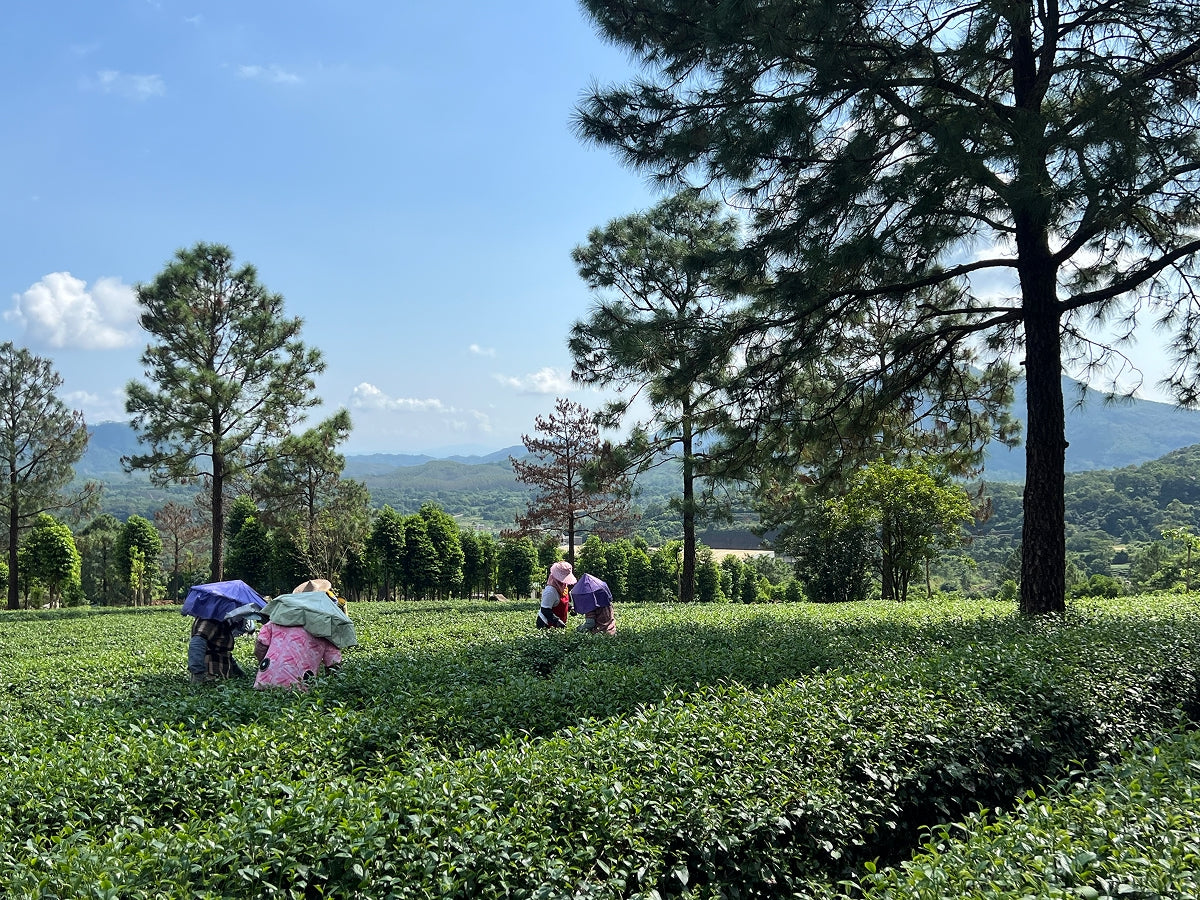
The 2019 Yunnan Qizi Bing Ripe (Shou) Pu-erh Tea Cake is a classic release created in collaboration between one of our tea shops, Chunming Tea, and local tea farmers in Mengku, Yunnan. These farmers have inherited generations of expertise in Pu-erh tea cultivation and processing.
Raw Material: Ancient Tree Spring Harvest
This ripe Pu-erh tea is crafted from spring-harvested leaves picked from ancient tea trees over 100 years old.
Traditional Processing of Fresh Leaves
The fresh leaves are traditionally processed through:
- Withering
- Pan-firing
- Rolling
- Sun-drying
to produce sun-dried maocha (at this stage, if the tea were steamed and compressed into cakes, it would become raw Pu-erh tea).
The maocha then undergoes the modern wo dui (pile-fermentation) process, which was developed and refined in the mid-1970s.
Wo Dui Fermentation: The Core Transformation Process
Pile fermentation is the most critical stage in the production of ripe Pu-erh tea.
It enables the tea to develop flavor characteristics similar to those achieved through many years of natural aging within a relatively short period.
Technical Sensitivity of the Process
However, the process not only results in a significant reduction in yield but also requires exceptional technical precision.
Even slight variations in:
- Temperature
- Humidity
- Turning schedules
may lead to:
- Sourness
- Mold
- Spoilage
- Thin liquor
- Imbalanced taste
Craftsmanship: Tea Master Selection & Natural Aging
Starting with sun-dried maocha crafted by local tea farmers using traditional methods, several experienced tea masters collaboratively conducted the critical wo dui fermentation, resulting in a bright, clear liquor with pure aroma, rich silky mouthfeel, and no off-flavors.
The tea was then naturally stored and aged in Yunnan's dry and stable climate, allowing further transformation over time.
Seven-Year Natural Aging Transformation
After seven years of natural aging, the tea cake has gradually transformed from the reddish-brown appearance of newly produced ripe Pu-erh into a deep, uniform brown color.
Dry Tea Cake Appearance
- Interior and exterior show consistent coloration
- Cake surface remains clean and free of discoloration
- When lightly tapped, the cake produces a crisp, firm sound, indicating proper dry storage conditions
- The buds have mellowed into a light brown hue, contrasting against the darker leaves
- The dry leaves offer gentle aged notes with subtle woody aromas, clean and natural with no unwanted odors
Tea Liquor Characteristics
When brewed with boiling water, the liquor quickly reveals a deep ruby-red color with exceptional clarity.
As the tea progresses through multiple infusions:
- Liquor shifts from deep red to amber-red
- Remains bright, transparent, and cloud-free
- A subtle golden rim appears along the surface of the liquor, reflecting the tea's rich internal composition
Aroma Profile
Once infused, the tea displays a clean and pure aged aroma with no pile-fermentation odor, storage smell, or other unwanted notes.
The warmed leaves release a comforting combination of:
- Ripe fruit notes
- Dried dates
- Dark honey aromas
Taste & Mouthfeel
The liquor is rich, smooth, and velvety, with remarkable body and an almost creamy texture.
Distinctive sweetness characteristic of Mengku ripe Pu-erh unfolds across the palate, accompanied by notes reminiscent of:
- Brown sugar
- Dried dates
- Dark honey
The sweetness gradually extends from the tip of the tongue into the throat, leaving a long-lasting and satisfying finish.
Raw vs Ripe Pu-erh Comparison Experience
We also invite you to explore the raw (Sheng) Pu-erh version made from the same batch of ancient-tree material harvested in the same year but left unfermented.
Experience the Contrast
By comparing the two, you can experience firsthand how identical ancient-tree leaves develop entirely different characteristics through:
- Natural aging (Raw Pu-erh)
- Artificial fermentation (Ripe Pu-erh)
Discover the contrast between:
- Centuries-old tradition of raw Pu-erh
- Modern craftsmanship behind ripe Pu-erh
Bundle Offer
To help tea lovers explore these two processing methods side by side:
- Purchase one cake of the raw version
- And one cake of the ripe version together
- Enjoy a 10% bundle discount – automatically applied at checkout (no coupon needed)
View Related Product
View the corresponding raw Pu-erh tea:
2019 Yunnan Qizi Bing Raw (Sheng) Pu-erh Tea Cake (Raw Material Details)

Gongfu Tea Brewing Guide
(Traditional Method)
Always rinse tea before the first infusion. For compressed teas, adjust the rinsing time according to the compression level, allowing the leaves to gently loosen before the first infusion.
| Water Temperature | 100°C (212°F) |
| Tea-to-Water Ratio | 9g tea per 160ml water |
| Steeping Time | |
| Brews 1–5 | Steep for 5–10 sec |
| Brews 6–10 | Steep for 11–20 sec |
| Brews 11–15 | Steep for 21–30 sec |
| Brews 16+ | Steep for 30+ sec |
Tips: Tea masters recommend steeping times based on each tea's unique flavor, starting the timer after pouring the water.
Common Brewing Guide
(Easy Everyday Preparation)
| Water Temperature | 100°C (212°F) |
| Leaf-to-Water Ratio | 2g per 100ml |
| Steeping Time | About 1–2 minutes |
| Subsequent Infusions | Increase by 30 seconds each time |
Tips: You can adjust the steeping time or leaf-to-water ratio to suit your taste—shorten the infusion for a lighter brew or extend it for a stronger one.