

2019 Lao Ban Zhang Golden Tips Ripe Pu-erh Tea Cake


2019 Lao Ban Zhang Golden Tips Ripe Pu-erh Tea Cake
Yunnan Pu-erh (Pu’er)
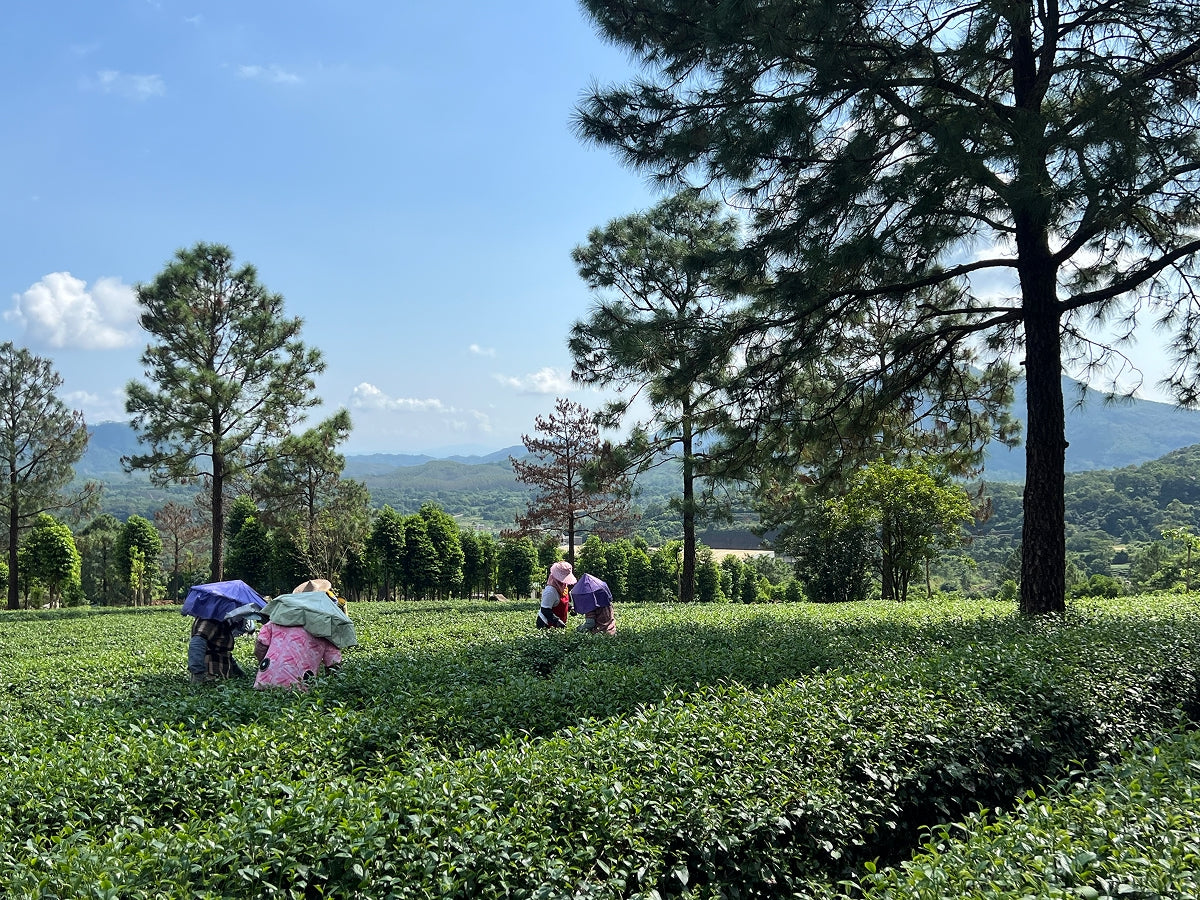
This 2019 Lao Ban Zhang Golden Tips Ripe Pu-erh Tea Cake (Shou) was pressed in 2019 using material in which approximately 50% of the fresh leaves originated from the renowned Lao Ban Zhang Village, one of the most celebrated origins in the world of Yunnan Pu-erh tea.
It shares the same leaf grade as our now sold-out 2008 Golden Tips Ripe Pu-erh Tea Cake and is similarly rich in golden buds. The difference lies in the origin of the raw material:
- 2008 Edition: Made entirely from tea leaves sourced from Lao Ban Zhang Village.
- 2019 Edition: By the time this tea was produced, the price of Lao Ban Zhang raw material had increased by roughly thirty times. As a result, this tea was blended using spring-harvest ancient-tree Maocha from both Lao Ban Zhang Village and neighboring Ban Pen Village, with trees ranging from approximately 100 to 300 years of age, in a 1:1 ratio.
We believe in providing complete transparency regarding the composition of our teas. The packaging and naming of this product are closely connected to its origin. For those interested in learning more about the price differences among teas from the same region, we have discussed this topic in detail on our 2023 Single Tree Lao Ban Zhang Raw Pu-erh Tea Cake product page.
Dry Leaf Evaluation
The unretouched photographs taken in our tea house clearly show the abundance of golden buds throughout the tea cake. After several years of natural aging, the surface has developed a natural sheen. The cake is free from mold, excessive loosening, or dust, reflecting careful storage and maturation.
The dry leaves offer a clean aged aroma accompanied by subtle sweet and mellow notes.
Brewing Notes
Liquor Color
When infused with boiling water, the tea produces a rich and brilliant reddish-brown liquor. The color resembles deep burgundy wine, with excellent clarity and noticeable viscosity visible on the cup walls.
Aroma
Hot Aroma
The dominant aroma is a clean aged fragrance, accompanied by delicate floral notes and gentle ripe-fruit sweetness.
Warm Aroma
The sweet and mellow character contributed by Ban Pen material integrates beautifully with the depth associated with Lao Ban Zhang. The aroma remains deep and steady, revealing hints of aged wood and dried jujube.
Empty Cup Aroma
The empty cup retains a clean honey-like sweetness with a soft, comforting sweetness.
Taste Profile
Core Characteristics: Thick Texture, Smooth Mouthfeel, and Balanced Bitterness and Sweetness
First Impression
The tea liquor immediately feels rich, thick, and silky on the palate, with a substantial texture reminiscent of a well-structured red wine. After several years of natural aging, Lao Ban Zhang’s characteristic bold bitterness has softened considerably. It now appears only as a light bitterness that fades quickly on the palate.
Sweetness
The natural sweetness of Ban Pen material gradually emerges through the middle of the session. Combined with the sweetness associated with the abundant buds, it creates a pleasing balance between sweetness and bitterness without becoming overly rich or cloying.
Smoothness
The tea glides smoothly across the tongue without any harshness, leaving a warm and comfortable sensation in the throat. After drinking, the throat feels open, relaxed, and refreshed.
Returning Sweetness and Salivation
After swallowing, salivation gradually develops beneath the tongue and along the cheeks. The returning sweetness is clean and refreshing, carrying a subtle cooling sensation reminiscent of sugarcane.
Endurance
This tea can comfortably withstand more than twelve infusions. After the sixth infusion, the sweetness becomes increasingly pronounced, while the later steeps reveal a distinct rock-sugar character.
Leaf Base
The infused leaves are evenly processed, displaying an attractive reddish-brown color with a natural sheen. Tender, resilient buds remain clearly visible among the leaves. There are no carbonized leaves or hard black stems. The blend appears harmonious throughout, with no sense of separation between the different source materials.
What Are Golden Tips?
Golden tips are the fine hairs naturally found on young tea buds and the underside of tender leaves. Leaves picked to higher-grade standards — such as single buds, one bud with one leaf, or one bud with two leaves — typically contain a greater concentration of these fine hairs.
Why Are They Golden?
Raw Pu-erh Tea
In young raw Pu-erh tea, these fine hairs usually appear silver-white or light gray. As the tea ages, they gradually develop a yellowish hue.
Ripe Pu-erh Tea
During the wet-piling fermentation process used to produce ripe Pu-erh tea, compounds within the fine hairs interact with microbial activity, causing them to turn golden or reddish-gold in color.
For this reason, the golden appearance of the buds on ripe Pu-erh tea is generally considered a natural result of proper fermentation and preservation of leaf vitality.
Traditional Blending and Regional Character
Over the past two decades, the Pu-erh market has increasingly focused on single-village and micro-origin teas. While these teas showcase the unique characteristics of specific ecosystems and microclimates, thoughtful blending remains one of the foundations of traditional Pu-erh production.
The 2019 Lao Ban Zhang Golden Tips Ripe Pu-erh Tea Cake (Shou) is a carefully crafted blend of ancient-tree material from Lao Ban Zhang and neighboring Ban Pen Village. The combination brings together Lao Ban Zhang’s depth and structure with Ban Pen’s sweetness and approachability.
After several years of natural aging, the tea is already very enjoyable to drink today while still offering potential for further development under proper storage conditions.
Not sure if this tea suits your taste? Try a sample and follow our brewing guide.