

2025 Bai Mu Dan White Tea Cake (White Peony)


2025 Bai Mu Dan White Tea Cake (White Peony)
Fujian • China Tea
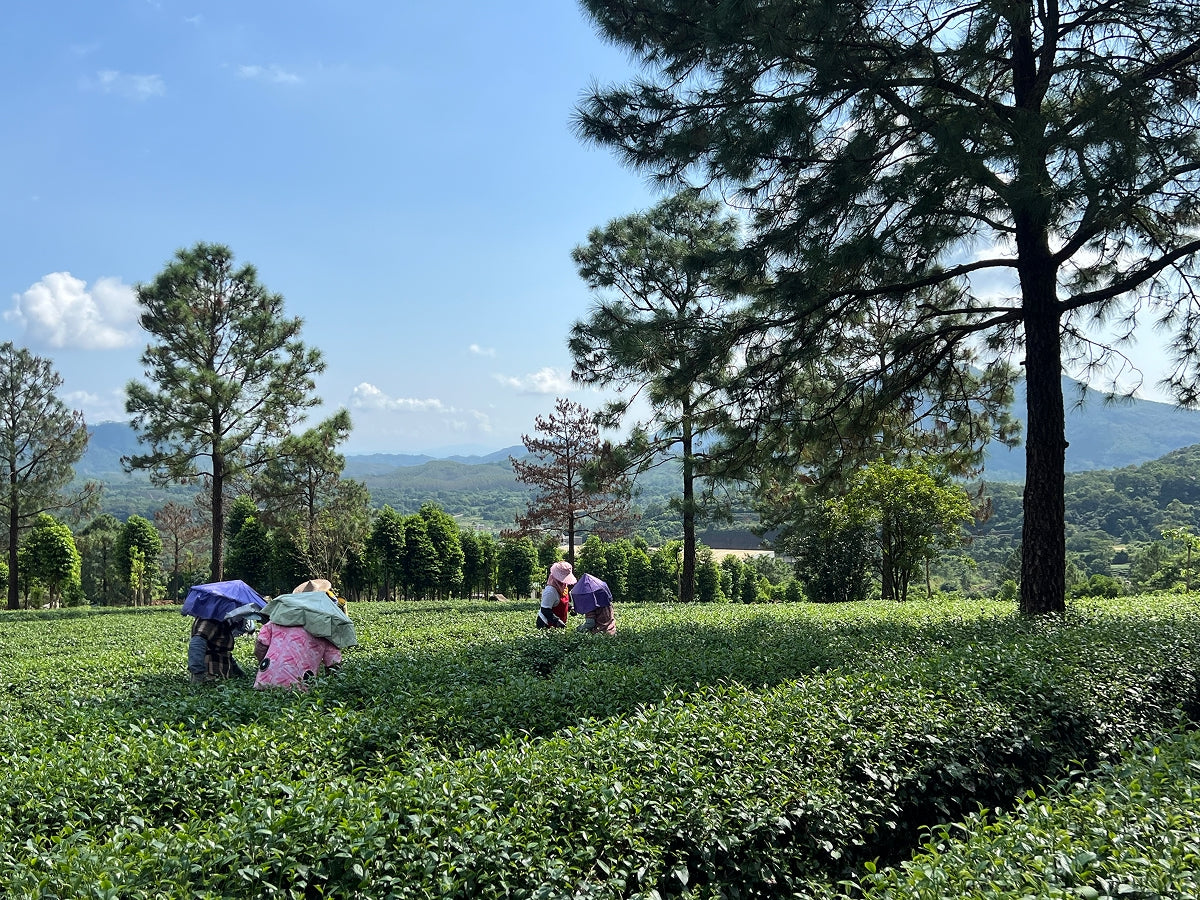
This 2025 Bai Mu Dan White Tea Cake is produced in Guan Yang Town, Fuding, Fujian — one of China’s traditional white tea regions, with a long history deeply connected to Fujian’s tea culture. Known as White Peony (Bai Mudan), this style of white tea is appreciated for its delicate balance of buds and leaves, as well as its fresh and elegant character.
Why We Released This Young Bai Mu Dan Tea
As a tea company specializing in traditional Chinese teas, we typically allow white teas with strong aging potential to undergo natural storage, giving them the time needed to gradually develop deeper and more mature flavors before sharing them with tea enthusiasts.
Years of experience and our dedication to traditional tea have taught us to respect this natural transformation, rather than rushing it simply to reduce storage time or pursue short-term sales.
Among the 26 batches of Bai Mu Dan white tea we acquired and produced between 2023 and 2026, this 2025 Bai Mu Dan White Tea Cake (White Peony) was one of the few batches we chose to release while young.
After careful evaluation by our experienced tea team, considering the raw material quality, craftsmanship, aroma, flavor, and overall balance, we found that this tea beautifully represents the fresh, pure, and distinctive character of Bai Mu Dan in its young stage.
For this reason, we decided to share it before aging, allowing tea lovers to experience Fuding white tea in its authentic, vibrant youth.
Understanding White Tea's Young Stage
White tea is generally considered to be in its young stage within the first 1 to 3 years.
However, each batch develops differently due to variations in raw materials, growing conditions, and production methods.
Some high-quality white teas can continue to retain their fresh and lively characteristics even after a longer period of aging.
With that in mind, here's what we observed during our in-store tasting of this 2025 Bai Mu Dan.
Tea Tasting Notes: 2025 Bai Mu Dan White Tea Cake
Dry Leaf Observation
Upon opening the tea cake, you can observe the characteristic buds and leaves of Bai Mu Dan.
The overall appearance shows a fresh and gentle color, reflecting the lively character of young white tea.
The proportion of buds and leaves is well balanced, and the tea cake is pressed with moderate firmness. The handmade pressing process gives each cake its own natural shape variations, preserving the unique character created through traditional tea-making craftsmanship.
Aroma Profile
Bai Mu Dan in its young stage is known for its fresh and natural aroma.
Before brewing, the dry leaves release a delicate botanical fragrance.
As the temperature rises, floral notes and subtle sweetness gradually emerge from the tea liquor, showcasing the purity and natural character of Fuding white tea.
Tea Liquor Profile
The tea liquor presents a light yet lively texture, with a refreshing and gentle taste accompanied by the natural sweetness characteristic of young Bai Mu Dan.
With each infusion, the layers of flavor gradually unfold, maintaining a harmonious balance between aroma, sweetness, and a delicate mouthfeel.
Tasting Impression
As a Bai Mu Dan tea cake released during its young stage, it does not offer the deep richness and maturity that develop through years of aging.
Instead, it expresses the freshness, purity, and vitality uniquely found in young white tea.
This is the authentic and vibrant character of Fuding white tea that we hope to share with tea enthusiasts through this 2025 Bai Mu Dan White Tea Cake.
Recommended For
The 2025 Bai Mu Dan White Tea Cake (White Peony) is not only a representative tasting tea for experiencing the character of Bai Mudan in its young stage, but also a tea with strong aging potential.
It is suitable for:
- Tea lovers who wish to explore the fresh expression of young white tea
- Those interested in observing how white tea develops and transforms over time
From a professional tasting perspective, this Bai Mu Dan tea cake has already demonstrated excellent aroma, flavor, and overall balance during its young stage.
However, one of the unique charms of white tea lies in the richer and deeper layers of flavor that emerge through years of natural aging.
Explore Our Aged White Tea Collection
If you prefer to directly enjoy white tea that has already reached a mature drinking stage, this tea may not be the right choice for you.
Our white tea collection includes more aged white teas that have undergone natural aging, offering additional options for those seeking a more mature flavor profile.

Gongfu Tea Brewing Guide
(Traditional Method)
Always rinse tea before the first infusion. For compressed teas, adjust the rinsing time according to the compression level, allowing the leaves to gently loosen before the first infusion.
| Water Temperature | 100°C (212°F) |
| Tea-to-Water Ratio | 7.5g tea per 160ml water |
| Steeping Time | |
| Brews 1–5 | Steep for 4–8 sec |
| Brews 6–10 | Steep for 9–20 sec |
| Brews 11–15 | Steep for 21–35 sec |
| Brews 16+ | Steep for 35+ sec |
Tips: Tea masters recommend steeping times based on each tea's unique flavor, starting the timer after pouring the water.
Common Brewing Guide
(Easy Everyday Preparation)
| Water Temperature | 100°C (212°F) |
| Leaf-to-Water Ratio | 2.5g per 100ml |
| Steeping Time | About 2–3 minutes |
| Subsequent Infusions | Increase by 30 seconds each time |
Tips: You can adjust the steeping time or leaf-to-water ratio to suit your taste—shorten the infusion for a lighter brew or extend it for a stronger one.