

2025 Roher Pu-Erh-Tee Kuchen (Sheng Pu'er)


2025 Roher Pu-Erh-Tee Kuchen (Sheng Pu'er)
Yunnan Pu-Erh (Pu'er)
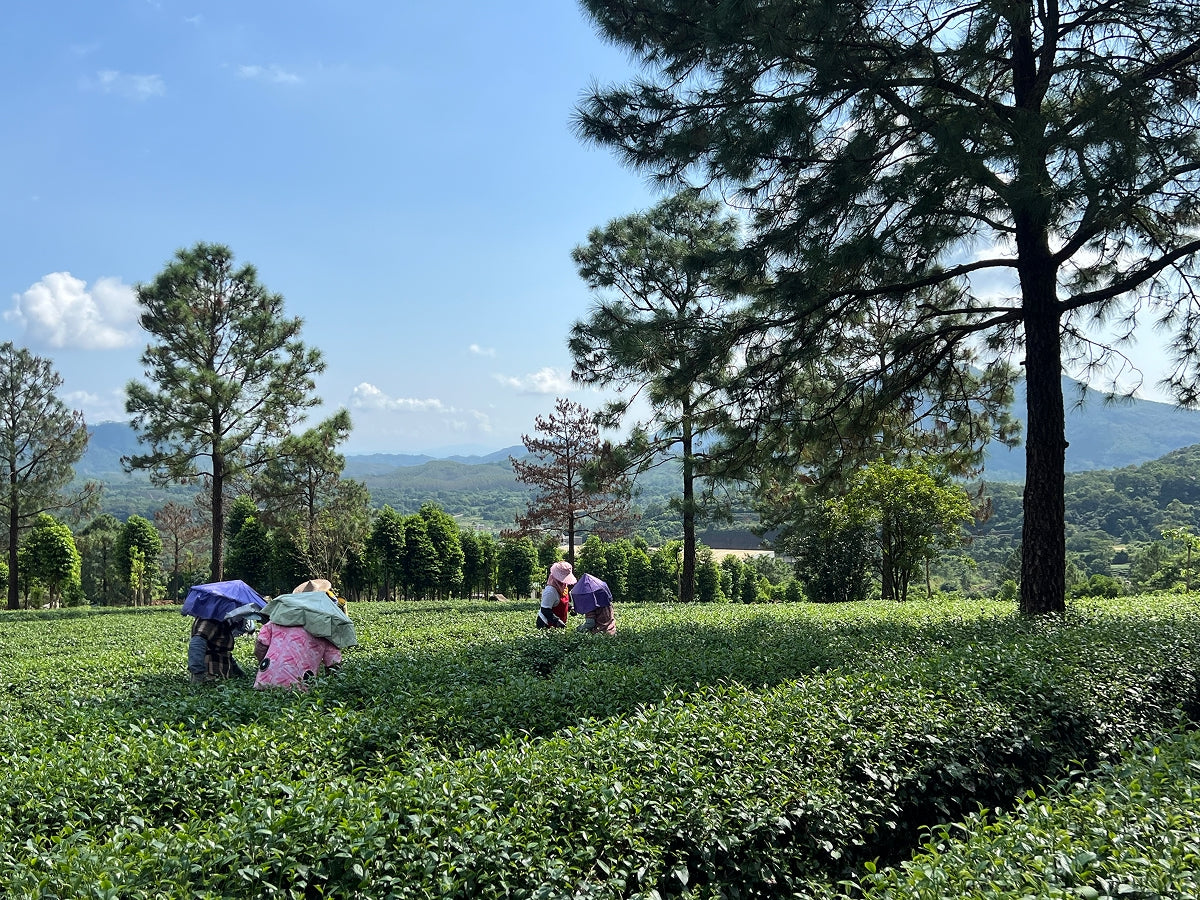
Dieser gepresste Teekuchen ist ein Raw Pu-erh Tee (auch bekannt als Sheng Pu'er Tee) vom Frühling 2025 aus Yunnan. Die Teeblätter wurden aus dem bekannten Dorf Hekai im Kreis Menghai, Xishuangbanna, Provinz Yunnan, geerntet.
Hekai umfasst neun Dorfgemeinschaften (Mikroregionen) und beherbergt über 2,3 Millionen alte Teebäume, die älter als 100 Jahre sind und eine Fläche von etwa 2.635 Acres (ca. 1.067 Hektar) bedecken. Es ist seit langem eine unserer wichtigsten direkten Bezugsquellen für erstklassigen Pu-erh Tee.
Ernte und Produktion
Jeden Frühling wählen unsere Teemeister sorgfältig sonnengetrocknete Teeblätter von 100 bis 300 Jahre alten Großblattbäumen aus den neun Dorfgemeinschaften von Hekai aus und mischen sie, um diesen Sheng Pu-erh Teekuchen herzustellen. Diese Serie ist seit sieben aufeinanderfolgenden Jahren der meistverkaufte Pu-erh Tee in unseren physischen Teehäusern und Teegeschäften.
Im Jahr 2025, um diesen authentischen Pu-erh Teekuchen aus alten Bäumen – bei lokalen Teeliebhabern sehr beliebt – mit Teeliebhabern auf der ganzen Welt zu teilen, haben wir diese Charge speziell zu 100g Minikuchen (anstatt der üblichen 357g) gepresst. Dies ermöglicht Neulingen des Raw Pu-erh Tees oder jenen, die neugierig auf neue Geschmacksrichtungen sind, eine „kleine, risikoarme“ Erfahrung zu genießen, während sie dennoch die volle Essenz des Tees einfangen.
Einführung und Geschmacksprofil
Nach einem Jahr der Reifung und Geschmacksbewertung haben wir diese Charge im Mai 2026 offiziell als 2025 Raw Pu-erh Teekuchen auf den Markt gebracht. Zu diesem Zeitpunkt hat sich der Teekuchen von seiner anfänglichen Bitterkeit gemildert:
- Süßer, mundwässernder Auftakt
- Starke Tee-Energie
- Erfrischendes Gefühl im Mund
Hinweis: Für traditionell langsam reifenden Sheng Pu-erh Tee gelten die ersten 3–5 Jahre noch als Übergang vom neuen Tee zum mittelalten Tee, was viel Raum für zukünftige Reifung lässt.
Informieren Sie sich vor dem Kauf
Wenn Sie neu im Bereich Pu-erh Tee sind und nach „Pu-erh Tee wo kaufen“ suchen, hilft es, zuerst zu verstehen, was authentischer Pu-erh Tee ist.
Anforderungen an authentischen Pu-erh Tee
Echter Pu-erh Tee muss die folgenden Kriterien erfüllen:
- Hergestellt aus sonnengetrockneten grünen Großblatt-Teeblättern aus Yunnan
- Anbau innerhalb des Gebiets des geografischen Schutzes (GI), das Folgendes umfasst:
- 11 Präfekturen
- 75 Landkreise
- 639 Gemeinden in Yunnan
3. Verarbeitet nach traditionellen Techniken:
- Ausbreiten
- Fixieren
- Rollen
- Sonnengetrocknet
- Dämpfen und Pressen zu Kuchen, wodurch Sheng Pu-erh Tee (traditioneller Raw Pu-erh Tee) entsteht
Wird vor dem Pressen ein zusätzlicher Schritt der Nachfermentation („Wet Piling“) hinzugefügt, entsteht Ripe Pu-erh Tee (Shou), der einer schnellen Fermentation unterzogen wird, um einen gereiften Geschmack zu erzielen.
Namenskonventionen
- In traditionellen Teekreisen oder im industriellen Kontext bezieht sich „Pu-erh Tee“ allein oft auf Raw Pu-erh Tee.
- Reifer Pu-erh Tee wird explizit als „Reifer (Shou) Tee“ bezeichnet.
Alterung und Lagerung
Sobald Sie diese Grundlagen verstanden haben, sollten Sie auch wissen, dass authentischer Pu-erh Tee mit dem Alter besser wird. Bei der Chinese Tea Group werden wir regelmäßig:
- Neue Chargen veröffentlichen
- Den Lagerbestand basierend auf den Lager- und Alterungsbedingungen rotieren
Dies ermöglicht Teeliebhabern:
- Ältere, gereifte Tees zu erleben
- Geschmacksunterschiede zwischen Jahrgängen zu vergleichen
Wir glauben auch, dass Tee zwar jedes Jahr wächst, aber das Klima, die Blattqualität und die Handwerkskunst des Teemeisters jedes Jahr einzigartig und unwiederholbar sind. Deshalb haben wir immer einen Teil des Tees auf Lager gehalten und pflegen einen Vorrat an gereiften Tees.
Verfügbarkeit und Sammeln
Folglich sind unsere Pu-erh Teekuchen oft schnell ausverkauft. Für viele Tees reservieren wir bewusst einen Teil zur weiteren Reifung, ähnlich wie Sammler, und antizipieren die Geschmacksentwicklung über die nächsten:
- Jahre
- Mehrere Jahre
- Jahrzehnte
Warum diesen Tee wählen
Diese Charge des 2025 Raw Pu-erh Teekuchens (Sheng Pu'er) bietet ein elegantes und zugängliches Geschmacksprofil, das sowohl für Anfänger als auch für erfahrene Pu-erh Teeliebhaber geeignet ist.
Wichtige Punkte:
- Hochwertiges Erlebnis zu diesem Preis und Jahrgang
- Elegantes und freundliches Geschmacksprofil
Sie brauchen nicht nach „Pu-erh Tee wo kaufen“ zu suchen – dieser Tee ist genau das, wonach Sie suchen.

Gongfu Tee Zubereitungsanleitung
(Traditionelle Methode)
Spülen Sie den Tee immer vor dem ersten Aufguss ab. Bei gepressten Tees passen Sie die Spülzeit an den Kompressionsgrad an, damit sich die Blätter vor dem ersten Aufguss sanft lösen können.
| Wassertemperatur | 100°C (212°F) |
| Tee-Wasser-Verhältnis | 8g Tee pro 160ml Wasser |
| Ziehzeit | |
| Aufgüsse 1–5 | 4–8 Sek. ziehen lassen |
| Aufgüsse 6–10 | 9–20 Sek. ziehen lassen |
| Aufgüsse 11–15 | 21–35 Sek. ziehen lassen |
| Aufgüsse 16+ | 35+ Sek. ziehen lassen |
Tipps: Teemeister empfehlen Ziehzeiten basierend auf dem einzigartigen Geschmack jedes Tees, wobei die Zeit nach dem Aufgießen des Wassers beginnt.
Allgemeine Zubereitungsanleitung
(Einfache tägliche Zubereitung)
| Wassertemperatur | 100°C (212°F) |
| Blatt-Wasser-Verhältnis | 2g pro 100ml |
| Ziehzeit | Etwa 1–2 Minuten |
| Nachfolgende Aufgüsse | Jedes Mal um 30 Sekunden verlängern |
Tipps: Sie können die Ziehzeit oder das Blatt-Wasser-Verhältnis an Ihren Geschmack anpassen – verkürzen Sie die Ziehzeit für einen leichteren Aufguss oder verlängern Sie sie für einen stärkeren.