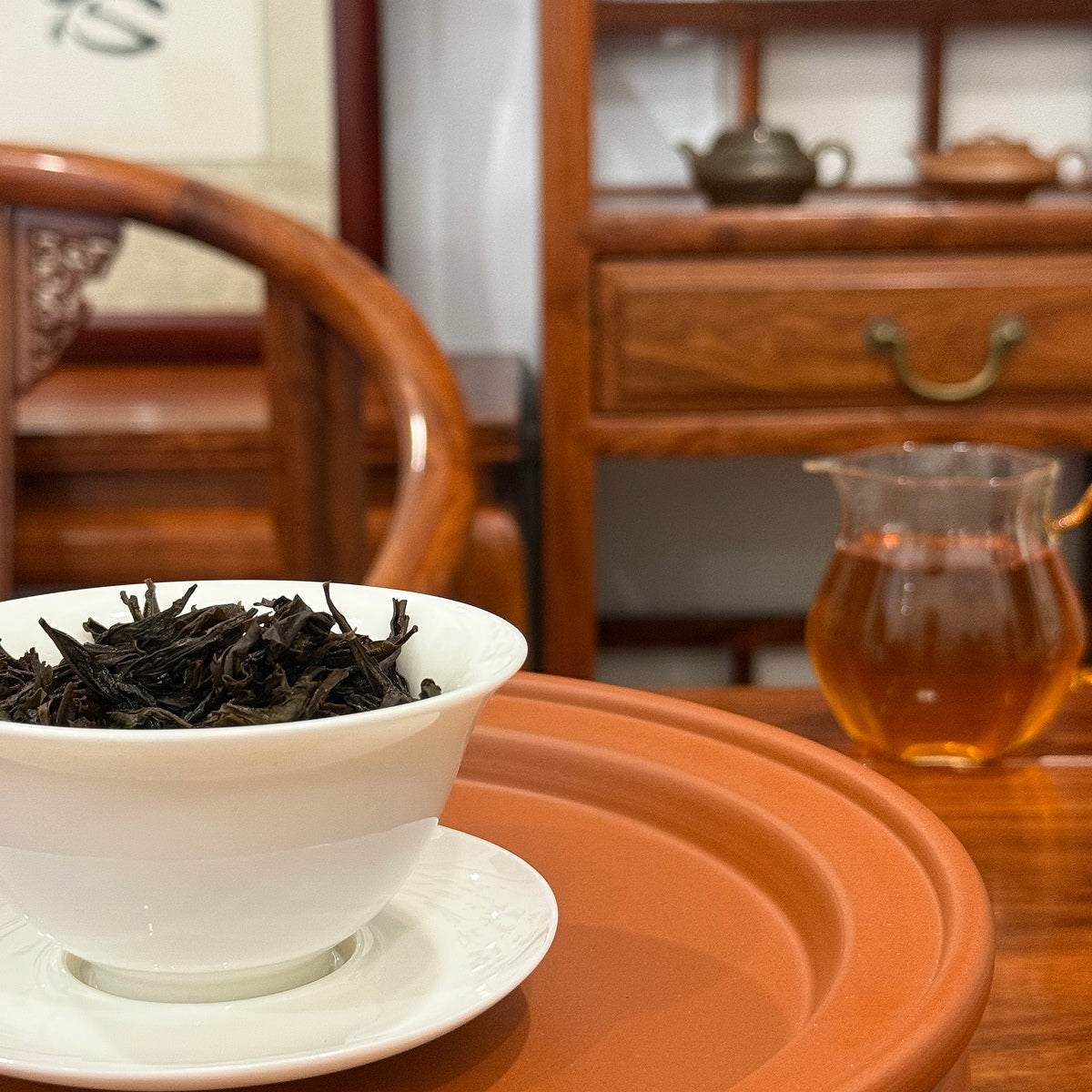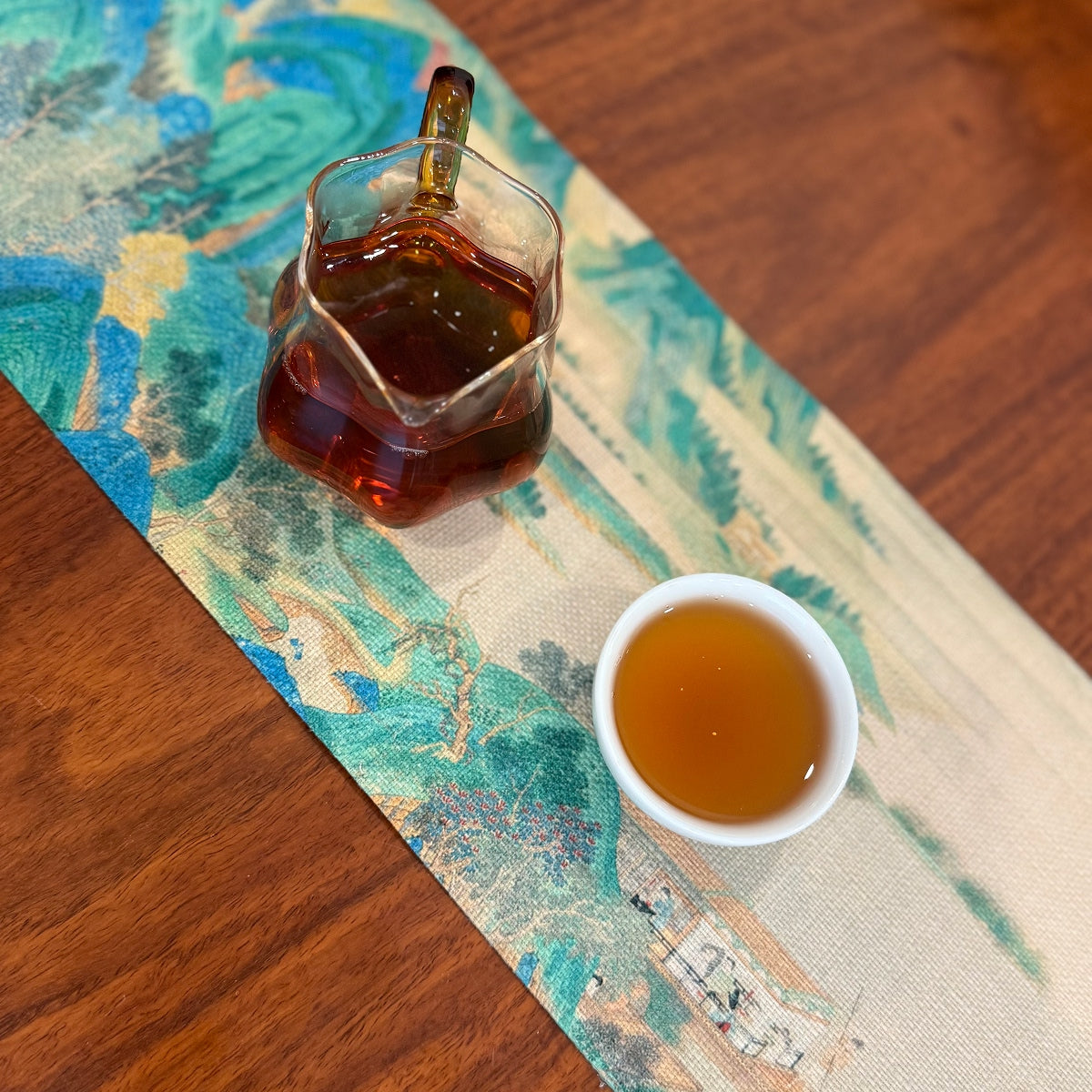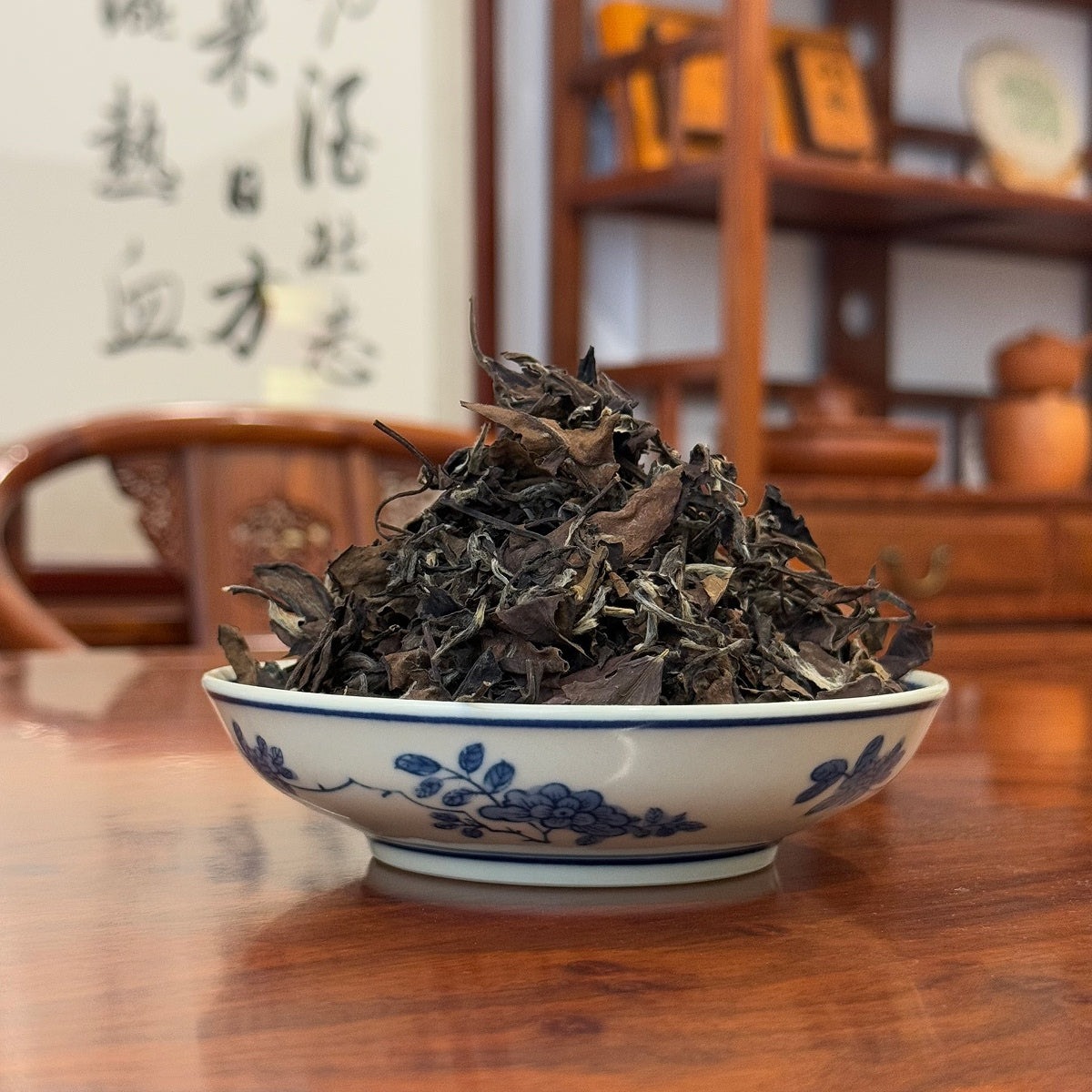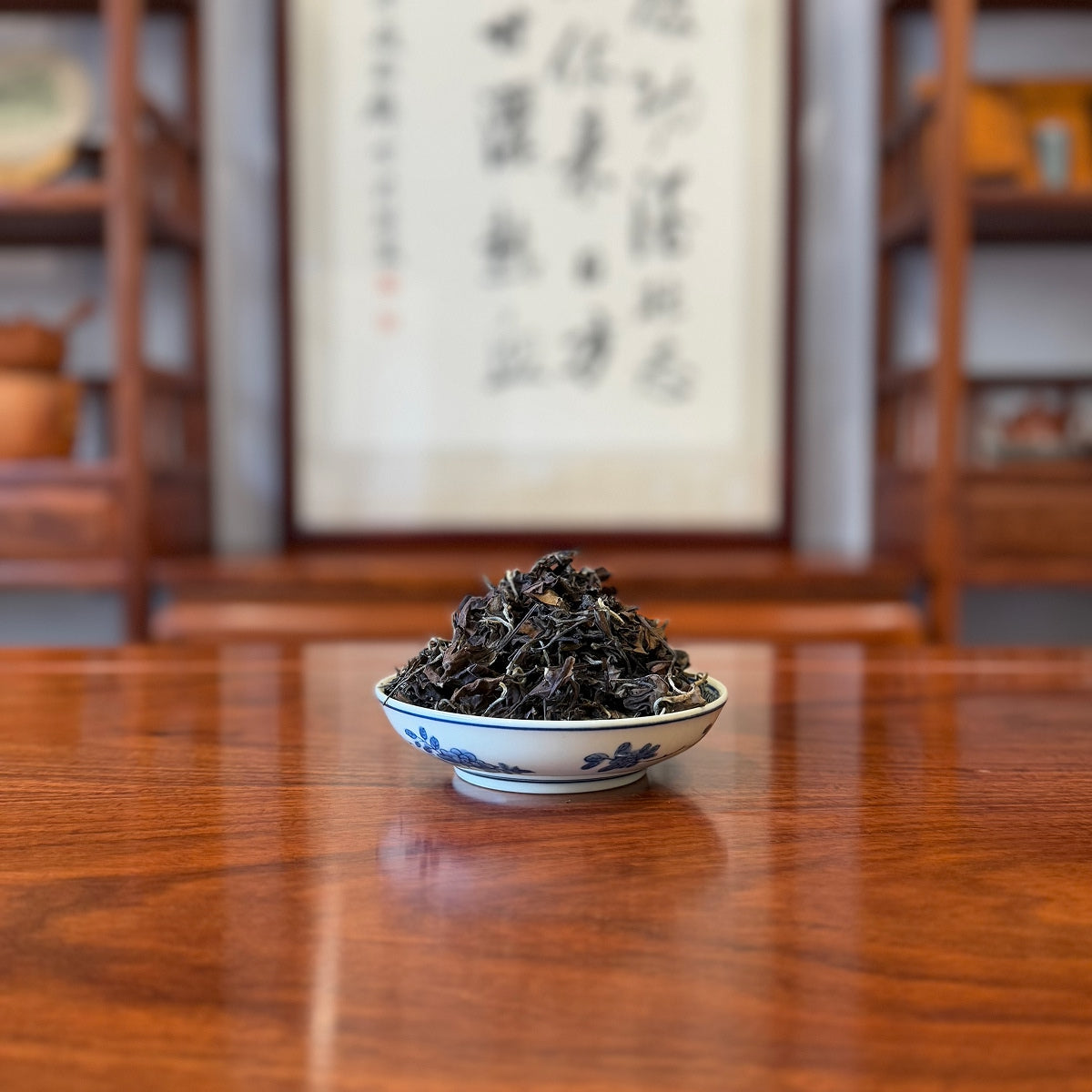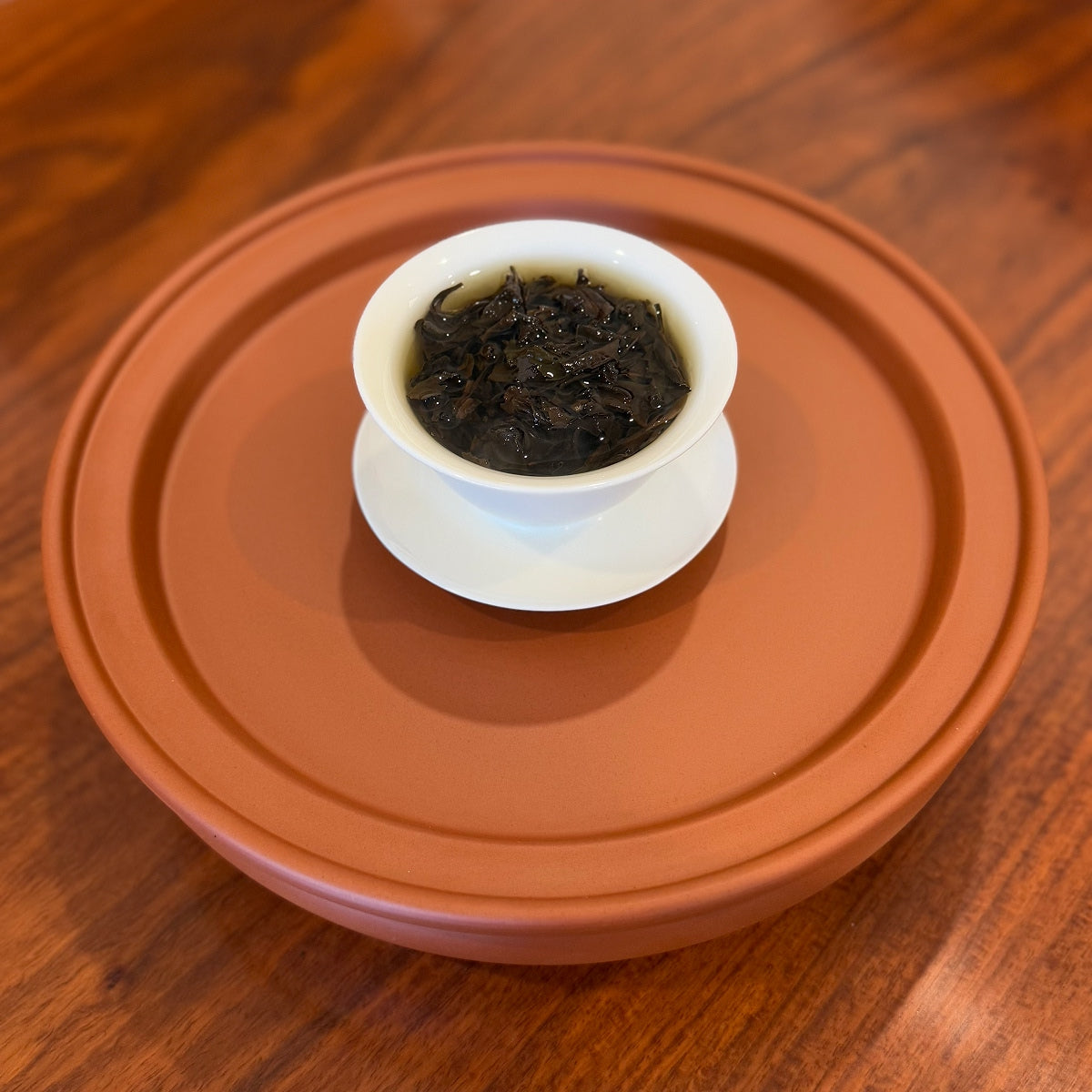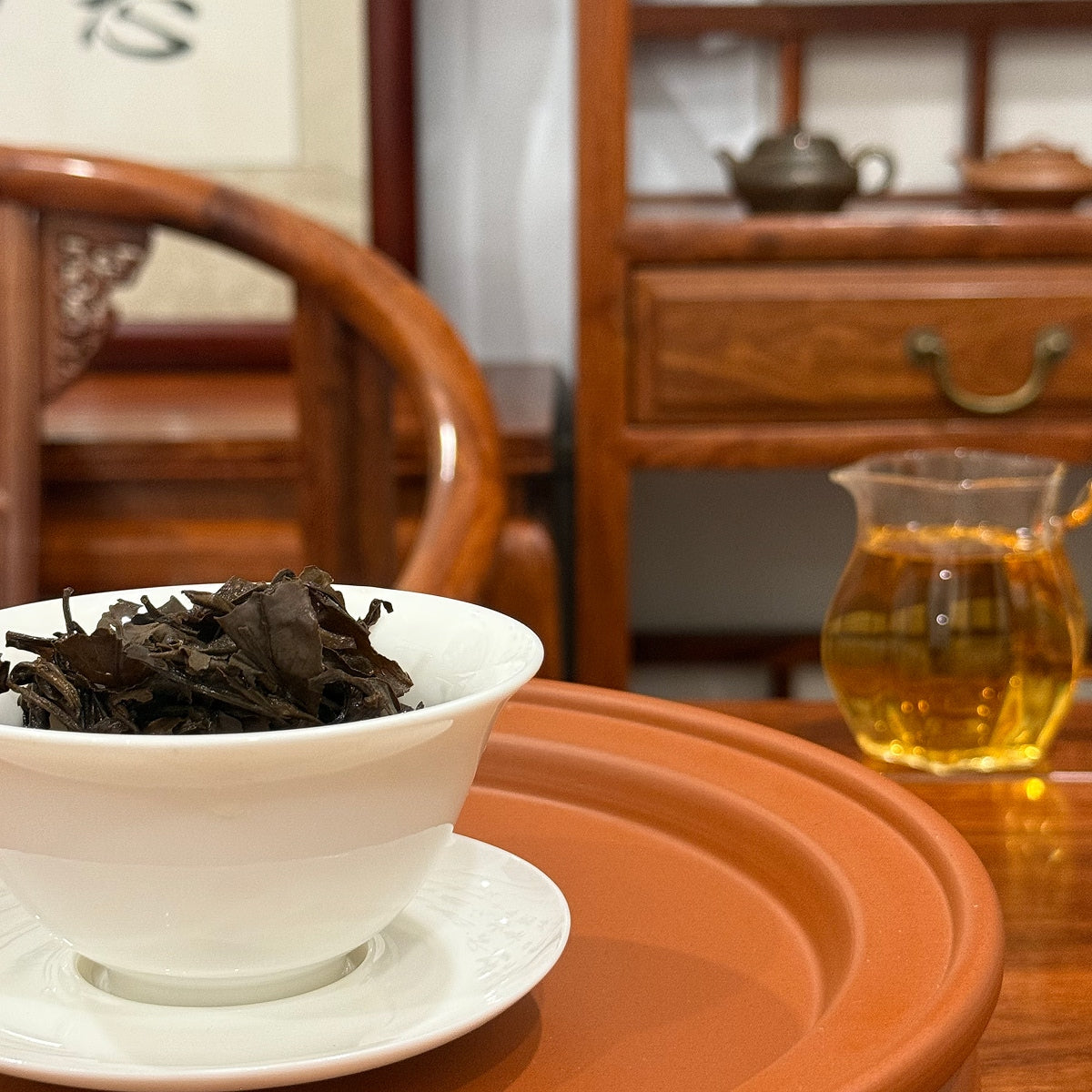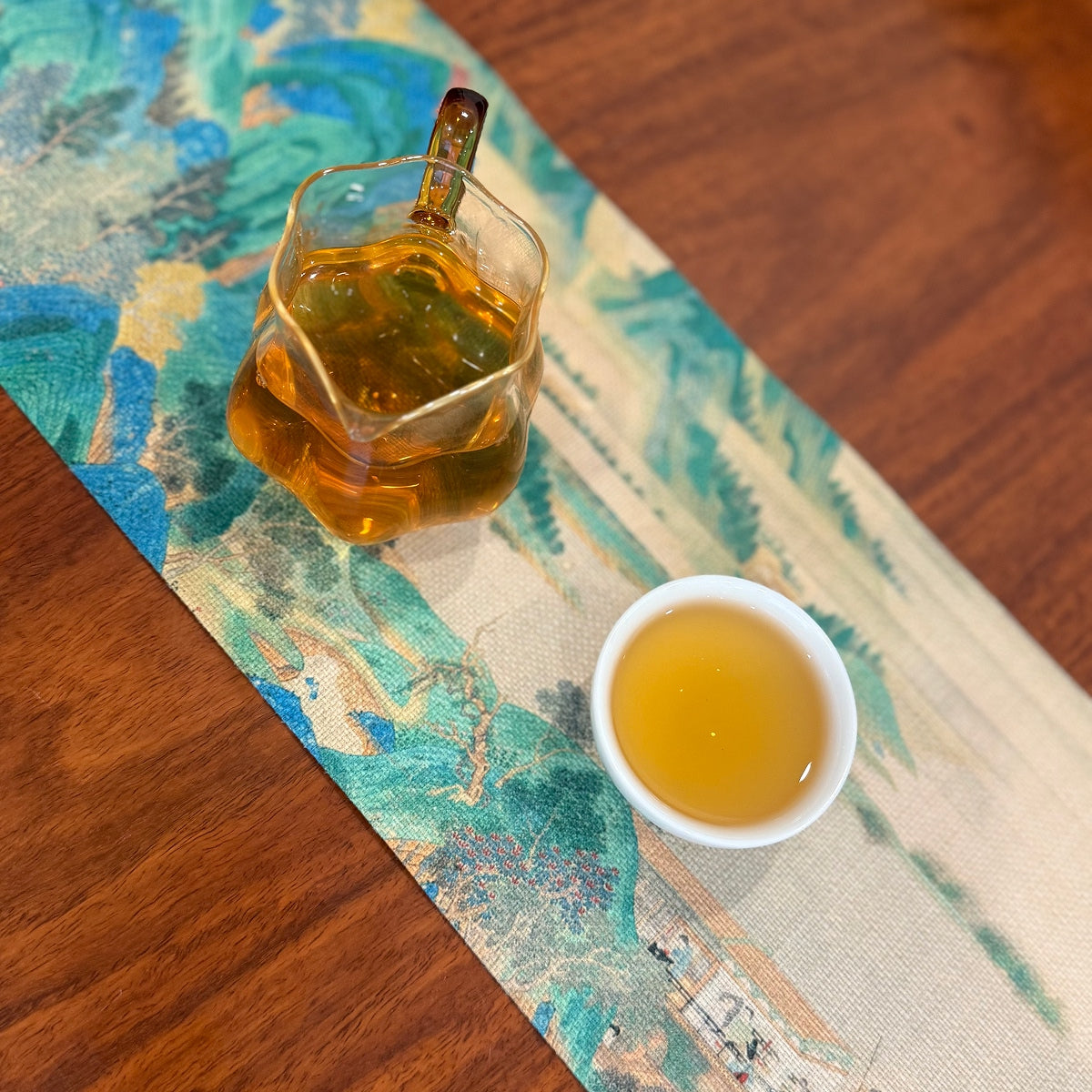


When you settle into a booth at your favorite Chinese restaurant, something arrives before the food — a small pot of hot tea. It’s clean, smooth, and effortlessly drinkable. Never perfumed. Just comforting.
Later, you might find yourself searching for that same tea online, wondering what it’s called and how you can enjoy it at home.
In this guide, we’ll uncover exactly what tea Chinese restaurants serve, why it tastes so different from supermarket teas, and how you can recreate that familiar experience with the right loose leaf tea.

What Tea Do Chinese Restaurants Serve?
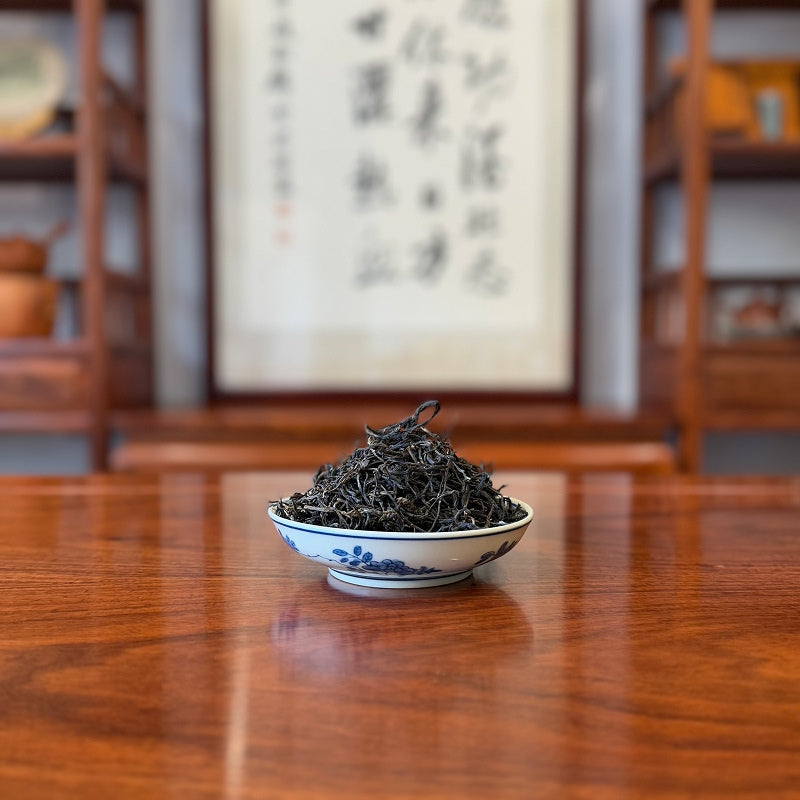
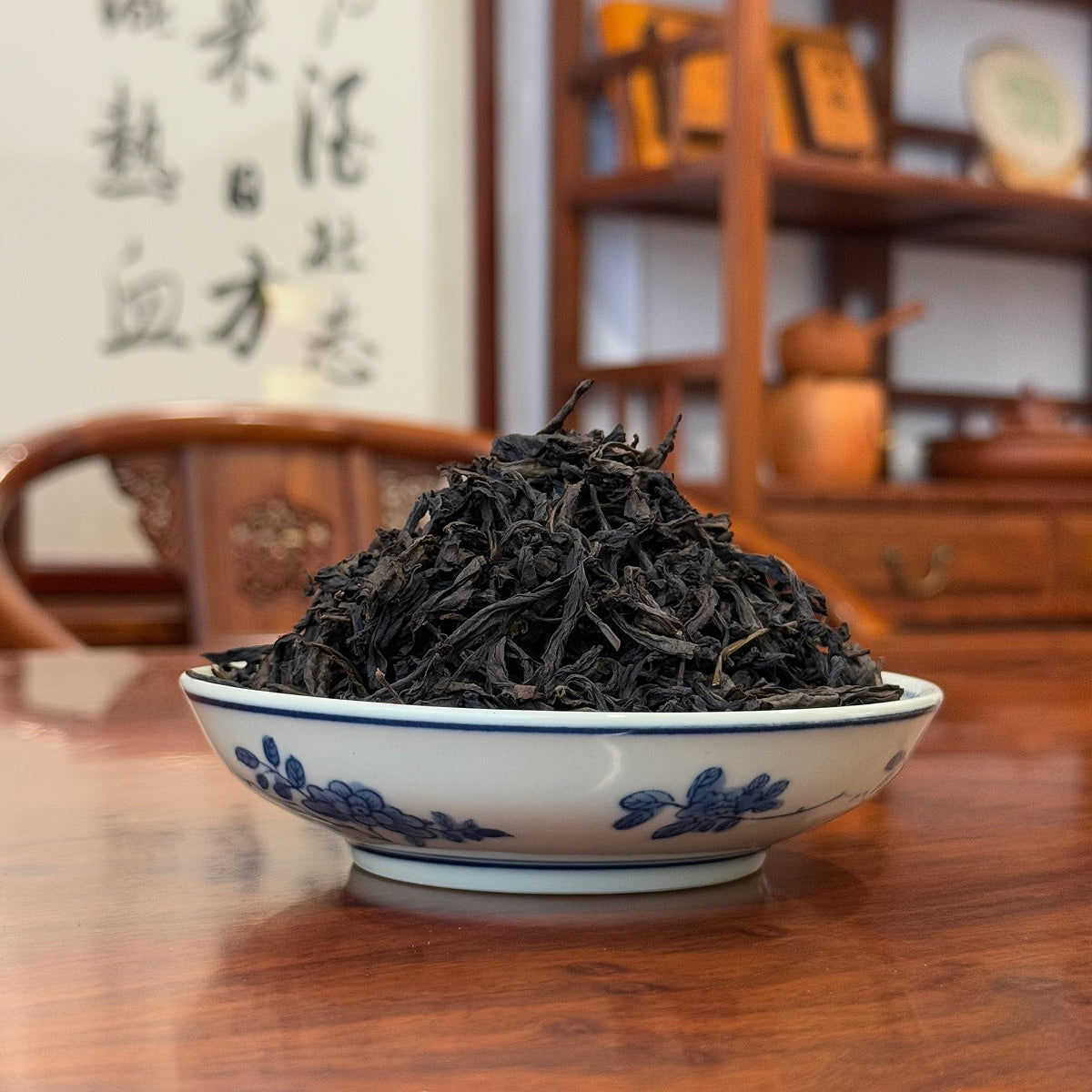
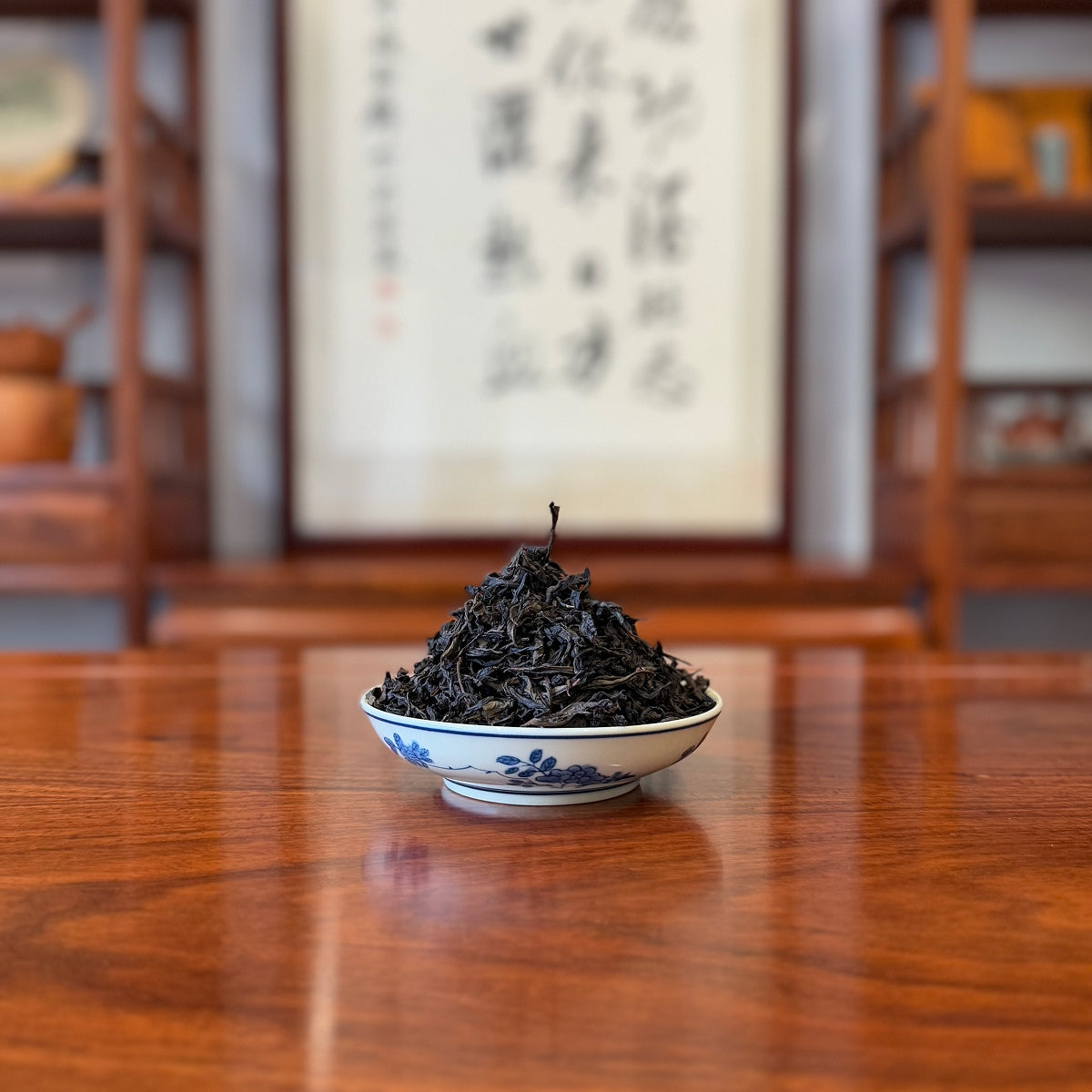
Chinese restaurants don’t stick to a single tea. Instead, most choose a simple, clean‑tasting loose leaf Chinese tea that pairs well with a variety of dishes and can be enjoyed throughout the meal.
The most common choice is Chinese green tea — usually a lightly pan‑fried variety, though some are richer and more aromatic. In Cantonese restaurants and dim sum houses, you’re more likely to be served oolong tea. And in traditional or older establishments, a pot of pu‑erh tea often appears after the meal. All of these teas are pure, with no added flavors.
When people talk about “Chinese restaurant tea,” they’re usually remembering a tea that is:
- Served hot in a pot
- Smooth and easy to drink
- Easy to drink with food
- Made from loose leaves, not tea bags
This style of tea is designed to be refreshing, neutral, and comforting—never overpowering.


Why Chinese Restaurant Tea Tastes Different
The secret behind that distinctive taste is simplicity. Most restaurants use loose leaf tea, not bags. The leaves are larger, less processed, and brewed gently. The goal isn’t intense aroma—it’s balance. A tea that supports the meal without competing with it.
Other key differences:
-
Lower leaf‑to‑water ratio – makes the tea smoother
-
Multiple infusions – the same leaves are steeped several times
-
No artificial flavorings or additives – just pure tea
That’s why restaurant tea feels light, clean, and drinkable from the first sip to the last.
The Most Common Types of Chinese Restaurant Tea
Chinese Green Tea
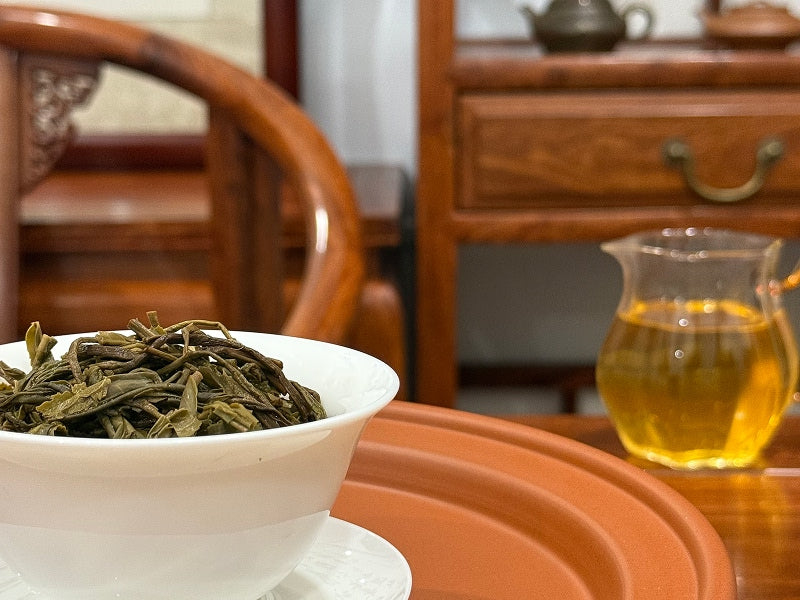
Chinese green tea is the most widely served tea in casual and family‑style Chinese restaurants. It’s typically pan‑fired rather than steamed, giving it a softer, rounder flavor compared to many Japanese green teas. The result is a fresh, clean cup with no sharp bitterness.
Why it’s so popular:
-
Gentle flavor that pairs well with a wide range of dishes
-
Easy to brew and hard to over‑steep
-
Comfortable to sip throughout an entire meal
When people think of “Chinese restaurant green tea,” this is usually what they’re picturing. That said, some versions are richer and more aromatic — still pure and smooth, but with deeper flavor that stands up beautifully to bolder dishes.

Oolong Tea
Oolong is the tea of choice in many Cantonese restaurants and dim sum parlors. It falls between green and black tea in oxidation, offering more depth while staying smooth and balanced. Diners enjoy oolong because it’s aromatic but not heavy, and it holds up beautifully to multiple infusions.
If you’ve ever had tea with your dim sum, it was almost certainly oolong.

Pu-erh Tea
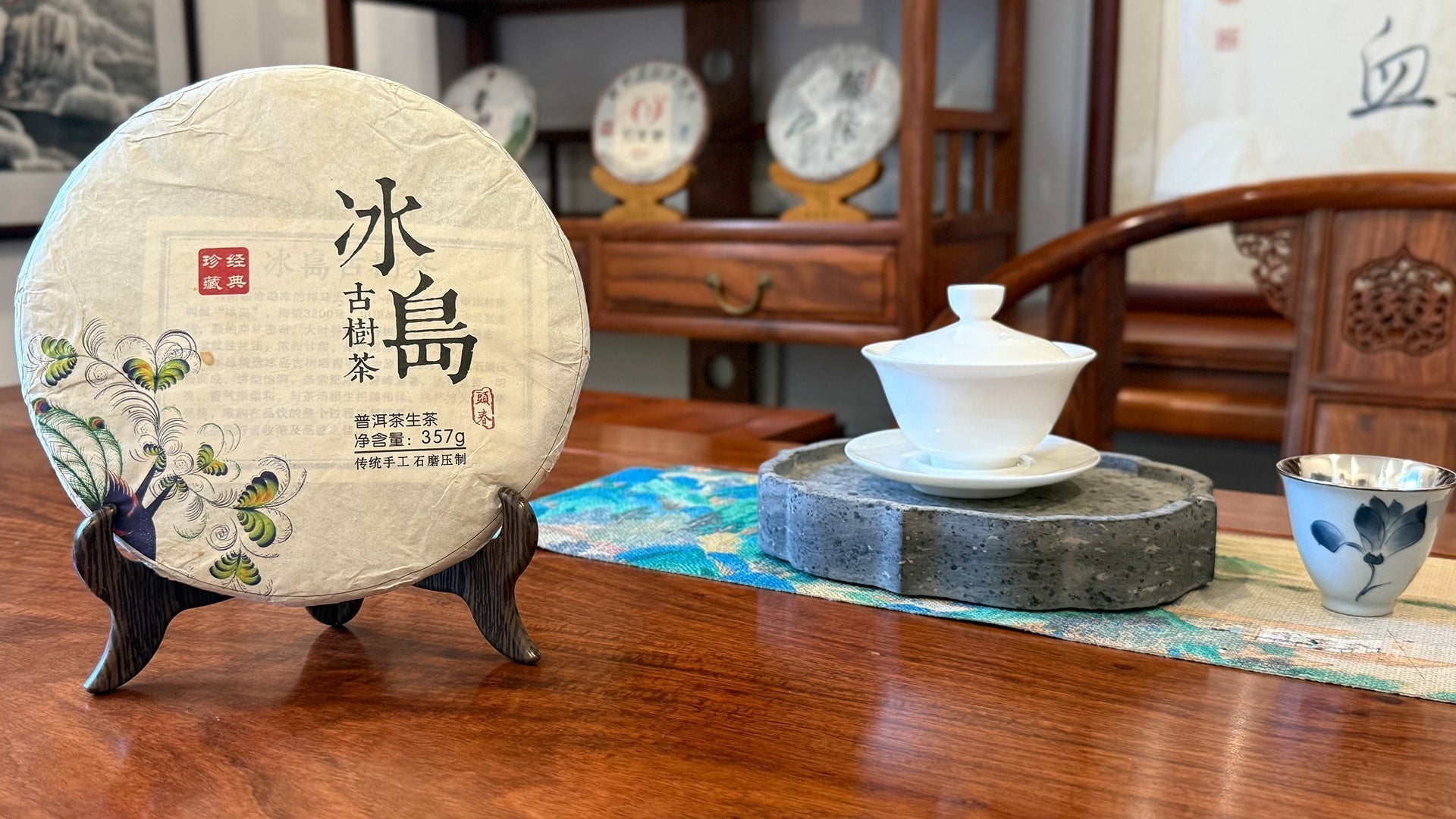
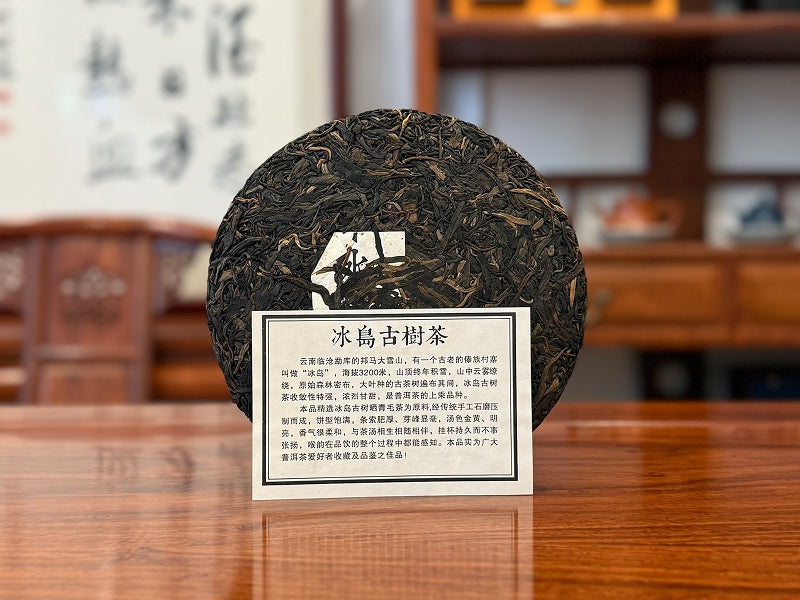
Pu‑erh is often served after meals, especially in traditional or older Chinese restaurants. It has a mellow, earthy character and is prized for being gentle on the stomach. Many people order pu‑erh as a finishing tea, particularly after rich or heavy dishes.
How to Brew Chinese Restaurant Tea at Home
Recreating that restaurant tea experience at home is easier than you might think. You don’t need special tools or complicated techniques. The key is to keep it simple.
Basic brewing tips:
- Use loose leaf tea, not tea bags
- Start with a small amount of tea
- Use hot water, but avoid boiling for green tea
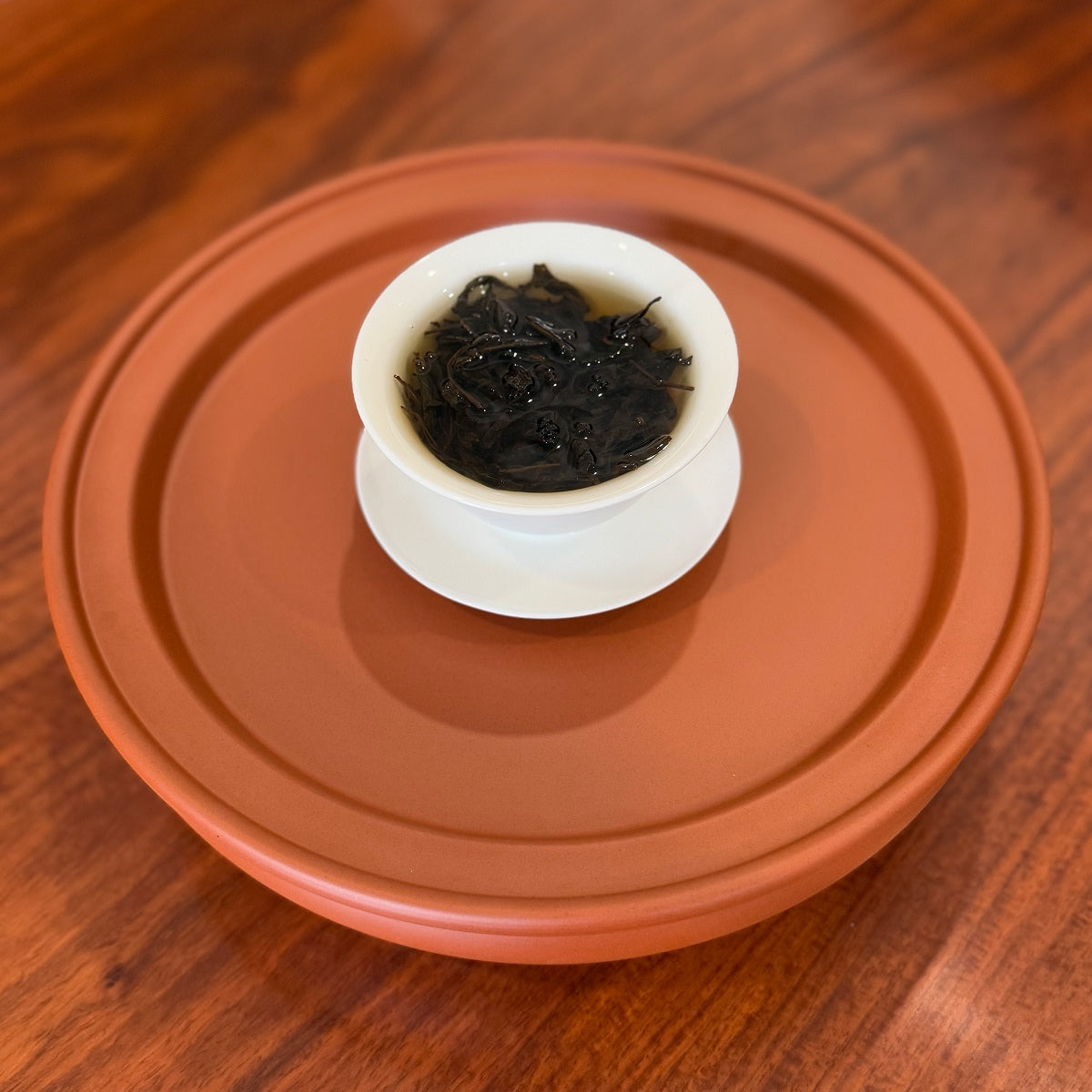
- Steep lightly—about 1–2 minutes for the first infusion—and re‑steep the same leaves 2–3 more times
The goal isn’t intensity. It’s a smooth, steady cup you can enjoy again and again, just like at the restaurant.
If you’re new to loose leaf tea, check out our complete guide on how to brew loose leaf tea for step‑by‑step instructions.
Where to Buy Tea Like Chinese Restaurant Tea
Most supermarket teas are designed to taste strong quickly—especially tea bags made from broken leaves. That’s the opposite of restaurant‑style tea.
Chinese restaurants use loose leaf teas chosen for consistency, clarity, and balance. These are teas meant to be brewed gently and savored over time.
If you’re looking for tea that tastes like it came straight from a Chinese restaurant, focus on:
- Loose leaf Chinese tea – not bags or fannings
- Clean, single‑origin sourcing – no blends or flavorings
- Everyday drinking teas – designed for comfort, not complexity
Explore our collection of loose leaf Chinese teas to find the perfect match for your home brewing.

Frequently Asked Questions About Chinese Restaurant Tea
Is Chinese restaurant tea green tea?
Usually, yes. Most Chinese restaurants serve a simple Chinese green tea, though some may serve oolong or pu‑erh depending on the restaurant’s style.
Is Chinese restaurant tea healthy?
Yes. It’s typically very light and free from additives. Many people enjoy it daily as part of a balanced routine.
Does Chinese restaurant tea contain caffeine?
Yes, but in moderate amounts. Because the tea is brewed lightly and re‑infused, the caffeine level is gentler than strongly brewed tea or coffee.
Can I drink Chinese restaurant tea every day?
Absolutely. This style of tea is designed for regular, everyday drinking and is commonly enjoyed throughout the day in Chinese dining culture.
What’s the best way to store loose leaf tea?
Keep it in an airtight container, away from light, heat, and moisture. A cool, dark cupboard is perfect.
Do I need special equipment to brew it?
Not at all. A simple teapot or infuser mug works great. The key is using good‑quality loose leaves and paying attention to water temperature.
Final Thoughts
Chinese restaurant tea isn’t about complexity—it’s about comfort. It’s a clean, balanced loose leaf tea meant to be enjoyed with food, conversation, and time.
Once you understand what it is and how it’s brewed, you can easily recreate that familiar experience at home. All it takes is the right Chinese tea and a simple approach to brewing.
🍃 Ready to start brewing?
Browse our curated selection of authentic Chinese green tea, oolong tea, and pu‑erh tea —all chosen for the smooth, balanced flavor you remember from your favorite restaurant.